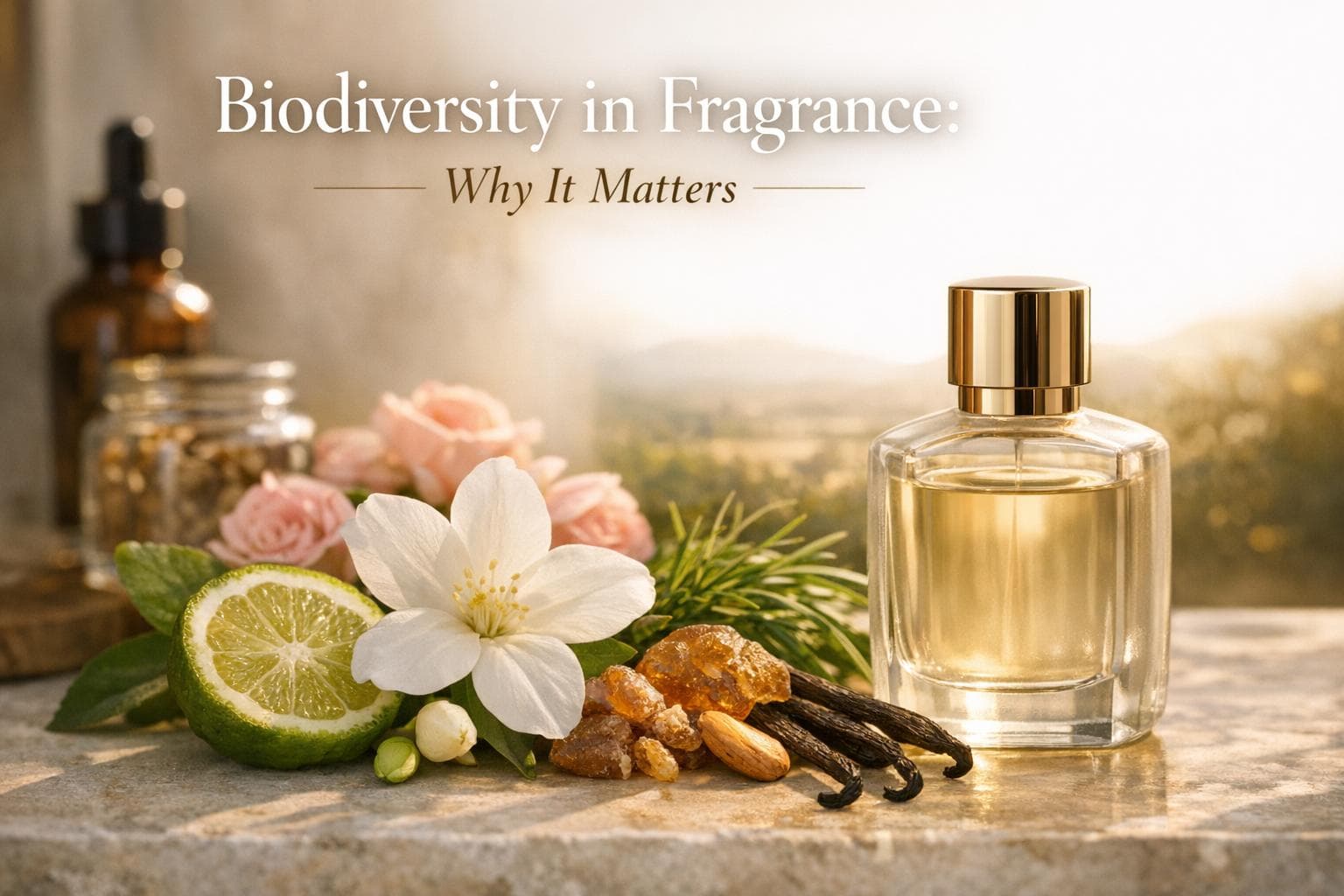
Amikor illatot viselsz, a természet erőforrásaival kapcsolódsz össze. A parfümök összetevői gyakran olyan növényekből származnak, amelyeknek egészséges ökoszisztémákra van szükségük ahhoz, hogy virágozhassanak. Az éghajlatváltozás, a túlzott betakarítás és az élőhelyek elvesztése azonban veszélybe sodorja ezeket az erőforrásokat. Ez nem csupán környezeti kérdés – közvetlenül befolyásolja a parfümök minőségét, elérhetőségét és jövőjét.
Ezen összetevők védelme érdekében az illatipar olyan megoldások felé fordul, mint az etikus beszerzés, a fejlett kivonási technikák és a biotechnológia. E módszerek célja, hogy csökkentsék az erőforrásokra nehezedő terhelést, miközben megőrzik a természetes illatok összetettségét és gazdagságát. Fogyasztóként a te döntéseid is számítanak. A felelősen beszerzett vagy biotechnológiával előállított illatok választásával támogatod a biológiai sokféleség megőrzésére és a kedvenc illataid mögött álló ökoszisztémák védelmére irányuló törekvéseket.
Főbb tanulságok:
- A parfümnövények több mint 60%-át vadon gyűjtik be, ami egyes fajokat közelebb sodor a kihaláshoz.
- Az éghajlatváltozás már most csökkenti az olyan összetevők hozamát, mint a rózsa és a jázmin.
- A fenntartható gyakorlatok és a biotechnológiai innovációk segítenek megóvni ezeket az erőforrásokat.
- A kisebb dekant kiszerelések, mint amilyeneket a Scento kínál, csökkentik a pazarlást és a túltermelést.
Minden vásárlás formálja az illatok jövőjét, lehetővé téve, hogy úgy élvezhessük a parfümöket, hogy közben a természetet is óvjuk.
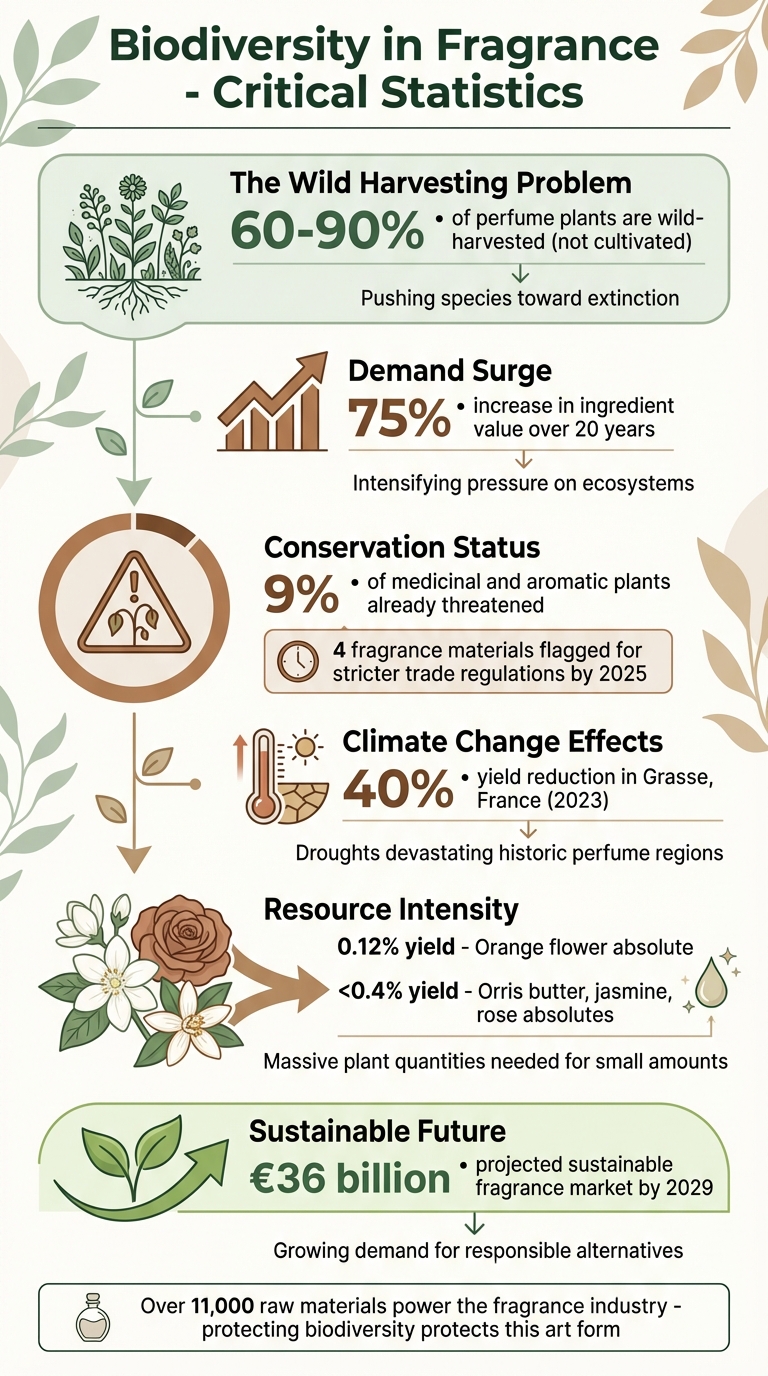
Biológiai sokféleségi válság az illatiparban: kulcsstatisztikák és fenyegetések
Hogyan alakíthatja át a tudomány az illatipart? | Freideriki Michailidou | TEDxZurich
Hogyan formálja a biológiai sokféleség az illatösszetevőket
A parfümériában használt minden természetes összetevő magában hordoz egy történetet, amelyet környezete – a talaj, az éghajlat és az ökoszisztéma – alakított. Amikor ezek a természetes élőhelyek gazdag biodiverzitással virágoznak, az általuk létrehozott összetevők is ezt az elevenséget tükrözik, összetett és ragyogó illatprofilokat kínálva. Ezzel szemben, ha az ökoszisztémák sérülnek vagy leromlanak, ezen összetevők minősége és elérhetősége hanyatlani kezd. Ez a törékeny egyensúly rámutat a természet és az illatok világa közötti kifinomult kapcsolatra, és megteremti az alapot a természetes és a szintetikus anyagok közötti különbségek mélyebb vizsgálatához.
Természetes vs. szintetikus összetevők
A természetes összetevők, amelyek évezredeken át fejlődtek a beporzókkal és ragadozókkal való kölcsönhatásaik révén, veleszületetten rendkívül összetettek. A rózsaabszolút például a komplexitás csodája, több mint 300 különböző molekuláris vegyületet tartalmaz. Ezzel szemben a szintetikus összetevőket az állandóság és a megbízhatóság jegyében tervezik. Bár a szintetikus anyagok képesek bizonyos illatprofilok reprodukálására, nélkülözik azt az állandóan változó mélységet és árnyaltságot, amely a természetes illatokat oly elbűvölővé teszi.
A természetes összetevők előállításának folyamata tovább szemlélteti, miért kulcsfontosságú megőrzésük. Ezen anyagok kinyerése erőforrás-igényes – a narancsvirág abszolút például mindössze 0,12%-os hozamot ad a nyers növényi alapanyagból. Ez azt jelenti, hogy még kis mennyiségű illat előállításához is nagy mennyiségű növény szükséges, ami hangsúlyozza az e forrásokat fenntartó ökoszisztémák védelmének fontosságát.
A természetes összetevők fenntarthatósága molekuláris összetételükön túl szorosan összefügg eredeti élőhelyeik egészségével.
Olyan összetevők, amelyek egészséges ökoszisztémáktól függenek
Bizonyos illatösszetevők elválaszthatatlanul kötődnek meghatározott környezetekhez. Gondoljunk csak a szantálfára. Miután Indiában a túlzott kitermelés majdnem a kihalás szélére sodorta, termelése fenntartható ültetvényekre helyeződött át Ausztráliába. Az agarfa, vagy oud, az egyik legértékesebb (és legdrágább) illatkomponens, Délkelet-Ázsia esőerdeiből származik. Az agarfa fenntartható betakarítása nemcsak az erdők megőrzését szolgálja, hanem gazdasági ösztönzőt is teremt a helyi közösségek számára, hogy megvédjék azokat ahelyett, hogy mezőgazdasági célokra kiirtanák őket.
Más összetevők is hasonló kihívásokkal néznek szembe. A Kelet — Afrika szarvának fáiból származó tömjént a túlzott betakarítás és az éghajlatváltozás fenyegeti. Az íriszrizómákból nyert nősziromgyökér egy másik példa a természet türelmére – három-öt év növekedésre van szüksége, mielőtt betakaríthatóvá válik. Ez a lassú érési folyamat rávilágít arra, mennyire létfontosságúak a stabil, egészséges ökoszisztémák az ilyen kényes, időigényes termesztés támogatásához.
E becses összetevők jövője a biológiai sokféleség fenntartásától és az azokat virágzásra segítő környezetek védelmétől függ. E törekvések nélkül a parfüméria világa fennáll annak a veszélye, hogy elveszíti legkedveltebb természetes elemei közül néhányat.
A biológiai sokféleséget fenyegető veszélyek az illatgyártásban
A természetes illatösszetevők vonzereje gyakran súlyos árat követel a környezettől. A parfümériában használt növények jelentős többségét – 60% és 90% között – nem termesztik, hanem vadon gyűjtik be. Az elmúlt 20 évben ezen összetevők iránti kereslet drámai mértékben nőtt, értékük több mint 75%-kal emelkedett. Ez a fellendülés, párosulva az élőhelyek pusztulásával és az éghajlati instabilitással, hatalmas nyomást helyezett az ökoszisztémákra, sok aromás növényt egyre közelebb sodorva a kihaláshoz. A természetvédelmi szempontból felmért gyógynövények és aromás növények közül 9% már veszélyeztetettnek minősül.
A túlzott betakarítás nemcsak a biológiai sokféleséget károsítja – a helyi közösségek megélhetését is veszélyezteti, amelyek ezen ökoszisztémáktól függenek. Az olyan szabályozó testületek, mint a CITES (a veszélyeztetett fajok nemzetközi kereskedelméről szóló egyezmény), egyre szorosabban figyelik a kockázatnak kitett fajokat. 2025-re a Nemzetközi Illatszer Szövetség négy konkrét illatanyagot jelölt meg, amelyekre szigorúbb kereskedelmi szabályozás vonatkozhat.
"A biológiai sokféleség védelme elengedhetetlen mind a természet, mind az illatok jövője szempontjából"
Ez a kijelentés Matthias Veytől, az IFRA tudományos ügyekért felelős alelnökétől, hangsúlyozza e kihívások sürgősségét – különösen a hírhedten alacsony hozamú összetevők esetében.
Veszélyben lévő, nagy keresletű összetevők
Bizonyos nagy becsben tartott illatösszetevők különösen sérülékenyek rendkívül alacsony kivonási hozamuk miatt. Az orris vaj, a jázmin- és rózsaabszolútok például kevesebb mint 0,4%-os hozamot adnak a nyers alapanyagból, ami tovább növeli az ökoszisztémákra nehezedő betakarítási nyomást. Még a rózsabors is, amely viszonylag magasabb, 1,5%-os hozamot kínál, környezeti szempontból megterhelőnek számít vadon történő begyűjtési módszerei miatt.
A FAO által azonosított kulcsfontosságú összetevőcsoport, a "Wild Dozen", jól mutatja, hány gyakran használt anyag került mára veszélybe, és szorul sürgős védelemre. Mindezt tovább súlyosbítja, hogy az éghajlatváltozás még bonyolultabbá teszi ezt az amúgy is törékeny egyensúlyt.
Hogyan hat az éghajlatváltozás az illatösszetevők beszerzésére
Az éghajlatváltozás fokozza a meglévő fenyegetéseket azáltal, hogy megzavarja az illatnövényeket támogató érzékeny ökoszisztémákat. A franciaországi Grasse-ban – a parfüméria történelmi központjában, amely olyan luxusmárkákat lát el, mint a Chanel és a Dior – az aszályok súlyosan megtizedelték a virágszüreteket, és 2023-ban 40%-kal csökkentették a hozamokat. A vízhiány olyan súlyossá vált, hogy a kormány által bevezetett mezőgazdasági vízhasználati korlátozások szinte lehetetlenné teszik a gazdák számára a virágkultúrák fenntartását a hőhullámok idején.
A csökkent betakarításokon túl az emelkedő hőmérséklet megváltoztatja a természetes összetevők kémiai összetételét, ezáltal módosítva illatprofiljukat. A gyakran távoli területeken működő kisgazdaságok különösen kiszolgáltatottak ezeknek a változásoknak. Mivel nem rendelkeznek a gyors alkalmazkodáshoz szükséges erőforrásokkal, ezek a közösségek jelentős megélhetési kockázatokkal néznek szembe, ami viszont az illatipar ellátási láncát is fenyegeti.
"Parfümőrökként természetesen szeretnénk megőrizni azokat az összetevőket, amelyekkel dolgozunk, és amelyek inspirálnak bennünket. Felelősségünk, hogy gondosan olyan termelőktől szerezzük be az alapanyagokat, akik biztosítják a fenntarthatóságot, nemcsak környezeti, hanem a közösség társadalmi szempontjait illetően is"
Ez a gondolat, amelyet Erwin Creed, a The House of Creed képviselője osztott meg, azt a növekvő tudatosságot tükrözi az iparágon belül, amely a környezeti és társadalmi prioritásokat egyensúlyban tartó fenntartható gyakorlatok szükségességét hangsúlyozza.
Személyes illatszakértője már várja
Töltse ki rövid illatkvízünket, és fedezzen fel hiteles designer és niche parfümöket, amelyek az ízléséhez illenek – próbálja ki őket 2–8ml-es dekantokban és mintákban, hogy mindegyiket kipróbálhassa, mielőtt teljes flakon mellett dönt.
Találja meg illatátMegoldások a biológiai sokféleség védelmére az illatok világában
Az illatipar a biodiverzitási kihívásokra regeneratív gyakorlatok és biotechnológia ötvözetével válaszol. Az etikus betakarítástól a fejlett gyártási módszerekig ezek a megközelítések kézzelfogható lehetőségeket kínálnak arra, hogy a márkák és a fogyasztók egyaránt hozzájáruljanak a természetvédelmi erőfeszítésekhez. Íme, hogyan lép előre az iparág.
Etikus betakarítási módszerek
A fenntartható beszerzés alapja a specializált vadon gyűjtési programok alkalmazása, amelyeket úgy alakítottak ki, hogy megelőzzék a túlzott betakarítást és megóvják az ökoszisztémákat. Ezek a kezdeményezések nemcsak a természetes élőhelyek helyreállítását segítik, hanem érdemi támogatást is nyújtanak a helyi közösségeknek.
Sok vállalat vezet be Biodiverzitási Cselekvési Terveket (BAP), amelyeket egyes régiókra szabnak, hogy mérjék környezeti hatásukat, és természetvédelmi erőfeszítéseiket oda összpontosítsák, ahol arra a legnagyobb szükség van. Emellett olyan keretrendszerek, mint a Nagojai Jegyzőkönyv, biztosítják, hogy a genetikai erőforrásokat szolgáltató közösségek méltányos ellentételezésben és elismerésben részesüljenek.
"A Nagojai Jegyzőkönyv egyértelműséget teremt a vállalatok számára és méltányosságot a közösségek számára. Az illatipar teljes mértékben támogatja ezeket a célokat, proaktívan dolgozva a globális biodiverzitás tiszteletben tartásán, miközben magas minőségű illatanyagokat biztosít."
A fogyasztók olyan független tanúsítványokat is kereshetnek, mint a Union for Ethical BioTrade (UEBT), amely garantálja, hogy a termékek tiszteletben tartják mind a biológiai sokféleséget, mind az emberi jogokat. Technológiai oldalon a modern kivonási módszerek, például a szuperkritikus CO2-extrakció és a fejlett oldószer-újrahasznosítás (akár 96,5%-os hatékonysággal) jelentősen csökkentik a hulladék mennyiségét a hagyományos technikákhoz képest. Ezek a fejlesztések a biotechnológiával együtt újraformálják azt, ahogyan az illatok fenntartható módon készülnek.
Biotechnológia és új gyártási módszerek
A biotechnológia forradalmasítja az illatok létrehozását azzal, hogy élesztők és baktériumok segítségével állít elő illatmolekulákat. A tudósok növényi génekkel programozzák ezeket a mikrobákat, hogy olyan vegyületeket hozzanak létre, amelyek kémiailag azonosak a természetben megtalálhatókkal. Ez az innováció védi az olyan veszélyeztetett fajokat, mint a kelet-indiai szantálfa és az agarfa, csökkentve a vadon élő populációk vagy érett fák betakarításának szükségességét.
Az olyan technikák, mint az enzimatikus katalízis, lehetővé teszik összetett illatmolekulák létrehozását szobahőmérsékleten, minimális hulladékkal. Ezenfelül az upcycling értékes illatösszetevőkké alakítja az olyan melléktermékeket, mint a gyümölcsléiparból származó citrus-héjak.
A biotechnológiai gyártás számos környezeti előnnyel jár: kevesebb földet és vizet igényel, elkerüli az élőhelyek pusztulását, és jelentősen csökkenti a szén-dioxid-kibocsátást. A szezonális növényekkel ellentétben, amelyek hozama kiszámíthatatlan lehet, a biotechnológia állandó, egész éven át tartó termelést biztosít egyenletes minőség mellett. Mivel a fenntartható illatok globális piaca várhatóan 2029-re meghaladja a 36 milliárd eurót, egyértelmű, hogy az ilyen innovációk iránti kereslet növekszik.
Hogyan jelentenek különbséget a fogyasztói döntések
Vásárlási döntéseid képesek befolyásolni az iparági gyakorlatokat. Keresd a UEBT címkével ellátott termékeket, amely megerősíti, hogy az összetevőket felelősen szerzik be, és támogatják a helyi fejlődést. A biotechnológiával előállított összetevőkből készült illatok választása segít megvédeni a vadon élő fajokat, miközben ugyanazokat az illatprofilokat nyújtja, amelyeket szeretsz – a mikrobiális mérnökség jóval kisebb területen képes aromás vegyületeket reprodukálni, mint például a rózsaolaj hagyományos előállítása.
Az átláthatóság egy másik kulcsfontosságú tényező. Olyan márkákat válassz, amelyek a forrástól az üvegig nyomon követhetőséget kínálnak, ami a biotechnológiai fejlesztéseknek köszönhetően egyre gyakoribb. Az upcyclingolt anyagokból, például citrus-héj melléktermékekből készült termékek szintén okos és fenntartható választást jelentenek. Az érzékenységgel élők számára a biotechnológiával előállított illatok allergénmentes opciókat kínálhatnak, mivel tisztított molekulákat állítanak elő a hagyományos illóolajokban gyakori irritáló anyagok, például a limonén vagy a linalool nélkül.
Végezetül ellenőrizd, hogy a márkák aláírói-e a IFRA — IOFI Fenntarthatósági Chartának, vagy használnak-e olyan ökodizájn eszközöket, mint a GREEN MOTION™ összetevőik környezeti lábnyomának értékelésére. E kezdeményezések támogatása világos üzenetet küld: a fogyasztók értékelik a fenntarthatóságot és a biológiai sokféleség megőrzését az illatiparban. Minden vásárlás hozzájárul egy szélesebb körű törekvéshez, amelynek célja az ökoszisztémák védelme a jövő generációi számára.
Hogyan támogatja a Scento a tudatos illatfelfedezést

Az illatipar világszerte több mint 11 000 nyersanyagra támaszkodik, amelyeket gyakran sérülékeny ökoszisztémákból szereznek be. A Scento dekantalapú modellje közvetlenül kezeli ezt a kihívást azáltal, hogy csökkenti ezen erőforrások iránti keresletet. Ez az átgondolt megközelítés nemcsak a ritka anyagok megőrzését segíti, hanem felelősebb módot is kínál az illatok felfedezésére.
A hulladék csökkentése kisebb kiszerelésekkel
A hagyományos parfümvásárlás gyakran vezet pazarláshoz, mivel sok teljes méretű üveg kihasználatlanul marad. A Scento 0,75 ml-es, 2 ml-es és 8 ml-es dekantjai intelligensebb alternatívát kínálnak azáltal, hogy jobban igazodnak a valós használathoz. Egy 8 ml-es fiola például nagyjából 120 fújásra elegendő, elegendő időt adva arra, hogy élvezd és értékeld az illatot anélkül, hogy egy nagy üveg mellett kellene elköteleződnöd. Ez a szemléletváltás csökkenti a túltermelést, és mérsékli az olyan összetevők iránti keresletet, mint a szantálfa és a rózsaolaj, amelyek kinyerése energiaigényes folyamatokat igényel.
"A fenntarthatóság kulcsfontosságú az illatok megalkotásában... teljes mértékben ésszerű, hogy gondot fordítsunk a gyártás minden szakaszára, a talajtól kezdve, a földeket gondozó embereken és közösségeken át egészen az üvegig."
- Erwin Creed, parfümőr, The House of Creed
Felelős illatfelfedezés
A pazarlás csökkentésén túl a Scento a tudatos illatfelfedezést is ösztönzi, miközben enyhíti a természetes erőforrásokra nehezedő nyomást. Válogatott, 1000 illatból álló kínálata lehetővé teszi, hogy a teljes méretű üvegek halmozása nélkül fedezz fel illatok széles skáláját. Ahelyett, hogy több nagy üveget vásárolnál meg az ideális illat megtalálásához, dekantokat próbálhatsz ki, tucatnyi lehetőséggel kísérletezve, miközben egy fenntarthatóbb megközelítést támogatsz.
Mivel a niche illatok piaca várhatóan 2034-re eléri az 5,73 milliárd dollárt, a dekantok választása a teljes méretű üvegek helyett egy lépést jelent a tudatos fogyasztás felé. Minden apró vásárlás a felelős erőforrás-használat iránti elköteleződést tükrözi, hozzájárulva annak a biológiai sokféleségnek a megőrzéséhez, amely életre hívja azokat az összetett, természetes illatokat, amelyeket nagyra becsülünk. A kisebb, átgondolt kiszerelések választásával aktívan hozzájárulsz azoknak az ökoszisztémáknak a védelméhez, amelyek kedvenc illataidat inspirálják és megteremtik.
Összegzés
A biológiai sokféleség az illatkészítés gerincét alkotja, a folyamat minden lépését befolyásolva. Ez nem pusztán az ökoszisztémák vagy a természetvédelem kérdése – magának az iparágnak az éltető ereje. Több mint 11 000 nyersanyag, a sűrű erdők agarfaállományaitól a kiterjedt mezők finom rózsáiig, virágzó ökoszisztémáknak köszönheti létét. Amikor ezek a természetes élőhelyek veszélybe kerülnek, az általunk nagyra értékelt kifinomult és sokszínű illatok is kockázatnak vannak kitéve. Bár a szintetikus összetevőknek is megvan a helyük, nem tudják maradéktalanul visszaadni azt a mélységet és komplexitást, amelyet a természetes anyagok visznek a parfümériába.
Fogyasztóként hozott döntéseid meghatározó szerepet játszanak ennek az egyensúlynak a fenntartásában. Az etikus és átlátható gyakorlatokat előtérbe helyező márkák választása segít megvédeni a létfontosságú ökoszisztémákat. Ez egyúttal támogatja azokat a közösségeket is, amelyek megélhetése ezektől az erőforrásoktól függ, miközben a fenntartható beszerzés révén biztosítja az illatok állandó minőségét. Mivel a globális niche illatpiac várhatóan 2034-re eléri az 5,73 milliárd dollárt, egyértelmű, hogy egyre több fogyasztó igazítja preferenciáit a felelős gyártási módszerekhez.
"A biológiai sokféleség védelme elengedhetetlen mind a természet, mind az illatok jövője szempontjából." - Matthias Vey, alelnök, tudományos ügyek, IFRA
Az olyan platformok, mint a Scento, utat mutatnak a fenntarthatóbb felfedezés felé. Kisebb dekant kiszerelések kínálatával minimalizálják a pazarlást, miközben lehetővé teszik, hogy különféle illatokat fedezz fel anélkül, hogy teljes üvegek mellett köteleződnél el, amelyek később esetleg kihasználatlanul maradnak. Ez egy tudatos megközelítés az illatok élvezetére, csökkentett környezeti hatással.
Az illatipar jövője a ma meghozott döntéseinktől függ. Az etikus beszerzés támogatásával és a minőség értékelésével hozzájárulsz azoknak az ökoszisztémáknak a megőrzéséhez, amelyek kedvenc illataidat lehetővé teszik. Minden megfontolt vásárlás egy lépés afelé, hogy a parfüméria művészete a természeti világgal összhangban továbbra is virágozhasson.
GYIK
Hogyan hat az éghajlatváltozás a természetes illatösszetevőkre?
Az éghajlatváltozás átalakítja a természetes illatösszetevők világát. A szélsőséges időjárási mintázatok, az emelkedő globális hőmérséklet és az elhúzódó aszályos időszakok megzavarják az olyan alapvető aromás növények növekedési és betakarítási ciklusait, mint a jázmin, a levendula és a rózsa. Ezek a zavarok gyakran alacsonyabb hozamhoz, gyengébb minőséghez, sőt egyes esetekben a természetes parfüméria szempontjából meghatározó növényfajok teljes eltűnéséhez vezetnek.
Az olyan régiók, mint a franciaországi Grasse – amelyet a legkiválóbb aromás növények egyik bölcsőjeként ünnepelnek – különösen veszélyeztetettek, mivel hagyományos termesztési feltételeik egyre instabilabbá válnak. Ez nemcsak az illatanyag-termelők gazdasági megélhetését sodorja veszélybe, hanem a biológiai sokféleséget és a természetes parfüméria mélyen gyökerező kézműves hagyományait is fenyegeti. E becses erőforrások jövőbeli megőrzéséhez a fenntartható és alkalmazkodó termesztési módszerek fontosabbak, mint valaha.
Milyen előnyökkel járnak a biotechnológián alapuló illatok?
A biotechnológián alapuló illatok új korszakot nyitnak az illatkészítésben, környezettudatosabb megközelítést kínálva a gyártásban. Az olyan technikák alkalmazásával, mint a fermentáció és a biokatalízis, ezek a módszerek jelentősen csökkentik a természetes erőforrások betakarításától vagy a petrolkémiai anyagok használatától való függést. Ez nemcsak a biológiai sokféleség megőrzését segíti elő, hanem egy zöldebb, fenntarthatóbb gyártási folyamatot is támogat.
A biotechnológiai módszerek további előnye, hogy képesek áthidalni a ritka vagy szezonális összetevőkkel kapcsolatos kihívásokat. Állandó, magas minőségű és egységes illatprofilokat biztosítanak, függetlenül a természetes korlátoktól. Emellett ezek a módszerek skálázható és költséghatékony alternatívát kínálnak a hagyományos kivonási folyamatokhoz képest, összhangban az illatipar egyre erősödő fenntarthatósági és modern innovációs törekvéseivel.
Miért fontos az etikus beszerzés az illatgyártásban?
Az etikus beszerzés kulcsszerepet játszik az illatgyártásban, biztosítva, hogy a természetes erőforrásokat felelősen használják fel, miközben megóvják a biológiai sokféleséget. Sok parfüm botanikai összetevőkre épül, amelyek közül némelyik olyan növényekből származik, amelyeket a kihalás veszélye fenyeget. Körültekintő gyakorlatok nélkül ezen anyagok betakarítása károsíthatja az ökoszisztémákat, és felboríthatja a helyi környezetek kényes egyensúlyát.
Az etikusan beszerzett összetevők választásával az illatipar hozzájárul az ökoszisztémák védelméhez, a veszélyeztetett fajok megőrzéséhez, valamint azon közösségek támogatásához, amelyek megélhetése ezektől az erőforrásoktól függ. Ez összhangban áll a túlzott kizsákmányolás elleni fellépést és a méltányos gyakorlatok előmozdítását célzó globális kezdeményezésekkel is, megnyitva az utat egy felelősebb és átláthatóbb gyártási szemlélet előtt.