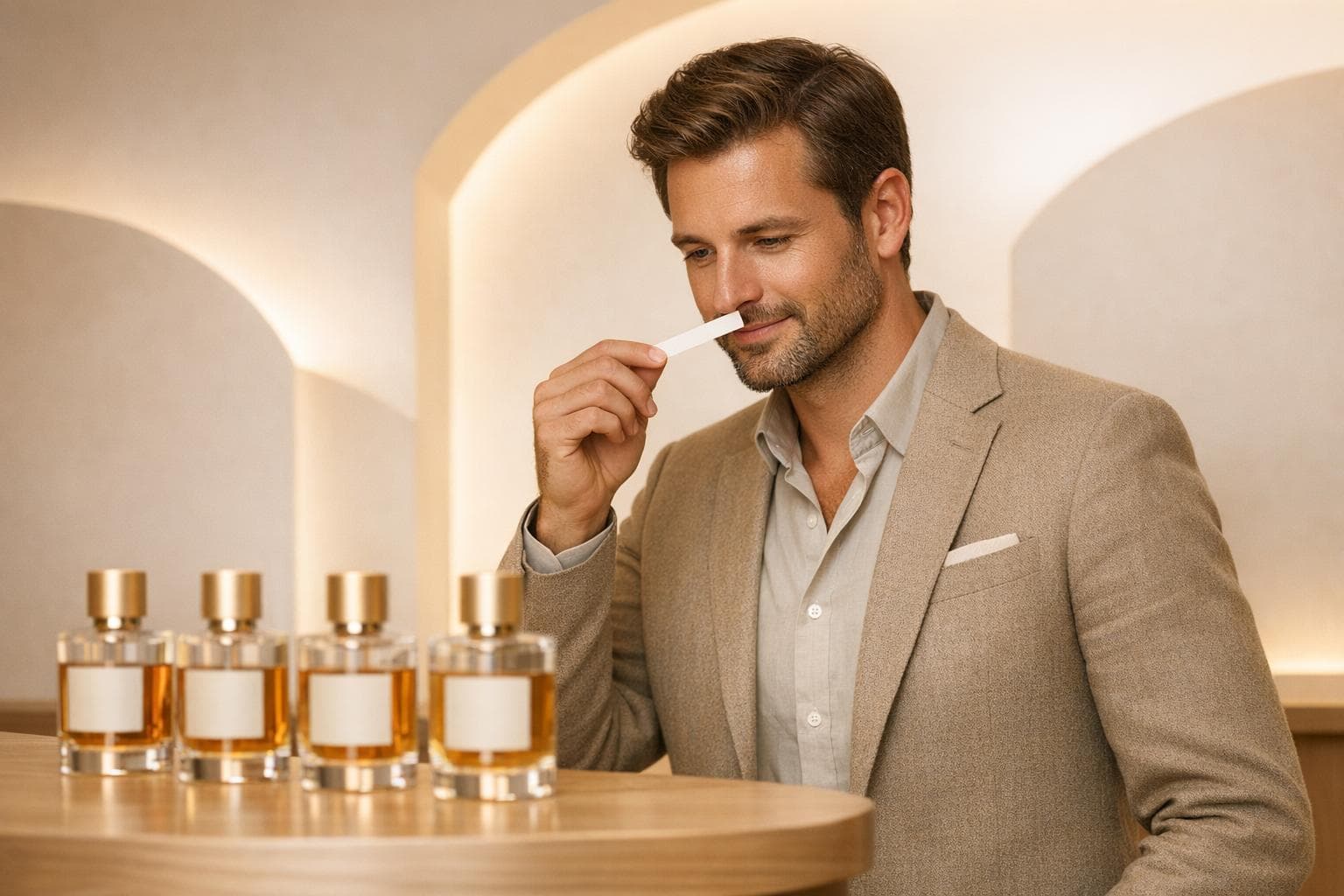
A pop-up kiállítások átalakítják azt, ahogyan az emberek felfedezik és megvásárolják az illatokat. A túlzsúfolt parfümpultok vagy a homályos online leírások helyett ezek a rövid ideig tartó események magával ragadó, érzékszervi élményekben gazdag tereket kínálnak, ahol a vásárlók közvetlenül a bőrükön próbálhatják ki az illatokat. Az interaktív installációk, az érzelmekre ható történetmesélés és a szakértői útmutatás ötvözésével a márkák emlékezetes élményeket teremtenek, amelyek magasabb elköteleződéshez és több értékesítéshez vezetnek. Például a Miss Dior pop-up kávézója a Szingapúri Changi repülőtéren 28%-kal növelte a konverziós arányt, bizonyítva e megközelítés erejét. Mivel a teljes kiszerelésű üvegek ára gyakran meghaladja a 300 eurót, a pop-upok csökkentik a kipróbálás nélküli vásárlás kockázatát is, így hatékony hidat képeznek a kíváncsiság és az elköteleződés között.
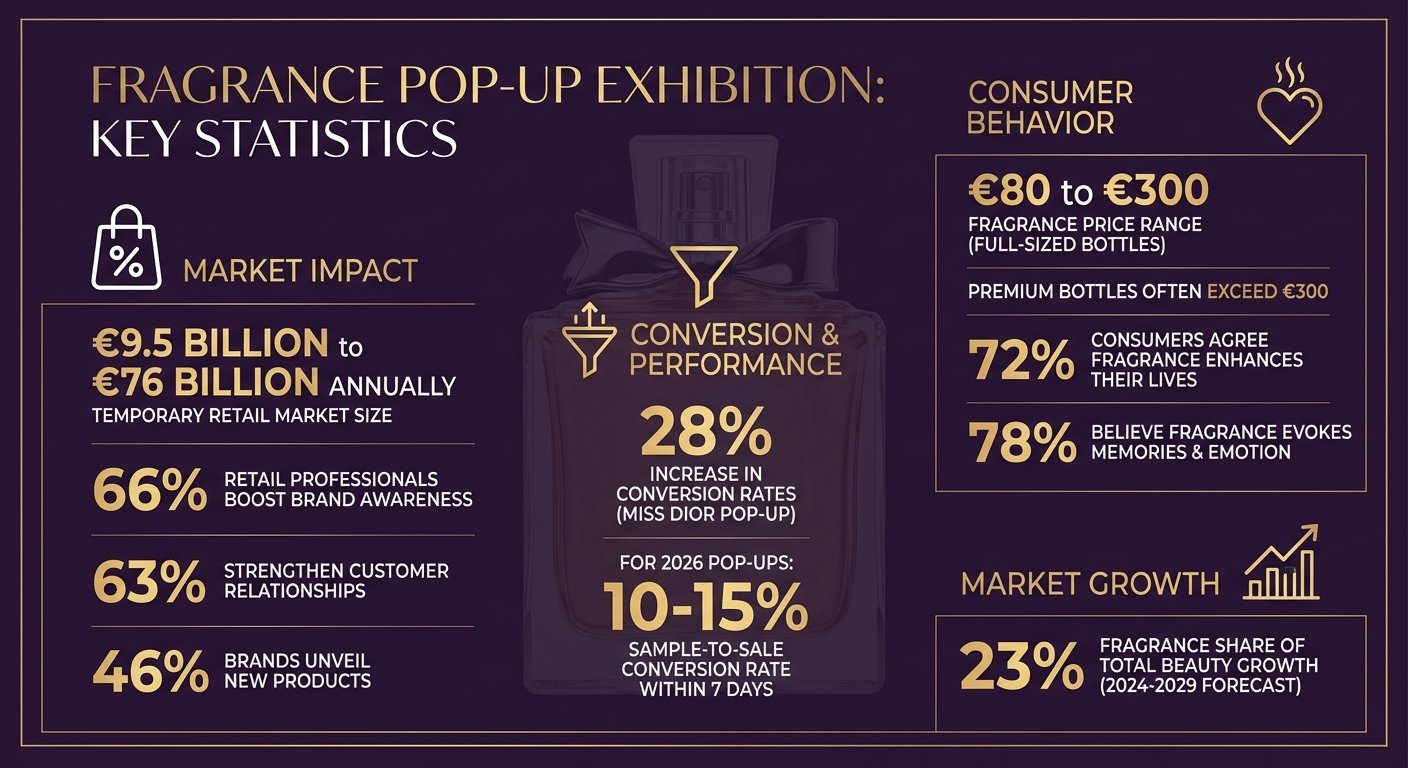
Illat pop-up kiállítási statisztikák: konverziós arányok, piaci méret és fogyasztói hatás
Why Traditional Fragrance Marketing Doesn’t Work
A hagyományos illatmarketing gyakran nem képes megfelelni a vásárlók érzékszervi elvárásainak. Bár az online vásárlás kényelmes, nem tud többérzékszervi élményt nyújtani. Eközben a fizikai üzletterek – legyen szó hatalmas áruházi pultokról vagy minimalista bemutatótermekről – gyakran végtelen üvegsorokkal terhelik túl a vásárlókat, miközben nem kínálnak valóban értelmes, személyre szabott útmutatást. Ezek a korlátok különösen nyilvánvalóvá válnak, ha figyelembe vesszük, milyen nehézségekkel szembesülnek a fogyasztók új illatok felfedezése, kipróbálása és az azokhoz való érzelmi kapcsolódás során.
Az új illatok felfedezésének kihívása
A hagyományos csatornákon keresztül eligazodni az illatok világában olyan lehet, mint egy útvesztőben járni. Az online platformok ugyan több ezer lehetőséget kínálhatnak, mégis gyakran olyan homályos leírásokra támaszkodnak, mint a "fás-virágos" vagy "friss citrusos", amelyek alig adnak vissza valamit az illat valódi élményéből. A fizikai üzletekben sem sokkal jobb a helyzet – a zsúfolt teszterek, a kevéssé segítőkész személyzet és az érzékszervi túlterheltség miatt a vásárlók gyakran inkább zavartan, mint inspiráltan távoznak. Ahogy a perfumeronline kiemeli:
"A vásárlók meg szeretnék szagolni a terméket, mielőtt megveszik – de az online térben túlterheltnek érzik magukat, tartanak a hamisítványoktól, és frusztrálja őket az illatleírások következetlensége."
A fogyasztók igényei és az elérhető lehetőségek közötti eltérés szükségtelenül frusztrálóvá teszi egy új illat felfedezésének folyamatát.
A kipróbálás nélküli vásárlás kockázata
Mivel az árak 80 és 300 euró között mozognak, egy teljes kiszerelésű illat megvásárlása előzetes tesztelés nélkül olyan kockázat, amelyet sok fogyasztó vonakodva vállal. Ez az "üzleten belüli bizonytalanság" szorongást kelt, hiszen a vásárlók attól tartanak, hogy jelentős összeget költenek egy olyan illatra, amely nem harmonizál a bőrük kémiájával vagy személyes ízlésükkel. Anélkül, hogy megtapasztalhatnák, hogyan bontakozik ki egy illat – a fej-, szív- és alapjegyek több órán át tartó fejlődését –, sokan végül drága üvegekkel maradnak, amelyek csak porosodnak a polcon. Mindez rávilágít a gyakorlati tapasztalatok fontosságára, amelyek magabiztos döntéshozatalt tesznek lehetővé.
Az érzelmi kapcsolódás hiánya
A hagyományos kiskereskedelmi megoldások gyakran pusztán tranzakcióvá redukálják a parfümvásárlást, megfosztva azt attól az érzelmi történetmeséléstől és érzékszervi utazástól, amely igazán különlegessé teszi az illatokat. A statikus display-ek sorai nem képesek mélyebb szinten megszólítani a vásárlókat. Ezt felismerve ma a kiskereskedelmi szakemberek 63%-a fordul ideiglenes pop-up terekhez, hogy emlékezetesebb és tartalmasabb interakciókat hozzon létre a vásárlókkal. Ahogy Sima Kallug, a perfumes.news vezető szerkesztője fogalmaz:
"Az egyméretű, mindenkihez szóló zászlóshajó parfümüzletek korszaka véget ért. 2026-ban a leghatékonyabb felfedezési csatornák a rövid, emlékezetes mikroélmények, amelyek a fizikai, digitális és alkotók által vezetett pillanatokat ötvözik."
A hagyományos marketing ezen hiányosságai utat nyitnak az innovatív pop-up kiállítások előtt, amelyek olyan magával ragadó és személyre szabott élményeket kínálnak, amilyeneket a mai fogyasztók keresnek.
Hogyan oldják meg a pop-up kiállítások ezeket a problémákat
A pop-up kiállítások átalakítják az illatok értékesítésének módját, hiszen érzékszervi gazdagságú, interaktív élményt kínálnak a látogatóknak, amely kezeli a hagyományos kiskereskedelem tipikus frusztrációit. Ezek az ideiglenes terek vonzó környezetet teremtenek, ahol az illatfelfedezés nem csupán feladat, hanem élvezetes utazás. Az immerzív elemekre helyezett hangsúly révén kézzelfogható élményt hoznak létre, amely tartós benyomást hagy.
Az illatok közvetlen megtapasztalása a vásárlók számára
A modern pop-upok többzónás élmények köré épülnek, és a látogatókat azon vezetik végig, amit a szakértők "háromfelvonásos utazásként" írnak le. Ide tartozik egy Megközelítési zóna, amely felkelti az érdeklődést és bevonzza az embereket, egy Csúcspont zóna az intenzív érzékszervi bevonódásért (olyan eszközökkel, mint a ködgépek, tükrök vagy a virtuális valóság), valamint egy Lezárási zóna, ahol személyre szabott vásárlási lehetőségek várják őket.
Például 2025. április 30. és május 18. között a Chanel a los angelesi The Grove-ban rendezte meg a "Chance Eau Splendide" pop-upot. A túlméretezett parfümösüveg-installációkkal, egy márkázott labirintussal, titkos üzeneteket kínáló "Chance Teller" elemmel, sőt még egy körhintával is – ahol a hagyományos lovakat Chanel-üvegek helyettesítették – az esemény játékos és magával ragadó módot teremtett az illatok felfedezésére. Hasonlóképpen a Marc Jacobs 2025. április 24-én mutatta be a "Marc Jacobs Daisy Garden" élményt a Beverly Hills-i Virginia Robinson Gardensben. Az eseményen különböző illatjegyek által inspirált érzékszervi vignetták és egy "Personality Picnic" is helyet kapott, ahol a résztvevők személyre szabott charmokat és italokat készíthettek, amelyek az illatokat tükrözték.
Az interaktív elemek, mint a layering workshopok, a DIY állomások és az időzített illatbemutatók jóval vonzóbbá teszik ezeket a pop-upokat, mint a statikus kiskereskedelmi display-ek. Ezek a funkciók olyan érzelmi kapcsolatokat alakítanak ki, amelyeket a hagyományos üzletek gyakran nehezen tudnak elérni.
Rövid távú események kihasználása az azonnali bevonódás ösztönzésére
A mindössze néhány napig – jellemzően 3–7 napig – tartó pop-upok sürgető érzést keltenek, amely arra ösztönzi a látogatókat, hogy teljesen átadják magukat az élménynek, tudva, hogy a következő héten már nem lesz lehetőségük visszatérni. Ez a korlátozott időkeret a teret nagy energiájú környezetté alakítja, ahol a figyelem gyorsan cselekvéssé válik.
A 2025-ös Coachella Valley Music and Arts Festivalon a Sol de Janeiro bemutatta a "Casa Cheirosa" élményt, egy 9x9 méteres játszóteret, amelyen brazil nyilvános telefonfülkék mintájára kialakított "parfümpodok" kaptak helyet. Minden pod egy adott ködpermetet emelt ki, eredeti illusztrációval és illattal mesélve el a márka történetét. A fesztivál rövid időtartama biztosította, hogy több ezer résztvevő élje át az aktivációt, azonnali közösségimédia-visszhangot és szájról szájra terjedő lelkesedést generálva.
Ennek a sürgető érzésnek a fokozására a márkák gyakran influencerek által vezetett termékbevezetésekhez igazítják pop-upjaikat, vagy kizárólag a látogatást követő 24 órában érvényes kedvezménykódokat kínálnak. A fizikai bevonódás és az időérzékeny digitális ösztönző kombinációja arra készteti a látogatókat, hogy még akkor vásároljanak, amikor az élmény frissen él bennük. Ezek a rövid távú események valós idejű tesztkörnyezetként is szolgálnak az ügyfélvisszajelzések gyűjtésére.
Visszajelzések gyűjtése az új termékekről
Az emlékezetes élmények megteremtésén túl a pop-upok felbecsülhetetlen értékű tesztkörnyezetet jelentenek a márkák számára a közvetlen fogyasztói insightok gyűjtésére. A látogatói viselkedés nyomon követésével – például az egyes zónákban eltöltött idő, a mintákkal való interakciók vagy a közösségimédia-említések alapján – a márkák úgy juthatnak adatokhoz, hogy közben nem kell elköteleződniük egy állandó kiskereskedelmi tér mellett.
2026 áprilisában a Glossier a Random Studio együttműködésével mutatott be egy pop-upot Párizsban a "You Fleur" illat számára. Az installáció mesterséges intelligenciát használt, hogy a látogatók arckifejezéseihez és testtartásához alkalmazkodjon, személyre szabott költészetet létrehozva, miközben adatokat gyűjtött az érzelmi reakciókról. Ez az innovatív megközelítés valós idejű betekintést adott a Glossier számára abba, hogyan kapcsolódnak a fogyasztók az illathoz. Ahogy Kyle Leahy, a Glossier vezérigazgatója megfogalmazta:
"Üzleteink emberközpontú megközelítése, a közösségre és a felfedezésre helyezett hangsúllyal párosulva, mélyen rezonál azokkal a fogyasztókkal, akik olyan márkákat keresnek, amelyekhez tartalmasabb módon tudnak kapcsolódni."
A márkák különböző területeken elhelyezett QR-kódokat is használnak annak monitorozására, mely illatok vagy display-ek generálják a legnagyobb érdeklődést és a legtöbb konverziót. A munkatársak "illat-edukátorként" segítik a látogatókat abban, hogy megfigyeljék, miként fejlődnek az illatok az idő során, és olyan visszajelzéseket gyűjtenek, amelyeket az online értékelések egyszerűen nem tudnak megadni. Figyelemre méltó, hogy egyes 2026-os pop-upok mindössze hét nap alatt 10–15%-os minta-értékesítés konverziós arányt értek el. Ezek az insightok segítik a márkákat abban, hogy a termékösszetételtől a marketingstratégiáig mindent finomhangoljanak, mielőtt nagyobb léptékben piacra lépnének.
Személyes illatszakértője már várja
Töltse ki rövid illatkvízünket, és fedezzen fel hiteles designer és niche parfümöket, amelyek az ízléséhez illenek – próbálja ki őket 2, 5, 8 és 30 ml-es dekantokban és mintákban, hogy mindegyiket kipróbálhassa, mielőtt teljes flakon mellett dönt.
Találja meg illatátMit nyernek az illatmárkák a pop-up kiállításokkal
A pop-upok kézzelfogható üzleti eredményeket hoznak rövid távú aktivációk révén. Az ideiglenes kiskereskedelmi piac évente 9,5 és 76 milliárd euró közötti forgalmat termel. Ezek az események nem csupán múló pillanatok – olyan módon erősítik a márka jelenlétét, támogatják a termékbevezetéseket és mélyítik az ügyfélkapcsolatokat, ahogyan azt a hagyományos üzletek vagy online platformok gyakran nem tudják elérni.
A márka láthatóságának és az elköteleződésnek a növelése
A pop-upok olyanok, mint az élénk, eleven sajtóközlemények, amelyek prémium helyszíneken ragadják meg a figyelmet. A kutatások szerint a kiskereskedelmi szakemberek 66%-a a márkaismertség növelésére használ pop-upokat, míg 63%-uk az ügyfélkapcsolatok erősítését célozza ezekkel a terekkel. A gondosan megkomponált installációk a gyalogos forgalmon túl közösségi médiára termett pillanatokat is létrehoznak. Azáltal, hogy a tereket közvetlenül a termék történetéhez kapcsolják, a márkák biztosítják, hogy ezek a "fotó-pillanatok" hitelesnek hassanak, ne pusztán dekoratívnak.
Chiara Ferrante, a SIMPLYPUT creative alapítója találóan írja le ezt a jelenséget:
"A mai világban, ahol az online kattintások könnyűek, de a valódi figyelem ritka, a pop-up nem csupán egy ideiglenes üzlet. Hanem egy háromdimenziós sajtóközlemény, egy élő fókuszcsoport, egy mini fesztivál, és mindenekelőtt egy emlékgyár."
Ez az immerzív formátum csodálatosan működik azokkal az emberekkel való kapcsolódásban, akik esetleg idegenkednek a hagyományos parfümpultoktól. A pop-up érzékszervi élménye maradandó benyomást kelt, megnyitva az utat az érdemi interakciók felé az illatfelfedezés körül.
Új illatok bemutatása személyes érintéssel
Míg a figyelemfelkeltő display-ek bevonzzák az embereket, a szakértői útmutatás a kíváncsiságot megértéssé alakítja. A pop-upok lehetőséget adnak a márkáknak arra, hogy beauty advisorokat, parfümőröket vagy akár alapítókat is bevonjanak személyre szabott konzultációkhoz – olyasvalamihez, amit az online leírások vagy a statikus pultok nem tudnak helyettesíteni. Nem meglepő, hogy a márkák 46%-a pop-upokra támaszkodik új termékek bemutatásakor.
A technológia is fontos szerepet játszik ezeknek az élményeknek a gazdagításában. Például a Mugler tokiói aktivációja mesterséges intelligenciát használt arcfelismerésre és érzelmi térképezésre, hogy a látogatókat az Angel és Alien vonalak illataihoz párosítsa egyedi profiljuk alapján. Az emberi szakértelem és a technológia által vezérelt insightok ötvözése rendkívül személyre szabott élményt teremt.
2025 márciusában Bernardo Möller, a House of Bō alapítója személyesen kapcsolódott a vendégekhez a Fragrance Foundation Madison Avenue-i pop-upján. Megosztotta az új "Ave Maria" illat inspirációját, amely mexikói hagyományokban és fenntartható összetevőkben gyökerezik, és olyan kapcsolódásokat teremtett, amelyek személyes szinten rezonáltak.
Ezek az egyéni interakciók gyakran erősebb értékesítést és hosszú távú ügyfélkapcsolatokat eredményeznek.
Az értékesítés ösztönzése és a lojalitás építése
A pop-upok teljes értékesítési útvonalként működnek, a látogatókat a felfedezéstől a hűségig vezetve. Az illatok bőrön való kipróbálásának lehetősége csökkenti az online vásárlásokkal gyakran együtt járó bizonytalanságot. Ráadásul az esemény ideiglenes jellege sürgető érzést kelt, azonnali cselekvésre ösztönözve. A különböző ügyfélszegmensek megszólítására a márkák gyakran többszintű árazási stratégiát alkalmaznak: például 20 euró alatti próbaméreteket, 50–120 euró közötti középkategóriás üvegeket, valamint 120 euró feletti prémium ajándékcsomagokat kínálnak.
Az adatgyűjtés és az utókövető marketing kritikus a pop-up sikeréhez. Az illatkártyákon elhelyezett QR-kódok összekapcsolják a fizikai interakciókat a digitális értékesítésekkel, segítve a márkákat abban, hogy nyomon kövessék az ügyfélutat a személyes felfedezéstől az online vásárlásig. A látogatást követő 48 órán belül küldött utókövető e-mail – amely kiemeli a kipróbált illatokat és korlátozott ideig érvényes ösztönzőt kínál – hatékonyan alakíthatja az érdeklődést értékesítéssé.
A pop-upok immerzív jellege emellett érzelmi kapcsolatokat is létrehoz, amelyek erősítik a márkahűséget. Kutatások szerint a fogyasztók 72%-a egyetért azzal, hogy az illat gazdagítja az életét, és 78%-uk úgy véli, hogy képes emlékeket felidézni vagy egy másik időbe és helyre repíteni.
Azáltal, hogy a vásárlókat arra ösztönzik, hogy különböző hangulatokhoz vagy alkalmakhoz illeszkedő több illatot fedezzenek fel – például "Fókusz", "Társas energia" vagy "Földeltség" –, a márkák a személyre szabott illatgardrób gondolatát népszerűsítik. Ez a megközelítés nemcsak növeli az ügyfél-elköteleződést, hanem az ügyfél-élettartamértéket is emeli, összhangban azzal az előrejelzéssel, hogy 2024 és 2029 között az illatok adják majd a teljes beauty növekedés 23%-át. A tapintható élmények és az időben érkező digitális utánkövetés kombinációja biztosítja, hogy a pop-up hatása jóval túlmutasson annak időtartamán.
| Pop-up formátum | Időtartam | Elsődleges cél | Kulcsmutató |
|---|---|---|---|
| Capsule pop-up | 3–7 nap | Felfedezés és közösségi média buzz | Látogatószám és közösségi megosztások |
| Hibrid illatlabor | Időpontfoglalás-alapú | Magas értékű konverzió | Teljes kiszerelésű üveg vásárlási arány |
| Moduláris bemutatótér | Eseményspecifikus | Regionális elköteleződés | Minta-szkennelésből vásárlásba forduló arány |
A pop-upok összekapcsolása az online felfedezéssel a Scento segítségével
A Scento hidat képez a pop-up események múló varázsa és az illatfelfedezés folyamatos utazása között. Míg a pop-upok maradandó benyomást hagynak, az igazi kihívás az, hogyan lehet ezt az élményt magán az eseményen túl is meghosszabbítani. Itt lép színre a Scento, amely ezeket a rövid találkozásokat az illatok hosszú távú felfedezésévé alakítja.
Az illatfelfedezés folytatása az esemény után
A pop-upok csupán a kezdetet jelentik. A Scento gondoskodik arról, hogy a felfedezés ne érjen véget az esemény lezárultával, kurált dekantokat kínálva több mint 1 000 designer és niche illatból álló választékból. A vásárlók 2 ml-es, 5 ml-es és 8 ml-es fiolák, a legtöbb parfüm esetében pedig 30 ml-es dekantüveg közül választhatnak, hogy a saját mindennapjaikban is tesztelhessék az illatokat – legyen szó munkáról, esti programról vagy egy hétvégi kikapcsolódásról.
Ez a megközelítés zökkenőmentesen működik, amikor a pop-upok digitális utánkövetéssel egészülnek ki. Kiváló példa erre a Memo Paris, amely 2025/2026-ban QR-kódokkal ellátott "szobakulcsokat" osztott ki pop-up eseményein. Ezek a kódok digitális illattérképekhez és mintavételi lehetőségekhez vezették a látogatókat, finom átmenetet teremtve a személyes élmények és az otthoni felfedezés között. Így a vásárlók kényelmesen kipróbálhatják az illatokat anélkül, hogy azonnal teljes kiszerelésű üveg mellett kellene dönteniük.
Illatok kipróbálása pénzügyi kockázat nélkül a Scentóval
Mivel a teljes kiszerelésű üvegek ára gyakran meghaladja a 300 eurót, a Scento dekantjain keresztüli mintázás megszünteti a pénzügyi kockázatot. Egy 2 ml-es fiola körülbelül 30 fújásra elegendő, így ideális első teszteléshez, míg az 5 ml-es (75 fújás) és 8 ml-es (120 fújás) opciók hosszabb kipróbálást tesznek lehetővé.
Ez tökéletesen illeszkedik a 2026-os "subscription-first sampling" trendhez, amelyben a márkák mikroeseményeket párosítanak könnyen hozzáférhető mintakönyvtárakkal a hosszú távú ügyfélkapcsolatok építése érdekében. A belépési küszöb csökkentésével a Scento kísérletezésre ösztönöz, és segít a vásárlóknak megtalálni azokat az illatokat, amelyekért valóban rajonganak.
Személyes illatkollekció építése a Scentóval
A pop-up tanácsadók gyakran vezetik be az "illatgardrób" gondolatát, megmutatva, hogyan egészíthetik ki egymást a különböző illatok eltérő hangulatok és alkalmak mentén. A Scento ezt a koncepciót még tovább viszi azzal, hogy lehetővé teszi a vásárlók számára kollekciójuk fokozatos felépítését, anélkül hogy egyszerre kellene több teljes kiszerelésű üveget megvásárolniuk jelentős költséggel.
A Scento parfümdekant- és mintakereskedő, és minden terméke megvásárolható egyszeri vásárlással, bármiféle előfizetés nélkül. A Scento+ a Scento opcionális tagsága: a havidíj teljes egészében visszakerül bolti kreditként, amelyet bármely parfümre elkölthet, a tagok 10% kedvezményt kapnak, minden rendelés mellé ingyenes mintát, félévente egy ingyenes parfümöt és születésnapi ajándékot, a tagságot pedig bármikor szüneteltetheti vagy lemondhatja. Amint kialakulnak a kedvencek, a vásárlók nagyobb kiszerelésekre válthatnak, beleértve a 30 ml-es vagy annál nagyobb designer opciókat is. Ez a fokozatos előrelépés azt a tanácsot tükrözi, hogy a felfedezési szakaszban érdemes kisebb fiolákkal (például 2 ml-rel) kezdeni, mielőtt valaki teljes kiszerelésű üveg mellett dönt.
Hogy a folyamat még gördülékenyebb legyen, a Scento 75 euró feletti rendelések esetén ingyenes EU-s szállítást és 30 napos elégedettségi garanciát kínál. Ez biztosítja, hogy a vásárlók valós élethelyzetekben szerzett tapasztalatok alapján építhessék fel kollekciójukat, ne pedig egy rövid pop-up látogatás alatt született impulzív döntések mentén. Az eredmény? Egy átgondoltan összeállított illatgardrób, amely az egyéni preferenciákhoz igazodik.
Összegzés
A pop-up kiállítások életre keltik az illatokat azáltal, hogy lehetőséget adnak azok közvetlen bőrön való kipróbálására, magával ragadó történetek megtapasztalására és személyre szabott tanácsadásra. Ez a megközelítés megszünteti azt a bizonytalanságot, amely egy 300 euró vagy annál drágább teljes kiszerelésű üveg kipróbálás nélküli megvásárlásával jár. Ezen események ideiglenes jellege sürgető és exkluzív hangulatot teremt, miközben az interaktív elemek – mint az illatkvízek vagy az AR-vezérelt narratívák – tartós érzelmi kapcsolatokat alakítanak ki.
Azáltal, hogy a márkák ezeket a fizikai élményeket digitális platformokhoz kapcsolják, a kíváncsiságot gyorsabb vásárlássá alakíthatják. Ahogy az iparági szakértő, Sima Kallug fogalmaz:
"A rövid életű, mégis erős jelzést adó aktivációk gyorsabban alakítják a figyelmet vásárlássá, mint a statikus display-ek – feltéve, hogy mérhetőségre és hozzáférhetőségre tervezik őket."
Itt válik kulcsfontosságúvá a kétlépcsős felfedezési funnel: a pop-upokban történő fizikai mintázás, majd az online folytatódó felfedezés olyan platformokon keresztül, mint a Scento.
A Scento a pop-up élményt gondosan válogatott illatdekantokkal egészíti ki (2 ml, 5 ml, 8 ml, a legtöbb parfüm esetében pedig 30 ml is), több mint 1 000 lehetőségből álló kínálattal.
Együtt ez a fizikai és digitális élményekből álló elegy újradefiniálja az illat útját. A hangsúly egy egyszerű vásárlásról egy jelentéssel teli felfedezési folyamatra helyeződik át. A pop-up kiállítások kulcsszerepet játszanak ebben az átalakulásban: segítik a márkákat a láthatóság növelésében, a valós idejű insightok gyűjtésében és az értékesítési lendület fenntartásában, miközben a vásárlók valódi tapasztalatok alapján – nem pedig találgatásból – építik fel ideális illatkollekciójukat.
GYIK
Hogyan növelik a pop-up kiállítások az illateladásokat?
A pop-up kiállítások kivételesen hatékonyak az illateladások ösztönzésében, mivel magával ragadó és felejthetetlen élményeket teremtenek, amelyek bevonzzák az embereket és interakcióra késztetik őket. Ezek az ideiglenes terek érzelmi kötődést alakítanak ki, vonzóbbá téve az illatokat és arra ösztönözve a látogatókat, hogy kipróbálják őket.
Az érzékszervi elemek – például a térillatok vagy az interaktív történetmesélés – és a gondosan megkomponált látványvilág ötvözésével a pop-upok izgalmat keltenek, több látogatót vonzanak és fokozzák a közösségi médiás visszhangot. Ez a kombináció nemcsak a márka láthatóságát erősíti, hanem kulcsszerepet játszik az illatpiaci értékesítések növelésében is.
Mit tegyek, hogy megfelelően teszteljek egy parfümöt egy pop-up eseményen?
Amikor parfümöt tesztel egy pop-up eseményen, vigyen fel egy kis mennyiséget pulzuspontokra, például a csuklójára vagy a nyakára. Hagyjon néhány pillanatot az illatnak, hogy leülepedjen, mielőtt megszagolja – így teljesebb képet kaphat az illatprofiljáról. Kerülje, hogy a bőrébe dörzsölje, mert ez torzíthatja az illatot. Figyelje meg, hogyan változik és fejlődik a bőrén a nap folyamán, hogy teljes benyomást kapjon róla.
Hogyan folytathatom az illatok felfedezését egy pop-up után a Scentóval?
Továbbra is felfedezheti az illatokat olyan mikroélményeken keresztül, amelyek ötvözik a fizikai és a digitális világot. Például az AR/VR történetmeséléssel párosított illatmintázás magával ragadó módot teremt a parfümökhöz való kapcsolódásra.

