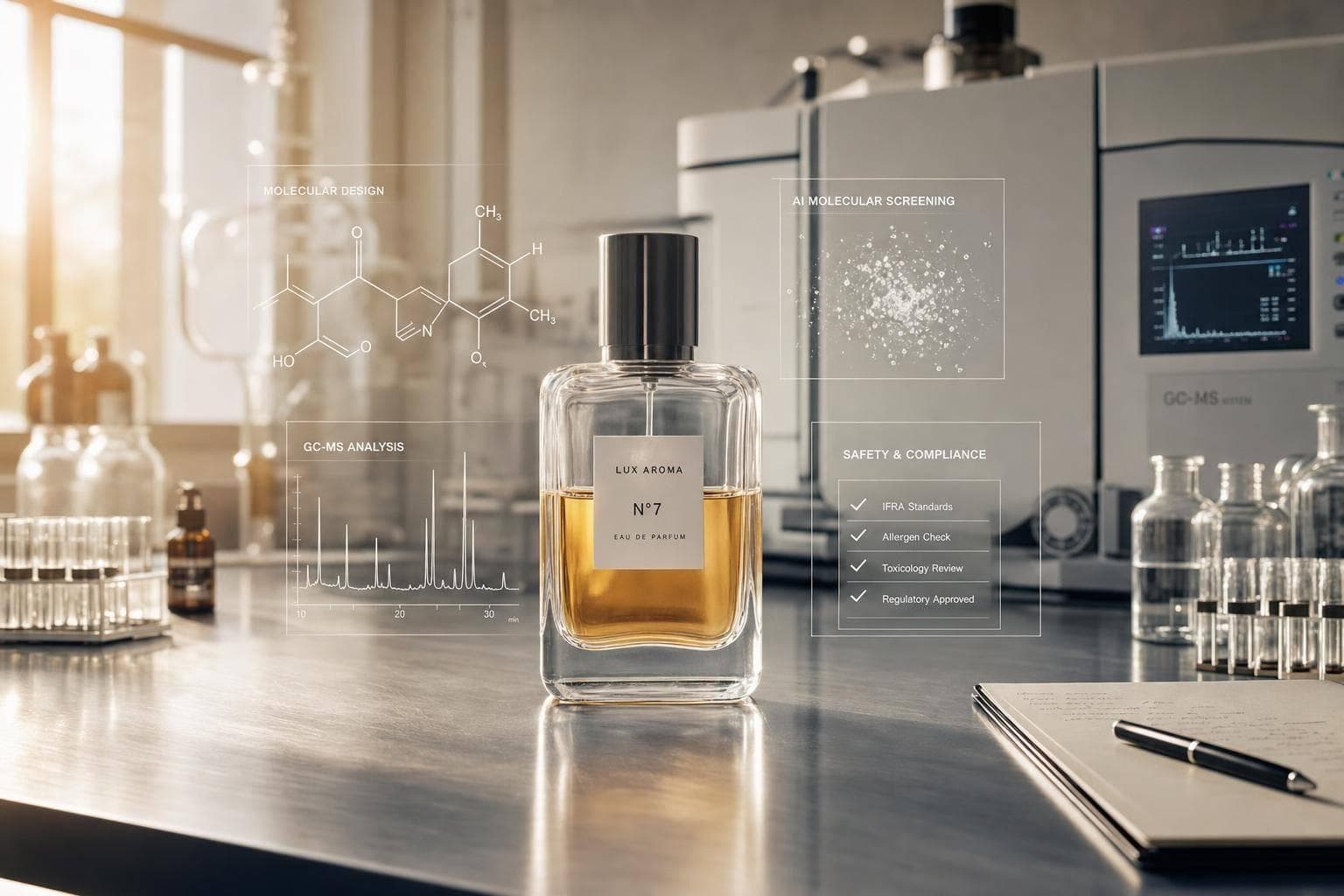
A legtöbb parfüm jóval azelőtt formát ölt a laboratóriumban, hogy a bőrével érintkezne. Röviden így foglalhatnám össze: a vegyészek illatmolekulákat építenek fel és tesztelnek, hogy pontosan szabályozzák az illatot, a tartósságot, a biztonságot és a gyártási tételek egyenletességét – miközben maradéktalanul megfelelnek az uniós előírásoknak.
Íme az áttekintés dióhéjban:
- Az illat a molekuláknál kezdődik: apró szerkezeti változtatások hatására az illat a citrusostól a fásig, vagy a zöldtől a krémesig változhat.
- A laboratóriumok nem kizárólag természetes alapanyagokra támaszkodnak: a növényi kivonatok a termés, a talaj és az éghajlat függvényében változnak, így a szintetikus és félszintetikus anyagok segítenek megőrizni a parfüm egyenletes minőségét.
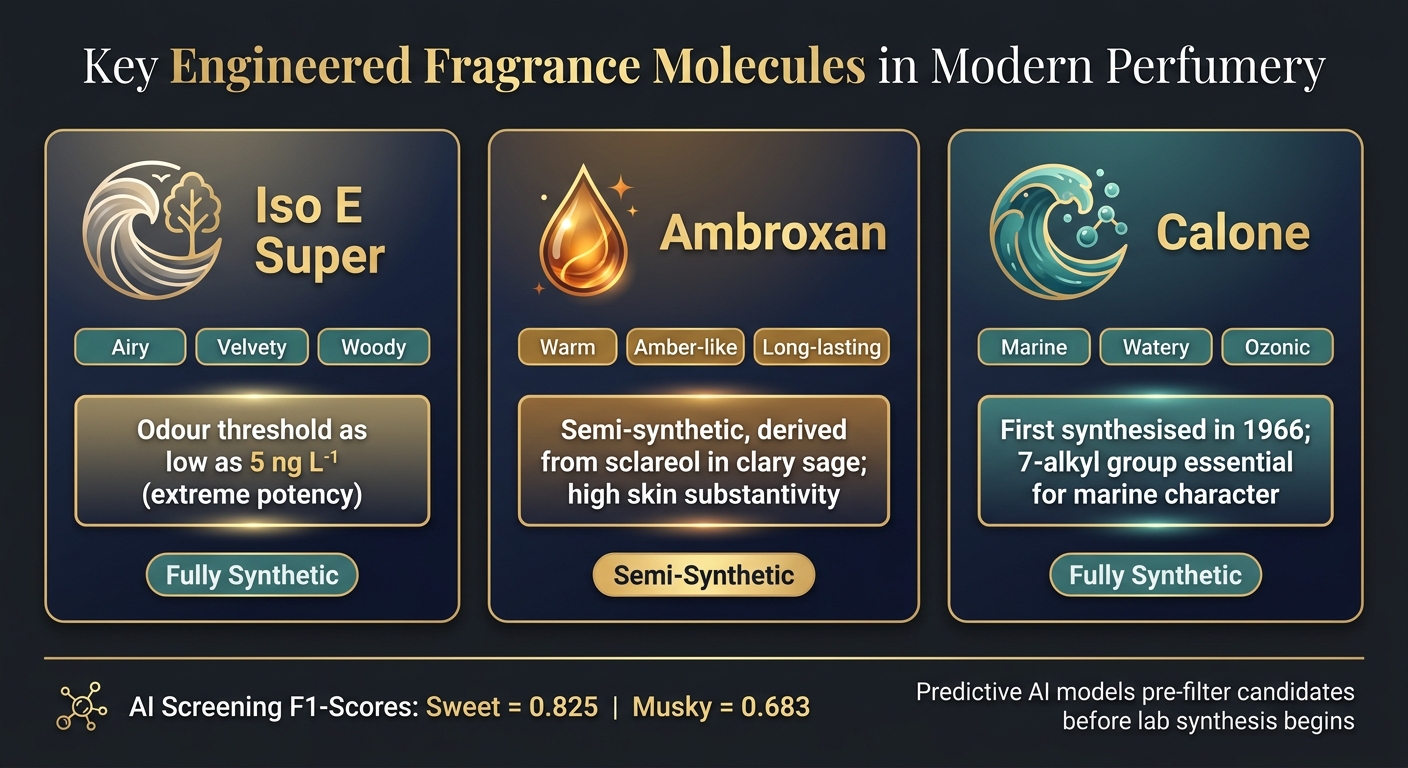
- Ma már számítógépek segítik az ötletek szűrését: az MI-modellek még a laboratóriumi munka megkezdése előtt illat, stabilitás és biztonság alapján rangsorolják a jelölteket. Egy idézett modell 0,825 F1-értéket ért el az édes, és 0,683 értéket a pézsmás illatprofilok esetében.
- Néhány molekula megváltoztatta a modern parfümkészítést: az Iso E Super, az Ambroxan és a Calone mind azt mutatják, hogyan képes egyetlen megtervezett alapanyag egy teljes illatstílust meghatározni.
- A tesztelés szigorú: a minták GC — MS vizsgálaton, headspace-analízisen, szagláspaneles értékeléseken és bőrön végzett teszteken mennek keresztül az első permetezéstől egészen 24 órán át.
- Az uniós jogszabályok közvetlen hatással vannak a formulákra: az allergének jelölésére vonatkozó szabály továbbra is a 0,001 %-os küszöbértéket alkalmazza, és az újabb uniós módosítások további 56 illatallergént vettek fel a listára. Az új termékeknek 31.07.2026-ig kell megfelelniük az előírásoknak.
- A gyártási módszerek is átalakulnak: az aromavegyületek előállítása során ma már számos laboratórium alkalmaz biotechnológiai eljárásokat, enzimeket és kevesebb hulladékkal járó gyártási folyamatokat.
Ha Ön parfümöt visel, mindez sokkal többet számít, mint amilyennek elsőre tűnik. A formulában lévő molekulák határozzák meg, milyen intenzív egy illat aurája, mennyi ideig tart, és hogy ugyanúgy illatozik-e a bőrön, mint az illatcsíkon. Emellett arra is magyarázatot adnak, hogy egyes klasszikus parfümök miért érződnek némileg másnak egy-egy újrafogalmazást (reformulálást) követően.
Amikor tehát a modern parfümkészítésre tekintek, nem pusztán komponensek keverését látom. Molekulatervezést, laboratóriumi szűrést, biztonsági ellenőrzéseket és az uniós megfelelőséget látom, amelyek mind együttműködnek egyetlen üvegben.
Hogyan terveznek a vegyészek új illatmolekulákat?
Key Engineered Fragrance Molecules: Iso E Super, Ambroxan & Calone Compared
Szerkezet-illat összefüggések és célzott illatprofilok
Minden új illatmolekula egy rövid leírással, azaz feladatmeghatározással kezdődik: pontosan milyen illatúnak kell lennie? A vegyészek olyan kifejezéseket vesznek alapul, mint a „levegős fás” vagy a „tengeri”, és ezeket konkrét célértékekké alakítják. Ez általában a diffúzió, a frissesség, a melegség, a tartósság és a leszáradás vizsgálatát jelenti.
Ebből kiindulva olyan jellemzőket vizsgálnak, mint az alak, a méret, a polaritás, a flexibilitás és az illékonyság, hogy irányítsák a kutatást. Sok laboratórium prediktív modelleket használ a lehetőségek szűkítésére, még mielőtt bármit is előállítanának a laboratóriumban.
A szerkezet meghatározó hatással van az illatra, a végső döntést azonban továbbra is az érzékszervi tesztelés mondja ki. Egy apró módosítás a fás illatot fémes jellegűvé változtathatja. A sztereokémia szintén szerepet játszik: ugyanazon molekula két tükörképi változata egészen eltérő illatú lehet.
Számítógéppel segített tervezés, mesterséges intelligencia és prediktív szűrés
A modern parfümlaboratóriumok számítási modelleket alkalmaznak a jelöltek rangsorolására a szintézis előtt. Ezek a modellek illat, diffúzió, tartósság, stabilitás és biztonság alapján végzik a szűrést.
Egy modell 0,825-ös F1-értéket ért el az édes, és 0,683-at a pézsmás illatjegyeknél, ami jól mutatja, miért olyan értékes az MI a szűrési szakaszban. Nem helyettesíti a parfümőr orrát vagy szakértelmét, hanem segít a vegyészeknek és parfümőröknek arra összpontosítani, ami a legnagyobb eséllyel működik.
A modern parfümkészítésben használt kulcsfontosságú tervezett molekulák
Három molekula teszi igazán könnyen érthetővé ezt a folyamatot. Mindegyik megmutatja, hogy a tervezési döntések miként vezethetnek gyökeresen eltérő illathatáshoz.
| Tervezett molekula | Illatprofil | Miért jelentős? |
|---|---|---|
| Iso E Super | Levegős, bársonyos, fás | Rendkívüli hatékonyság; az egyik Iso E Super Plus komponens szagküszöbértéke mindössze 5 ng L⁻¹ |
| Ambroxan | Meleg, ámbrás jellegű, hosszan tartó | Félszintetikus, a muskotályzsályából származó szklareolból nyerik; kiváló bőrön való megmaradás |
| Calone | Tengeri, vizes, ózonos | Először 1966-ban szintetizálták; a 7-alkil-csoport elengedhetetlen a tengeri karakterhez |
Az Ambroxan a félszintézis kiváló példája a parfümkészítésben: egy természetes előanyagból indul ki, és stabil ámbrás jegyet hoz létre.
A Calone új, tengeri irányba terelte a parfümkészítést. A Pfizer vegyészei szintetizálták először 1966-ban, a benzodioxepinek kutatása során. A későbbi szerkezet-illat vizsgálatok kimutatták, hogy a 7-alkil-csoport elengedhetetlen a tengeri illathoz.
Ezt követően a kiválasztott jelöltek a szintézis és a tesztelés szakaszába lépnek.
A parfümlaboratórium kulisszái mögött: szintézis, tesztelés és értékelés
A szintézisasztaltól a mintafiola eléréséig
Amint egy molekulajelölt túljut a számítógépes szűrésen, a vegyészek kis tételekben állítják elő, mindig szem előtt tartva a végső illatprofilt. Célzott reakciókat – például észterezést, hidrogénezést és gyűrűképző lépéseket – alkalmaznak a kívánt szerkezet felépítéséhez. Ezt követően a nyers keveréket tisztításnak vetik alá a melléktermékek eltávolítására.
Ezután az anyagot előkészítik az illatpróbára: a tisztított mintát a vizsgálathoz hígítják, és a nyomon követhetőség érdekében felcímkézik. Ezen a ponton elhagyja a szintézisasztalt, és megkezdődik a műszeres tesztelés.
GC — MS, headspace-analízis és molekuláris profilalkotás
A GC — MS szétválasztja a mintát, azonosítja annak összetevőit és kiszűri a szennyeződéseket. A headspace-analízis a minta vagy virág feletti levegőből gyűjti össze az illékony vegyületeket, majd azokat a GC — MS rendszerbe juttatja. A gázkromatográfiás szagláselemzés (GC — O) visszaemeli az emberi orrot a folyamatba: egy képzett parfümőr valós időben szagolja az egyes kromatográfiás csúcsokat, hogy azonosítsa, mely molekulák formálják valójában az illat karakterét.
Ez azért fontos, mert a mennyiség nem egyenlő a hatással. Egy molekula kis mennyiségben is jelen lehet, miközben képes meghatározni a teljes összbenyomást. A GC — MS, a headspace és a GC — O együtt megmutatja, mi van jelen, mi párolog el, és mi bír illat szempontjából jelentőséggel. Egyszerűen fogalmazva: az illatötletet mérhető kémiává alakítják.
Ezek az eredmények határozzák meg azt, amit a parfümőr az illatcsíkon és a bőrön értékel.
Érzékszervi panelek és viselési tesztek
A műszeres adatok önmagukban nem elegendőek egy molekula jóváhagyásához. Ez a döntés az érzékszervi panelre tartozik: képzett szakemberekre, akik semleges környezetben, 20–23 °C-on dolgoznak. Először illatcsíkokkal kezdenek, majd a bőrre térnek át, rögzítve a változásokat az első percektől egészen 24 órán keresztül.
A bőr egyedi kémiája gyorsan módosíthatja az eredményt, ezért a molekulának több körülmény között is helyt kell állnia. Papíron, bőrön és az ismételt tesztek során egyaránt jól kell teljesítenie. Egy molekula csak akkor sikeres, ha a bőrön is megállja a helyét, nem csupán a fiolában.
Ha egy molekula átmegy ezeken a próbákon, a következő lépcsőfok a biztonsági és hatósági jóváhagyás.
Személyes illatszakértője már várja
Töltse ki rövid illatkvízünket, és fedezzen fel hiteles designer és niche parfümöket, amelyek az ízléséhez illenek – próbálja ki őket 2, 5, 8 és 30 ml-es dekantokban és mintákban, hogy mindegyiket kipróbálhassa, mielőtt teljes flakon mellett dönt.
Találja meg illatátBiztonság, uniós szabályok és fenntartható illattervezés
Uniós kozmetikai szabályozás és az allergének feltüntetése
Miután egy molekula átment az érzékszervi teszten, még egy kapun át kell jutnia: a szabályozási megfelelésen. Németországban a parfümöknek meg kell felelniük az uniós kozmetikai szabályozásnak. Ez a bevezetés előtti biztonsági értékelést és az allergének címkén történő feltüntetését jelenti. Minden olyan illatallergént fel kell tüntetni az összetevők listáján, amelynek koncentrációja meghaladja a 0,001 %-ot.
A szabályozás éveken át 26 illatallergénre vonatkozott ezen küszöbérték felett. Ez változott meg az (EU) 2023/1545 bizottsági rendelettel, amely 16.08.2023-án lépett hatályba, és további 56 illatallergénnel bővítette a kört. Az uniós piacon megjelenő új termékeknek 31.07.2026-ig kell megfelelniük az előírásoknak. A már polcokon lévő termékek esetében a határidő 31.07.2028. Így a vásárlók egy ideig régebbi és újabb címkékkel is találkozhatnak, amelyeken eltérő allergénlisták szerepelnek.
Hogyan formálják a biztonsági határértékek a molekulatervezést?
A biztonsági határértékek nem a háttérben meghúzódó részletek: magát a formulát alakítják. Ha a toxikológiai adatok vagy egy SCCS-értékelés szenzibilizáció, fototoxicitás vagy perzisztencia miatt megjelöl egy molekulát, a vegyészeknek három fő lehetőségük van: újratervezni, csökkenteni a mennyiségét vagy helyettesíteni.
Az újratervezés a funkciós csoportok vagy oldalláncok módosítását jelenti a reaktivitás csökkentése érdekében, miközben az illatprofil a lehető legközelebb marad az eredetihez. A csökkentés azt jelenti, hogy az alapanyag megmarad a palettán, de olyan arányban, hogy a kész parfüm a vonatkozó határérték alatt maradjon – legyen az törvényi felső határ vagy a 0,001 %-os allergénjelölési küszöb. A helyettesítés során a vegyületet egy nem korlátozott aromaanyagra vagy hasonló illatú biotechnológiai összetevőre cserélik.
Jól szemléltetik ezen határértékek közvetlen hatását az olyan korábbi korlátozások, mint a hydroxycitronellal 1 %-os, illetve az isoeugenol 0,02 %-os maximuma valamennyi kozmetikai termékben. Ez az egyik oka annak, hogy egyes klasszikus parfümök ma már nem pontosan ugyanolyan illatúak. Az újrafogalmazás gyakran a szabályozás közvetlen következménye.
Zöld kémia és biotechnológiai megoldások
A biztonság csak az egyik oldala a folyamatnak. A laboratóriumok a hulladék mérséklésére és a gyártási ökológiai lábnyom csökkentésére is törekednek. Egy 2024-es szakfolyóirat-áttekintés három fő utat emelt ki a felelősségteljesebb illatanyaggyártáshoz: megújuló alapanyagok, szelektív szintézis a hulladék minimalizálására, valamint kevesebb szénatomot tartalmazó, intenzív illatanyagok, amelyek lehetőleg biológiailag lebomlanak.
A gyakorlatban ez a következőket jelentheti:
- a petrolkémiai kiindulási anyagok felváltása biomasszából vagy cukorból származó intermedierekkel
- enyhébb körülmények között működő enzimkatalizátorok alkalmazása
- kevesebb lépésből álló és kevesebb oldószerhulladékkal járó szintetikus útvonalak kidolgozása
Az ipari biotechnológia – a fermentáció, a biokatalízis és a mikrobiális termelés révén – ma már nem a parfüripari kutatás-fejlesztés perifériáján helyezkedik el, hanem annak középpontjába kerül. Ezekkel a módszerekkel olyan molekulák állíthatók elő, amelyek kémiailag azonosak a természetes eredetű összetevőkkel, ám nagyobb hatékonysággal, nagyobb volumenben és alacsonyabb környezeti terheléssel, mint egyes régebbi szintetikus eljárások révén.
Amikor tehát megítélnek egy modern aromavegyületet, nem csupán az illata számít, hanem az is, hogyan állították elő.
A laboratóriumban meghozott döntések formálják azokat a parfümöket, amelyeket végül viselünk.
Mit jelent mindez a parfümrajongók számára?
Miért fontosak a tervezett molekulák az Ön által viselt illatokban?
A laboratóriumi kémia határozza meg, hogyan illatozik egy parfüm, meddig tart, mekkora az aurája, és hogyan viselkedik a bőrön. A tervezett molekulák révén a parfümőrök precízebben szabályozhatják az illatprofilt, a szillázst, a tartósságot és a bőrrel való kompatibilitást. Ennek köszönhetően a modern parfümök sokkal finomabban hangolhatók, mint a tisztán természetes kompozíciók.
És amikor az uniós szabályok módosulnak, a formulák is változnak. Az összetétel akkor is átalakulhat, ha az illat összhatása ismerős marad.
Ezért rendkívül fontos a bőrön történő kipróbálás egy teljes üveg megvásárlása előtt.
A modern parfümkészítés felfedezése kisebb kiszerelésekben
A kisebb méretű minták kipróbálása itt válik igazán észszerűvé. A bőr egyedi kémiája megváltoztathatja az eredményt, ezért érdemes először tesztelni. Egy 2 ml-es minta gyakran elegendő a nyitány és az általános karakter megítéléséhez. Egy 5 ml-es vagy 8 ml-es dekant több időt biztosít az illat megismerésére, ami nélkülözhetetlen a leszáradás, a tartósság és a különböző helyzetekben mutatott viselkedés megfigyeléséhez.
A Scento 2 ml-es, 5 ml-es és 8 ml-es fiolákat, valamint a legtöbb parfüm esetében elérhető 30 ml-es dekantüveget kínál több mint 1.000 designer- és nicheritkaságból. Ez elegáns módja annak, hogy felfedezze a különböző molekuláris stílusokat – a fás ámbráktól és a bőrközeli pézsmáktól a tiszta szintetikus jegyekig –, és megtapasztalja, hogyan viselkednek a mindennapi viselés során, mielőtt elkötelezné magát egy teljes, akár €300+ értékű üveg mellett.
Összegzés: A molekulatervezéstől a kész parfümig
Minden kész parfüm a molekulatervezés, a szigorú tesztelés és a szabályozás harmonikus eredménye. A parfümlaboratóriumok a molekuláris mérnöki tudást hívják segítségül az illatkarakter megformálására, a bőrön nyújtott teljesítmény optimalizálására, az uniós előírások betartására, valamint arra, hogy túllépjenek azon, amit a természet önmagában nyújtani képes.
Gyakran Ismételt Kérdések
Hogyan változtatják meg a szintetikus molekulák a parfümöket?
A szintetikus molekulák olyan precizitást, egyenletességet és stabilitást adnak a parfümhöz, amelyet a természetes összetevők önmagukban nem mindig képesek biztosítani. Mivel sarzsról sarzsra kémiailag azonosak maradnak, hozzájárulnak az illatprofil állandóságához és felismerhetőségéhez.
Emellett teret engednek a parfümőröknek olyan illatjegyek megalkotására, amelyek a természetben nem léteznek, mint például az ózonos tónusok vagy a tiszta pézsmák. Ráadásul fixálóként is működhetnek, segítve a fejjegyek hosszabb ideig tartó fennmaradását.
Miért érződhet ugyanaz a parfüm másként a bőrön?
Egy illat kissé eltérően viselkedhet személyenként. Ennek oka, hogy a testkémia, a bőr pH-értéke és a bőrtípus mind befolyásolják, hogyan nyílnak meg, csitulnak el és alakulnak át az illatjegyek a nap folyamán. Szárazabb bőrön az illat gyorsabban elillanhat.
Az időjárás szintén közrejátszik. A páratartalom és a hőmérséklet megváltoztathatja egy parfüm viselkedését, ezért érdemes a saját bőrén több napon át tesztelni, ahelyett, hogy egyetlen viselés alapján ítélné meg.
Megváltoztatják-e az uniós allergénszabályok a parfümök illatát?
Igen, előfordulhat. Az uniós allergénszabályok az összetevők módosítását tehetik szükségessé, ha bizonyos allergének meghaladják a megszabott határértékeket, így a parfümőrök esetenként újrafogalmazzák az illatokat a megfelelőség biztosítása érdekében.
A cél az, hogy a megálmodott illatélmény a lehető legközelebb maradjon az eredetihez, miközben teljesíti a biztonsági előírásokat. A gyakorlatban ez a gondos alapanyag-választáson és az olyan innovatív lehetőségeken múlik, mint a biotechnológia vagy az MI segítségével tervezett molekulák.

