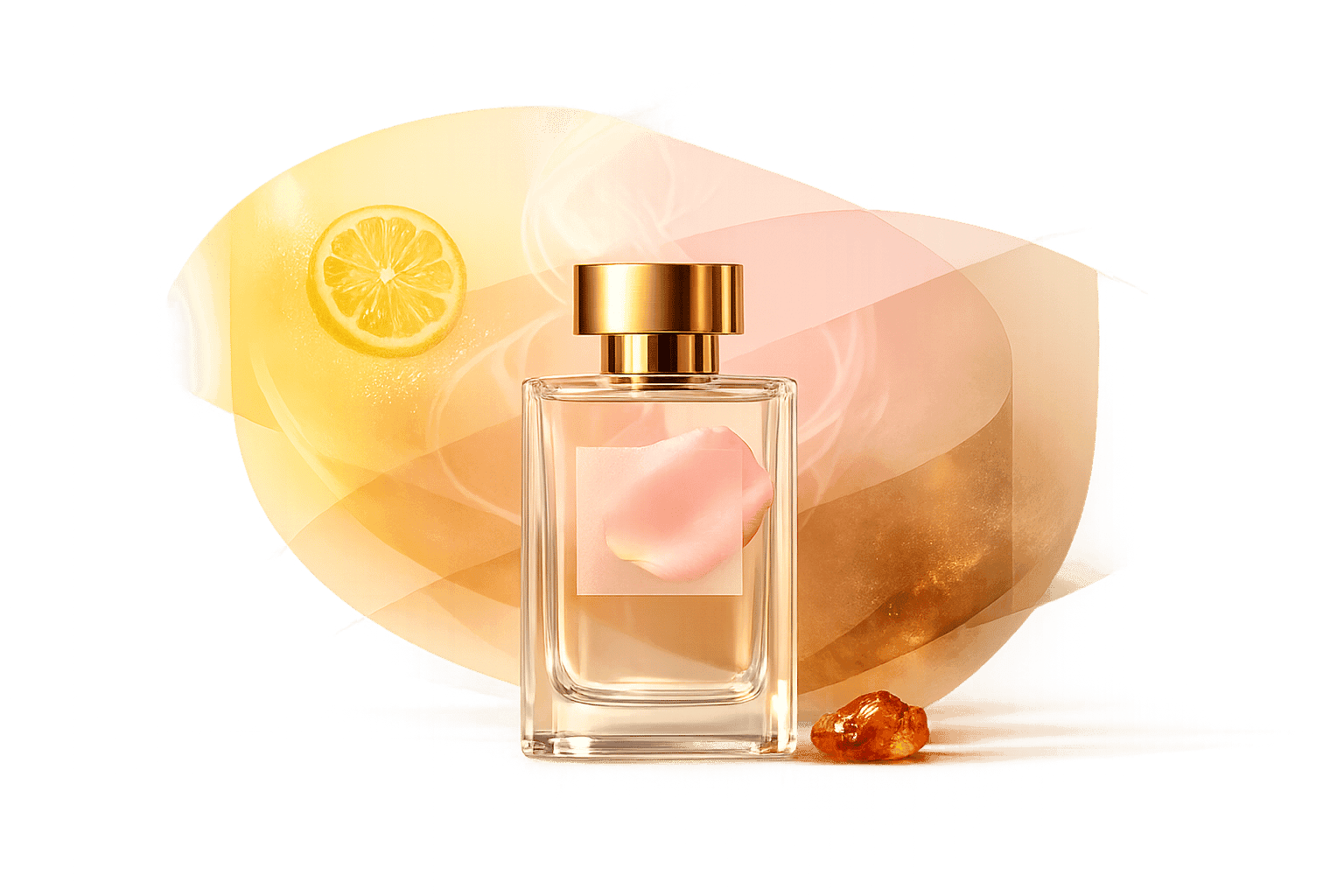
A parfüm több mint egyszerű illat – egy művészeti forma, amely történeteket mesél, érzelmeket idéz fel, és emlékekhez kapcsol bennünket. A forradalmi Chanel No. 5-től az absztrakt ötletek által inspirált modern niche alkotásokig a parfümök a kémiát, a dizájnt és a narratívát ötvözik, hogy erőteljes érzékszervi élményeket teremtsenek.
- Hogyan működik: Az illatok az agy érzelmi és emlékezeti központjaira hatnak, ezért rendkívül személyesek.
- Klasszikus példák: A Chanel No. 5 1921-ben szintetikus aldehideket használt a modernitás szimbólumaként, míg a J’adore, a Dior alkotása, az időtlen eleganciát ünnepli.
- Modern trendek: A niche parfümök ma már szokatlan témákat is felfedeznek, mint például a "kísértetbálnák" vagy a "párolgó szivárványok", egyedülálló önkifejezést kínálva.
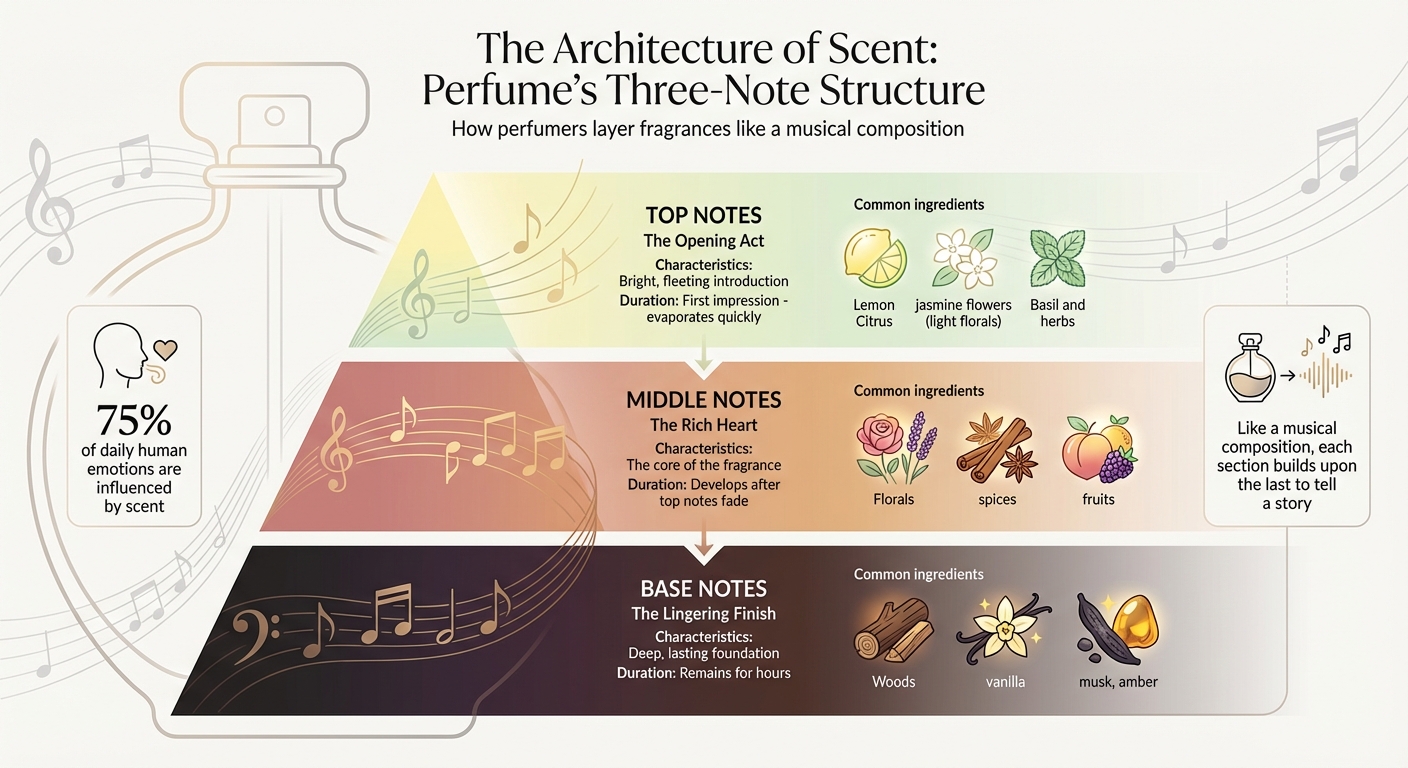
- Az alkotás folyamata: A parfümőrök természetes és szintetikus összetevőket elegyítenek, a fej-, szív- és alapjegyeket egy zenei kompozícióhoz hasonlóan építve egymásra.
A parfüm mára a történetmesélés és az identitás egyik médiumává vált, lehetővé téve, hogy az egyének illatokon keresztül fejezzék ki önmagukat. Az olyan megoldásoknak köszönhetően, mint a decant szolgáltatások, a luxus- és niche illatok felfedezése ma elérhetőbb, mint valaha.
Hogyan tükrözi a parfümkészítés a hagyományos művészeti formákat
A parfümkompozíció háromrétegű szerkezete: fej-, szív- és alapjegyek
A parfümőrök alkotásaikat sokban a festőkhöz vagy zeneszerzőkhöz hasonlóan formálják meg. Természetes és szintetikus alapanyagok széles tárházából válogatnak, majd ezeket úgy elegyítik, hogy olyan művészeti irányzatokat idézzenek meg, mint az impresszionizmus vagy az Art Deco. Míg a kézműves parfümök akár több mint 200 természetes összetevőt is tartalmazhatnak, a tömeggyártott illatok gyakran néhány szintetikus elemre támaszkodnak az egyszerűség és a költséghatékonyság érdekében.
A zenével való kapcsolat még szembeötlőbb. A parfümőrök a fej-, szív- és alapjegyeket egymásra rétegezve hoznak létre érzékszervi utazást – egy ragyogó, múlékony bevezetéssel indulnak, majd egy gazdag szívbe lépnek át, végül pedig egy hosszan megmaradó alapban teljesednek ki. Ez a fokozatosság a zenei kompozíció szerkezetét idézi, ahol minden rész az előzőre épül, hogy történetet meséljen el.
Sok tekintetben a parfümök „folyékony költészetként” működnek. Egy virágos akkord elrepíthet egy virágzó kertbe, míg a fás aláfestés egy árnyékos erdő mélységét idézi meg. Ezek az illatok megkerülik a logikus gondolkodást, és közvetlenül a limbikus rendszert szólítják meg, az agy azon részét, amely az érzelmeket és az emlékezetet irányítja. Kutatások szerint a mindennapi emberi érzelmek közel 75%-át befolyásolja az illat.
A modern parfüméria eszközei a hagyományos művészeti technikákat idézik. A szintetikus molekulák lehetővé teszik, hogy a parfümőrök olyan illatokat hozzanak létre, amelyek a természetben nem léteznek, vagy felerősítsék a természetes aromákat. Az aldehidek például tiszta, szappanos frissességet adnak, amelyet a természetes citrusjegyek nehezen őriznek meg, míg az etil-vanillin a természetes vanílián túlmutató édességet kölcsönöz. Ahogy Frédéric Malle illatszerkesztő fogalmaz:
A parfümériában mindig is a Szent Grál volt, hogy rendkívül friss illatokat alkossunk, amelyek tartósak.
Hogyan idéznek fel az illatok érzelmeket és emlékeket
Egyetlen illat azonnal visszarepíthet – legyen szó a nagymamád konyhájáról, egy nyári utazás izgalmáról vagy az első randevú pillangóiról a gyomorban. A parfümőrök tudatosan építenek erre az erőre, olyan illatokat alkotva, amelyek nosztalgiát, meghittséget vagy akár feszültséget keltenek. A vizuális vagy auditív művészetekkel ellentétben az illat kikerüli az agy elemző részét, és ősi szinten kapcsolódik közvetlenül az érzelmekhez.
A modern parfümőrök egyre tovább tolják ezeket a határokat. Nem csupán emlékeket rekonstruálnak, hanem absztrakt gondolatokat értelmeznek újra – megragadják az új sportcipők esszenciáját, a motorolaj nyers karakterét, vagy akár egy kísértetbálna baljós jelenlétét. Ezek a képzeletgazdag kompozíciók az illatot az érzelmi történetmesélés médiumává emelik, és mélyen rezonáló élményeket teremtenek.
A parfümőrök alkotói folyamata
Egy illat megalkotásának útja sokban hasonlít egy regény megírásához vagy egy mestermű megfestéséhez. Minden egy koncepcióval kezdődik – például „kert hajnalban” vagy „élet a tengeren” –, amely alapként szolgál. Innen a parfümőrök felépítik az illat szerkezetét, ahol a meghatározott akkordok alkotják a vázat. Egy gyöngyvirág-jegy például központi témát adhat, míg a további összetevők mélységet és összetettséget visznek a kompozícióba.
Amikor klasszikus illatokhoz nyúlnak vissza, a parfümőrök gyakran úgy írják le a folyamatot, mint „freskók restaurálását”. Céljuk, hogy megőrizzék az eredeti lényegét, miközben kortárs közönség számára frissítik fel azt. 2025-ben a Guerlain parfümőre, Delphine Jelk kiválóan példázta ezt a megközelítést, amikor a Shalimar L’Essence vaníliáját felerősítette a 100. évforduló megünneplésére. Ahogy ő fogalmazott:
Azt szerettem volna, hogy a Shalimar még száz évig éljen... Ma már nem ugyanazt akarjuk; ugyanazt az érzelmet akarjuk.
A hagyomány és a modernitás e finom egyensúlya határozza meg a parfümészet művészetét, formálva az ikonikus illatok mögötti történeteket, és megalapozva az illattörténelem következő fejezetét.
A híres parfümök mögötti történetek
Chanel No. 5: Forradalom egy üvegben
Coco Chanel gyökeresen megváltoztatta, ahogyan az emberek az illatokról gondolkodtak. Eltávolodott az egynemű virágos kompozícióktól, és gyermekkori emlékeiből merített ihletet: a friss ágyneműk és a szappan illatából abban az árvaházban, ahol felnőtt. Célja? Egy olyan illat megalkotása volt, amely megragadja a nő esszenciáját.
1921-ben Ernest Beaux parfümőr váltotta valóra ezt a víziót azzal, hogy a szintetikus aldehideket addig soha nem látott módon használta – 0,7% és 1,2% közötti mennyiségben adagolta a formulához. Ettől kapta a Chanel No. 5 jellegzetes, szikrázó karakterét, amelyet pusztán természetes összetevőkkel nem lehetett volna elérni. Chanel híresen így jellemezte:
Egy nő parfümje, a nő illatával.
A parfüm mögötti stratégia legalább ilyen merész volt. 1924-ben Chanel Pierre Wertheimerrel társult, és létrehozták a Parfums Chanelt; a globális gyártási szakértelemért cserébe lemondott az illatrészleg 70%-áról. Ez a partnerség tette lehetővé, hogy a márka az 1930-as évek végére 90 országban legyen jelen, és új mércét állítson a luxusmárkák növekedésében. Hatása ma is tagadhatatlan: évente mintegy 10 millió üveget adnak el belőle – egyet minden 30. másodpercben. Marilyn Monroe 1954-es vallomása, miszerint éjszakára „csak néhány csepp No. 5”-öt viselt, becslések szerint 30%-kal növelte az amerikai eladásokat.
Az elegáns, négyzetes üveg is kiérdemelte helyét a történelemben. 1959-ben a New York-i Museum of Modern Art felvette gyűjteményébe, és a modern formatervezés ikonjaként ünnepelte. A Chanel No. 5 nem csupán az illatot definiálta újra – azt is megmutatta, miként fonódhat össze a szépség és az üzlet világa.
Dior J’adore: Az elegancia ünnepe
A Dior J’adore a Christian Dior 1947-es „New Look” szellemiségét ragadja meg, a nőiesség háború utáni ünneplését. A Grasse-ból származó, kiváló minőségű jázmin abszolúttal készült illat hidat képez az időtlen hagyomány és a kortárs vonzerő között. Gondosan megalkotott összetevőinek harmóniája egy maradandó eszmét tükröz: az elegancia nem a trendek követéséről szól, hanem valami időtálló megtestesítéséről. Ez a filozófia különíti el a J’adore-t, kifinomult ellenpontot kínálva más ikonikus márkák niche történeteivel szemben.
Serge Lutens: Az illat mint költészet
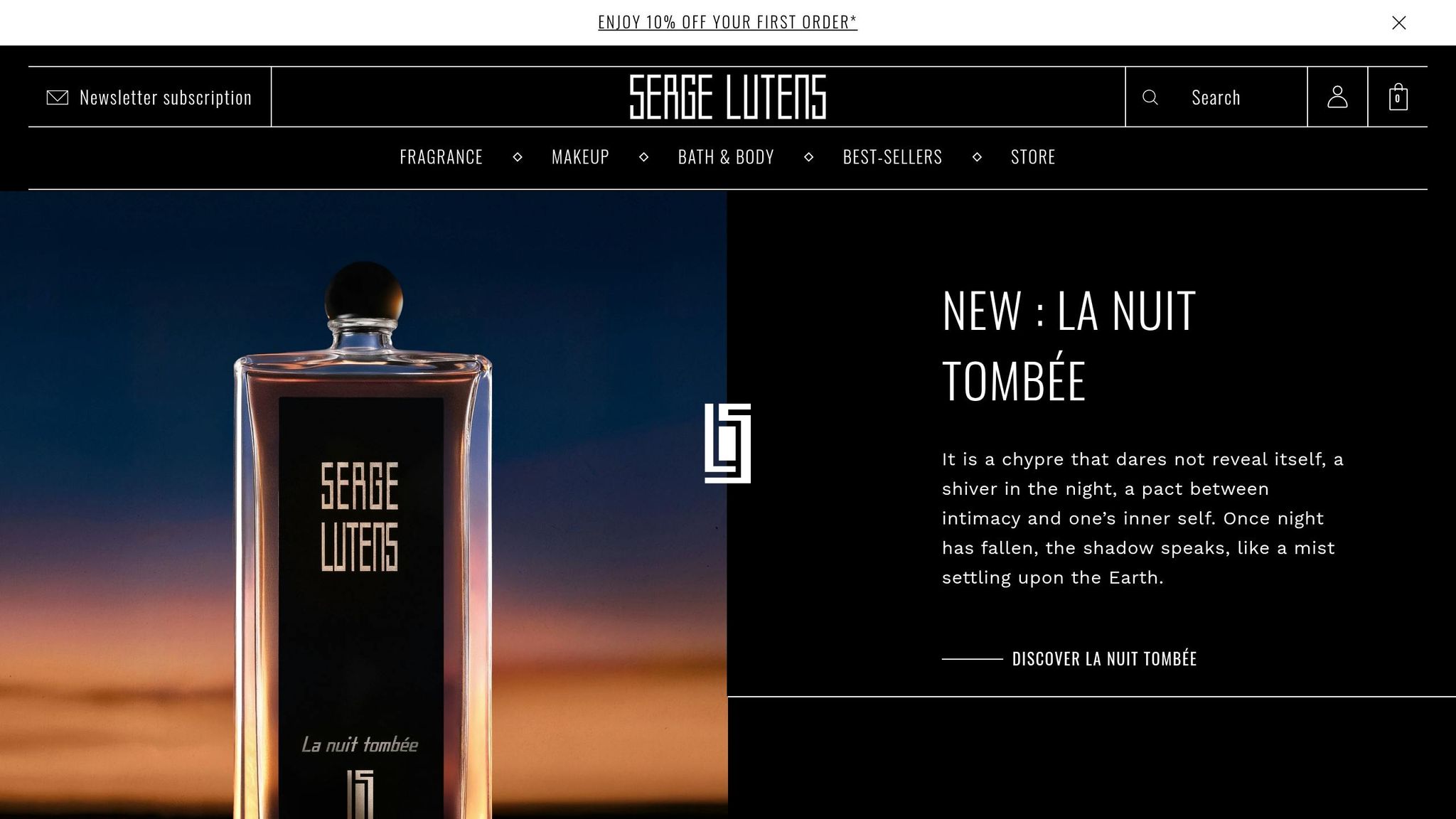
Serge Lutens számára a parfüm több mint kellemes illat – művészeti forma. Niche alkotásai szorosan kapcsolódnak az érzelmekhez, az intellektushoz és a történetmeséléshez, minden illat egy meghatározott gondolat vagy narratíva köré épül. Lutens nem egyszerűen parfümőrként tekint magára; inkább „érzelmek kereskedőjének” nevezi magát, hangsúlyozva munkája mögött rejlő művészetet és gondolati mélységet.
Lutens szerint egy nagy parfüm történetet mesél. Legyen ihletője irodalom, egy érzelem vagy absztrakt művészet, illatai a szagot viselhető költészetté alakítják. Minden alkotása arra hívja viselőjét, hogy valami mélyebbet éljen át, így munkássága valódi felfedezése annak, mire képes az illat.
Személyes illatszakértője már várja
Töltse ki rövid illatkvízünket, és fedezzen fel hiteles designer és niche parfümöket, amelyek az ízléséhez illenek – próbálja ki őket 2, 5, 8 és 30 ml-es dekantokban és mintákban, hogy mindegyiket kipróbálhassa, mielőtt teljes flakon mellett dönt.
Találja meg illatátHogyan használják a modern illatkedvelők az illatot önkifejezésre
A niche és személyre szabott illatok iránti növekvő kereslet
A parfüm ma már több mint kellemes aroma – történetmesélés, annak csendes kifejezése, kik is vagyunk. Az illatrajongók olyan kompozíciókat keresnek, amelyek túlmutatnak a felszínen, érzelmeket ébresztenek, és egyedi identitásukat tükrözik. Michael Nostrand, a Mythologist Studio alapítója így írja le ezt az átalakulást:
Az emberek egyre inkább olyan illatokat akarnak, amelyek éreztetnek velük valamit... többet keresnek egy szagnál, egy érzetet keresnek.
A japán fürdőkultúra hagyományai által ihletett illatoktól a kísértetbálna hátborzongató hangjára komponált kreációkig ezek az illatok többet kínálnak egy egyszerű összetevő-keveréknél – képzeletbeli világokba hívják viselőiket. Olyan önkifejezést tesznek lehetővé, amely éppoly rétegzett és összetett, mint az e kompozíciók mögött rejlő történetek. Egyértelmű, hogy sokak számára a parfüm mögötti narratíva legalább annyira vonzó, mint maga az illat.
Ez a növekvő vágy a jelentéssel teli, történetvezérelt illatok iránt tökéletesen összekapcsolódik az illatok felfedezésének és megismerésének innovatív módjaival.
Illatok felfedezése a Scento segítségével

Ahogyan egy nagyszerű illat történetet mesél, úgy a modern eszközök, mint a Scento, minden eddiginél könnyebbé teszik, hogy megalkosd a sajátodat. Korábban egy illatkollekció felépítése gyakran vakmerő döntést jelentett: drága, teljes méretű üvegeket kellett megvásárolni, amelyek közül néhány végül érintetlen maradt. A Scento új alapokra helyezi ezt a folyamatot azzal, hogy kisebb, utazásbarát decantokat kínál 2 ml-es, 5 ml-es és 8 ml-es fiolákban, a legtöbb parfüm esetében pedig 30 ml-es dekantüvegben is. Így lehetőséged nyílik arra, hogy luxus- és niche illatokat tapasztalj meg anélkül, hogy egy teljes üveg magas árára kellene elköteleződnöd.
Ez a megközelítés szabadságot ad a kísérletezésre, és arra, hogy illatválasztásaidat a hangulatodhoz vagy az alkalomhoz igazítsd. Talán a citrusos és zöld jegyek felé hajlasz a nap friss indításához, délutánra az íriszt és a vetivert választod az elegancia jegyében, vagy estére a gazdag orientális és ámbrás tónusok után nyúlsz a felejthetetlen hatásért. A Scento több mint 1 000 designer és niche opciót felvonultató kínálatával, valamint a körülbelül 120 fújásra elegendő 8 ml-es fiolákkal nyomás nélkül fedezheted fel és finomíthatod saját szignatúraillatodat, teljes méretű vásárlás nélkül.
Összegzés
A parfüméria az a pont, ahol a tudomány találkozik a művészettel, és a technikai szakértelem az érzelmi történetmesélés erejével egyesül. Ahogyan Francis Kurkdjian, a Christian Dior parfümalkotási igazgatója találóan megfogalmazza:
Egy igazán nagy parfüm sokkal több, mint pusztán egy illat. Kell, hogy álljon mögötte egy gondolat. Kell, hogy legyen egy története.
A Chanel No. 5 1921-es, szintetikus aldehideket felvonultató úttörő bemutatkozásától a 2000 és 2020 között piacra dobott több mint 12 000 niche illat robbanásszerű megjelenéséig az illatok világa továbbra is képes palackba zárni az emberi tapasztalatokat úgy, hogy azok mélyen rezonálnak bennünk. Ezek az ikonikus alkotások emlékeztetnek rá, mennyire szorosan kapcsolódik a szaglás az emlékezethez, az érzelmekhez és az identitáshoz, így a parfümök jóval többet jelentenek egyszerű arománál.
A jelenlegi illatpiac virágzik, és végtelen lehetőségeket kínál a felfedezésre és az önkifejezésre. Mivel a luxusparfüm-piac értéke a várakozások szerint a 2023-as 12,6 milliárd euróról 2032-re meghaladja a 20 milliárd eurót, egyre többen keresnek olyan illatokat, amelyek saját történetüket tükrözik. Akár a klasszikus illatok időtlen eleganciája vonz, akár a niche márkák merész narratívái, létezik egy illat, amely megszólítja a te utadat is. Ez a pezsgő világ mindenkit arra hív, hogy felfedezze a hozzá valóban közel álló illatokat.
Nem kell 335 eurót költened a Baccarat Rouge 540-ra, vagy több mint 10 000 eurót áldoznod egy egyedi kreációra ahhoz, hogy megtapasztald a parfüméria varázsát. Találj olyan illatokat, amelyek megérintenek, emlékeket idéznek, és kifejezik egyéniségedet – mert végső soron az illat a saját történeted elmeséléséről szól.
GYIK
Miért idéznek fel bizonyos parfümök erőteljes emlékeket?
Bizonyos parfümök különleges képességgel bírnak arra, hogy erőteljes emlékeket idézzenek fel. Ennek oka, hogy a szaglás közvetlen kapcsolatban áll a limbikus rendszerrel – az agy azon részével, amely az emlékezetért és az érzelmekért felel. Ennek eredményeként az illatok gyakran összefonódnak meghatározott pillanatokkal vagy érzésekkel, és egy ismerős illat újraélhető közelségbe hozza a múlt élményeit.
Mi a különbség a fej-, szív- és alapjegyek között?
Amikor először felviszel egy parfümöt, a fejjegyek köszöntenek – ezek azok az első, múlékony illatok, amelyek az első benyomást adják. Ahogy ezek halványulni kezdenek, előtűnnek a szívjegyek (gyakran szívillatnak is nevezik őket), amelyek a parfüm magját alkotják, és megadják annak valódi karakterét. Végül az alapjegyek kerülnek a középpontba, mélységet adva és maradandó nyomot hagyva. Ezek a rétegek tökéletes összhangban dolgoznak együtt, hogy létrehozzák a teljes illatutazást.
Hogyan találhatom meg a saját szignatúraillatomat anélkül, hogy teljes üvegeket vásárolnék?
Ha teljes üvegek megvásárlása nélkül szeretnéd megtalálni a saját szignatúraillatodat, érdemes kisebb kiszerelésű mintákat vagy decantokat kipróbálnod, például 2 ml-es, 5 ml-es és 8 ml-es fiolákban, a legtöbb parfüm esetében pedig 30 ml-es dekantüvegben is. Ezek a kisebb opciók lehetővé teszik, hogy különböző illatokat fedezz fel, és megtudd, melyek állnak legközelebb az ízlésedhez. Számos márka kínál művészi vagy limitált kiadású illatokat is mintás formában, így lehetőséged nyílik arra, hogy megismerd egy parfüm esszenciáját és személyiségét, mielőtt elköteleződnél egy teljes méretű üveg mellett.

