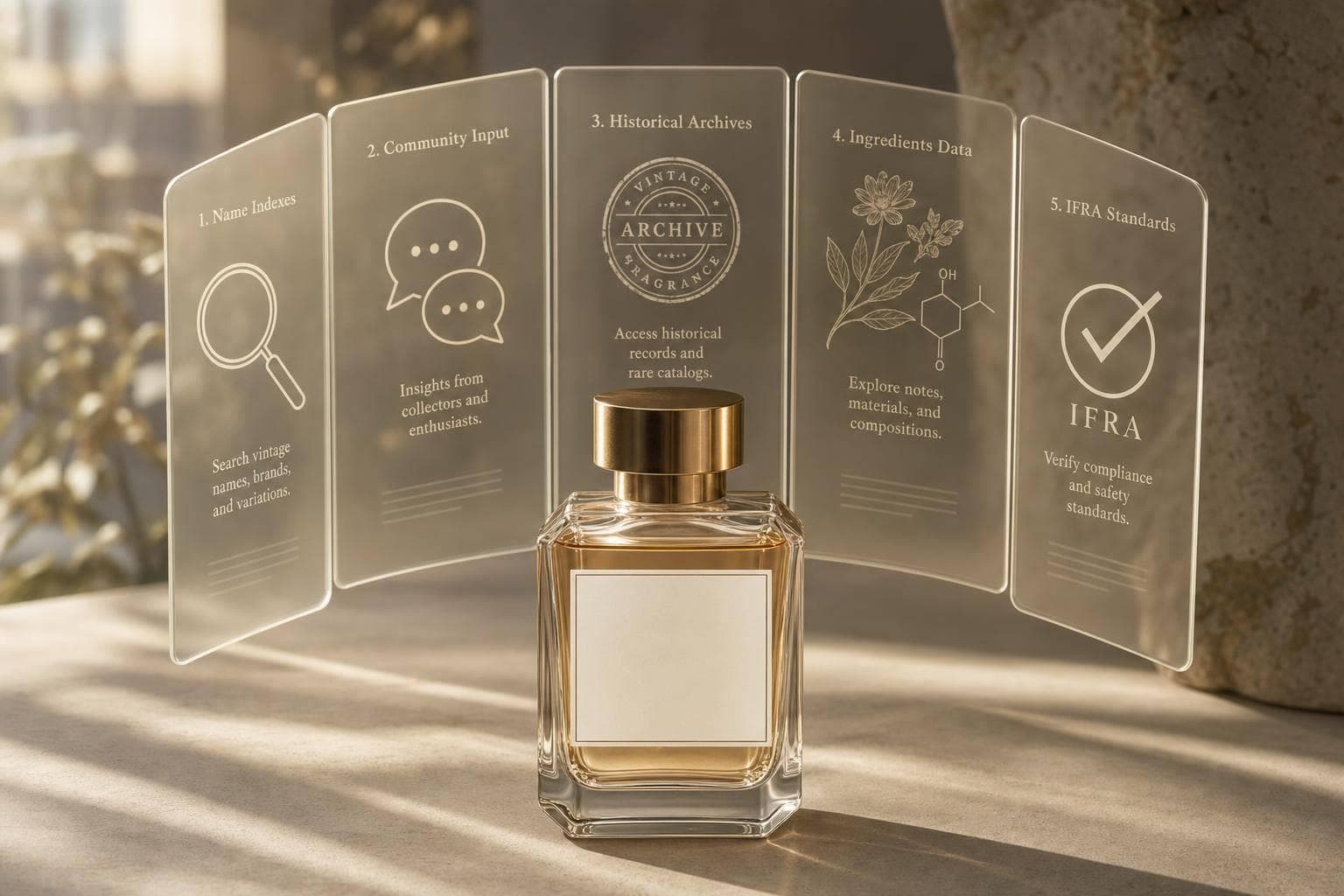
Ha egy ritka parfüm nyomára kell bukkannom, sosem bízom egyetlen adatbázisban önmagában. A legbiztosabb út egyszerű: kezdje egy átfogó névmutatóval, ellenőrizze az üvegfotókat és a kiadási jegyzékeket, majd erősítse meg archív vagy összetevő-forrásokból.
Ebben az útmutatóban a következő sorrendet javaslom:
- Fragrances of the World az első név szerinti egyezéshez
- Fragrantica az illatjegyekhez, üvegképekhez és felhasználói véleményekhez
- Parfumo a gyártási státusz és a változatok ellenőrzéséhez
- Basenotes a régi fórumtémákhoz és a csomagolástörténethez
- Osmothèque a parfümtörténeti örökséghez és a megszűnt formulák feljegyzéseihez
- Perfume Intelligence a korabeli képekhez, az elnevezések történetéhez és a megjelenési adatokhoz
- Összetevő-adatbázisok a formulák és az IFRA-szabályok ellenőrzéséhez
Ha éppen €100 to €300 közötti összeget készülnék kiadni egy ritka üvegért, legalább két forrásból tájékozódnék, régebbi illatok esetében pedig háromból. Ez jelentősen csökkenti annak kockázatát, hogy összetévesszen egy újrakiadást, egy átnevezést vagy egy későbbi reformulációt.
Gyors összehasonlítás:
| Forrás | Legjobb felhasználási terület | Fő korlát |
|---|---|---|
| Fragrances of the World | Gyors első egyezéskeresés | Kevés vizuális részlet |
| Fragrantica | Illatjegyek, vélemények, megjelenési háttér | Felhasználók által megadott státuszállítások |
| Parfumo | Gyártási státusz és változatok | Néhány ritkább illat hiányzik |
| Basenotes | Fórumtörténet és verzióváltozások | Szűkszavú adatbázisoldalak |
| Osmothèque | Történeti archívumok ellenőrzése | Korlátozott nyilvános hozzáférés |
| Perfume Intelligence | Korabeli képek és névleszármazás | A teljes hozzáférés díjköteles lehet |
| Ingredient databases | Formula-hitelesség és szabályváltozások | Túl technikai jellegű az alapvető azonosításhoz |
A rövid válasz tehát: először használja az átfogó adatbázisokat, másodikként az archív forrásokat, legvégül pedig a kémiai összetevő-forrásokat.
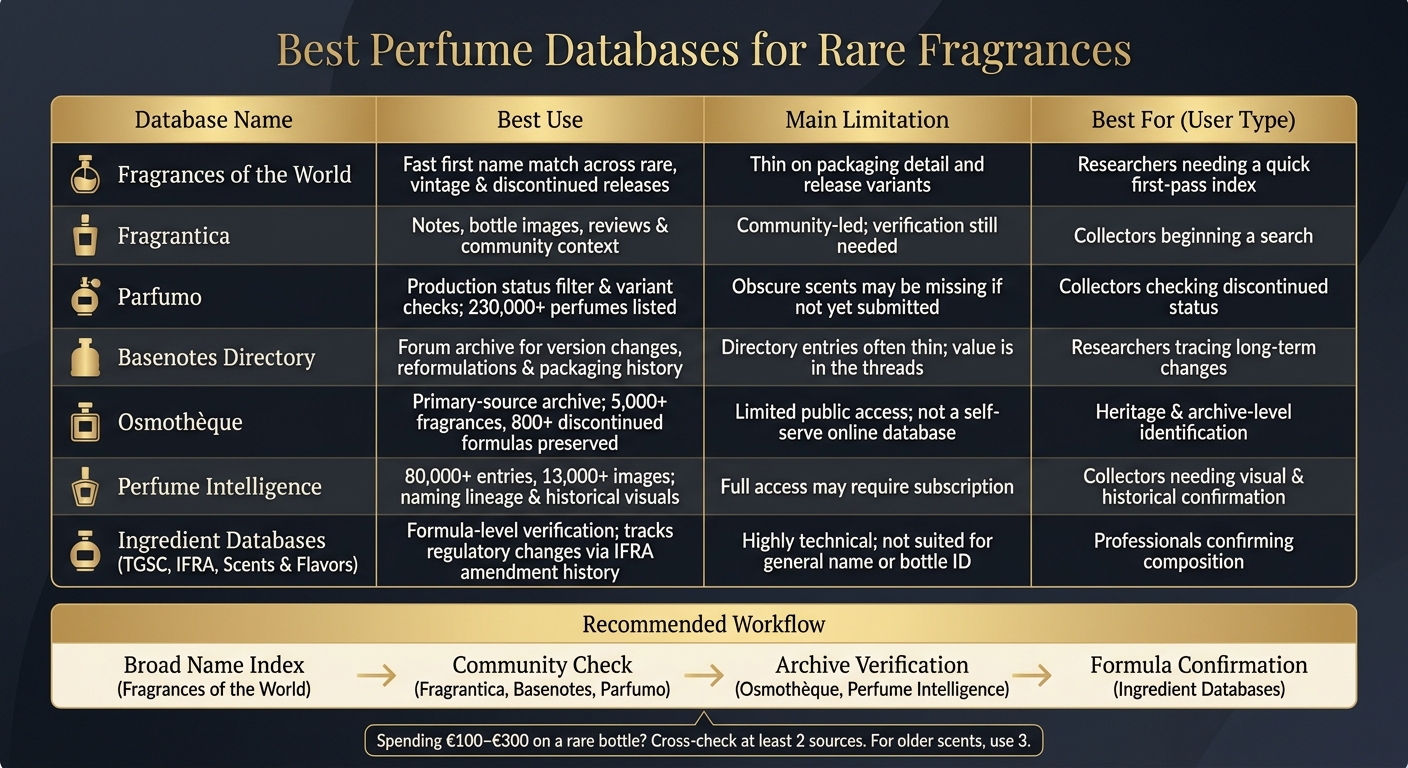
Best Perfume Databases for Rare Fragrances: Quick Comparison Guide
1. Fragrances of the World
Ezt az adatbázist érdemes először felkeresni, ha már rendelkezik egy parfümnévvel, és gyors egyezésre van szüksége.
A Fragrances of the World a legalkalmasabb kiindulópont a ritka, vintage vagy megszűnt parfümnevek első áttekintésére. Segít leszűkíteni a lehetőségeket anélkül, hogy többet állítana magáról, mint ami. Ez döntő fontosságú, hiszen a régebbi illatoknál egy közeli egyezés még könnyen lehet téves.
Kezelje elsősorban névegyeztető eszközként. Ha pontos egyezésre van szüksége, közvetlenül ellenőrizze az adatbázis lefedettségét. Amint talál egy megfelelő bejegyzést, lépjen tovább olyan forrásokra, amelyek üvegfotókat és kiadási variációkat is bemutatnak, így megerősítheti a csomagolás változásait és a kiadási előzményeket.
2. Fragrantica
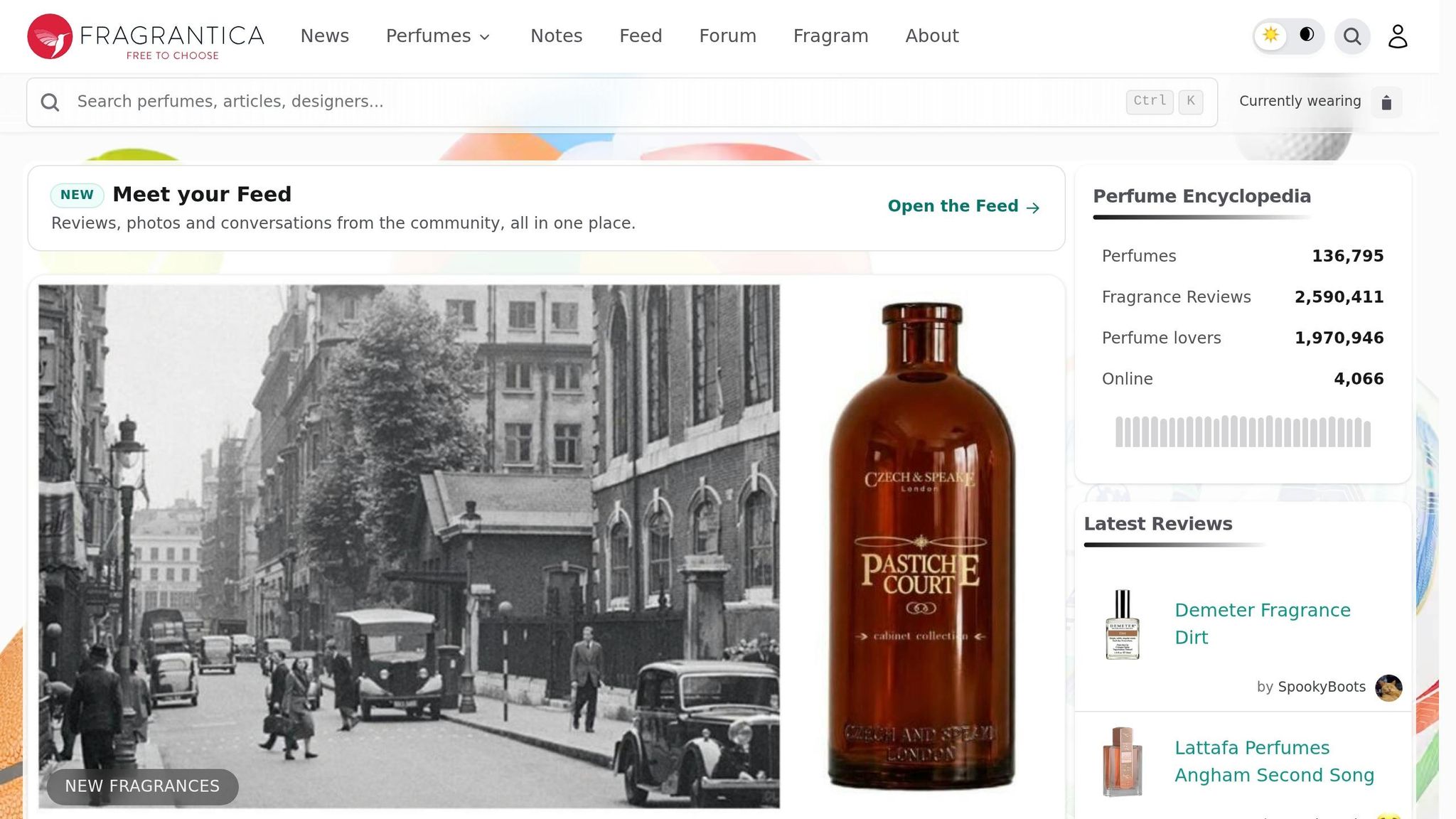
Míg a Fragrances of the World abban segít, hogy nevet rendeljen az illathoz, a Fragrantica révén ellenőrizheti, hogy ez a név valóban összhangban van-e az üveggel, az illatpiramissal és a megjelenési előzményekkel.
Akkor érdemes a Fragrantica felületéhez fordulni, ha egy egyszerű névegyezés nem nyújt elég támpontot. Ez egy közösség által működtetett parfümenciklopédia, ami rendkívül lényeges. A márkák hivatalos nyilvántartásai gyakran hiányosak – különösen a régebbi alkotások, a limitált kiadások vagy az idővel megváltoztatott üvegek esetében. A Fragrantica ezeket a hézagokat gyakran olyan értékelésekkel, fórumbejegyzésekkel és bejegyzésrészletekkel tölti ki, amelyek messze túlmutatnak az alapadatokon.
Lefedettségi mélység
A Fragrantica az egyik legjelentősebb parfümadatbázis a világon. Éppúgy felöleli a vezető divatházakat, mint a Chanel és a Dior, mint az olyan niche neveket, mint a Byredo és a Le Labo. Ennek köszönhetően felbecsülhetetlen segítség, amikor ritkább darabokat kutat fel, vagy gyűjtői szempontú keresést végez.
Egy tipikus bejegyzés a következőket tartalmazza:
- márka
- parfümőr (ha ismert)
- megjelenési év
- illatcsalád
- teljes illatpiramis
- közösségi visszajelzések a tartósságról és a hatótávról (sillage)
Ez az összeállítás segítséget nyújt akkor, ha két üveg első pillantásra szinte azonosnak tűnik, ám kiderül, hogy eltérő korszakokból vagy formulákból származnak.
Megszűnt státusz és hitelesítés
A Fragrantica oldalán nem mindig található meg a hivatalos „discontinued” (megszűnt) jelölés. A legtöbb esetben ez az információ a közösség hozzászólásaiból derül ki. A véleményezők és a fórumozók gyakran rámutatnak arra, ha egy illat már szinte csak a szürkepiacon vagy aukciós oldalakon bukkan fel.
Ez rendkívül hasznos támpont, de önmagában nem tekinthető bizonyítéknak. Érdemes inkább megbízható közösségi nyomként, mintsem hivatalos márkaállásfoglalásként kezelni.
A legcélravezetőbb egy egyszerű ellenőrzés: először látogasson el a márka hivatalos weboldalára, majd mérje fel a készletet a hivatalos forgalmazóknál. Ha egy €100–€300 közötti üveg megvásárlását fontolgatja, feltétlenül érdemes megtenni ezt a plusz lépést, mielőtt végleg megszűntnek könyvelné el a parfümöt.
Történeti és vizuális háttér
A Fragrantica bejegyzései gyakran feltüntetik a kiadás évét, az üvegről készült fotókat és az illatszerkezet vizuális ábrázolását. Ezek a finom részletek döntőek lehetnek, ha egy vintage kiadást szeretne megkülönböztetni a jelenlegitől. Bizonyos esetekben akár egyetlen pillantással meghatározhatja az üveg gyártási korszakát is.
A közösségi tartalom további értékes kontextust nyújt. A beszélgetésekben gyakran esik szó a batch-különbségekről (gyártási tételekről) vagy reformulációkról. Ez rendkívül hasznos, ha egy kora kétezres évekbeli illatra emlékszik vissza, és szeretné megtudni, hogy a ma kapható üveg pontosan ugyanazt a kompozíciót rejti-e.
Ritka vagy magas árfekvésű üvegek esetén a Fragrantica vásárlás előtti szűrőként válik be a legjobban. Segítségével szűkítse le a kiválasztottakat, majd a vásárlás előtt hitelesítse a hirdetés adatait.
A gyűjtői szempontú, alaposabb összehasonlításhoz érdemes a Parfumo felületén folytatni a kutatást.
3. Parfumo
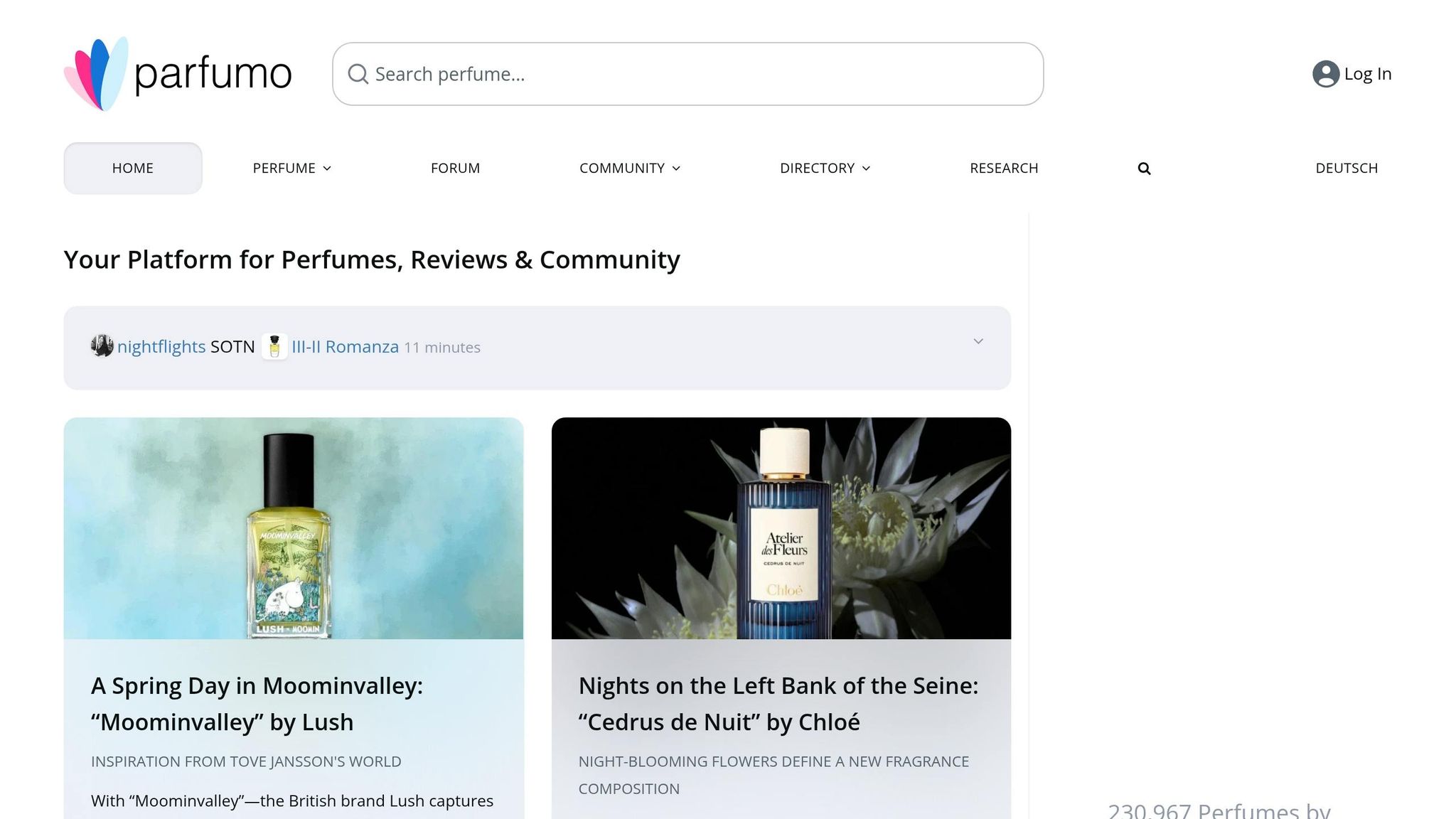
A Parfumo általában a következő logikus lépés, ha egy parfümnév egyezése után ellenőrizni szeretné a státuszt vagy a változatokat. Ez egy strukturált, közösség által gondozott adatbázis, amely különösen hasznos a kevéssé ismert és a gyártásból kivont illatok esetében. Mivel a platform mély német gyökerekkel rendelkezik, az itteni olvasók számára is kézenfekvő választás.
Lefedettségi mélység
A Parfumo jelenleg több mint 230.000 parfümöt számlál. A bejegyzések többnyire tartalmazzák a márkát, a töménységet, a parfümőrt, az akkordokat, az illatpiramist, valamint az illatra, tartósságra, szillázsra, üvegkialakításra és ár-érték arányra vonatkozó értékeléseket. Ez a felépítés megkönnyíti az aktív kiadások és a megszűnt darabok szétválasztását.
Megszűnt státusz
A Parfumo egyik legpraktikusabb funkciója a gyártási státusz szűrője. Kifejezetten rákereshet a gyártásból kivont alkotásokra, a saját virtuális parfümgardróbjában pedig elég az egérmutatót az üveg képe fölé vinni, hogy lássa: az adott tétel még gyártásban van-e, vagy megszűnt.
Ez kiváló elsődleges ellenőrzés. Ha azonban a pontosság kiemelten fontos, érdemes az eredményt összevetni a márkaoldalakkal, a kiskereskedelmi kínálattal vagy a hivatalos közleményekkel.
Hitelesítési források
A Parfumo beküldési és ellenőrzési folyamatot alkalmaz az új tételeknél és javításoknál, előnyben részesítve a hivatalos márkaforrásokat a frissítések jóváhagyása előtt. Ez jelentős előnyt biztosít a teljesen szabadon szerkeszthető adatbázisokkal szemben.
Ugyanakkor az igazán ritka kincsek hiányozhatnak a rendszerből, ha még senki sem rögzítette őket. Amint megjelenik egy bejegyzés, hasonlítsa össze az üvegfotókkal és a csomagolás részleteivel a pontos egyezés érdekében.
Történeti és vizuális háttér
Számos bejegyzéshez tartoznak üvegfotók és csomagolási referenciák, amelyek segítenek igazolni, hogy egy adott hirdetés összhangban van-e egy bizonyos gyártási szériával. A közösségi vélemények gyakran a reformulációkra is felhívják a figyelmet.
A gyűjtői szintű kutatásokhoz a Similar Scents (hasonló illatok) és Comparison (összehasonlítás) funkciók adnak újabb dimenziót, lehetővé téve a parfümök vizsgálatát a közös jegyek és a felhasználói értékelések alapján.
4. Basenotes Directory
A Basenotes akkor a leghasznosabb, ha az adatbázis bejegyzése szűkszavú, és a fórumarchívum fontosabb támpontot nyújt, mint maga a profil. A Parfumo kiváló a strukturált bejegyzésekhez és státuszszűrőkhöz, a Basenotes viszont más elven működik. Fórumközpontú forrás lévén a közösségi eszmecsere maga válik a történeti dokumentációvá.
Egyes bejegyzések bőséges információt nyújtanak egy illat azonosításához, mások kevésbé. Utóbbi esetben a fórum a fő felület arra, hogy ellenőrizze, pontosan mivel áll szemben. A veterán tagok hozzászólásai sokszor hitelesebben igazolják a megszűnt státuszt, mint az adatlap, ami különösen felértékelődik ritka illatok és hiányos hivatalos feljegyzések esetén.
Ha az eredetiséget kell ellenőriznie, vagy a verzióváltozásokat szeretné feltérképezni, támaszkodjon a következőkre:
- Archivált fórumtémák
- Tagok által feltöltött üvegfotók
- Csomagolási összehasonlítások
- Kiadástörténeti bejegyzések
Itt mutatkozik meg a Basenotes igazi értéke. A hosszú éveken átívelő beszélgetések rávilágíthatnak arra, miként változott egy illat az évek során – az üveg dizájnjától a doboz apró feliratain át a csendes reformulációkig. Ha a csomagolás változott a gyártási szériák között, vagy egy parfümház fű alatt módosította az összetételt, ezek a régi viták segítenek kitölteni az űrt.
Az archívumi szintű hitelesítéshez és a régebbi illatok feljegyzéseihez a következő állomás az Osmothèque.
5. Osmothèque
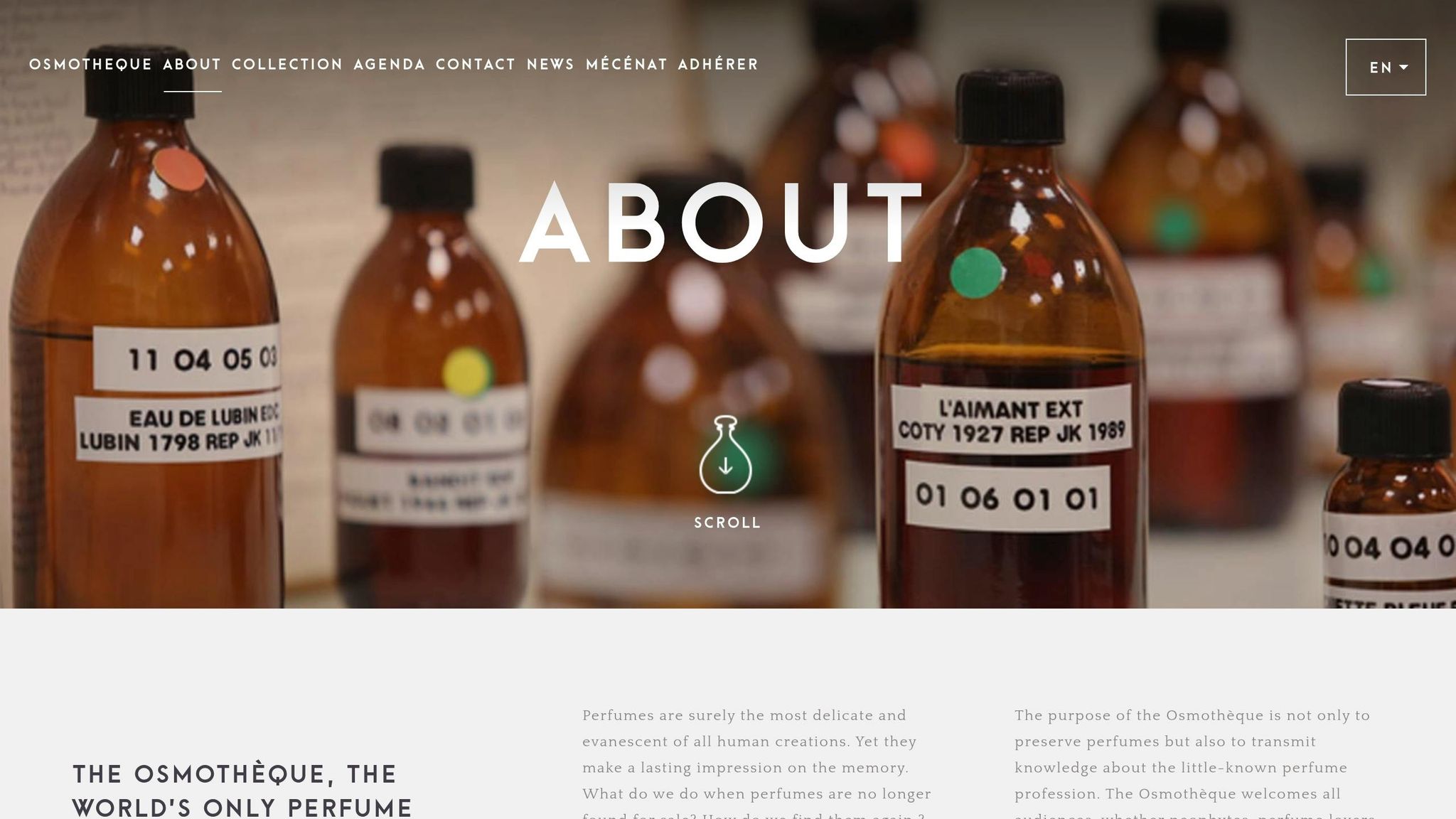
Amikor a fórumok adatai véget érnek, az Osmothèque az a hely, ahol a dokumentáció páratlanul stabillá válik. Ez nem egy szokványos parfümlista, hanem egy elsődleges forrású archívum és egy elhivatott parfümmúzeum-konzervatórium, ami páratlan tekintélyt biztosít számára a ritka, gyártásból kivont vagy történelmi jelentőségű alkotások azonosításakor.
Lefedettség és megszűnt státusz
A gyűjtemény több mint 5.000 illatot őriz, köztük több mint 800 olyan megszűnt kompozíciót, amelyeket kereskedelmi forgalomban már nem lehet elérni. Eredeti formuláikat megőrizték, gyakran maguknak a parfümházaknak vagy örököseiknek a felajánlásaiból. Ez rendkívül értékes segítség, amikor a címke részleteit, a batch-kódok utalásait vagy egy illat valószínűsíthető korszakát kell igazolni.
Hitelesítési források
Mivel az Osmothèque elsődleges forrásanyagokkal dolgozik, biztos igazodási pontot jelent az eredeti kompozíciók tekintetében. Segítségével megerősíthető:
- az eredeti kompozíció
- a parfümmárkához való hozzárendelés
- a kiadás történeti háttere
Történeti háttér
Az Osmothèque arra is alkalmas, hogy pontosabban meghatározza egy parfüm korát, és elhelyezze azt a parfümkészítés történelmében. Ez felbecsülhetetlen, ha patinás, történelmi illatok azonosításával foglalkozik, és más források nem nyújtanak elegendő támpontot.
A formula szintű azonosításhoz érdemes továbblépni az összetevő- és vegyészeti adatbázisokra.
Személyes illatszakértője már várja
Töltse ki rövid illatkvízünket, és fedezzen fel hiteles designer és niche parfümöket, amelyek az ízléséhez illenek – próbálja ki őket 2, 5, 8 és 30 ml-es dekantokban és mintákban, hogy mindegyiket kipróbálhassa, mielőtt teljes flakon mellett dönt.
Találja meg illatát6. Perfume Intelligence
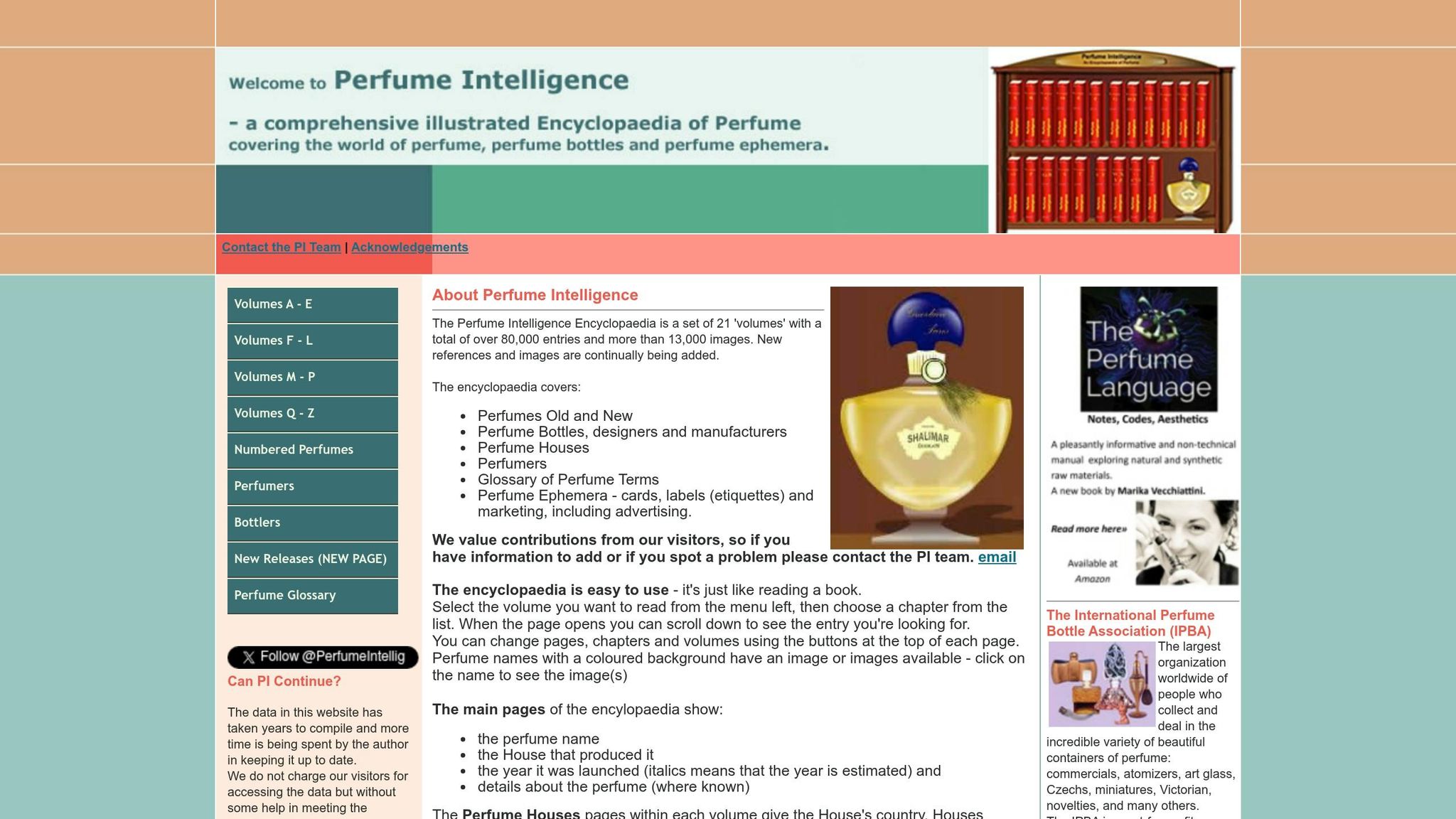
A Perfume Intelligence parfümenciklopédiaként határozza meg önmagát: 21 kötetet, több mint 80.000 bejegyzést és 13.000-nél is több képet számlál, amelyek lefedik a történelmi és kortárs parfümöket, üvegeket, parfümházakat, parfümőröket, valamint a nyomtatott relikviákat, például kártyákat, címkéket és reklámanyagokat.
Lefedettségi mélység
Ez az a terület, ahol a Perfume Intelligence bizonyítja létjogosultságát. Az adatbázis a 19. század végi és a 20. század eleji megjelenésektől kezdve a modern újdonságokig mindent nyomon követ. Egy általános bejegyzés tartalmazza a parfüm nevét, a készítő házat és a bevezetés évét. Néhány profil kiegészül a töménység adataival vagy a márkaváltásokkal kapcsolatos megjegyzésekkel is.
Ez a többletinformáció lényeges szerepet játszik: segít eldönteni, hogy egy eredeti verziót, egy későbbi újrakiadást vagy csupán egy azonos nevet viselő, ám teljesen eltérő illatot tart-e a kezében.
Akkor érdemes használni, ha vizuális vagy történeti megerősítésre vágyik, és a puszta névegyezés nem elegendő.
Megszűnt státusz
A Disc. jelölés jelzi a gyártásból már kivont parfümöket, míg a dőlt betűvel szedett évszámok azt mutatják, hogy a kiadás pontos dátuma még nem nyert végleges megerősítést.
Hitelesítési források
A Perfume Intelligence szakmai szerkesztői felügyelet alatt működik, nem hagy teret a moderálatlan közösségi beavatkozásoknak. Ez az ellenőrzési folyamat sokkal nagyobb tekintélyt kölcsönöz neki, mint amivel a nyílt katalógusok bírnak.
Történeti és vizuális háttér
A képekkel alátámasztott bejegyzések jelentősen megkönnyítik az üvegformák, a címkestílusok és a csomagolás apró elemeinek összevetését. A több mint 13.000 archivált képpel – amelyek üvegeket, kártyákat, címkéket és korabeli hirdetéseket ábrázolnak – az oldal rendkívül hasznos a régebbi kiadások pontos azonosításában.
Emellett nyomon követi az elnevezések leszármazását is, ami segít elválasztani a klasszikus neveket a későbbi variációktól.
Ha a név még ezek után is kétséges, a következő lépés a formulaszintű adatok ellenőrzése.
7. Parfümösszetevő- és vegyészeti adatbázisok
Miután ellenőrizte az üveget és a csomagolást, van még egy utolsó, döntő vizsgálat: vajon maga a formula reális-e? Amint az üveg és a név egybeesik, az összetevő-adatbázisok segítenek megítélni, hogy a kompozíció kémiai és szabályozási szempontból hihető-e.
Lefedettségi mélység
A TGSC az illatanyagok molekuláit fedi le CAS-számokkal és biztonsági adatokkal kiegészítve. A Leffingwell szélesebb rálátást nyújt az alapanyagokra és kitér a viselkedési jellemzőkre is. A Scents & Flavors pedig gazdag szakirodalmi hivatkozási alapot biztosít.
Ezek az adatbázisok nem fogják azonosítani a parfümériák polcain álló üvegeket. Egy merőben más kérdésre adnak választ: valós-e ez az összetevő, és beleillik-e ebbe a formulába?
Megszűnt státusz
Az összetevők szintjén a megszűnt kifejezés leggyakrabban azt jelenti, hogy egy alapanyag használatát korlátozták, a formulát átdolgozták, vagy az összetevő a jelenlegi előírások szerint már nem alkalmazható. Az IFRA Standards Library nyomon követi a szabályozott alapanyagok módosítási előzményeit, így pontosan látható, mikor változott meg egy anyag engedélyezett mértéke. Ha egy összetevő lekerül az IFRA Transparency List listájáról, vagy a használata drasztikusan visszaszorul, az a modern parfümkészítésben a gyakorlatban a kivonását jelenti – még ha a régebbi üvegek tartalmazzák is azt.
Hitelesítési források
Ezeknek az adatbázisoknak a valódi értékét az egyes tételek mögött rejlő metaadatok adják. A CAS-számok és az IUPAC-nevek összekapcsolják az összetevőket a tudományos és szabályozási nyilvántartásokkal. Az IFRA kategóriaadatai rögzítik a megengedett legnagyobb koncentrációt terméktípusonként. A fizikai és kémiai tulajdonságok – például az oldhatóság, az illékonyság és a stabilitás – pedig segítenek megítélni egy formula kémiai megvalósíthatóságát.
Az IFRA Fragrance Ingredient Glossary egységes illatleírókkal egészíti ki mindezt, megkönnyítve annak vizsgálatát, hogy a felsorolt anyagok valóban megalapozzák-e a ritka parfümről leírt illatprofilt.
A legcélravezetőbb egy egyszerű hármas ellenőrzés:
- TGSC az illatprofil megismeréséhez
- IFRA a szabályozási státusz tisztázásához
- Scents & Flavors a szakirodalmi háttérhez
Történeti és vizuális háttér
Ezek az adatbázisok abban is segítenek megérteni, miért érződnek másnak a régebbi formulák a modern újrakiadásokhoz képest. Az IFRA Standards Library rögzíti a szabályozási módosítások dátumait, így pontosan nyomon követheti, mikor és miért kényszerült változtatásra egy receptúra. A SCENTREE vizualizációs eszközei felvázolják az összetevők elhelyezkedését az olyan akkordcsaládokon belül, mint a fougère, a chypre vagy az orientális, bemutatva a történelmi kompozíciók belső struktúráját.
Ha szeretné megérteni, miért tér el egy IFRA előtti korszakból származó illat a mai változatától, a válasz rendszerint itt rejlik: a kémiában és a mögötte meghúzódó szabályozások átalakulásában.
Ezek precíziós eszközök. Akkor nyúljon hozzájuk, amikor a kutatás elérkezett a formulaszintű hitelesítés fázisába.
Előnyök és hátrányok
Az egyes források áttekintése után világossá válik a különbség: egyes adatbázisokat a gyorsaságra, másokat a mélységre, megint másokat a hitelesítésre terveztek. Az alábbi táblázat bemutatja, melyik hol teljesít a legjobban, és hol ütközhet korlátokba.
| Adatbázis | Erősségek | Korlátok | Kiknek ajánlott leginkább |
|---|---|---|---|
| Fragrances of the World | Gyors névegyeztetés ritka, vintage és megszűnt kiadások között | Kevés csomagolási részlet és változat | Kutatóknak egy gyors, első körös áttekintéshez |
| Fragrantica | Kiváló az illatjegyek, vélemények és közösségi kontextus terén | Közösségi alapú, így külön ellenőrzést igényel | Gyűjtőknek a keresés megkezdéséhez |
| Parfumo | Strukturált profilok gyártási státusz szűrővel; erős német nyelvű lefedettség | A ritka illatok hiányozhatnak, ha még senki sem töltötte fel őket | Gyűjtőknek a megszűnt státusz és változatok ellenőrzésére |
| Basenotes Directory | A fórumarchívum megőrzi a verzióváltozásokat, reformulációkat és csomagolástörténetet | Az adatlapok gyakran szűkszavúak; az érték a témákban rejlik, nem a listában | Kutatóknak a hosszú távú változások közösségi feltárására |
| Osmothèque | Elsődleges forrású archívum több mint 800 megőrzött, megszűnt formulával | Korlátozott hozzáférés; nem önkiszolgáló online adatbázis | Történeti és archívumi szintű azonosításhoz |
| Perfume Intelligence | Szerkesztett tartalom; képekkel illusztrált bejegyzések a 19. század végétől napjainkig | A teljes hozzáféréshez előfizetés szükséges | Gyűjtőknek vizuális és történeti megerősítéshez |
| Fragrance Ingredient Databases | Formulaszintű ellenőrzés; szabályozási változások követése az IFRA előzményein keresztül | Erősen technikai jellegű; általános név- vagy üvegazonosításra nem alkalmas | Szakembereknek és elhivatott kutatóknak az összetétel igazolására |
Egyszerűen megfogalmazva: a legmegfelelőbb választás attól függ, mire van éppen szüksége. Ha gyors első egyezést keres, induljon az átfogóbb névmutatókkal. Ha archívumi bizonyosságra vágyik, keresse a történelmi feljegyzésekkel és megőrzött receptekkel bíró forrásokat. Ha pedig azt vizsgálja, mi változott meg magában a parfümben, a formulaszintű források lesznek a mérvadók.
Összegzés
Egyetlen adatbázis sem képes önmagában lefedni minden ritka illat iránti keresést. Mindegyik más célt szolgál, és a köztük lévő különbségek sorsdöntőek lehetnek. Ez határozza meg a sikert, amikor azt próbálja kideríteni, hogy egy parfüm megszűnt, új nevet kapott, vagy csupán egy adott piacon maradt forgalomban.
A gyakorlatban ez a sorrend a leghatékonyabb: átfogó mutató, közösségi ellenőrzés, archívum, majd formula. Kezdje a Fragrances of the World felületével a gyors névegyezésért. Ezt követően a Fragrantica és a Basenotes segítségével vesse össze a közösségi tapasztalatokat. Használja a Parfumo-t a státusz tisztázásához. Forduljon az Osmothèque intézményéhez a parfümtörténeti bizonyosságért. Vegye igénybe a Perfume Intelligence enciklopédiáját az elnevezések leszármazásához és a korabeli képekhez. Az összetevő-adatbázisokat pedig tartogassa arra a fázisra, amikor már szilárd egyezéssel rendelkezik.
A legbiztosabb eredményt a többlépcsős hitelesítés garantálja, nem pedig egyetlen forrás.
A Németországban tartózkodó olvasóknak: ellenőrizzenek legalább két forrást, mielőtt egy parfümöt végleg megszűntnek vagy ritkaságnak tekintenének.
Gyakran Ismételt Kérdések
Hogyan ellenőrizhetek egy ritka parfümöt vásárlás előtt?
Mérje fel, hogy a kereskedő honnan szerzi be és hogyan tárolja a készletét. A megbízható eladók ezt nyíltan kommunikálják: hivatalos forgalmazóktól vásárolnak, és az üvegeket szabályozott hőmérsékletű raktárakban tartják.
Egyértelmű termékinformációkat kell találnia, beleértve az eredeti gyártási kódot (batch code), amellyel a gyártási időpont ellenőrizhető. Kerülje a bizonytalan hirdetéseket, a gyanúsan alacsony árakat és az olyan eladókat, akik nem tudják tisztázni a parfüm származását.
Melyik adatbázis a legalkalmasabb a gyártásból kivont illatokhoz?
Megszűnt és vintage parfümök esetén a leghelyesebb lépés általában egy kis dekant beszerzése, többnyire 2 ml vagy 3 ml formájában.
Ez lehetőséget nyújt arra, hogy megfigyelje az illat felütését, leszáradását és bőrön való viselkedését, mielőtt egy teljes üvegért fizetne. Ezzel az egyszerű módszerrel elkerülheti a költséges csalódást, és eldöntheti, megéri-e később komolyabb összeget szánni rá.
Mikor érdemes összetevő-adatbázisokat kutatni?
Akkor érdemes összetevő- vagy illatadatbázisokat használni, ha szeretné felkutatni az illatjegyeket, áttekinteni a felhasználói véleményeket, vagy igazolni a parfüm adatait még a vásárlás előtt.
Ezek akkor jelentenek igazi segítséget, ha meg kíván bizonyosodni arról, hogy az illat illeszkedik-e az ízléséhez. Ha használja ezeket a platformokat, a Scento Chrome-bővítmény képes megjeleníteni a minták elérhetőségét és árait 2 ml-es, 5 ml-es és 8 ml-es fiolákban, a legtöbb parfüm esetében pedig 30 ml-es dekantüvegben is. Így könnyedén tesztelheti a ritka vagy niche parfümöket, mielőtt elkötelezné magát egy teljes üveg mellett.

