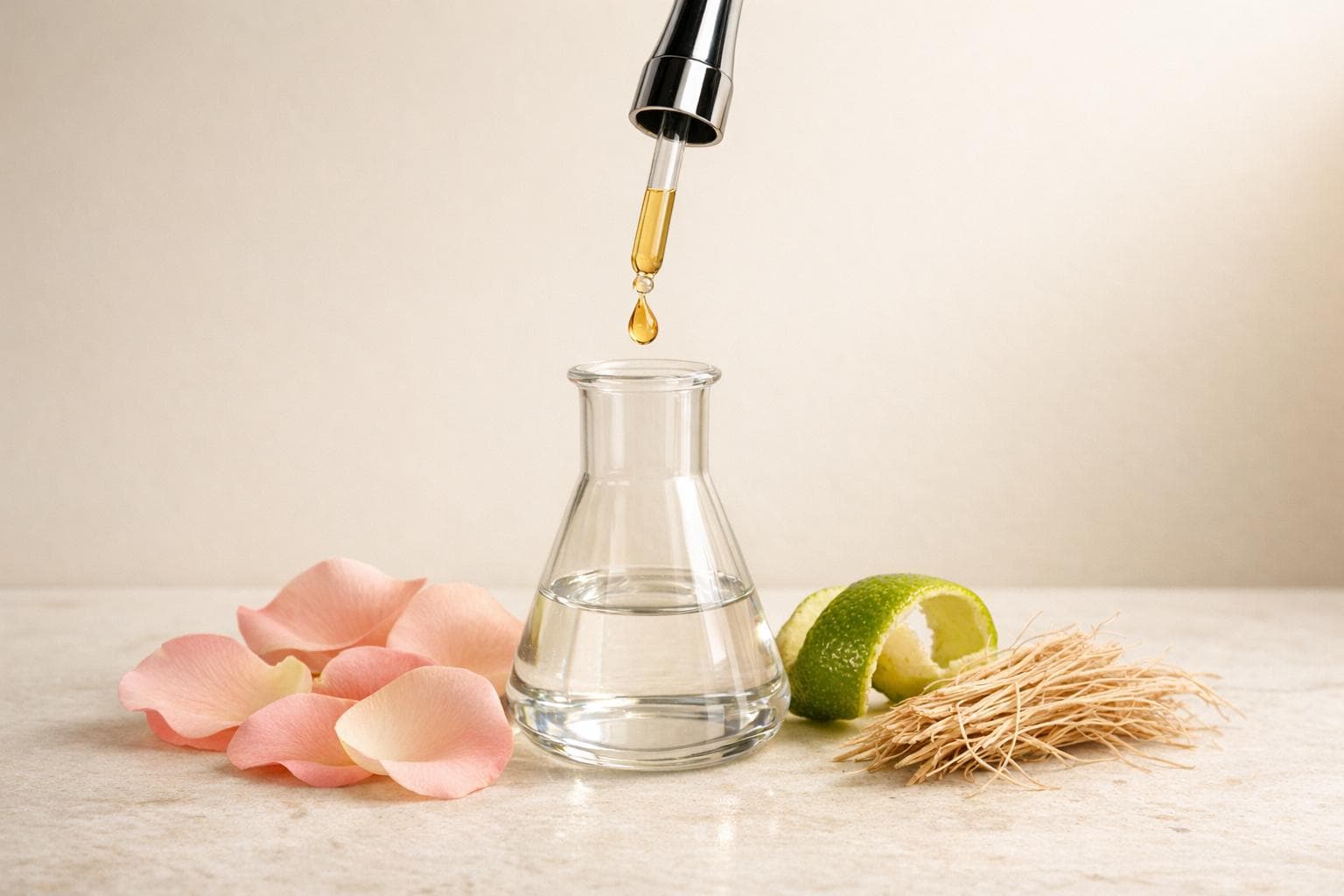
I marchi di profumeria stanno orientando la propria attenzione verso ingredienti naturali, spinti dalla domanda dei consumatori di maggiore trasparenza e pratiche etiche. L’approvvigionamento di queste materie prime richiede un’attenta selezione delle regioni, collaborazioni con gli agricoltori e metodi di raccolta sostenibili. Punti chiave:
- Fonti rinomate: gelsomino di Grasse, vetiver haitiano e vaniglia del Madagascar.
- Metodi: distillazione a vapore per gli oli essenziali, estrazione con solvente per i fiori delicati ed estrazione con CO2 per la massima precisione.
- Sfide: carenze stagionali, costi elevati e disomogeneità qualitative dovute alle condizioni climatiche e del suolo.
- Soluzioni: innovazioni biotecnologiche come molecole olfattive coltivate in laboratorio, upcycling dei sottoprodotti agricoli e tecniche di estrazione rinnovabili.
Strumenti moderni come la blockchain garantiscono la tracciabilità, mentre le certificazioni convalidano le pratiche etiche. Questa evoluzione concilia le aspettative dei consumatori con una gestione lungimirante delle risorse e il commercio equo.
La fonte dei profumi della natura | Dominique Roques | Talks at Google
Come i marchi di profumeria selezionano gli ingredienti naturali
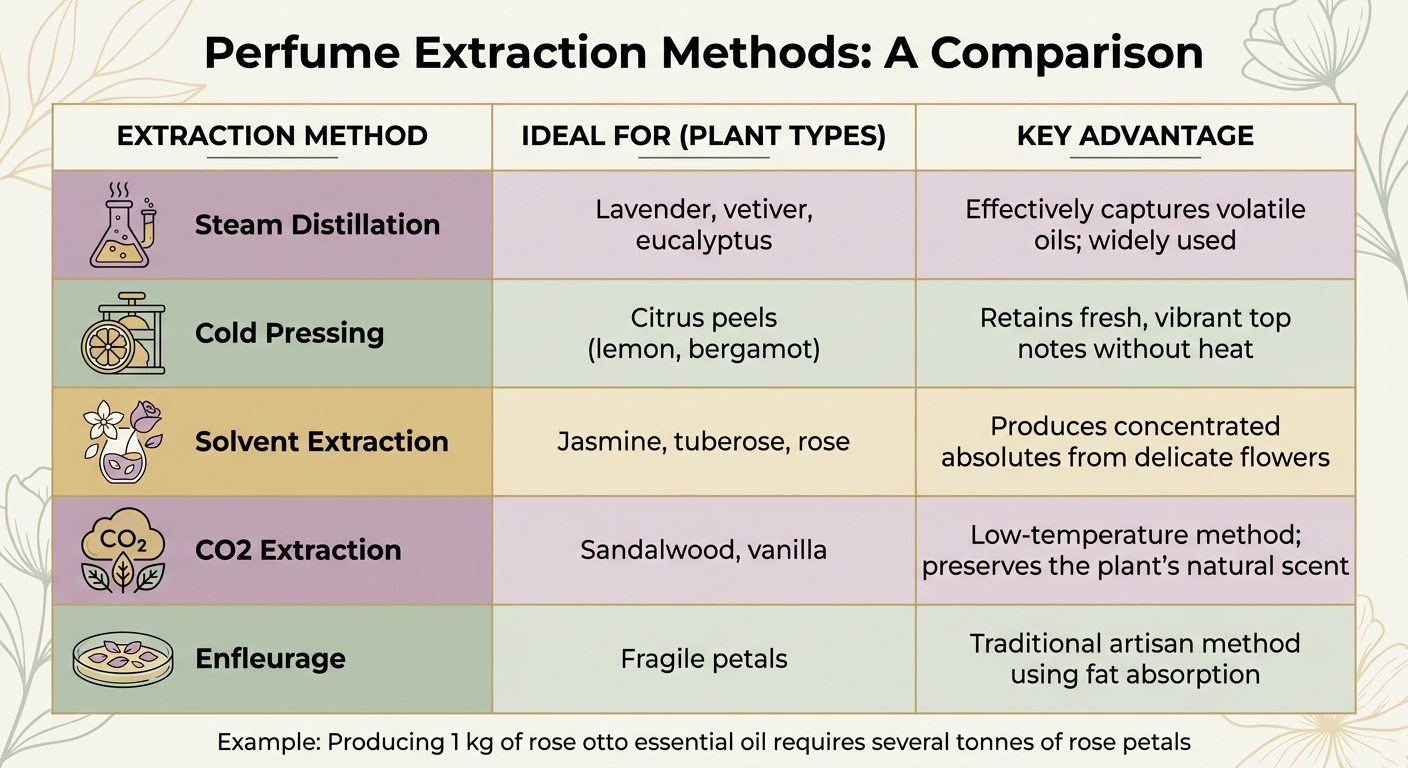
Tabella comparativa di 5 metodi di estrazione per profumi
Creare profumi a partire da ingredienti naturali è un processo meticoloso. Dall’individuazione di fornitori etici all’estrazione di oli capaci di preservare l’essenza di ogni pianta, ogni fase richiede cura, precisione e un profondo senso di responsabilità. Il percorso inizia con l’approvvigionamento e prosegue attraverso la raccolta e un’estrazione accurata.
Individuare fonti etiche e responsabili
Il fondamento di profumi d’eccezione risiede nell’approvvigionamento di materie prime provenienti da regioni con il terroir ideale: una combinazione di suolo, clima e maestria colturale. Per esempio, il Madagascar è rinomato per vaniglia e ylang-ylang, il Marocco per rosa e fiori d’arancio, e Haiti per il vetiver. Queste regioni hanno perfezionato il proprio savoir-faire nel corso dei secoli, offrendo una qualità senza pari.
Molti marchi di profumeria collaborano oggi direttamente con cooperative del commercio equo e piccoli agricoltori. Queste partnership garantiscono salari equi, filiere tracciabili e pratiche sostenibili. Alcuni marchi, infatti, investono il 2–3% dei ricavi derivanti dai nuovi lanci in audit dei fornitori e formazione degli agricoltori.
Certificazioni come COSMOS, Ecocert, Fair for Life e Rainforest Alliance contribuiscono a convalidare questi impegni, garantendo che l’approvvigionamento rispetti rigorosi standard ambientali ed etici. Inoltre, strumenti digitali come la blockchain e i dati guidati dall’IA stanno rivoluzionando la tracciabilità. Attraverso i codici QR, i consumatori possono oggi seguire gli ingredienti dal campo al prodotto finale. Anche i contratti a lungo termine con gli agricoltori favoriscono la stabilità del reddito e incoraggiano pratiche sostenibili di gestione del territorio, in alternativa allo sfruttamento a breve termine.
Metodi di raccolta e conservazione
Il tempismo è tutto quando si tratta di raccogliere ingredienti naturali. Per esempio, i fiori di gelsomino vengono colti prima dell’alba per catturare i loro composti aromatici più potenti. Allo stesso modo, gli oli agrumati vengono estratti solo quando i frutti raggiungono la maturazione ottimale in termini di colore e contenuto zuccherino. Questa pratica, nota come fenologia, assicura alle materie prime la massima qualità aromatica.
Per preservare l’integrità di questi ingredienti, il raffreddamento immediato è essenziale al fine di prevenire qualsiasi degradazione. Un controllo rigoroso dei residui di solvente garantisce ulteriormente sia la sicurezza sia l’autenticità della fragranza. Per materiali più complessi come l’oud, il processo è ancora più elaborato. Gli alberi di agarwood vengono sottoposti con attenzione a uno stress controllato per indurre la produzione di resina: un processo che può richiedere anni, ma che dà vita alla ricca essenza fumé che definisce l’oud naturale.
Metodi di estrazione e lavorazione
Dopo la raccolta, il passo successivo consiste nell’isolare i composti aromatici attraverso diverse tecniche di estrazione. La scelta del metodo dipende dalla struttura e dalla fragilità della botanica, assicurando che l’essenza dell’ingrediente resti intatta. Ecco una panoramica dei metodi più comuni:
| Metodo di estrazione | Ideale per | Vantaggio principale |
|---|---|---|
| Distillazione a vapore | Lavanda, vetiver, eucalipto | Cattura efficacemente gli oli volatili; ampiamente utilizzata |
| Spremitura a freddo | Bucce di agrumi (limone, bergamotto) | Mantiene note di testa fresche e vibranti senza calore |
| Estrazione con solvente | Gelsomino, tuberosa, rosa | Produce assolute concentrate da fiori delicati |
| Estrazione con CO2 | Sandalo, vaniglia | Metodo a bassa temperatura; preserva il profumo naturale della pianta |
| Enfleurage | Petali fragili | Metodo artigianale tradizionale basato sull’assorbimento nei grassi |
Prendiamo l’olio essenziale di rosa otto come esempio della scala produttiva richiesta: per ottenere appena un chilogrammo di olio essenziale servono diverse tonnellate di petali di rosa. Per garantire la qualità, i marchi richiedono ai fornitori Certificati di Analisi (COA) e report GC — MS (gascromatografia-spettrometria di massa). Questi test verificano la composizione chimica e la purezza di ogni lotto. Inoltre, la macerazione viene impiegata per fondere molecole complesse, permettendo loro di armonizzarsi con eleganza.
Le sfide nell’approvvigionamento degli ingredienti naturali
Approvvigionarsi di ingredienti naturali per i profumi non è affatto semplice. I marchi devono spesso affrontare ritardi, costi in aumento e una qualità olfattiva variabile. Questi ostacoli evidenziano perché la creazione di profumi naturali richieda tempo, investimento economico e ingegno. Esaminiamo come i cambiamenti stagionali, le pressioni sui costi e le questioni di controllo qualità rendano questo processo così articolato.
Cambiamenti stagionali e disponibilità limitata
La disponibilità e la qualità delle colture aromatiche dipendono fortemente dagli andamenti climatici. Per esempio, una gelata intensa nelle principali regioni di coltivazione può devastare i raccolti, mentre la siccità in Madagascar, Paese che produce circa l’80% della vaniglia mondiale, può provocare carenze significative. Molte botaniche hanno finestre di raccolta ottimali molto ristrette, il che significa che le forniture possono talvolta subire ritardi fino a un anno. Per colmare queste lacune, alcuni marchi si affidano oggi a calendari agronomici per una pianificazione più accurata. Altri si rivolgono a innovazioni biotecnologiche come la fermentazione di precisione per produrre versioni coltivate in laboratorio di rare molecole olfattive, come il patchoulol o l’ossido di rosa. Queste alternative create in laboratorio richiedono meno terreno agricolo e assicurano una fornitura più stabile durante tutto l’anno. Oltre a queste sfide naturali, i fattori economici aggiungono ulteriore complessità a un approvvigionamento responsabile.
Costi elevati e pratiche di commercio equo
Gli ingredienti rari hanno spesso prezzi vertiginosi. Prendiamo l’oud, per esempio: una materia prima molto ricercata per la sua scarsità e per le basse rese di distillazione. Un solo chilogrammo di oud di qualità premium può costare migliaia di euro. Il sandalo affronta sfide simili, poiché i suoi alberi impiegano decenni per maturare e sono esposti al rischio di sovrasfruttamento e commercio illegale. La domanda di agarwood, un’altra materia preziosa, ha persino contribuito alla deforestazione e alla minaccia per le specie selvatiche. Oltre ai costi delle materie prime, l’approvvigionamento etico aggiunge un ulteriore livello di spesa. Le pratiche di commercio equo spesso prevedono impegni di acquisto a lungo termine, finanziamenti per vivai e assistenza tecnica ai piccoli agricoltori. Questi sforzi sono particolarmente cruciali per colture come la vaniglia in Madagascar, dove i salari ingiusti sono stati un problema persistente. Sebbene queste iniziative aumentino il costo dei profumi sostenibili, contribuiscono anche a garantire compensi equi e migliori condizioni di vita per gli agricoltori: un passaggio essenziale nell’approvvigionamento etico.
Mantenere qualità e coerenza
Assicurare coerenza negli ingredienti naturali è un’altra grande sfida. Ogni lotto di materie prime può variare a causa di fattori come le condizioni del suolo, le precipitazioni, il momento della raccolta e i metodi di distillazione. Per esempio, la lavanda raccolta a giugno in Provenza può avere un profumo sensibilmente diverso da quella raccolta ad agosto, anche se proviene dallo stesso campo. Per gestire queste variazioni, i profumieri utilizzano strumenti come i Certificati di Analisi (COA) e apparecchiature di precisione per monitorare la composizione chimica di ogni lotto. Inoltre, miscelano isolati naturali — specifiche molecole aromatiche estratte dalle piante — con altri naturali per creare un profilo olfattivo più uniforme. Le miscele naturali richiedono spesso anche un periodo di maturazione di 4–6 settimane dopo la miscelazione con etanolo. Questo consente ai componenti di interagire e sviluppare pienamente il proprio carattere. Per preservare la freschezza, alle formule a base oleosa vengono aggiunti antiossidanti come il tocoferolo, prevenendo l’ossidazione che potrebbe attenuare nel tempo le note agrumate o verdi. Questi sforzi meticolosi assicurano che la fragranza finale rispetti gli standard qualitativi, ma sottolineano anche l’importanza della trasparenza e delle pratiche etiche lungo tutta la filiera.
Il tuo esperto di profumi personale ti aspetta
Fai il nostro veloce quiz olfattivo per scoprire autentici profumi di design e di nicchia scelti in base ai tuoi gusti: esplorali in decant e campioni da 2–8ml, così puoi provarne ognuno prima di scegliere il flacone intero.
Trova il tuo profumoProgressi moderni nell’approvvigionamento degli ingredienti naturali
Le tecnologie moderne stanno trasformando il modo in cui gli ingredienti naturali vengono selezionati in profumeria, affrontando sfide come carenze stagionali, questioni etiche e disomogeneità qualitative. Integrando biotecnologia, upcycling e chimica verde, il settore sta creando fragranze non solo più ecologiche, ma anche costanti e affidabili.
Biotecnologia e note create in laboratorio
La biotecnologia ha ridefinito il mondo della fragranza consentendo la creazione di molecole identiche a quelle naturali, capaci di replicare i profumi senza danneggiare specie in pericolo o ecosistemi. Per esempio, Givaudan con Ambrofix utilizza la fermentazione per riprodurre l’ambra grigia, eliminando la necessità di prelevarla da animali marini. Allo stesso modo, Akigalawood imita l’essenza dell’agarwood senza incidere sulle popolazioni naturali degli alberi. Firmenich con Ambrox Super compie un ulteriore passo avanti, essendo completamente biodegradabile pur mantenendo un profilo olfattivo lussuoso. Queste note coltivate in laboratorio, spesso derivate da fonti rinnovabili come canna da zucchero o cotone, richiedono quantità significativamente inferiori di terra e acqua. Offrono inoltre una coerenza ineguagliabile, poiché ogni lotto è privo delle variazioni naturali causate da fattori ambientali come clima o condizioni del suolo. Inoltre, gli strumenti di IA oggi prevedono i tassi di evaporazione delle molecole e il modo in cui interagiscono con la pelle, migliorando sia le performance sia la sostenibilità.
Upcycling e riduzione degli sprechi
Il settore sta abbracciando anche l’upcycling, trasformando sottoprodotti agricoli in preziose molecole aromatiche. Ingredienti come i sottoprodotti della canna da zucchero e del cotone vengono riconvertiti tramite fermentazione microbica, riducendo la necessità di nuovi terreni e abbattendo le emissioni di carbonio. L’investimento di un marchio nella salute del suolo per le coltivazioni di cotone biologico ha portato a un aumento del 18% delle rese agricole nell’arco di tre stagioni di crescita. Tecniche avanzate come l’estrazione con CO2 supercritica e l’uso di solventi di origine biologica stanno sostituendo i metodi tradizionali basati su sostanze chimiche più aggressive, come l’esano. Questi nuovi metodi producono estratti più puri, preservando al contempo gli aromi ricchi e corposi delle piante originarie, con un impatto ambientale minimo.
Risorse rinnovabili e chimica verde
La chimica verde sta rivoluzionando la lavorazione degli ingredienti naturali. L’estrazione con CO2 supercritica, per esempio, utilizza l’anidride carbonica come solvente per ottenere aromi vegetali di alta qualità senza lasciare residui nocivi. Solventi biodegradabili e alcoli rinnovabili derivati da materie prime sostenibili stanno diventando pratiche standard. Per materiali come l’oud, la tecnologia di inoculazione controllata permette la formazione della resina in alberi coltivati, riducendo drasticamente i tempi di produzione e proteggendo le foreste selvatiche. Oliver Pembroke, Senior Editor & Fragrance Sustainability Lead, suggerisce di destinare il 2–3% dei ricavi dei nuovi lanci agli audit dei fornitori e alla formazione degli agricoltori. Questo approccio non solo migliora la qualità della fornitura, ma rafforza anche la credibilità del marchio. I contratti a lungo termine con gli agricoltori stabilizzano ulteriormente il loro reddito e promuovono pratiche agricole rigenerative, come le colture di copertura e il compostaggio, che ripristinano la salute del suolo e catturano carbonio.
Il futuro dell’approvvigionamento degli ingredienti naturali
Il modo in cui gli ingredienti naturali vengono selezionati sta attraversando una trasformazione, guidata dai progressi moderni e da una spinta verso maggiore trasparenza e responsabilità ambientale.
Cosa dovrebbero sapere consumatori e marchi
L’industria della profumeria sta attribuendo sempre più priorità alla trasparenza. I consumatori di oggi desiderano una documentazione chiara che descriva l’origine degli ingredienti, il modo in cui vengono estratti e il loro impatto sia sulle comunità sia sugli ecosistemi. In risposta, i marchi leader stanno adottando strumenti digitali per offrire una tracciabilità dettagliata, arrivando persino a collegare i numeri di lotto a raccolti specifici.
"Il flacone sul tuo scaffale vale quanto la provenienza dell’olio che contiene." – Daniel Mercer, Senior Fragrance Editor
I marchi si stanno inoltre allontanando dagli acquisti a breve termine, preferendo accordi pluriennali con gli agricoltori. Queste partnership aiutano a stabilizzare i redditi agricoli e incoraggiano metodi rigenerativi come le colture di copertura e il compostaggio. Tali pratiche non solo affrontano le sfide della filiera, ma sostengono anche obiettivi ambientali di lungo periodo. Per i consumatori, adottare sistemi ricaricabili e formati concentrati è un modo efficace per ridurre gli sprechi. Porre domande come È coltivato in piantagione? È tracciabile? In che modo beneficia le comunità locali? può spingere ulteriormente il settore verso una reale responsabilità.
Questi cambiamenti nelle aspettative e nelle pratiche stanno ponendo le basi per approcci alla profumeria più sostenibili e innovativi.
Tendenze emergenti nella profumeria eco-friendly
Per soddisfare la crescente richiesta di trasparenza, i marchi si stanno orientando verso soluzioni ibride che combinano ingredienti naturali e creati in laboratorio. Questo approccio riduce la pressione ambientale preservando al contempo la complessità delle fragranze. Miscelando botaniche provenienti da fonti responsabili con molecole sintetiche biodegradabili, il settore sta trovando modi per bilanciare esigenze ecologiche e creatività olfattiva. Anche gli strumenti digitali stanno sostituendo le tradizionali tracciature cartacee, rendendo più semplice monitorare le formulazioni ibride e implementare pratiche circolari.
Le iniziative di economia circolare stanno diventando sempre più comuni. Tra queste figurano flaconi in vetro ricaricabili, packaging realizzato con materiali riciclati e metodi di produzione a rifiuti zero che trasformano sottoprodotti agricoli in composti aromatici. Inoltre, il design olfattivo assistito dall’IA aiuta i marchi a prevedere come le molecole di fragranza si comporteranno sulla pelle, accelerando la creazione di alternative più rispettose dell’ambiente. Poiché il cambiamento climatico altera la disponibilità di ingredienti tradizionali come sandalo e oud, i marchi stanno adottando strategie di approvvigionamento diversificate e tecniche di coltivazione innovative. Per esempio, metodi controllati come l’inoculazione degli alberi di oud per produrre resina in pochi anni anziché in decenni stanno diventando essenziali.
Domande frequenti
Come posso verificare se gli ingredienti di un profumo sono davvero tracciabili?
Per assicurarti di poter risalire all’origine degli ingredienti di un profumo, presta attenzione alle pratiche di approvvigionamento trasparenti e cerca certificazioni come ISO 16128, COSMOS, NATRUE o IFRA. Non esitare a chiedere informazioni sull’origine degli ingredienti e sui metodi utilizzati per la loro estrazione. Molti marchi si stanno oggi concentrando su approvvigionamento etico e tracciabilità per rispondere alle preoccupazioni legate al greenwashing. Verificare questi dettagli aiuta a confermare che gli ingredienti siano in linea con gli standard etici e ambientali.
Le note “identiche a quelle naturali” create in laboratorio sono ancora considerate naturali?
Le note “identiche a quelle naturali” create in laboratorio rientrano nella categoria dei materiali sintetici, anche se replicano fedelmente la struttura chimica dei composti naturali. Queste note vengono realizzate in laboratorio e non sono ricavate direttamente dalla natura.
Perché lo stesso profumo naturale può avere un odore diverso da un lotto all’altro?
I profumi naturali presentano spesso leggere variazioni olfattive da un lotto all’altro. Queste differenze derivano dai cambiamenti nella composizione chimica degli estratti botanici utilizzati. Fattori come il terroir (l’ambiente in cui le piante vengono coltivate), le condizioni di raccolta e i metodi di estrazione contribuiscono tutti a definire il profilo finale della fragranza.

