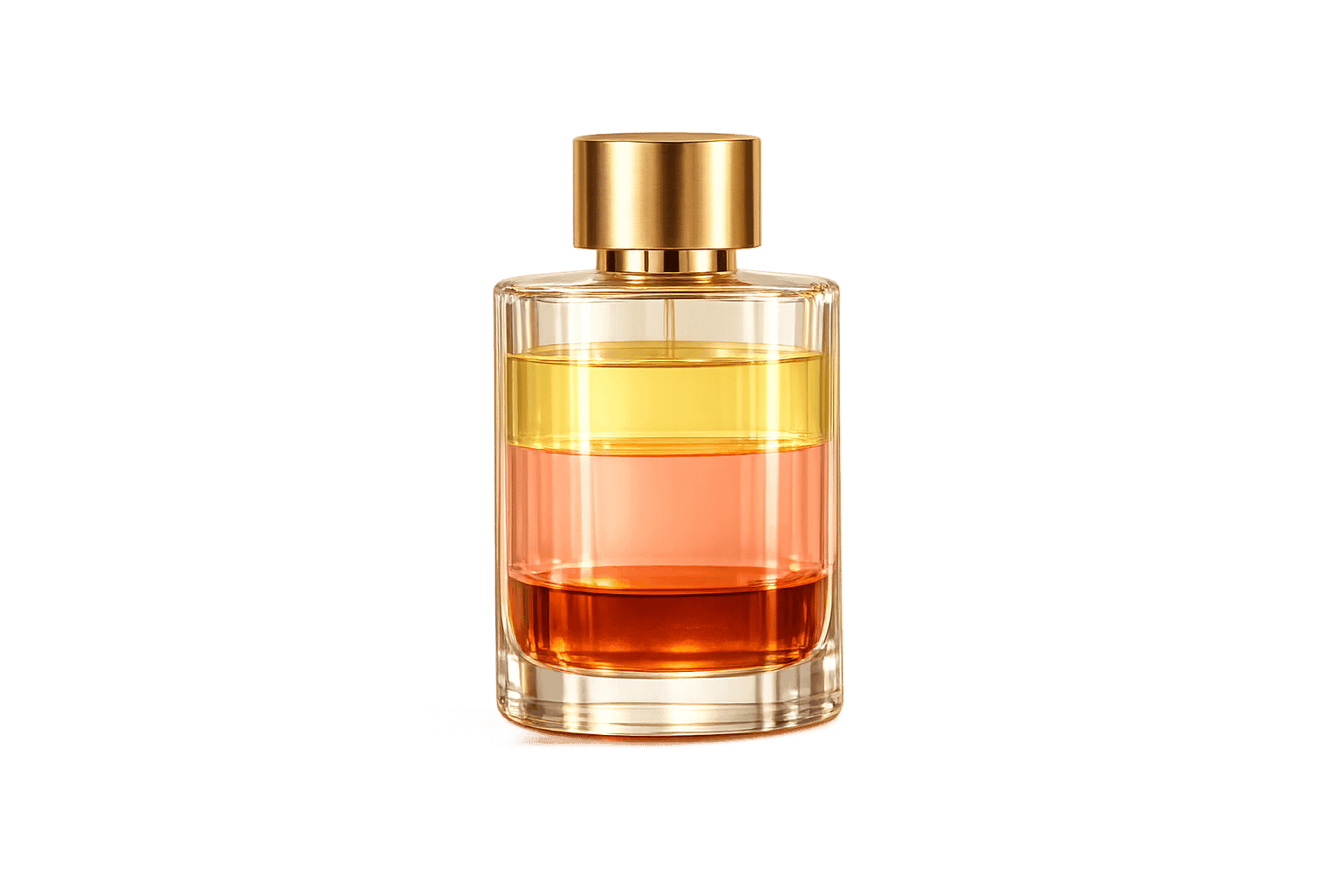
Creare la propria fragranza distintiva nel 2026 è più semplice di quanto si possa pensare. Ecco tutto ciò che c’è da sapere:
- Perché è importante: Un profumo firma riflette la tua personalità e il tuo stile, offrendo un tocco unico e personale rispetto ai profumi commerciali.
- Come funzionano i profumi: Le fragranze sono costruite su tre livelli: note di testa, di cuore e di fondo. Ogni livello si svela nel tempo, dando vita a un viaggio olfattivo dinamico.
- La chiave dell’equilibrio: Applica la regola del 30/50/20 (30% note di testa, 50% di cuore, 20% di fondo) per una composizione armoniosa.
- Le note di tendenza nel 2026: Gli abbinamenti più amati includono pistacchio + legno di sandalo, matcha + latte d’avena e fragola + cuoio.
- I segreti del layering: Inizia con le note di fondo, aggiungi quelle di cuore e rifinisci con le più leggere note di testa. Lascia riposare ogni strato per qualche minuto.
- Testare e perfezionare: Osserva l’evoluzione della tua creazione nel corso delle ore e personalizzala per le diverse occasioni, dal lavoro agli eventi serali, fino ai cambi di stagione.
Fragrance Layering 101: Gli Abbinamenti Scelti dai Founder & i Consigli per un Profumo a Lunga Durata
Come Funzionano le Note Olfattive
Le fragranze si rivelano in tre fasi ben distinte. Si può notare come un profumo si apra con note frizzanti e agrumate appena vaporizzato, per poi trasformarsi nel tempo in qualcosa di più caldo e avvolgente. Questa metamorfosi segue un sistema strutturato a strati: note di testa, di cuore e di fondo.
Note di Testa, di Cuore e di Fondo Spiegate
Ogni livello è definito dalla velocità con cui le sue molecole evaporano dalla pelle. Questa velocità di evaporazione determina la persistenza di ciascuna nota e il suo ruolo all’interno della composizione. La tabella seguente illustra questi livelli:
| Livello delle Note | Persistenza sulla Pelle | Ruolo |
|---|---|---|
| Testa | 15–30 minuti | Crea la prima impressione; leggera e fresca |
| Cuore | 1–4 ore | Costituisce l’anima del profumo; unisce testa e fondo |
| Fondo | 6–8+ ore | Dona profondità e longevità; la vera base della fragranza |
Le note di testa sono le prime a conquistare l’olfatto. Solitamente leggere e volatili, come agrumi, erbe aromatiche o spezie, regalano un impatto immediato ma svaniscono rapidamente. Non appena le note di testa si dissolvono, emergono le note di cuore, che definiscono la vera personalità del profumo; queste includono spesso sentori floreali, spezie o legni morbidi. Infine, le note di fondo – composte dalle molecole più pesanti e persistenti come muschi, ambra, vetiver e resine – ancorano la fragranza, donandole spessore e facendola vibrare a lungo sulla pelle.
Perché l’Equilibrio tra le Note è Fondamentale
L’interazione tra questi strati è ciò che consente a una fragranza di evolversi con eleganza nel tempo. Trovare il giusto equilibrio tra le note è indispensabile per ottenere una scia armoniosa.
Un’enfasi eccessiva sulle note di fondo può risultare soffocante, mentre un’abbondanza di note di testa rischia di dare vita a un profumo che svanisce troppo in fretta. Per raggiungere il perfetto equilibrio, molti profumieri seguono la regola del 30/50/20: 30% di note di testa, 50% di note di cuore e 20% di note di fondo. Questa proporzione rispetta i naturali ritmi di evaporazione di ciascun livello. Al contrario, una suddivisione uniforme 33/33/33 porta spesso a uno squilibrio, poiché non tiene conto della diversa volatilità delle materie prime.
Per chi ama sperimentare con le miscele, una semplice "prova su mouillette" può essere di grande aiuto. Immergi strisce distinte in ciascun olio profumato, poi muovile insieme a ventaglio per sentire in anteprima come interagiscono le note. Una volta creata la composizione, lasciala riposare per 24-48 ore. Questo periodo di maturazione permette alle molecole di legarsi perfettamente, rivelando il vero profilo olfattivo.
Usare la Ruota delle Fragranze per Trovare Accordi Compatibili
Dopo aver compreso le basi della struttura a piramide, la ruota delle fragranze diventa uno strumento prezioso per individuare accordi complementari. Immaginala come una mappa circolare che raggruppa le famiglie olfattive e mette in luce il modo in cui dialogano tra loro.
Il principio è intuitivo: le fragranze della stessa famiglia si fondono spontaneamente, mentre quelle appartenenti a famiglie adiacenti creano contrasti intriganti ma armonici. Tuttavia, più due famiglie sono distanti sulla ruota, maggiore è la probabilità che entrino in conflitto.
"I profumi appartenenti a famiglie adiacenti sulla ruota delle fragranze... creano contrasti interessanti senza stonare. Quelli alle estremità opposte... comportano il rischio più elevato: possono funzionare magnificamente o risultare del tutto dissonanti." – HIQILI
Quando crei un accordo, inizia con una base solida scelta da famiglie come Legnosa, Orientale o Ambrata. Aggiungi note di testa e di cuore provenienti da famiglie adiacenti per costruire l’equilibrio. Ad esempio, una base legnosa si sposa a meraviglia con note di testa agrumate, che ne illuminano la profondità terrosa. Note di cuore floreali o alla vaniglia possono poi fungere da ponte, attenuando ogni contrasto troppo marcato.
Le Principali Famiglie Olfattive e la Loro Interazione
Le quattro famiglie olfattive primarie – Floreale, Agrumata, Legnosa e Orientale/Ambrata – donano ciascuna una sfumatura unica alla composizione. Le note floreali sono morbide e romantiche, gli agrumi apportano vivacità, i sentori legnosi offrono struttura e le note orientali/ambrate infondono calore e opulenza. Accanto a queste, le famiglie Gourmand (con note come vaniglia e caramello) e Fresca/Acquatica hanno registrato una forte ascesa nel 2026, soprattutto nella profumeria su misura e personalizzata.
Vale la pena ricordare che molti oli essenziali non appartengono rigidamente a una sola categoria. Per esempio, una nota floreale può presentare sfumature verdi o fresche, collegando sezioni diverse della ruota. Lasciati guidare dal tuo olfatto: la ruota è una guida flessibile, non un insieme di regole inflessibili.
Abbinamenti Riusciti e Accordi da Evitare
Ecco una rapida guida agli abbinamenti più armoniosi e a quelli da approcciare con cautela:
| Famiglia Olfattiva | Si Abbina al Meglio Con | Abbinamenti da Evitare |
|---|---|---|
| Floreale | Agrumi, Note Verdi, Vaniglia o Ambra | Note terrose intense che soffocano la delicatezza dei fiori |
| Agrumata | Legni, Note Floreali, Gourmand o Acquatiche | Note resinose profonde come mirra o incenso |
| Legnosa | Agrumi, Note Floreali, Orientali o Gourmand | Accordi eccessivamente zuccherini come il caramello denso |
| Orientale (Ambrata) | Note Floreali, Legnose o Gourmand | Due fragranze orientali estremamente corpose sovrapposte |
| Gourmand | Note Fruttate, Floreali o Legnose | Patchouli terroso molto pesante o muschi pungenti |
| Fresca/Acquatica | Note Legnose, Muschiate o Floreali | Note gourmand opulente |
| Chypre | Note Floreali, Fruttate o Verdi | Fiori delicati, se la base di patchouli è troppo dominante |
Il segreto per evitare stonature è non accostare mai due elementi di grande intensità che competono tra loro. Ad esempio, cuoi audaci stratificati con oud opulenti, oppure la mirra resinosa a contrasto con agrumi squillanti possono sopraffare i sensi, generando confusione olfattiva. Nel dubbio, affidati a famiglie adiacenti sulla ruota per un risultato più equilibrato e sicuro.
Questa impostazione offre solide basi per sperimentare con le combinazioni di note olfattive più ricercate del 2026.
I Migliori Abbinamenti di Note Olfattive per il 2026
Le Note di Tendenza nel 2026
Nel 2026 il panorama olfattivo abbraccia la filosofia del quiet luxury: profumi intimi e personali, lontani da eccessi gridati o invadenti. Questa evoluzione premia le note capaci di donare texture, calore e autentica profondità alle creazioni.
Le sfumature gourmand restano protagoniste, ma si reinventano con tocchi più sofisticati e aromatici. Come spiega il creatore di fragranze Carlos Huber:
"Credo che continueremo a vedere note gourmand, ma in una declinazione molto più ricca di sfumature e intrigante: note aromatiche, ispirate al mondo gastronomico, che offrono consistenza e conforto, allontanandosi dai soliti accordi di vaniglia e caramello."
Tra le note chiave in forte ascesa spiccano pistacchio, matcha, sesamo tostato, fragola matura e oud. Accordi vellutati come il latte d’avena e il latte di riso vengono impiegati per ammorbidire tocchi più audaci, mentre accenti freschi e solari come il pomelo e il caprifoglio infondono una luminosità eterea, ideale per le creazioni primaverili ed estive. Tendenze che aprono la strada ad accostamenti inediti, destinati a plasmare l’identità olfattiva del 2026.
Accordi di Note di Grande Efficacia
Queste note di tendenza offrono lo spunto per accostamenti memorabili, in perfetto equilibrio tra contrasto e armonia.
Pistacchio + Legno di Sandalo è un abbinamento al contempo rassicurante e ricercato. Il pistacchio regala una morbida cremosità tostata che valorizza il calore levigato e legnoso del sandalo. Dreams Starlight di Coach (ca. €72) interpreta questa unione alla perfezione, dando vita a un bouquet sofisticato ma accogliente.
Matcha + Latte d’Avena fonde l’ispirazione wellness con il fascino gourmand. Il matcha apporta una nota verde e sottilmente amara che mantiene la fragranza ariosa, mentre il latte d’avena avvolge con una morbidezza protettiva. Freedom Musk Matcha 45 di Kayali, presentato sul finire del 2025, unisce questi accordi a un muschio vellutato per plasmare un profumo contemporaneo e rasserenante. Come osserva Mona Kattan, fondatrice di Kayali:
"Vedo emergere una direzione più morbida e sensoriale: una calma sicurezza al posto dell’intensità, calore invece di asperità, e profondità senza pesantezza."
Bergamotto + Oud esalta il fascino degli opposti. La freschezza solare del bergamotto fende la ricchezza resinosa e misteriosa dell’oud, dando vita a una scia sfaccettata ed elegante.
Fragola + Cuoio regala un contrasto giocoso e aristocratico. Vine Thief Eau de Parfum di Liberty fonde fragole baciate dal sole con cuoio e radice di iris, creando una fragranza che equilibra la dolcezza fruttata con la decisione del cuoio in una composizione impeccabile.
| Abbinamento | Perché Funziona | Ideale Per |
|---|---|---|
| Pistacchio + Legno di Sandalo | Calore morbido e tostato | Uso quotidiano, sobria eleganza |
| Matcha + Latte d’Avena | La freschezza verde incontra la morbidezza vellutata | Ufficio, momenti di relax |
| Bergamotto + Oud | L’agrume luminoso bilancia la profondità del legno | Il passaggio dal giorno alla sera |
| Fragola + Cuoio | Il frutto dolce stempera la decisione del cuoio | Serate eleganti, stagioni fredde |
| Tè Verde + Cedro | Semplicità ariosa e rassicurante | Giornate impegnative, ambienti di lavoro |
| Ambra + Pompelmo | Il calore incontra un tocco frizzante | Versatilità autunnale, giorno e sera |
Il tuo esperto di profumi personale ti aspetta
Fai il nostro veloce quiz olfattivo per scoprire autentici profumi di design e di nicchia scelti in base ai tuoi gusti: esplorali in decant e campioni da 2–8ml, così puoi provarne ognuno prima di scegliere il flacone intero.
Trova il tuo profumoL’Arte del Layering: Creare la Tua Fragranza su Misura
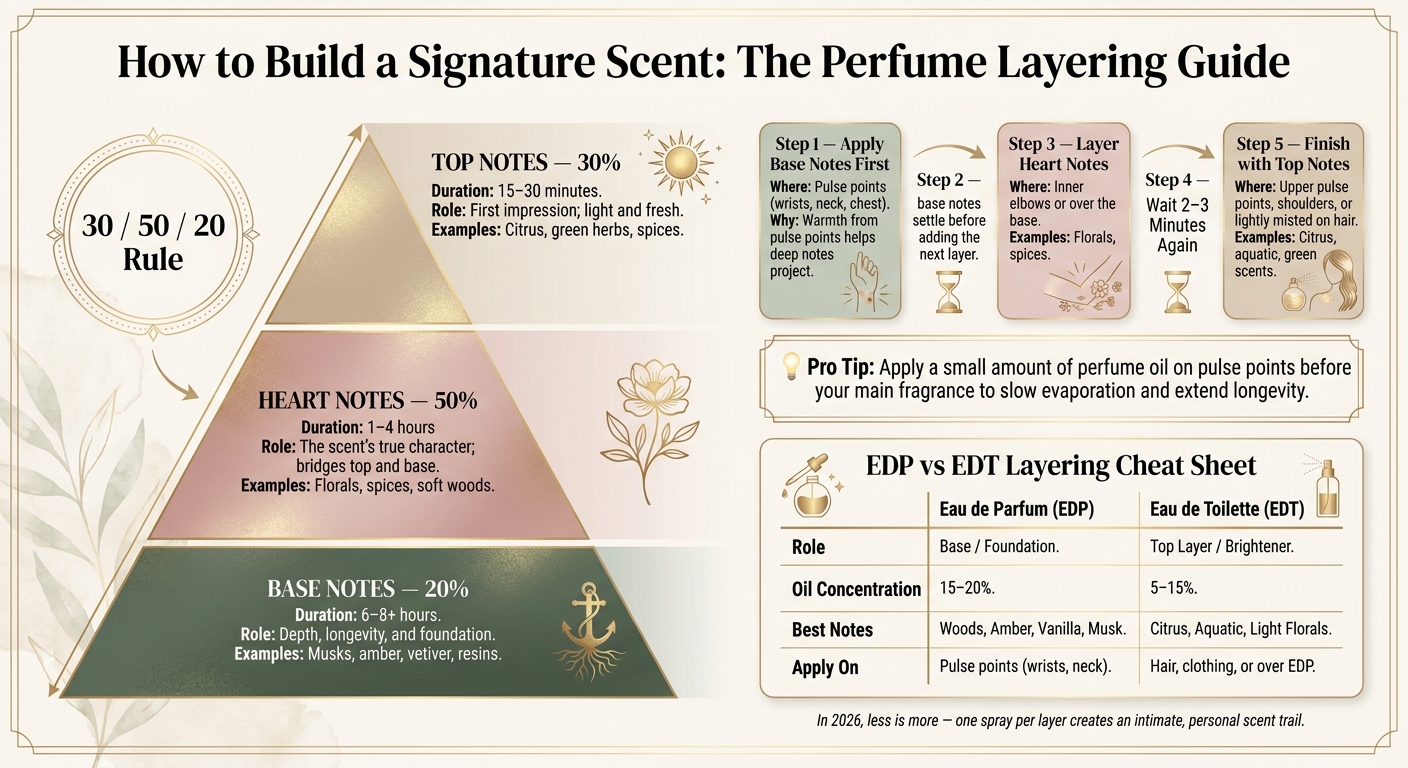
Come creare un profumo firma: la guida al layering olfattivo
La stratificazione olfattiva non richiede solo la scelta di note affini, ma anche una gestualità precisa. La giusta tecnica permette alle creazioni di fondersi armoniosamente, regalando un aroma personale e multidimensionale.
Ordine di Applicazione e Punti Strategici
Comincia con le note di fondo come oud, ambra, muschio o vaniglia. Vaporizzale sui punti di pulsazione, come polsi, collo o décolleté. Queste zone rilasciano calore, favorendo la diffusione ottimale delle note più profonde. Successivamente, sovrapponi le note di cuore – floreali o speziate – all’interno dei gomiti o direttamente sopra la base. Infine, completa con le note di testa più leggere, come agrumi, accordi acquatici o verdi. Queste ultime si esprimono al meglio sui punti di pulsazione superiori, sulle spalle o vaporizzate delicatamente sui capelli per una scia sottile.
Per un sillage armonico, prova ad associare un Eau de Parfum (EDP) più ricco sui polsi a un’Eau de Toilette (EDT) più ariosa sul collo. Questo dialogo crea un’aura sofisticata ed eterea, capace di evolversi con grazia nell’aria.
Un consiglio da esperti: stendi un velo di olio profumato sui punti di pulsazione prima di applicare la tua fragranza principale. L’olio non solo amplifica la rotondità del bouquet, ma ne rallenta l’evaporazione, prolungandone la persistenza. Lascia trascorrere 2-3 minuti tra un’applicazione e l’altra, affinché ogni strato possa assestarsi prima di accogliere il successivo.
La regola aurea di oggi? La misura. Nel 2026, il vero lusso è discreto: una sola vaporizzazione per livello è sufficiente a creare una scia intima e ricercata, senza mai risultare invadente.
Unire Eau de Parfum ed Eau de Toilette
Per combinare al meglio concentrazioni differenti, impiega l’EDP come struttura di fondo e l’EDT come accento vivace in superficie. Con la sua concentrazione di oli essenziali tra il 15 e il 20%, l’EDP assicura persistenza e corpo, mentre l’EDT (al 5-15%) aggiunge una sfumatura più fresca e trasparente.
Con gli EDP particolarmente intensi, ad esempio con accordi di oud o tabacco, limitati a una sola vaporizzazione e applica l’EDT con maggiore generosità per riequilibrare la struttura. Prima di vaporizzare sulla pelle, testa l’accostamento sulle mouillette. Spruzza ciascuna fragranza su una striscia diversa, avvicinale e muovile sotto il naso. Otterrai un’anteprima fedele della loro interazione senza doverti impegnare subito sulla pelle.
| Caratteristica | Eau de Parfum (EDP) | Eau de Toilette (EDT) |
|---|---|---|
| Ruolo nel Layering | Base / Fondamento | Accento Superiore / Tocco Luminoso |
| Concentrazione di Olio | 15–20% | 5–15% |
| Note Predilette | Legni, Ambra, Vaniglia, Muschio | Agrumi, Note Acquatiche, Fiori Delicati |
| Zone di Applicazione | Punti di pulsazione (polsi, collo) | Capelli, abiti o sopra l’EDP |
L’obiettivo è dare vita a una sinfonia in cui ogni fragranza valorizzi l’altra. Nessuna deve prevaricare: devono fondersi in un unico insieme compatto, autenticamente tuo.
Come Testare e Perfezionare la Tua Fragranza Firma
Valutare la composizione stratificata è un passaggio essenziale per dare vita a una fragranza che esprima davvero la tua identità. Dopo aver applicato i profumi scelti, occorre osservare come si trasformano nel tempo a contatto con la pelle. Le creazioni olfattive sono vive: mutano, acquistano profondità e a volte rivelano sfumature inattese. Una corretta valutazione trasforma un semplice esperimento nel tuo profumo del cuore quotidiano.
Comprendere il Drydown
È fondamentale non giudicare una creazione dalla sua prima impressione. Le note di testa svaniscono rapidamente, spesso nel giro di pochi minuti, mentre il cuore e il fondo emergono gradualmente nell’arco delle ore. La vera anima della tua combinazione si rivela solo quando questi accordi profondi iniziano a schiudersi.
"La nota di testa crea la prima impressione... ma giudicare una fragranza solo da essa è come valutare un banchetto semplicemente guardando la grafica del menu." – Aysire
Osserva l’evoluzione dell’accordo a intervalli regolari, ad esempio dopo 30 minuti, 2 ore e 6 ore. Per le miscele personalizzate, attendi 24-48 ore affinché la composizione trovi il suo assetto definitivo, poiché la struttura olfattiva può modificarsi durante questo lasso di tempo.
Dopo aver compreso l’evoluzione del profumo, potrai calibrarlo su misura per i diversi contesti e momenti della giornata.
Adattare la Fragranza alle Diverse Occasioni
Una volta valutato il drydown, puoi rimodulare l’accordo in base alle tue esigenze. Una fragranza distintiva non deve essere una formula immutabile: può trasformarsi in una base versatile che si adatta ai tuoi impegni, al tuo umore o al clima. Personalizza note e tecniche di stratificazione per ogni momento:
| Occasione | Note Consigliate | Strategia di Layering |
|---|---|---|
| Ufficio / Giorno | Iris, vetiver, legni chiari, muschio bianco | Applicazione leggera sui punti di pulsazione per una scia discreta |
| Sera / Occasioni Sociali | Vaniglia, ambra, legno di sandalo, spezie, oud | Applica un olio profumato sotto un EDP per un sillage più intenso |
| Estate / Attività all’Aperto | Note acquatiche, agrumi, tè verde, neroli | Vaporizzazione leggera su capelli o abiti per rallentare l’evaporazione |
| Inverno / Momenti Intimi | Note gourmand, resine, balsami, legni sontuosi | Inizia con una crema o un balsamo profumato per fissare la fragranza |
Se le fragranze non si fondono come speravi o il risultato appare disarmonico, nessun timore. Una passata veloce di alcol – come una noce di igienizzante mani – sulla pelle neutralizzerà la miscela, lasciandoti la libertà di ripartire con nuove combinazioni.
Conclusione: Inizia il Tuo Viaggio Olfattivo
Creare il proprio profumo firma è un percorso profondamente intimo, una creazione che parla di te. Con le nozioni acquisite – dalla comprensione della piramide olfattiva all’uso della ruota delle fragranze, fino agli abbinamenti del 2026 e all’arte della stratificazione – hai tutto ciò che serve per cominciare.
Inizia con semplicità. Prova a selezionare una sola nota per ciascun livello della piramide, seguendo l’armonica proporzione del 30/50/20. Questo metodo garantisce equilibrio, accompagnando il passaggio dalla brillantezza delle note di testa alla persistente ricchezza del fondo. Una base solida che potrai affinare man mano che testerai la tua creazione.
"Il risultato non è un semplice profumo, ma una storia da respirare." – Viti Vinci
Tieni traccia delle tue scoperte in un diario olfattivo. Annota le essenze scelte, il numero di gocce e le sensazioni provate nel corso delle ore. Questa abitudine non solo ti aiuterà a ricreare le formule più riuscite, ma ti permetterà di correggere il tiro se qualcosa non ti convince appieno.
Soprattutto, lasciati guidare da sentori che rispecchiano la tua personalità anziché inseguire le mode passeggere. Un profumo firma deve essere la tua naturale estensione: senza tempo, inconfondibile e assolutamente tuo.
Domande Frequenti
Come scelgo le note più adatte al pH della mia pelle?
Per trovare le note in sintonia con la tua pelle, è fondamentale comprendere come le fragranze dialogano con il calore corporeo e il film idrolipidico. Prova sempre piccole dosi direttamente sulla pelle per osservare l’evoluzione delle note di testa, di cuore e di fondo nel corso delle ore. Inizia con famiglie olfattive naturalmente affini, come i fiori uniti ai muschi o gli agrumi abbinati a sfaccettature marine, così da garantire una base equilibrata. Potrai poi ricalibrare le proporzioni fino a comporre un sillage in perfetta sintonia con la tua pelle.
Qual è il modo più sicuro per fare layering evitando un risultato confuso?
La sovrapposizione dei profumi è una vera arte: per non creare un insieme confuso, mantieni la composizione essenziale combinando solo 2 o 3 fragranze complementari. Parti da note di fondo corpose come oud o ambra come struttura portante. Aggiungi poi note di cuore come fiori o spezie per conferire sfaccettature al bouquet. Infine, completa con note di testa leggere come agrumi o tè verde per donare luminosità.
Vaporizza con misura – poche gocce sanno fare la differenza – e lascia che ciascuno strato si assesti prima di aggiungere il successivo. Evita di sfregare la pelle, gesto che altererebbe la struttura delle molecole. Vuoi verificare l’accostamento prima di applicarlo? Utilizza le mouillette per sperimentare e assicurarti che l’armonia sia perfetta prima del contatto con la pelle.
Come posso far durare il mio profumo firma per tutta la giornata?
Per prolungare la scia della tua fragranza, inizia idratando a fondo la pelle con una crema o una lozione neutra dopo la doccia: creerai una base perfetta per ancorare le molecole olfattive. Anche la stratificazione è un ottimo alleato: abbina al tuo profumo acque profumate o lozioni corpo coordinate o complementari per un sillage più duraturo. Vaporizza l’essenza sui punti di pulsazione, come polsi, collo o dietro i lobi delle orecchie; se la composizione lo consente, un leggero tocco sugli abiti garantirà un’ulteriore persistenza. Ricorda di non eccedere: un’applicazione misurata è il segreto per una scia raffinata, duratura e sempre piacevole.

