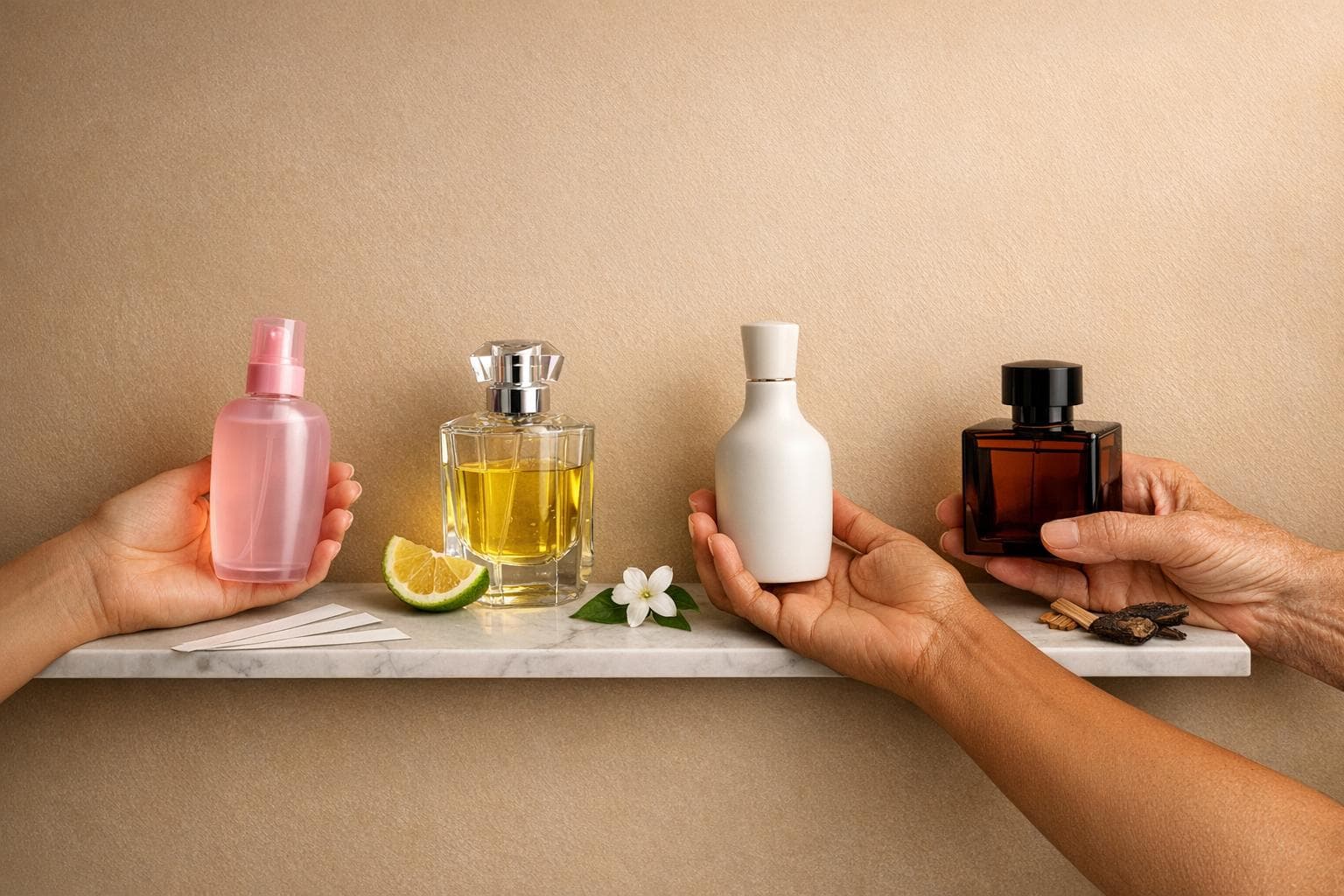
Le preferenze in fatto di profumi cambiano in base all’età, al background culturale e persino al clima. Le generazioni più giovani tendono verso fragranze giocose e dolci, mentre le persone più mature prediligono composizioni senza tempo e più ricche. Anche le influenze regionali plasmano le scelte: l’India predilige fragranze profonde e tradizionali come l’oud, mentre la Polonia mostra una preferenza per profumi più leggeri e individualistici. Ecco gli elementi che emergono maggiormente:
- Gen Alpha e adolescenti: dominano mist fruttati e zuccherini, trainati dalle tendenze sui social media come TikTok.
- Gen Z: profili gender-neutral e puliti, con un’attenzione particolare al layering e ai brand etici.
- Millennial: note gourmand nostalgiche (vaniglia, caffè) e marchi artigianali.
- Gen X: fragranze legnose e muschiate, con grande profondità e fascino lussuoso.
- Baby Boomer: floreali classici e fragranze poudré, con una fedeltà al marchio consolidata nel tempo.
Anche i fattori culturali giocano un ruolo. Per esempio, i mercati del Medio Oriente accolgono con favore oud e ambra, mentre l’Asia orientale preferisce profumi discreti ispirati al tè. La globalizzazione ha sfumato questi confini, con i consumatori più giovani che esplorano accordi capaci di fondere tradizioni regionali diverse.
Provare le fragranze prima di impegnarsi in un acquisto è fondamentale, soprattutto perché la chimica della pelle e le preferenze cambiano con l’età. Decant più piccoli (ad esempio da 8 ml) offrono un modo accessibile per scoprire profumi che si adattino al tuo stile di vita, al tuo umore e alle tue influenze culturali, senza spendere troppo.
La cultura influenza le nostre preferenze in fatto di fragranze?
Come i gruppi di età differiscono nelle preferenze olfattive
Le preferenze olfattive evolvono con l’età. Ciò che affascina un adolescente potrebbe non esercitare lo stesso richiamo su chi ha cinquant’anni. Questi cambiamenti derivano da un mix di trasformazioni fisiologiche e influenze sociali, che plasmano il modo in cui le diverse fasce d’età si relazionano alle fragranze. Ecco uno sguardo più da vicino a come queste preferenze si sviluppano tra le generazioni.
Gen Alpha e adolescenti: fragranze fruttate e dolci
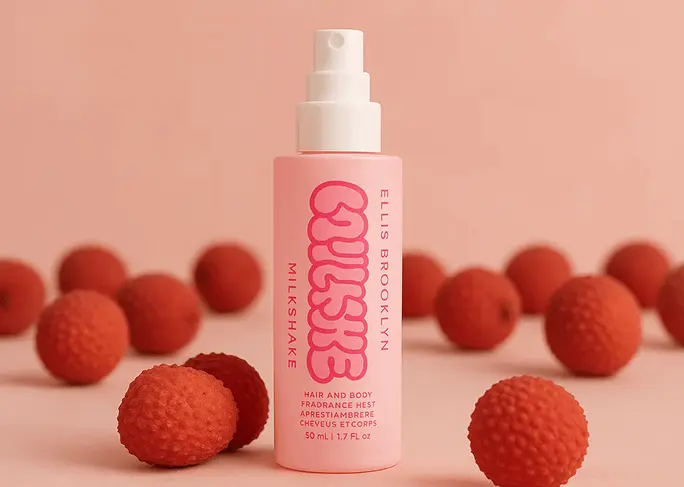
Per i più giovani appassionati di profumo, tutto ruota attorno ad aromi fruttati e dolci. Note come mela, vaniglia e frutti rossi dominano le loro scelte. I body mist, in particolare, hanno conquistato un’enorme popolarità, con vendite aumentate del 94% nel 2024. Questa impennata si deve in gran parte alla Gen Alpha, che preferisce opzioni accessibili e divertenti rispetto ai profumi tradizionali. Brand come Evereden hanno intercettato questa domanda creando fragranze giocose e adatte ai più piccoli, in sintonia con i preadolescenti che si avvicinano al mercato prima rispetto alle generazioni precedenti.
Anche i ragazzi adolescenti stanno abbracciando il mondo delle fragranze, con una spesa cresciuta del 26% nel 2024. Gran parte di questa crescita è legata alla tendenza del "smellmaxxing" su TikTok, dove gli influencer esaltano profumi firmati come Dior Sauvage e Tom Ford come indispensabili per accrescere il proprio fascino sociale. È interessante notare che molti adolescenti si affidano esclusivamente ai consigli dei social media per i loro acquisti, saltando spesso del tutto l’esperienza di prova in negozio.
Gen Z: fragranze unisex e sperimentali
La Gen Z sta ridefinendo il panorama delle fragranze. Con l’83% di questo gruppo che indossa profumi regolarmente, predilige profili gender-neutral, puliti e minimalisti che si allontanano dalle norme tradizionali. Per loro, la fragranza è uno strumento di espressione personale, spesso ottenuto sovrapponendo più profumi per creare qualcosa di autenticamente unico.
"La Gen Z è la prima generazione veramente nativa digitale... il che ha portato a un aumento di abbigliamento e accessori gender-neutral [e fragranze]." - The Perfume Spot
Piattaforme social come TikTok e Instagram sono le loro fonti principali di ispirazione olfattiva. I post virali guidano spesso le loro decisioni d’acquisto, rendendo meno comune la prova in negozio. Oltre all’estetica, la Gen Z attribuisce valore anche alla sostenibilità e alle pratiche etiche, scegliendo marchi in linea con i propri principi.
Millennial: note gourmand e nostalgiche
I Millennial cercano spesso comfort e sofisticazione nelle loro fragranze. Si orientano verso profumi gourmand con vaniglia, caffè e caramello, note che evocano nostalgia e si collegano a ricordi preziosi. Per questo gruppo, una fragranza non è solo un profumo: è una storia o un legame con un momento significativo.
Questa generazione privilegia la qualità rispetto alla quantità, investendo spesso in marchi di nicchia o artigianali che offrono una narrazione. Il concetto di "guardaroba olfattivo" è particolarmente popolare tra i Millennial, poiché amano alternare i profumi in base all’umore, alla stagione o all’occasione. Pur condividendo con la Gen Z il gusto per il layering, le loro scelte tendono verso note di fondo più ricche e articolate.
Gen X: composizioni legnose e complesse
Per la Gen X, la fragranza è una questione di profondità e sofisticazione. Predilige floreali terrosi e muschiati, sandalo, patchouli e ambra, note che rivelano complessità man mano che si sviluppano. Molti appartenenti a questa fascia d’età sono stati plasmati dai profumi audaci degli anni ’80 e ’90, il che influenza la loro attuale preferenza per fragranze dalla forte presenza e dalla lunga persistenza.
Con l’aumento del loro reddito disponibile, i consumatori della Gen X sono più inclini a investire in marchi di lusso di fascia alta. La qualità artigianale e la durata sono fattori chiave nelle loro scelte olfattive, a riflesso del loro apprezzamento per composizioni raffinate e stratificate.
Baby Boomer e senior: floreali classici e note poudré
Le generazioni più mature tendono a rimanere fedeli a fragranze senza tempo con floreali classici, note poudré e spezie calde. Questi profumi offrono comfort e nostalgia, spesso legati ai ricordi della giovinezza o a tappe importanti della vita. I Baby Boomer, in particolare, tendono ad avere un "profumo firma", al quale restano fedeli per decenni.
Anche i cambiamenti fisiologici hanno un ruolo. Poiché l’olfatto si attenua con l’età, i senior preferiscono fragranze più delicate. Inoltre, i profumi solidi senza alcol sono pratici per la pelle più matura, offrendo formulazioni più ricche che mantengono la loro fragranza durante tutta la giornata.
Come la cultura modella le preferenze olfattive
La geografia svolge un ruolo cruciale nel plasmare il modo in cui percepiamo e scegliamo le fragranze. Così come l’età influenza le preferenze olfattive, le tradizioni locali e i climi guidano le tendenze dei profumi in tutto il mondo. Gli studi rivelano che la posizione geografica rappresenta fino al 9,6% delle variazioni nel modo in cui le persone descrivono gli odori. È interessante notare che queste differenze regionali sono più pronunciate nella percezione dell’intensità dell’odore piuttosto che nel giudicare una fragranza piacevole o meno.
Tradizioni regionali delle fragranze
Le preferenze olfattive rispecchiano spesso le sfumature culturali e climatiche di una regione. Le culture occidentali e orientali, per esempio, tendono verso profili olfattivi distinti. Nei mercati occidentali dominano fragranze più leggere e minimaliste. Note come floreali freschi, agrumi e profumi "puliti" come il lino appena lavato sono particolarmente apprezzate. Queste scelte riflettono valori culturali che privilegiano individualità e libertà personale [7, 11].
Al contrario, regioni come il Medio Oriente e l’India abbracciano fragranze più ricche e intense, con note di fondo profonde come oud, ambra e muschio [10, 11]. Questi profumi sono profondamente radicati nelle pratiche spirituali e nei rituali quotidiani, fungendo da ponte verso tradizioni secolari. Come ha efficacemente affermato Setara Cosmetics:
"Il profumo arabo è come una macchina del tempo in bottiglia... capace di custodire racconti e tradizioni antiche tramandate attraverso i secoli".
Anche il Giappone offre una prospettiva unica, dove il concetto di "ma" - l’apprezzamento dello spazio vuoto - guida una preferenza per fragranze sottili e discrete che emanano eleganza.
Anche il clima gioca un ruolo fondamentale nell’uso delle fragranze. Per esempio, regioni più calde come l’India hanno una lunga storia di utilizzo di fiori profumati e oli essenziali nel culto e nella meditazione. Ciò contrasta nettamente con i climi più freddi, dove storicamente l’uso quotidiano del profumo è stato meno diffuso. Una statistica sorprendente evidenzia questa differenza: mentre il 99,9% degli uomini indiani ha dichiarato che la fragranza migliorava la loro esperienza di acquisto, solo il 54% degli uomini polacchi ha affermato lo stesso.
Queste tradizioni regionali profondamente radicate oggi si intrecciano con le tendenze globali, dando vita a un’evoluzione affascinante dell’estetica delle fragranze attraverso le generazioni.
Tendenze globali attraverso le generazioni
L’ascesa della globalizzazione sta ridisegnando i confini tradizionali delle fragranze. Basti pensare ai consumatori della Gen Z cinese, sempre più attratti dall’oud, una nota storicamente considerata troppo audace, oggi vista come simbolo di lusso e sofisticazione. In risposta, i brand stanno fondendo creativamente firme regionali, mescolando l’oud mediorientale con i fiori di ciliegio giapponesi o il gelsomino indiano con il pino scandinavo.
Il mercato globale delle fragranze è in crescita e si prevede che passerà da 34 miliardi di euro nel 2025 a 42,7 miliardi entro il 2035. Gran parte di questa crescita arriverà dalle regioni Asia — Pacifico e dall’America Latina. Le generazioni più giovani stanno orientando il mercato lontano dai profumi prodotti in massa verso fragranze personalizzate che valorizzano l’identità individuale. Tra il 2022 e il 2023, i profumi di lusso hanno registrato un notevole aumento della domanda tra la Gen Z in periodi di incertezza economica. Per esempio, la domanda di profumi YSL è aumentata del 274,61%, mentre Prada ha visto un incremento del 210,59%.
Nonostante questi cambiamenti globali, le tradizioni regionali restano influenti. Il Medio Oriente continua a privilegiare fragranze premium ricche di eredità, mentre l’India mantiene la sua tradizione di intrecciare il profumo con il culto e le pratiche sociali [7, 13]. Questa interazione tra tradizione e innovazione garantisce che le preferenze olfattive rimangano varie quanto le culture che rappresentano.
Il tuo esperto di profumi personale ti aspetta
Fai il nostro veloce quiz olfattivo per scoprire autentici profumi di design e di nicchia scelti in base ai tuoi gusti: esplorali in decant e campioni da 2–8ml, così puoi provarne ognuno prima di scegliere il flacone intero.
Trova il tuo profumoPreferenze olfattive per fascia d’età: un confronto
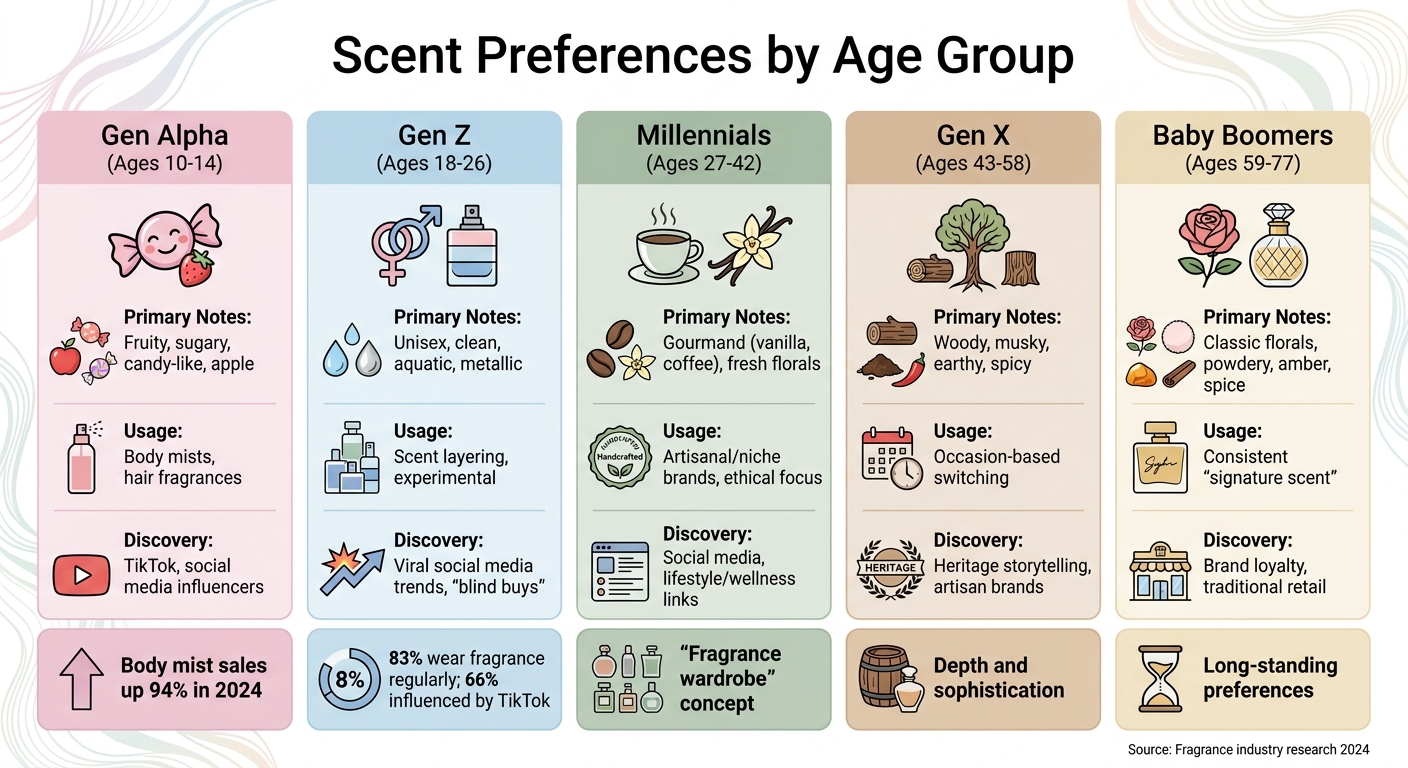
Preferenze olfattive per generazione: note, modalità di utilizzo e metodi di scoperta
Le preferenze in fatto di fragranze variano notevolmente tra le generazioni, mostrando schemi distintivi legati all’età e allo stile di vita. I consumatori più giovani si orientano verso aromi giocosi e dolci, mentre le generazioni più mature tendono a prediligere profumi più ricchi e intramontabili.
Tabella comparativa delle preferenze
| Generazione | Note olfattive principali | Modalità di utilizzo | Metodi di scoperta |
|---|---|---|---|
| Gen Alpha (10–14) | Fruttate, zuccherine, simili a caramelle, mela | Body mist, fragranze per capelli | TikTok, influencer sui social media |
| Gen Z (18–26) | Unisex, pulite, acquatiche, metalliche | Layering di fragranze, sperimentazione | Tendenze virali sui social media, "blind buy" |
| Millennial (27–42) | Gourmand (vaniglia, caffè), floreali freschi | Brand artigianali/di nicchia, attenzione all’etica | Social media, collegamenti con lifestyle/benessere |
| Gen X (43–58) | Legnose, muschiate, terrose, speziate | Alternanza in base all’occasione | Narrativa legata all’eredità del marchio, brand artigianali |
| Baby Boomer (59–77) | Floreali classici, poudré, ambra, spezie | "Profumo firma" costante | Fedeltà al marchio, retail tradizionale |
Questa tabella mette in evidenza le preferenze e le abitudini distinte di ogni generazione quando si parla di fragranze. Per esempio, la Gen Z si distingue per la sua audace sperimentazione con il layering e per la predilezione verso fragranze unisex. È inoltre fortemente influenzata dai social media, con piattaforme come TikTok che guidano il 66% dei loro acquisti di profumi, seguita da vicino da Instagram con il 64%.
D’altra parte, le generazioni più mature, come i Baby Boomer, tendono spesso a rimanere fedeli a un "profumo firma" e si affidano a metodi tradizionali come la prova in negozio o una consolidata fedeltà al marchio. La Gen X, nel frattempo, bilancia scelte olfattive legate alle occasioni con una preferenza per brand artigianali e una narrazione ispirata all’eredità.
Inoltre, i naturali cambiamenti nel senso dell’olfatto nel tempo, combinati con l’influenza in evoluzione dei social media e delle tendenze tra pari, contribuiscono a modellare queste preferenze. I dati sottolineano come i cambiamenti generazionali influenzino non solo le scelte delle fragranze, ma anche il modo in cui i profumi vengono scoperti e integrati nella vita quotidiana.
Cosa significano questi risultati per la scoperta delle fragranze
Le preferenze in fatto di fragranze sono altamente personali, influenzate da fattori come età e background culturale. Eppure, il modo tradizionale di acquistare profumi spesso spinge i consumatori a impegnarsi con flaconi full-size — talvolta dal costo superiore ai 300 € — prima di capire davvero come una fragranza si comporti sulla propria pelle e nel proprio stile di vita. Questo divario può tradursi in denaro sprecato e frustrazione.
La chimica della tua pelle gioca un ruolo fondamentale nel modo in cui una fragranza si evolve durante la giornata, e cambia con l’età. Per comprendere appieno come si comporta un profumo, è essenziale testarlo per un periodo prolungato — settimane, non soltanto ore.
I decant da 8 ml di Scento affrontano questa esigenza in modo diretto. Con 120 vaporizzazioni, pari a circa 30 giorni di utilizzo, hai l’opportunità di vivere una fragranza attraverso stagioni e stati d’animo differenti prima di fare un investimento più importante. Offrendo accesso a oltre 1.000 fragranze firmate e di nicchia, questi formati più piccoli ti permettono di esplorare se le tue preferenze coincidono con le tendenze generazionali — o se desideri tracciare un percorso del tutto personale.
Costruire un “guardaroba olfattivo” diventa un’impresa a basso rischio con questo approccio. Come spiega Anna Mayo, Vice President della Beauty Vertical di NielsenIQ:
"La crescita delle vendite di profumi e colonie proviene da tutti i segmenti demografici, anche se la Gen Z mostra il maggiore aumento nei consumi, trainata dalla sua abitudine a curare un ‘guardaroba olfattivo’ piuttosto che un unico profumo firma".
Sperimentando con formati più piccoli, puoi creare una collezione che rifletta diverse sfaccettature della tua identità, senza l’onere economico di impegnarti con flaconi full-size. Questo metodo pratico ti assicura di trovare fragranze che risuonino con la tua età, il tuo stile di vita e il tuo contesto culturale.
Selezionare fragranze adatte alla tua età e alla tua cultura
Inizia considerando la tua fase biologica. Se hai tra i 20 e i 40 anni, è probabile che il tuo olfatto sia al suo massimo, rendendo questo un momento perfetto per esplorare composizioni più complesse e sviluppare un apprezzamento per le sfumature più sottili. Per chi si trova in fasi successive della vita, fragranze con note di fondo calde come ambra o sandalo spesso si esprimono magnificamente su una pelle più matura e secca.
Le differenze generazionali offrono anch’esse indizi utili nella scelta dei profumi. Piuttosto che scegliere in base a uno stile di vita idealizzato, abbina la tua fragranza alla tua reale routine quotidiana. Note leggere, fresche o acquatiche sono spesso ideali per ambienti professionali, mentre accordi più ricchi, legnosi o speziati possono brillare negli eventi serali. Se sei curioso di esplorare le preferenze generazionali — come le note fruttate e dolci amate dai consumatori più giovani o i floreali intramontabili preferiti dalle generazioni più mature — i decant da 8 ml ti offrono la flessibilità di testare questi stili senza un impegno importante.
Il contesto culturale è un ulteriore livello da considerare. La percezione delle fragranze varia notevolmente tra le società; un profumo che in una cultura trasmette nostalgia e senso di comunità, in un’altra potrebbe simboleggiare individualità. Per esempio, sperimentare blend interculturali — come fragranze che uniscono l’oud mediorientale ai fiori di ciliegio giapponesi — diventa un’avventura senza rischi grazie ai decant, evitandoti la spesa di un flacone intero da 300 €.
Alternare diverse famiglie olfattive su base mensile ti aiuta a scoprire quali si armonizzano meglio con la tua pelle e il tuo stile di vita, invece di affidarti unicamente alle promesse del marketing o alle tendenze del momento. È interessante notare che quasi il 50% dei consumatori oggi cerca fragranze con benefici aggiuntivi legati al benessere, come il sollievo dallo stress — qualcosa che solo un utilizzo prolungato può davvero rivelare.
Conclusione: comprendere le preferenze olfattive tra età e culture
Queste strategie rendono la scoperta delle fragranze un’esperienza appagante e accessibile. Le preferenze coprono un ampio spettro, dai body mist giocosi della Gen Alpha ai floreali classici dei Baby Boomer, e dai profumi freschi occidentali ai blend ricchi e d’ispirazione globale. Non esiste una fragranza universale; le tue scelte evolveranno naturalmente con il cambiare della chimica della tua pelle, del tuo stile di vita e delle influenze culturali.
Il messaggio principale? Esplorare le fragranze non deve necessariamente comportare una spesa importante. Formati più piccoli, come i decant da 8 ml, trasformano il processo in un viaggio conveniente, permettendoti di vedere come un profumo interagisce con la tua pelle, si adatta ai tuoi umori e alle occasioni, e in definitiva ti aiuta a costruire un guardaroba olfattivo sfaccettato quanto te.
FAQ
Perché lo stesso profumo ha un odore diverso su di me nel tempo?
I profumi possono cambiare nel modo in cui li percepisci nel tempo, e non dipende solo dalla fragranza in sé. Con l’età, la tua pelle subisce cambiamenti — diventa più sottile e meno oleosa — che alterano il modo in cui i profumi si sviluppano e persistono sulla pelle. Oltre a questo, entrano in gioco cambiamenti nello stile di vita, nell’alimentazione e persino nei legami emotivi. I profumi si legano spesso a ricordi ed esperienze, e questo può influenzare il modo in cui li percepisci. Ecco perché un profumo che adoravi anni fa oggi può sembrarti diverso o suscitare una reazione nuova.
Come posso scegliere una fragranza adatta sia alla mia età sia alla mia cultura?
Quando scegli una fragranza, è utile considerare come le preferenze cambino con l’età e con il background culturale. I più giovani tendono spesso a orientarsi verso profumi leggeri e vivaci, che trasmettono energia e spensieratezza. Gli adulti, invece, possono sentirsi più attratti da fragranze più profonde e stratificate, capaci di evocare un senso di sofisticazione.
Anche i fattori culturali giocano un ruolo importante. Tradizioni, ricordi e persino i profili olfattivi regionali possono influenzare ciò che appare familiare o speciale. Scegliendo una fragranza che rispecchi la tua attuale fase della vita e che entri in sintonia con i tuoi riferimenti culturali, puoi creare un’esperienza olfattiva autenticamente personale e significativa.
Per quanto tempo dovrei testare una fragranza prima di acquistare un flacone intero?
Quando provi una fragranza, concedile un po’ di tempo — idealmente da 30 a 60 minuti — dopo l’applicazione. Questo permette al profumo di svilupparsi pienamente sulla tua pelle, rivelando il suo profilo completo. Seguire questo passaggio ti assicura di prendere una decisione d’acquisto più consapevole.