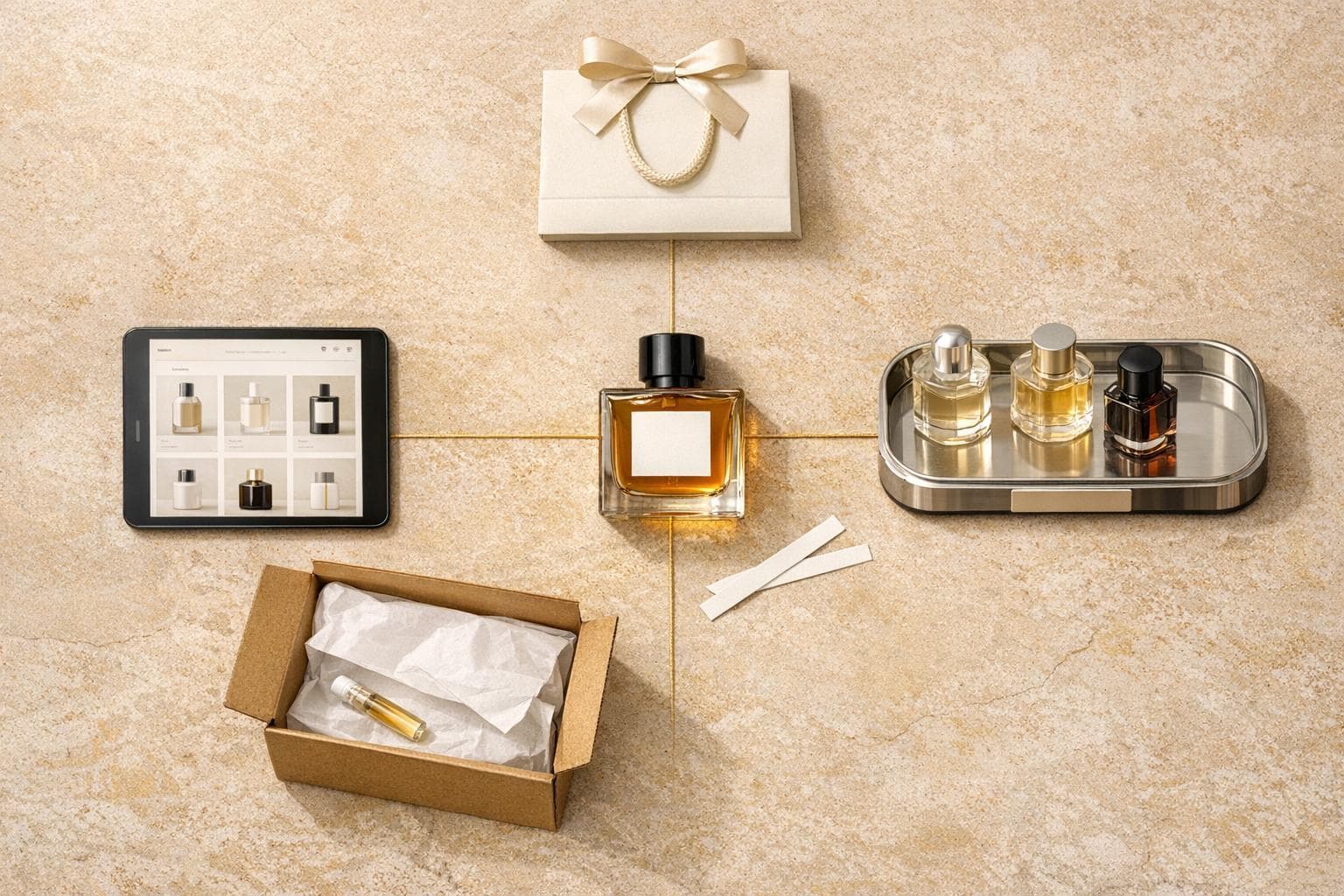
I profumi di nicchia sono in piena espansione: secondo le stime raggiungeranno i 4,5 miliardi di euro entro il 2033, con una crescita annua del 6,8%. Il loro successo si fonda su strategie di distribuzione esclusive che privilegiano l’artigianalità e la rarità rispetto al consenso di massa. A differenza delle fragranze mainstream, i marchi di nicchia danno priorità a canali selettivi per preservare il proprio posizionamento di alta gamma. Punti chiave:
- Cosa rende unici i profumi di nicchia: Produzione in piccoli lotti, profili olfattivi audaci e narrazione prendono il posto della pubblicità convenzionale. La disponibilità limitata ne amplifica l’attrattiva.
- L’impatto della distribuzione: I canali di vendita esclusivi (come boutique monomarca e rivenditori di lusso) consolidano lo status premium del brand. Un’esposizione eccessiva, ad esempio nei duty-free, rischia di comprometterne la percezione.
- I principali canali di distribuzione:
- Boutique specializzate: Offrono un’esperienza d’acquisto intima e personalizzata, sebbene con una portata limitata.
- Grandi magazzini di lusso: Intercettano una clientela facoltosa, ma richiedono un’identità di marca di grande impatto.
- Direct-to-Consumer (DTC): Garantisce il pieno controllo su prezzi e narrazione del marchio, a fronte di maggiori costi logistici.
- Marketplace di e-commerce: Ampliano la portata a livello globale, riducendo tuttavia il controllo diretto sul brand.
Trovare il giusto equilibrio tra esclusività e accessibilità è fondamentale. I marchi di successo sanno allineare i propri canali distributivi con la propria visione artistica, sfruttando piattaforme fisiche e digitali per entrare in contatto con una clientela esigente.
Strategie vincenti per orientarsi tra oltre 280 marchi di nicchia a Esxence
Main Distribution Channels for Niche Perfumes
Confronto tra i canali di distribuzione dei profumi di nicchia: vantaggi e sfide
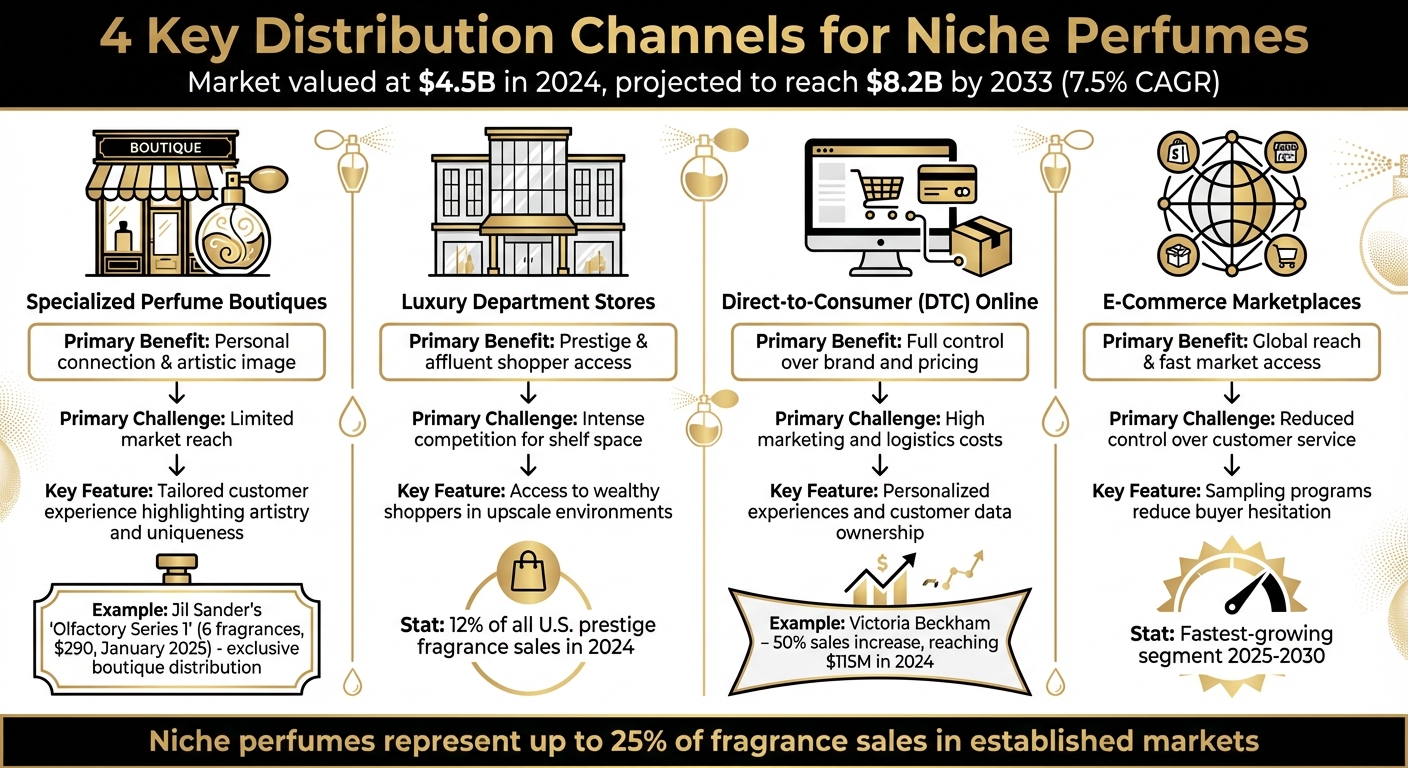
I marchi di profumeria artistica ricorrono principalmente a quattro canali strategici per raggiungere il proprio pubblico. Il mercato delle fragranze di nicchia, valutato 4,5 miliardi di dollari nel 2024, dovrebbe raggiungere gli 8,2 miliardi di dollari entro il 2033, con un CAGR del 7,5%. Nei mercati più consolidati, queste creazioni rappresentano già fino al 25% delle vendite complessive di profumi. Ciascun canale richiede una strategia dedicata per salvaguardare l’esclusività del brand espandendone al contempo la visibilità.
Boutique specializzate e concept store
Queste boutique offrono un’esperienza su misura capace di valorizzare la dimensione artistica e l’unicità delle fragranze di nicchia. Consentono ai marchi di instaurare un legame diretto e personale con la clientela, esaltandone l’esclusività e la cura artigianale. Ad esempio, a gennaio 2025, Jil Sander ha presentato "Olfactory Series 1", una collezione di sei fragranze dal prezzo di $290. Per preservarne l’aura di esclusività, la maison ha scelto di distribuirla unicamente attraverso le proprie boutique, rinunciando ai classici banchi della grande distribuzione.
Grandi magazzini di lusso
I department store più prestigiosi permettono ai marchi di nicchia di farsi conoscere da acquirenti alto-spendenti all’interno di contesti d’élite. Collaborare con questi retailer eleva l’immagine e il valore percepito della maison. La concorrenza per ottenere visibilità a scaffale è tuttavia serrata: questi spazi richiedono una qualità ineccepibile, packaging dal forte impatto visivo e una narrazione del brand impeccabile. Nonostante tali complessità, nel 2024 le fragranze di lusso hanno rappresentato il 12% di tutte le vendite di profumi prestige negli Stati Uniti, crescendo a un ritmo superiore rispetto all’intero settore.
Piattaforme online Direct-to-Consumer
La vendita diretta tramite il proprio sito web consente ai brand di mantenere il controllo assoluto su politiche di prezzo, storytelling e dati dei clienti. Questo approccio favorisce inoltre esperienze personalizzate, come consigli olfattivi su misura, svincolandosi dalla dipendenza dai retailer convenzionali. Sherif Guirgis, CEO di Violet Grey, illustra:
"Molte di queste realtà hanno ormai una linea diretta con il consumatore grazie alle proprie piattaforme... nel valutare il canale wholesale, non ne hanno più bisogno nello stesso modo in cui si faceva un tempo, quando l’intero volume delle fragranze passava dai grandi department store."
Nel 2023, Victoria Beckham ha presentato la sua prima linea di profumi con tre fragranze posizionate intorno ai $300. Unendo una strategia direct-to-consumer a una presenza selettiva nel retail, il brand ha registrato un incremento del 50% delle vendite complessive, raggiungendo i 115 milioni di dollari nel 2024. Allo stesso modo, realtà come Scento adottano modelli direct-to-consumer, proponendo decant per coinvolgere attivamente gli appassionati.
Marketplace di e-commerce
Le piattaforme online di terze parti offrono ai marchi di nicchia un accesso tempestivo ai mercati globali, senza la necessità di sviluppare complesse infrastrutture di vendita proprietarie. Molti marketplace integrano inoltre programmi di campionatura, ideali per rassicurare l’acquirente prima dell’acquisto di creazioni dal prezzo elevato. Tra il 2025 e il 2030, la distribuzione online si prospetta come il segmento a più rapida espansione nel mercato dei profumi negli Stati Uniti. Guirgis evidenzia come i brand oggi selezionino partner all’ingrosso capaci di "portare valore aggiunto" e di sposare pienamente il loro approccio narrativo.
| Canale di distribuzione | Vantaggio principale | Sfida principale |
|---|---|---|
| Boutique specializzata | Relazione personalizzata e immagine artistica | Raggio d’azione limitato sul mercato |
| Grandi magazzini di lusso | Prestigio e accesso a clienti facoltosi | Intensa competizione per gli spazi a scaffale |
| DTC online | Pieno controllo sul brand e sul pricing | Costi elevati di marketing e logistica |
| Marketplace e-commerce | Portata globale e rapido ingresso sul mercato | Minore controllo sul servizio clienti |
Ogni canale gioca un ruolo determinante nell’equilibrio tra esclusività e apertura a nuovi mercati, garantendo che l’identità del marchio rimanga intatta pur raggiungendo nuovi orizzonti.
Collaborare con i retailer del lusso
Sulla scia dei canali esclusivi, stringere alleanze con rivenditori di lusso rappresenta una leva formidabile per consolidare il prestigio di un marchio e aprire le porte a un pubblico ad alto potere d’acquisto. La selezione dei partner commerciali può decretare il successo o il declino dell’immagine di un profumo di nicchia. Una collaborazione poco mirata rischia di diluirne l’esclusività, mentre una sinergia armoniosa ne esalta la reputazione, presentandolo a clienti pronti a riconoscere il valore di un prezzo premium. A titolo d’esempio, nell’ottobre 2025, Kering e L’Oréal hanno finalizzato un accordo strategico che ha coinvolto la prestigiosa casa di fragranze Creed. L’intesa ha concesso a L’Oréal una licenza esclusiva di 50 anni per lo sviluppo e la distribuzione di profumi e creazioni beauty per marchi del gruppo Kering come Balenciaga e Bottega Veneta. Operazioni di questa portata testimoniano la straordinaria efficacia di collaborazioni commerciali ben calibrate.
Selezionare i partner di vendita ideali
Il fondamento di una partnership di successo risiede nell’allineamento perfetto tra il pubblico del rivenditore e il proprio target. Il prestigio formale del punto vendita non è sufficiente: è indispensabile analizzare a fondo i dati demografici della clientela, compresi età, reddito e stile di vita. Per fare un esempio, i giovani acquirenti del settore lusso – tra cui il 65% della Generazione Z e il 63% dei Millennial – si dichiarano propensi a spendere di più per prodotti ecologicamente sostenibili. La condivisione dei valori diventa così una condizione essenziale quando ci si rivolge a questi segmenti.
Altrettanto determinante è la solidità economica dei potenziali partner. Un’attenta due diligence sulla reputazione creditizia e sulla puntualità nei pagamenti è cruciale per preservare la stabilità dei flussi di cassa. Parallelamente, occorre valutare la loro affidabilità sotto il profilo operativo. Se le fragranze commerciali garantiscono solitamente ai retailer margini compresi tra il 25% e il 35%, i marchi di nicchia assicurano marginalità ben superiori, dal 70% all’85%. Tali intese presuppongono tuttavia la capacità del rivenditore di rispettare quantitativi minimi d’ordine e di avvalersi di sistemi avanzati di monitoraggio delle scorte.
Prima di siglare accordi vincolanti a lungo termine, i brand possono avviare progetti pilota della durata di tre-sei mesi. Questa fase di prova, imperniata su una selezione mirata di referenze o limitata ad aree geografiche prescelte, consente di verificare la compatibilità operativa. Permette inoltre di accertarsi che il personale del negozio sappia raccontare la storia della maison con la dovuta accuratezza. Come sottolinea Carlo Pignataro, autorevole esperto di customer experience nel settore del lusso:
"Gli assistenti alla vendita sono i primi clienti e ambasciatori di un marchio. Se non ne sono conquistati... non saranno mai in grado di trasmetterne il messaggio".
Una volta consolidata la relazione, le attività di co-branding e il marketing esperienziale possono amplificare ulteriormente l’esclusività e il legame con la clientela.
Co-branding e marketing esperienziale
Se le partnership selettive costituiscono una base solida, le strategie congiunte di marketing permettono di amplificare la narrazione del brand e stringere un legame più profondo con gli intenditori. Ne è testimonianza Francesco Ragazzi, fondatore di Palm Angels, che nel febbraio 2025 ha lanciato l’esclusiva collezione di fragranze "Reservation". Scegliendo Violet Grey come partner commerciale esclusivo per il mercato statunitense, Ragazzi ha custodito intatta l’identità sofisticata e di nicchia del progetto, accrescendone la percezione di preziosa rarità.
Il retail fisico offre opportunità sensoriali che il digitale non può replicare. Esperienze all’interno del punto vendita – come workshop olfattivi e fragrance bar personalizzati – coinvolgono i visitatori su un piano profondamente emozionale. Gli studi indicano che la diffusione di fragranze personalizzate negli spazi commerciali può incrementare le vendite fino al 20%, mentre i profumi hanno un’efficacia del 65% nel risvegliare memorie ed emozioni. Incontri guidati dai fondatori o dai direttori creativi, sia in boutique che via streaming, rinsaldano la complicità tra la maison e il suo pubblico attraverso la condivisione autentica della propria visione. François Duquesne, CEO di Maison Duquesne, riassume perfettamente questa filosofia:
"Non lo si può gestire come un bene di largo consumo: è un settore molto più rock & roll. Chi c’è dietro il marchio? Si confronta di persona con il pubblico?".
Va ricordato che il marketing esperienziale comporta spesso investimenti aggiuntivi. Molti retailer specializzati richiedono ai marchi un contributo per le attività promozionali, tra cui l’impiego di personale dedicato e i costi di campionatura. Seppur considerevoli, tali oneri rappresentano un autentico investimento per tessere quelle connessioni emotive che generano fidelizzazione e acquisti reiterati nell’universo del lusso.
Il tuo esperto di profumi personale ti aspetta
Fai il nostro veloce quiz olfattivo per scoprire autentici profumi di design e di nicchia scelti in base ai tuoi gusti: esplorali in decant e campioni da 2, 5, 8 e 30 ml, così puoi provarne ognuno prima di scegliere il flacone intero.
Trova il tuo profumoDistribuzione digitale e tendenze dell’e-commerce
L’ascesa dello shopping online ha trasformato radicalmente il modo in cui il pubblico scopre e acquista le creazioni olfattive. Oggi circa il 33% delle vendite totali di profumi avviene online, e le proiezioni stimano che l’e-commerce di fragranze potrebbe raggiungere i 5 miliardi di dollari entro il 2027. Questa crescita straordinaria è guidata da tecnologie all’avanguardia che colmano il divario della percezione olfattiva a distanza, riducendo l’esitazione nell’acquisto a scatola chiusa di fragranze di lusso. Questi progressi hanno inoltre consentito ai social media di assumere un ruolo cardine nel mettere in contatto le maison di nicchia con il proprio pubblico.
L’impatto dei social media sul marketing dei profumi di nicchia
Piattaforme come Instagram e TikTok sono divenute i canali prediletti per l’esplorazione delle fragranze artistiche. Rispetto alla comunicazione tradizionale, questi canali prosperano su contenuti autentici creati dagli utenti, capaci di suscitare curiosità e dare vita a nuove tendenze. Attraverso una narrazione visiva ricca ed evocativa, i brand traducono la magia sensoriale delle composizioni per mezzo di immagini e linguaggi descrittivi. Le video-recensioni spontanee e i commenti della community apportano un grado di credibilità e fiducia che le campagne patinate non riescono a trasmettere. Per i segmenti più giovani, in particolare la Generazione Z, questi spazi fungono da punto di riferimento per valutare l’etica del marchio, la sostenibilità dell’approvvigionamento e la trasparenza.
Personalizzazione e servizi in abbonamento
L’intelligenza artificiale sta ridefinendo il percorso verso la fragranza ideale, elaborando variabili come gusti personali, chimica della pelle e stile di vita. Nel novembre 2025, la piattaforma parigina Scento ha annunciato un investimento di 27 milioni di dollari volto a potenziare la propria tecnologia predittiva e la filiera certificata in 19 mercati europei. Con un raffinato catalogo di oltre 90 maison designer e di nicchia, Scento impiega algoritmi di machine learning per creare profili olfattivi evolutivi, che si modellano sui gusti degli utenti. Il CEO Sebastian Dobrincu sottolinea:
"L’esperienza di scoperta risulta intima, intelligente e fluida: i clienti scelgono di tornare perché la piattaforma asseconda l’evoluzione delle loro preferenze, non per via di vincoli imposti da rigidi modelli in abbonamento."
Questo modello sposta il paradigma dall’acquisto esclusivo di un singolo flacone alla cura del proprio "guardaroba olfattivo". Invece di investire immediatamente in una confezione da 300 €, i clienti possono esplorare piccoli formati e decant fino a 8ml. Semplificando il percorso di scoperta, la personalizzazione ha innalzato i tassi di conversione al 2–4%, offrendo agli appassionati la serenità necessaria per esplorare e investire nelle creazioni che amano davvero.
Coltivare relazioni solide con i partner di distribuzione
La ricerca dei partner ideali
L’individuazione dei rivenditori più adatti comincia dall’osservazione dei luoghi già frequentati dai vostri clienti. Raccogliete indicazioni direttamente dalla vostra base acquirenti: quali boutique menzionano nelle recensioni o sui social network? Otterrete così una rosa mirata di indirizzi su cui lavorare, evitando di procedere per tentativi.
Andate oltre i semplici parametri anagrafici o di reddito. Verificate se i negozi trattano concorrenti diretti: in tal caso, valutate attentamente se la vostra proposta possiede quel tratto distintivo necessario a catalizzare l’attenzione, scongiurando il rischio di rimanere in secondo piano.
Per i marchi emergenti, le boutique indipendenti e le profumerie d’autore rappresentano la scelta d’elezione: sono più accessibili e applicano percentuali di intermediazione inferiori rispetto ai colossi della grande distribuzione. Quando valutate distributori di maggiori dimensioni, richiedete i loro elenchi di punti vendita (le cosiddette "door lists") per conoscere l’esatta collocazione delle boutique in cui sarà esposto il vostro prodotto, accertandovi che il target sia in linea con il vostro posizionamento. Iniziate con progetti pilota su scala ridotta – contratti a breve termine (3–6 mesi) con una rosa selezionata di SKU – per testare il mercato prima di un lancio complessivo.
Una volta definiti i partner ideali, concentratevi sull’arte di presentare la maison con la massima efficacia.
Presentare il brand ai retailer
I rivenditori ricercano un elemento cardine: la certezza che il vostro prodotto favorisca la crescita del fatturato e del valore medio dello scontrino. Avvalorate la vostra proposta con dati di vendita precisi e illustrate come la vostra offerta si integri nelle loro priorità strategiche, dalle scelte di sostenibilità all’inaugurazione di nuovi spazi. Mettete in risalto anzitutto il vostro prodotto di punta: dati commerciali solidi ispirano credibilità e fiducia immediata.
Perfezionate la vostra presentazione: provatela, registratela e limatela nei dettagli per assicurarvi un’esposizione incisiva, elegante e sicura.
Qualora il rivenditore mostri incertezze, proponete una formula di conto vendita in cui il pagamento sia vincolato alle sole unità effettivamente vendute. Questa modalità azzera il loro rischio iniziale e offre alla maison l’opportunità di dimostrare il proprio valore commerciale prima di passare alle forniture all’ingrosso tradizionali. Partecipate a fiere e manifestazioni di settore come ScentXplore o Esxence per intessere relazioni: la presenza non impone necessariamente uno stand di proprietà, poiché i contatti individuali e la distribuzione curata di campioni possono rivelarsi altrettanto determinanti. Questi passaggi consentono di allargare la rete distributiva senza compromettere il profilo esclusivo del brand.
L’armonia tra distribuzione fisica e digitale
Una presenza online autorevole rende il brand infinitamente più desiderabile agli occhi dei negozi fisici. François Duquesne, CEO e Fondatore di Maison Duquesne, puntualizza:
"Si possono corteggiare i retailer, ma è fondamentale costruire prima il valore del marchio, affinché siano loro a voler entrare nella partita".
I commercianti accoglieranno il vostro ingresso con entusiasmo se constateranno l’esistenza di una clientela fedele e di una community virtuale fortemente coinvolta.
I consumatori omnicanale acquistano con una frequenza 1,7 volte superiore rispetto a chi utilizza un solo canale: presidiare con cura sia l’ambiente fisico che quello digitale non serve solo ad ampliare il bacino di acquirenti, ma stimola una maggiore frequenza d’acquisto. Detto questo, le case di profumeria artistica devono vigilare attentamente sulla propria aura di rarità. Selezionate con rigore i punti vendita destinati a ospitare le vostre fragranze, verificando che rispettino pienamente la politica di prezzo e l’identità del brand.
Nelle boutique tradizionali, il personale di vendita costituisce il vostro primo avamposto di eccellenza. Carlo Pignataro ribadisce:
"Gli assistenti alla vendita sono i primi clienti e ambasciatori di un marchio. Se non ne sono conquistati... non saranno mai in grado di trasmetterne il messaggio".
Istruite con dedizione i consulenti di vendita sulle piramidi olfattive, sull’origine delle materie prime e sull’ispirazione delle vostre creazioni. Per il versante online, tracciate una pianificazione a 3-5 anni, preservando l’elasticità necessaria per rispondere alle fluttuazioni del mercato. Mantenete una condotta trasparente sui tempi di manifattura e sui calendari di spedizione: mancare una data di lancio concordata può compromettere in modo irreparabile la stima e la fiducia dei vostri partner commerciali. Attraverso una misurata integrazione tra strategia digitale e retail fisico, potrete dare vita a una rete distributiva solida, armonica ed efficace.
Conclusioni
La selezione consapevole dei canali distributivi è la condizione essenziale per salvaguardare l’integrità artistica del vostro marchio. La profumeria di nicchia prospera sull’autenticità: ogni punto vendita partner, vetrina digitale e programma di campionatura deve riflettere la storia e i principi della maison. Un canale non idoneo rischia di vanificare l’esclusività faticosamente costruita, mentre l’alleato perfetto ne esalta il prestigio.
Uno dei principali ostacoli per l’appassionato risiede nell’onere economico legato all’acquisto a scatola chiusa di un flacone intero, il cui costo oscilla frequentemente tra 150 $ e oltre 350 $. Introdurre opzioni di scoperta preliminare – come piccole fiale proposte a circa 3,20 € o formati da viaggio da 8ml tra i 15 € e i 20 € – offre un approccio rassicurante per esplorare le composizioni della casa. Questa formula dissolve le indecisioni dell’acquirente, consolidando al contempo il posizionamento d’alta gamma del marchio.
Accanto alla dimensione della boutique tradizionale, gli strumenti digitali svolgono una funzione insostituibile nel dare voce alla narrazione della maison. Per superare i limiti della distanza sensoriale sul web, un lessico evocativo – come "luminosi tocchi agrumati al sorgere del sole" – contribuisce a restituire l’anima intima di una fragranza. Affiancate a immagini d’autore e a percorsi interattivi come test olfattivi personalizzati, queste soluzioni ricreano l’atmosfera esclusiva di una profumeria anche sullo schermo. Narrazioni spontanee, filmati d’ispirazione artigianale o testimonianze dirette del creatore stabiliscono spesso con l’appassionato un’intesa più autentica rispetto a campagne promozionali eccessivamente costruite.
I canali fisici e quelli digitali devono procedere all’unisono, arricchendosi reciprocamente. Dalla maestria di un assistente alle vendite dedicato alla cura impeccabile dell’esperienza digitale, ogni punto di contatto è chiamato a esaltare la singolarità del marchio. Esattamente come le boutique d’autore mettono in luce il talento dei nasi e l’eccellenza della formulazione, gli spazi digitali immersivi possono sublimare la poesia e l’ispirazione della vostra maison.
I marchi capaci di distinguersi considerano la distribuzione come un autentico prolungamento del proprio percorso artistico: canali che ne condividono l’etica non si limitano a costruire autorevolezza, ma danno vita a una devozione duratura nel tempo.
Domande frequenti
In che modo i marchi di profumi di nicchia preservano l’esclusività della loro distribuzione?
I marchi di profumi di nicchia custodiscono la propria esclusività realizzando composizioni in tirature limitate e vigilando attentamente sulla filiera distributiva. Rifiutando i canali del mercato di massa, queste realtà scelgono di collaborare con boutique di lusso selezionate o di gestire le vendite attraverso i propri spazi monomarca, offrendo un’esperienza d’acquisto intima, attenta e su misura.
Un altro elemento fondamentale è la centralità riservata alla narrazione e all’estro creativo. Queste maison prediligono materie prime di eccezionale pregio e formulazioni originali, creando profumi percepiti come rari e preziosi. Questo connubio tra disponibilità contenuta ed eccellenza manifatturiera seduce un pubblico sofisticato, alla ricerca di distinzione e vero lusso per la propria firma olfattiva.
Quali sono i vantaggi e gli svantaggi delle piattaforme direct-to-consumer per la profumeria di nicchia?
I canali direct-to-consumer (DTC) dischiudono opportunità straordinarie per le case di profumeria artistica. L’eliminazione degli intermediari commerciali permette di preservare marginalità sensibilmente superiori. L’aspetto più prezioso risiede tuttavia nel dialogo diretto con la clientela, che consente di raccogliere impressioni in tempo reale, comprenderne le preferenze e offrire consigli personalizzati. Questa sintonia diretta si traduce in una fedeltà più duratura e in una maggiore ricorrenza d’acquisto.
Il modello DTC comporta nondimeno complessità rilevanti. Strutturare una presenza web all’altezza del posizionamento esige investimenti consistenti in tecnologie digitali, strategie di posizionamento e logistica impeccabile. I brand devono inoltre gestire i costi di acquisizione dei clienti e farsi notare in un panorama competitivo. Il successo richiede narrazioni capaci di lasciare il segno, identità visive raffinate e iniziative di marketing non convenzionali, tra cui campagne social mirate e intese con figure di riferimento del settore.
Pur costituendo una direttrice preziosa per espandersi e avvicinarsi al pubblico, il canale diretto richiede una visione strategica lungimirante e una cura costante dei rapporti.
In che modo i marchi di profumi di nicchia possono armonizzare la distribuzione online con quella nei punti vendita fisici?
I marchi di profumi di nicchia possono raggiungere il perfetto equilibrio tra commercio digitale e vendita fisica dosando con cura ricercatezza e facilità di scoperta. La presenza in profumerie d’eccellenza e boutique prestigiose che rispecchiano i valori del marchio ne preserva l’aura di preziosa artigianalità. L’esperienza vissuta all’interno dello spazio fisico impreziosisce l’immagine della maison, offrendo ai visitatori un contatto tattile, olfattivo e profondamente coinvolgente con le creazioni.
Al contempo, una strategia digitale ben congegnata è indispensabile per entrare in sintonia con gli acquirenti più evoluti. Per mezzo dell’e-commerce, di percorsi di consulenza virtuali e dei canali social, i brand possono rivolgersi a un pubblico internazionale. La disponibilità sul web di formule di prova, cofanetti discovery o decant di piccolo formato incoraggia la scoperta senza richiedere l’acquisto immediato della bottiglia standard. Questo metodo favorisce la fidelizzazione e limita gli sprechi.
Integrando con sensibilità partnership commerciali selezionate e un ecosistema digitale evoluto, le maison di nicchia possono allargare i propri orizzonti custodendo intatta la propria singolare identità.

