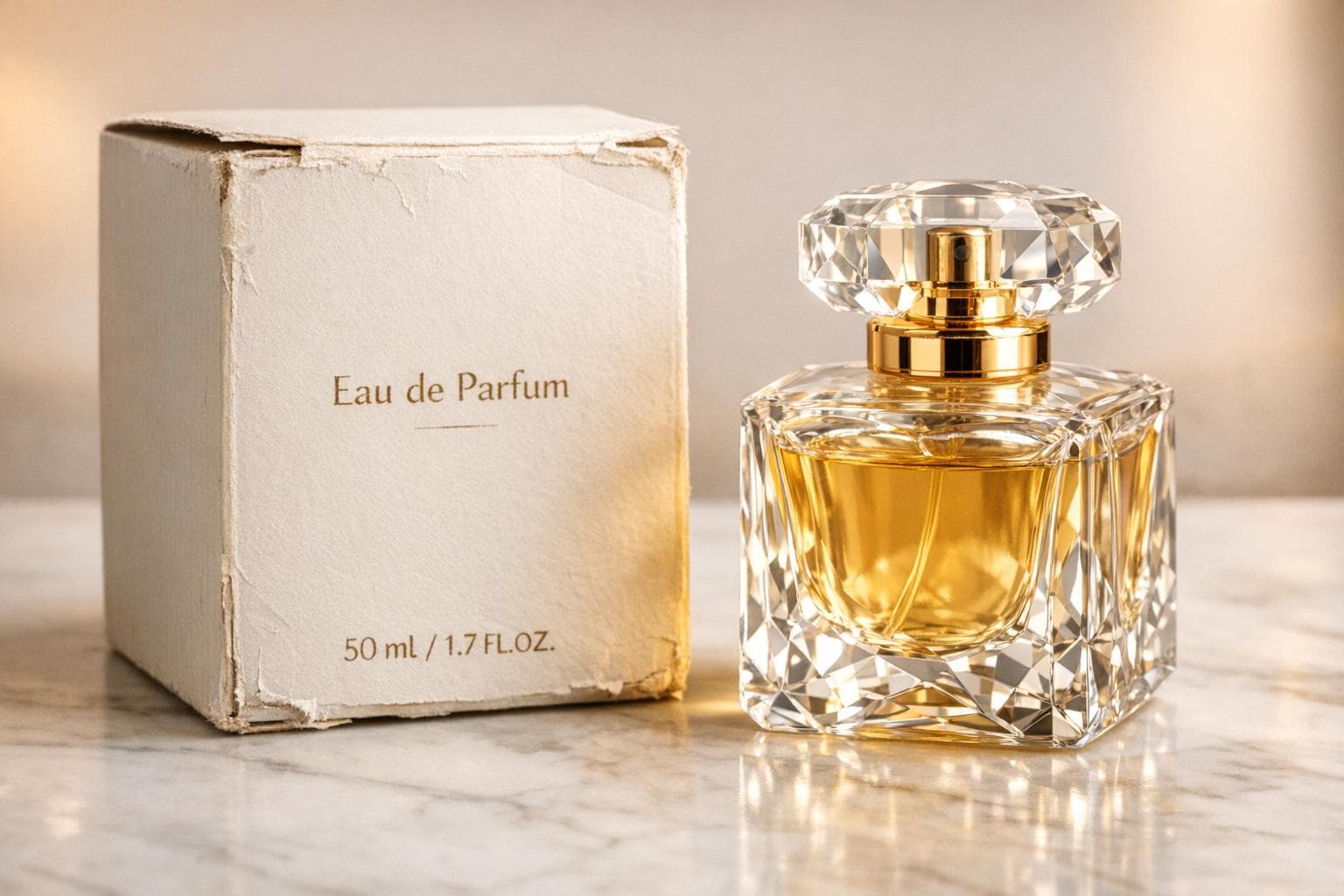
Fake perfumes are everywhere, and knowing how to spot them can save you money - and protect your health. Counterfeiters often fail to replicate the precision of genuine fragrances, especially when it comes to packaging and bottle details. Here’s what you need to know:
- Batch Codes: Always match the batch code on the box with the one on the bottle. If they don’t align or are missing, it’s a clear warning sign.
- Packaging Quality: Real perfume boxes are sturdy with clean, narrow seams and high-quality printing. Counterfeits often have flimsy materials, messy glue marks, or blurry text.
- Bottle Details: Genuine bottles use thick, smooth glass, while fake ones may feel lightweight or have visible flaws like bubbles or rough edges. Caps should click securely, and spray nozzles should deliver a fine mist.
- Health Risks: Counterfeit perfumes can contain harmful chemicals that cause skin irritation, burns, or respiratory issues.
When in doubt, buy from trusted retailers and verify batch codes online. Paying attention to these details ensures you get what you pay for while avoiding potential health risks.

Authentic vs Counterfeit Perfume: Visual Comparison Guide
Fake Perfume Scams EXPOSED 🚨 | How to Spot Fake Fragrances (Creed, MFK, Parfums de Marly) | MaxAroma
1. Packaging
When it comes to detecting counterfeit perfumes, the packaging is your first clue. Luxury brands invest heavily in high-quality materials and precise designs, making it difficult for counterfeiters to mimic. Paying close attention to these details can help you identify an authentic product.
Material Quality
The first thing to check is the quality of the box. Genuine perfume boxes are crafted from thick, sturdy paperboard that protects the bottle during transit and display. Counterfeit boxes often feel flimsy and lightweight in comparison.
"If the box feels flimsy or poorly constructed, that’s a major red flag." – Maison D’Abba
The cellophane wrapping is another important detail. Authentic cellophane is tightly wrapped, with barely any give when touched. If it crinkles or shifts too easily, that’s a sign the product might not be genuine. Additionally, authentic seams are neat and narrow (usually under 0.2 inches), while counterfeits often show messy glue marks or wider, uneven seams.
Inside the box, the bottle should sit snugly in its insert. If it rattles or moves loosely when shaken, it’s a clear indicator of poor construction and likely a fake.
Design Precision
Beyond material quality, the precision of the packaging design speaks volumes about authenticity. Genuine packaging is flawless, with textures, colors, and finishes that align perfectly with the brand’s standards. Counterfeit packaging, on the other hand, often has subtle inconsistencies, such as slightly off-color tones or a cheaper finish.
Barcodes are another detail to examine. On authentic packaging, the barcode is always placed on the lower back of the box - not on the sides. Additionally, the batch code printed on the box should match the one on the bottle.
Logo and Label Clarity
Luxury brands use advanced printing techniques to ensure their logos and text are sharp, vibrant, and perfectly aligned. Counterfeit packaging frequently features blurry edges, uneven ink coverage, or misaligned elements.
"Spelling errors, misaligned text, or inconsistent typography are big giveaways of counterfeit products." – Maison D’Abba
Pay close attention to the typography. Authentic brands maintain strict font standards, ensuring consistent spacing and weight for every letter. Counterfeiters may use slightly different fonts or substitute similar-looking characters. Be on the lookout for spelling mistakes, grammatical errors, or awkward layouts, as these are clear signs of a fake.
Here’s a quick comparison to guide you:
| Feature | Authentic Packaging | Counterfeit Packaging |
|---|---|---|
| Logo/Text | Sharp, crisp edges | Blurry or poorly printed |
| Typography | Consistent fonts and spacing | Inconsistent or substituted fonts |
| Color | Precise brand matching | Dull or overly bright hues |
| Barcode | Lowest back portion | Missing or placed on sides |
To go a step further, you can use your smartphone to scan the barcode. This should confirm the country of origin matches the brand’s known manufacturing locations. Additionally, tools like CheckFresh.com can help verify the batch code’s legitimacy.
2. Bottle
Once you’ve examined the packaging, it’s time to take a closer look at the bottle itself. High-end brands dedicate immense attention to crafting bottles that exude quality and sophistication, while counterfeiters often skimp on details, making their flaws easier to detect.
Material Quality
The glass quality is a major giveaway. Authentic perfume bottles are made from thick, durable glass that feels weighty and balanced in your hand. The surface is flawlessly smooth and clear, with no rough edges or visible seams. On the other hand, counterfeit bottles often use thinner glass or even plastic, resulting in a lightweight, cheap feel. Genuine bottles undergo strict manufacturing standards, so imperfections like air bubbles or jagged edges are rare. If the cap feels loose, wobbly, or misaligned, it’s another sign of a fake - authentic caps are designed to fit snugly and click securely into place.
"Original bottles feel heavy, balanced, and luxurious. Glass will be smooth, with perfect engravings and logos." – Clinic Advisor
Take a look at the dip tube as well. Authentic bottles feature a thin, precisely cut tube that is almost unnoticeable. Counterfeit versions often have thicker, longer tubes that may bend or look clumsy. These small details can reveal a lot about a bottle’s authenticity.
Design Precision
Luxury bottles are crafted with meticulous attention to detail, often appearing as seamless and symmetrical works of art. Counterfeit bottles, by contrast, frequently show misaligned seams, uneven shapes, or rough finishes. The spray nozzle is another key indicator: genuine nozzles deliver a fine, even mist, while counterfeit ones might sputter, leak, or spray unevenly. To ensure everything matches up, check that the batch codes and design elements on the bottle align perfectly with those on the packaging.
Logo and Label Clarity
The quality of the logo and label is another major differentiator. High-end brands either etch their logos directly into the glass or use perfectly printed labels that adhere to strict branding standards. Run your fingers over the logo - authentic engravings will feel smooth and precise, while counterfeit ones may be rough or poorly painted.
"Legitimate manufacturers never tolerate sloppy labeling. If anything about the label looks ‘off,’ it’s likely a forgery trying to pass as the real thing." – GQ India
Look for spelling mistakes, inconsistent fonts, or blurry text on the label. Authentic bottles include clear and accurate details like batch codes, ingredient lists, and allergen information. If anything appears smudged, missing, or unclear, it’s a strong indication of a fake.
Manufacturing Flaws
Even the liquid inside the bottle can offer clues. Authentic designer fragrances usually have subtle, pale colors, while counterfeit versions might look overly bright or cloudy. The overall construction of the bottle should feel premium, with no aspect seeming cheap or rushed.
| Component | Authentic Bottle | Counterfeit Bottle |
|---|---|---|
| Glass | Thick, heavy, smooth, and seamless | Thin, lightweight, with rough seams or bubbles |
| Cap | Snug, substantial, and clicks into place | Flimsy plastic, often loose or wobbly |
| Dip Tube | Thin, discreet, and precisely measured | Thick, overly long, and may bend |
| Sprayer | Produces a fine, even mist | Sputters, leaks, or sprays unevenly |
For additional verification, check the batch code on the bottle using websites like CheckFresh.com. This step can confirm if the production date matches the manufacturer’s records, helping you avoid falling for a counterfeit product.
Your Personal Fragrance Expert Awaits
Take our quick scent quiz to discover authentic designer and niche fragrances matched to your taste — explore them as 2ml, 5ml, 8ml & 30ml decants and samples, so you can try each one before committing to a full bottle.
Find Your ScentPros and Cons
After diving into the details of packaging and bottle design, it’s time to weigh the strengths and weaknesses of each inspection method.
Packaging serves as a quick, noninvasive check - you can examine the box, cellophane, and print quality without opening anything. Counterfeit products often reveal themselves through poor attention to detail, like blurry logos or flimsy cardboard. That said, barcodes can be easily faked with basic tools, and even authentic boxes can look questionable if they’ve been damaged in transit.
Bottle inspection, on the other hand, offers more reliable clues but requires opening the package. Authentic bottles often feature high-quality glass, the right weight, and caps that click securely into place - details that are challenging for counterfeiters to replicate. However, advanced fakes are becoming increasingly convincing, and issues like leaky sprayers might not be obvious until after purchase.
The most effective approach is to combine both methods. Match the batch code on the box with the one on the bottle, check it online through trusted sources, and pay close attention to the weight, feel, and overall craftsmanship. Hervé Mathieu from Scentissime sums it up perfectly:
"If it’s too good to be true, then it usually isn’t".
| Inspection Method | Advantages | Disadvantages |
|---|---|---|
| Packaging | Can be inspected without opening; flaws like poor printing and flimsy materials are common counterfeit signals. | Barcodes are easy to fake, and shipping damage can make genuine boxes look suspicious. |
| Bottle | High-quality glass, correct weight, and secure caps are harder to fake. | Requires opening the package; some counterfeits are nearly indistinguishable from real bottles. |
| Batch Code | Links the box and bottle, and can be verified against manufacturer databases. | Grey-market sellers sometimes erase codes to hide distribution origins. |
Conclusion
Ensuring the authenticity of a fragrance requires a meticulous review of both the packaging and the bottle. Counterfeiters often excel in replicating one aspect while falling short on another, so examining both is crucial for a reliable verification process.
One key step is matching the batch codes. The code on the box should perfectly align with the one on the bottle. Genuine batch codes typically consist of at least four characters and can be verified through online tools like CheckFresh.com. If the codes don’t match or one is missing, it’s a clear red flag - avoid the purchase.
Pay close attention to details that counterfeiters often overlook. Look for tight and even cellophane wrapping, flawless printing, high-quality glass, and a cap that clicks securely into place. You can also perform a bubble test - authentic formulas cause bubbles to dissipate within 10–15 seconds. By carefully inspecting these aspects, you can safeguard both your investment and your health.
Where you buy your fragrance is just as important as how you verify it. Stick to authorized retailers and trustworthy platforms like Scento, which source their products directly from perfume houses and maintain transparent supply chains. Considering the counterfeit industry accounts for a significant portion of a $500 billion market, choosing reputable sellers minimizes the risk before it even begins.
Double-check the codes, examine every detail of the product, and always purchase from sellers you trust.
FAQs
How can I check if my perfume’s batch code is authentic?
To check a perfume’s batch code, start by finding the engraved code on the bottom or side of the bottle. Genuine perfumes always have this code stamped into the material, not merely printed. Be sure to write it down exactly as it appears - any small error could affect the accuracy of your verification.
Once you have the code, head to the brand’s official website or reach out to their customer service team. Many brands provide tools or assistance to verify if the batch code corresponds to an authentic production run. These tools can often reveal details like the manufacturing date and location. Double-check that the production date makes sense with when you purchased the perfume. If there’s a significant mismatch, it could be a warning sign of counterfeit packaging or products.
Taking these steps can help ensure your perfume is genuine and matches its original packaging.
What health risks are associated with using fake perfumes?
Fake perfumes can be more than just a disappointment - they can seriously harm your health. Unlike genuine fragrances, counterfeit ones skip the strict safety checks that ensure products are safe for use. These knock-offs often include unregulated and harmful chemicals, such as cheap synthetic solvents, hidden allergens, and hormone-disrupting substances like phthalates, which are linked to reproductive health issues.
The risks aren’t just long-term; they can show up immediately. Users of fake perfumes have reported skin rashes, chemical burns, and even respiratory irritation. Alarming tests have uncovered contaminants in these products, including urine and other unsafe residues, which not only smell unpleasant but can expose users to dangerous pathogens. If you have sensitive skin or respiratory conditions, the dangers are even more pronounced. To safeguard your health, stick to authentic, properly regulated perfumes.
How can packaging help identify fake perfumes?
Packaging is one of the first things to examine when identifying counterfeit perfumes. Genuine fragrances come in meticulously crafted packaging, featuring high-quality materials, sharp printing, and tightly sealed cellophane. On the other hand, counterfeit versions often give themselves away with errors like misspelled words, blurry printing, flimsy boxes, or loosely wrapped cellophane.
Look closely at details such as the font style, logo placement, and overall finish. Even minor inconsistencies can be a clear sign that the perfume might not be authentic, helping you avoid a disappointing purchase.

