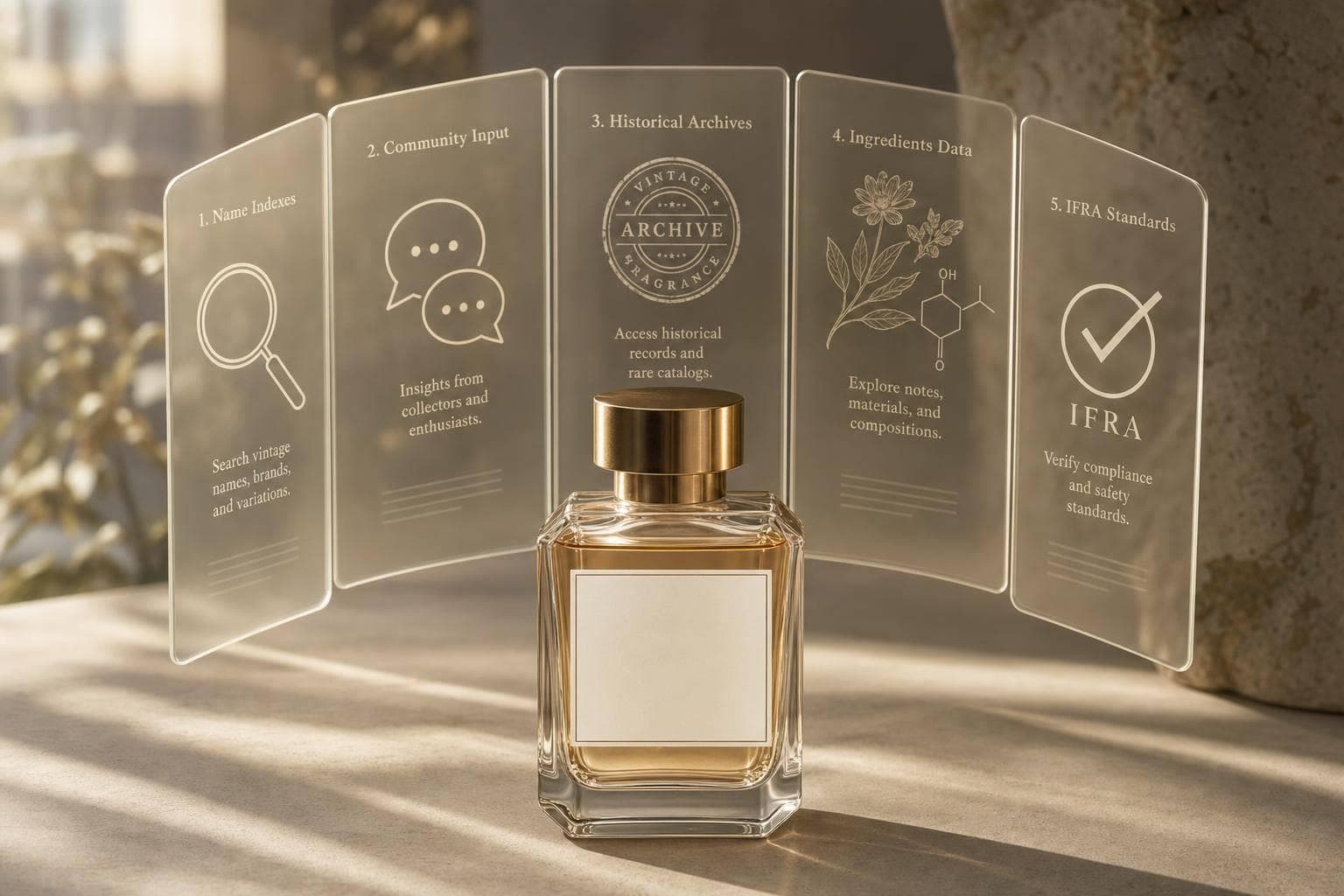
Si necesito localizar un perfume descatalogado o exclusivo, jamás confío en una sola base de datos. La estrategia más certera es sencilla: comenzar con un índice general de nombres, comprobar fotos del frasco y notas de lanzamiento, y confirmar después con archivos históricos o fuentes de ingredientes.
En esta guía, le recomiendo seguir este orden:
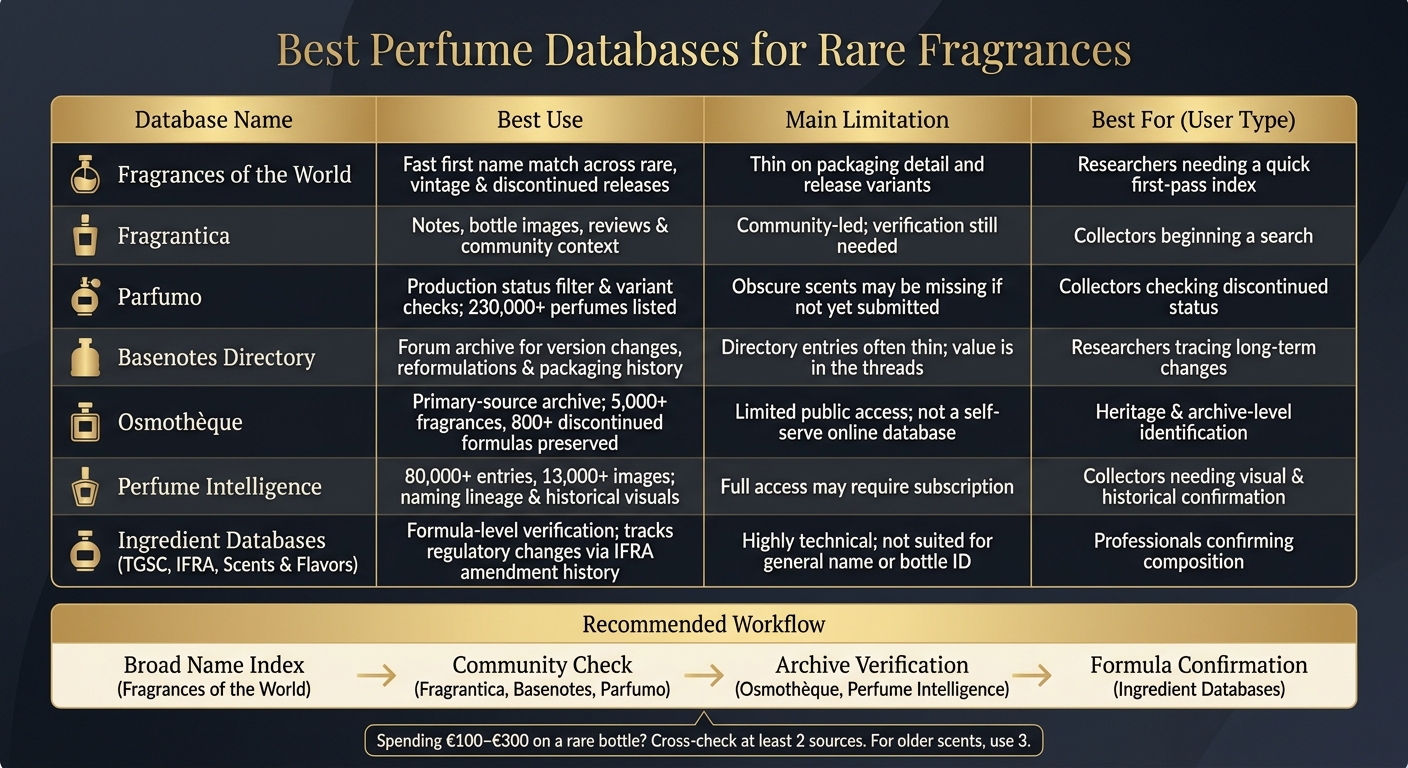
- Fragrances of the World para una primera coincidencia por nombre
- Fragrantica para notas olfativas, imágenes de frascos y comentarios de la comunidad
- Parfumo para verificar el estado de producción y variantes
- Basenotes para consultar hilos antiguos de foros y el historial del diseño exterior
- Osmothèque para registros patrimoniales y fórmulas descatalogadas
- Perfume Intelligence para imágenes de época, evolución de nomenclaturas y fechas de lanzamiento
- Bases de datos de ingredientes para verificar la fórmula y las normativas de la IFRA
Si estuviera a punto de invertir entre 100 € y 300 € en una botella difícil de encontrar, contrastaría al menos dos fuentes, y en el caso de creaciones más antiguas, consultaría tres. Así se reduce drásticamente el riesgo de confundir una reedición, un cambio de nombre o una reformulación posterior.
Comparativa rápida:
| Recurso | Mejor uso | Principal limitación |
|---|---|---|
| Fragrances of the World | Búsqueda inicial rápida | Escaso detalle visual |
| Fragrantica | Notas, reseñas y contexto del lanzamiento | Estados de descatalogación basados en usuarios |
| Parfumo | Estado de producción y variantes | Ausencia de algunas creaciones muy minoritarias |
| Basenotes | Historial en foros y cambios de versión | Fichas de catálogo a veces escuetas |
| Osmothèque | Verificación en archivos patrimoniales | Acceso público limitado |
| Perfume Intelligence | Imágenes históricas y evolución de nombres | El acceso completo puede ser de pago |
| Bases de datos de ingredientes | Coherencia de la fórmula y cambios normativos | Demasiado técnicas para una identificación básica |
En resumen: recurra primero a bases de datos generales, continúe con fuentes de archivo y finalice con referencias químicas.
Mejores bases de datos de perfumes para fragancias exclusivas: guía rápida comparativa
1. Fragrances of the World
Utilice esta base de datos como primer paso cuando ya conozca el nombre de la fragancia y necesite una confirmación inmediata.
Fragrances of the World destaca como índice de primera consulta para nombres de perfumes descatalogados, vintage o difíciles de hallar. Permite acotar la búsqueda con precisión y sin pretensiones innecesarias. Este detalle es fundamental, ya que, tratándose de creaciones antiguas, una coincidencia cercana puede no ser la correcta.
Considérela principalmente una herramienta de cotejo de nombres. Compruebe después su cobertura directamente si busca una confirmación exacta. Una vez localizada la entrada, continúe con fuentes que ofrezcan imágenes de frascos y variaciones de lanzamiento para verificar posibles cambios en el embalaje y la cronología de la edición.
2. Fragrantica
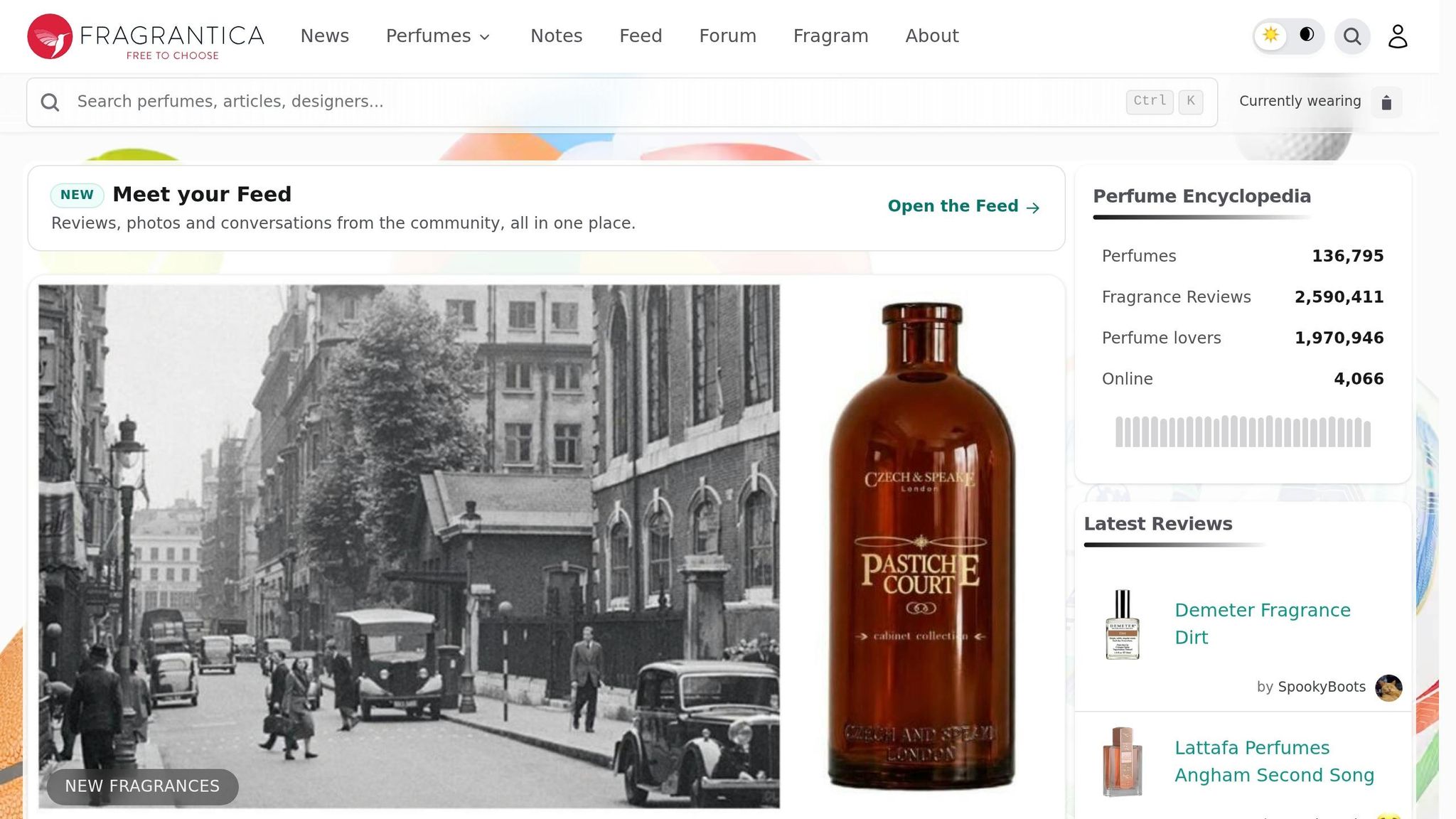
Si Fragrances of the World le ayuda a poner nombre al aroma, Fragrantica le permite contrastar si ese nombre se corresponde verdaderamente con el frasco, la pirámide olfativa y el historial de lanzamientos.
Acuda a Fragrantica cuando una simple búsqueda por nombre resulte insuficiente. Se trata de una enciclopedia olfativa gestionada por la comunidad, un rasgo de gran valor. Los registros oficiales de las marcas a menudo presentan lagunas, sobre todo en creaciones antiguas, tiradas limitadas o frascos que han evolucionado con los años. Fragrantica suele llenar estos vacíos gracias a reseñas, debates en foros y detalles de ficha que van mucho más allá de lo esencial.
Amplitud de catálogo
Fragrantica es una de las mayores plataformas del sector. Abarca tanto a grandes firmas de la talla de Chanel y Dior como a prestigiosas casas de nicho como Byredo y Le Labo. Esto la convierte en un recurso indispensable para piezas de coleccionista o búsquedas especializadas.
Una ficha habitual incluye:
- Marca
- Perfumista, si se conoce
- Año de lanzamiento
- Familia olfativa
- Pirámide completa de notas
- Comentarios de la comunidad sobre longevidad y estela
Esta combinación de datos resulta clave cuando dos frascos parecen idénticos a simple vista, pero pertenecen en realidad a épocas o formulaciones distintas.
Identificación de fragancias descatalogadas y verificación
Fragrantica no siempre incluye una etiqueta oficial de «descatalogado». En la mayoría de los casos, este dato procede de las observaciones de la comunidad: quienes participan en los foros y reseñas suelen advertir cuando una creación solo se encuentra en el mercado secundario o en subastas.
Es una pista comunitaria muy valiosa, aunque no constituye una confirmación oficial de la casa.
El procedimiento idóneo en este punto es muy claro: revise primero el sitio web oficial de la marca y contraste la disponibilidad con distribuidores autorizados. Si contempla adquirir un frasco de entre 100 € y 300 €, este paso previo es indispensable antes de asumir que ya no se produce.
Respaldo visual e histórico
Las fichas de Fragrantica suelen incorporar años de lanzamiento, fotografías del frasco y representaciones visuales de la composición aromática. Estos detalles marcan la diferencia a la hora de distinguir una versión vintage de una actual y, en muchos casos, permiten datar la época de producción con un simple golpe de vista.
El componente social añade además un valioso contexto: los miembros comentan a menudo variaciones entre lotes (batches) o reformulaciones, algo esencial si recuerda una fragancia de principios de los 2000 y desea averiguar si el frasco actual mantiene la misma esencia.
Tratándose de ediciones exclusivas o de elevado valor, Fragrantica es idónea como filtro previo a la compra: perfile su selección y compruebe los datos antes de dar el paso definitivo.
Para un contraste aún más técnico y orientado a coleccionistas, el siguiente destino es Parfumo.
3. Parfumo
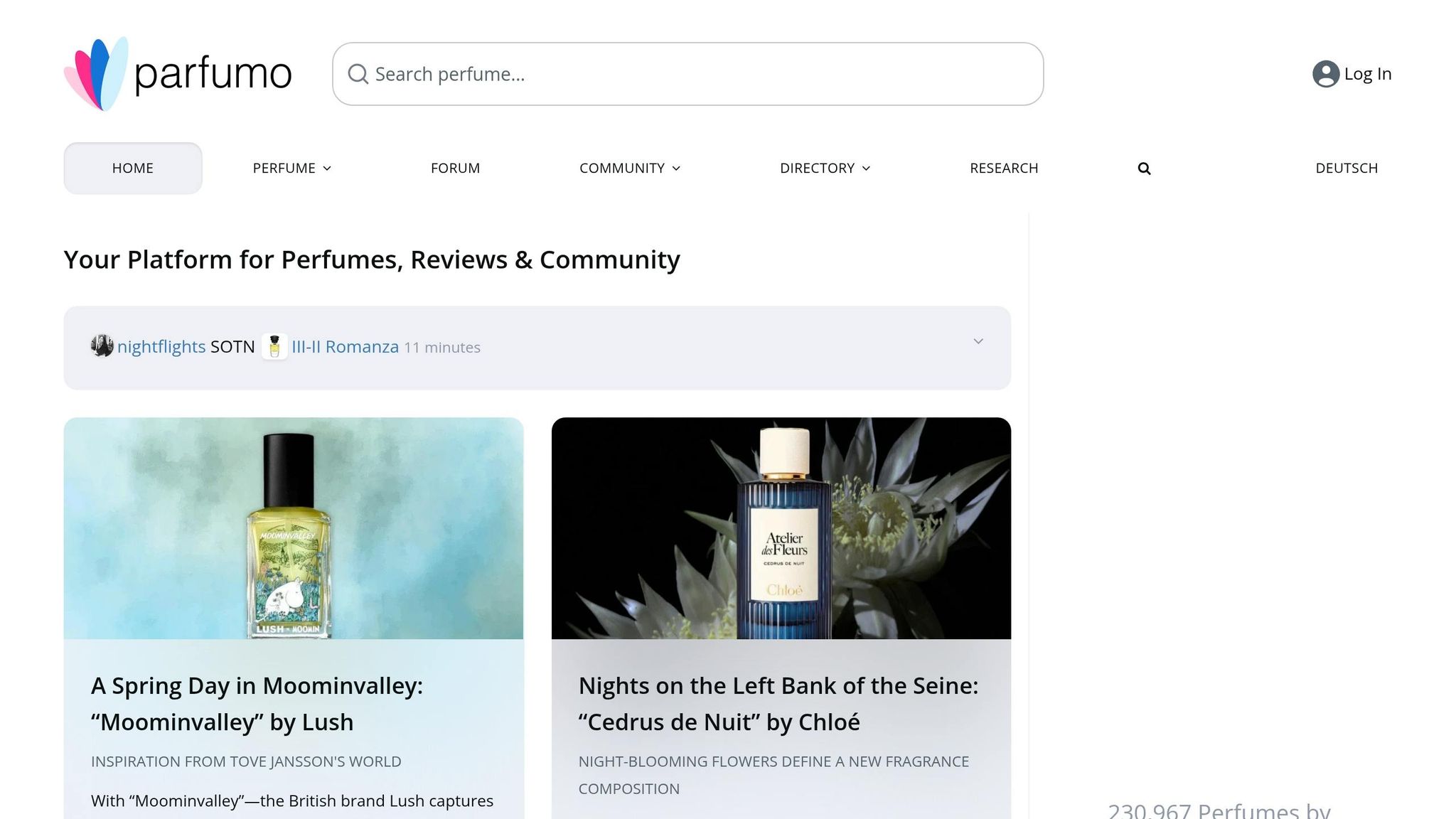
Parfumo suele ser el siguiente recurso de referencia cuando el nombre de un perfume requiere una comprobación de estado o la confirmación de una variante. Es una base de datos rigurosa y colaborativa, sumamente práctica para localizar creaciones difíciles de encontrar o descatalogadas. Gracias a su sólida implantación en Alemania, resulta también una opción muy cercana y práctica para el público europeo.
Amplitud de catálogo
Parfumo reúne en la actualidad más de 230.000 perfumes. Cada ficha suele detallar la casa, concentración, perfumista, acordes, pirámide de notas y valoraciones detalladas sobre aroma, duración, estela, diseño de la botella y relación calidad-precio. Esta estructura permite diferenciar con facilidad las creaciones activas de las retiradas del mercado.
Estado de producción
Una de las funciones más prácticas de Parfumo es su filtro por estado de producción. Puede buscar directamente fragancias descatalogadas y, en la vista de su colección personal, situar el cursor sobre la imagen del frasco para saber al instante si continúa en catálogo o ha dejado de fabricarse.
Constituye un excelente primer indicio, aunque, si la precisión es fundamental, conviene contrastar la información con la web de la firma, los listados de minoristas de confianza o los comunicados oficiales.
Fuentes de verificación
Parfumo emplea un sistema de envío y revisión editorial para cada nueva alta o corrección, en el que se exige aportar referencias oficiales de la marca antes de aprobar cualquier cambio. Esto le otorga una fiabilidad superior a la de las plataformas de edición libre.
No obstante, algunas piezas extremadamente minoritarias pueden no figurar si nadie las ha registrado todavía. En cuanto localice una entrada, compárela con imágenes del frasco y del diseño del estuche para asegurarse de que la correspondencia sea exacta.
Respaldo visual e histórico
Numerosas fichas incluyen fotografías del frasco y detalles del embalaje, muy útiles para confirmar si un lote concreto coincide con una tirada de producción determinada. Las reseñas de la comunidad también suelen documentar posibles reformulaciones.
Para un estudio exhaustivo de coleccionista, sus herramientas de Aromas similares y Comparación aportan una perspectiva adicional, permitiendo contrastar fragancias a partir de notas comunes y puntuaciones de los usuarios.
4. Catálogo de Basenotes
Recurra a Basenotes cuando la ficha del catálogo sea escueta y el archivo de sus foros aporte más valor que la propia página descriptiva. Mientras que Parfumo destaca por su estructura y sus filtros, Basenotes sigue una lógica diferente: al ser una plataforma vertebrada en torno a su comunidad, las conversaciones de los aficionados constituyen su verdadero registro histórico.
Ciertas entradas ofrecen datos suficientes para identificar una fragancia; otras resultan más breves. En esos casos, el foro es el enclave definitivo de comprobación. Las aportaciones de miembros veteranos a menudo confirman la retirada de un perfume con mayor rigor que la propia ficha, un factor decisivo ante creaciones casi inencontrables y registros oficiales incompletos.
Para cerciorarse de la autenticidad o rastrear la evolución de una fórmula, apóyese en:
- Hilos históricos archivados
- Fotografías de frascos compartidas por los usuarios
- Comparativas de cajas y embalajes
- Publicaciones dedicadas a la cronología de lanzamientos
Es aquí donde Basenotes demuestra su enorme valía. Sus hilos de debate permiten documentar la evolución de una creación a lo largo del tiempo, desde rediseños del tapón y detalles tipográficos hasta reformulaciones tácitas. Si la presentación cambió entre lotes o una maison ajustó la composición sin anuncio previo, la memoria colectiva de estos foros despejará las dudas.
Para una comprobación con rigor de archivo sobre fragancias históricas, el siguiente destino es Osmothèque.
5. Osmothèque
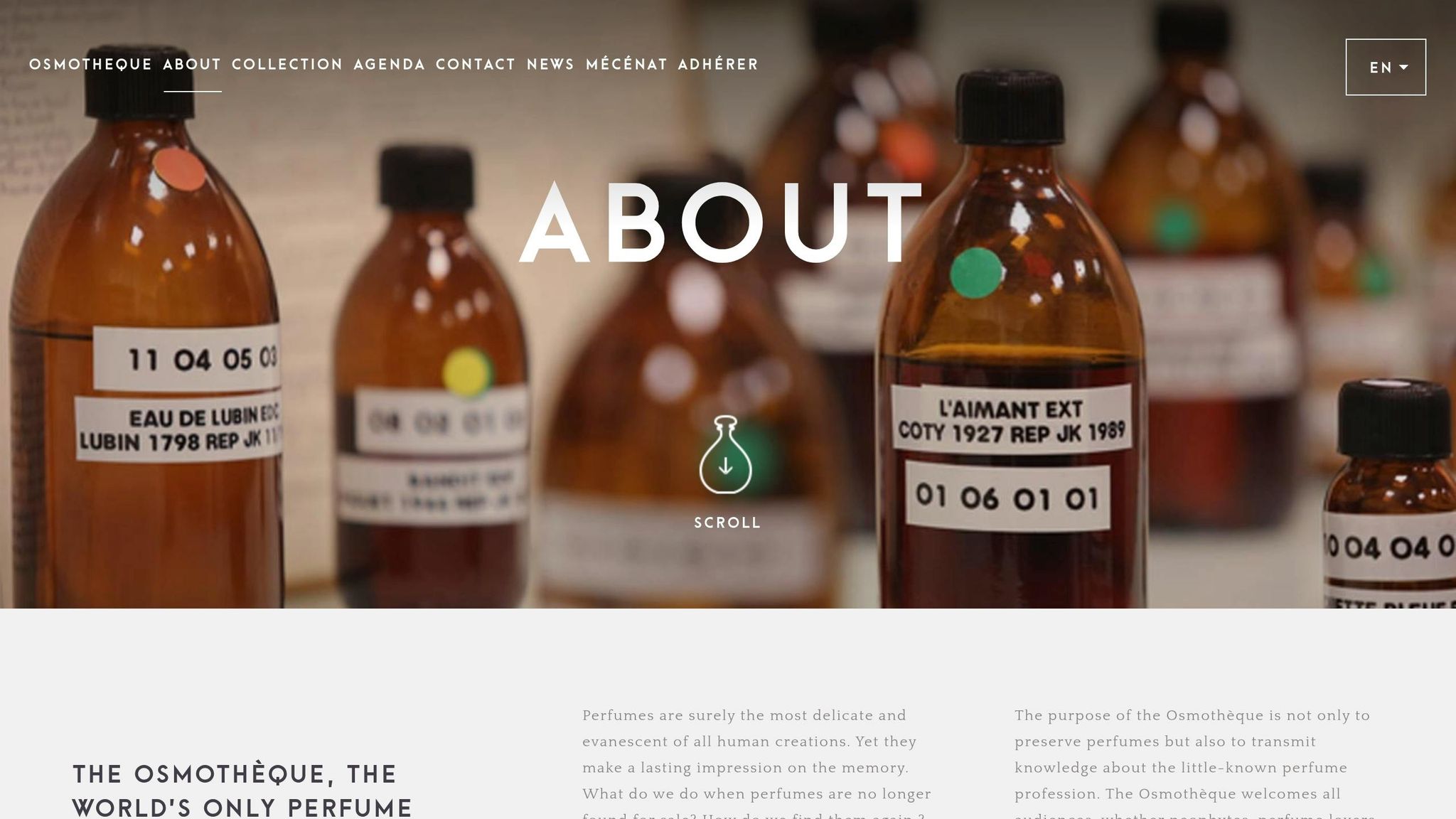
Cuando la información de los foros no basta, en Osmothèque el respaldo documental alcanza el máximo nivel. No se trata de un simple directorio comercial, sino de un conservatorio internacional de la perfumería y un archivo de fuentes primarias, lo que le otorga una autoridad indiscutible al examinar joyas descatalogadas o piezas patrimoniales.
Fondos y creaciones descatalogadas
Su colección custodia más de 5.000 fragancias, entre ellas más de 800 fórmulas descatalogadas que ya no están a la venta en el mercado. Sus composiciones originales se conservan con celo gracias a donaciones directas de las casas de perfumes o de sus herederos. Este fondo es de un valor inestimable para verificar etiquetas, códigos de lote o la época exacta de un extracto.
Fuentes de verificación
Al sustentarse en materiales y fórmulas originales, Osmothèque es la referencia de máxima fidelidad técnica. Permite certificar:
- La composición original de la obra
- La atribución histórica a la casa perfumista
- El contexto temporal del lanzamiento
Perspectiva histórica
Asimismo, ayuda a datar un perfume con precisión y a situarlo en la evolución del arte olfativo, un recurso decisivo ante piezas históricas sobre las que otras fuentes guardan silencio.
Para un análisis a nivel de fórmula química, el siguiente paso son las bases de datos de materias primas.
Tu experto en fragancias personal te espera
Haz nuestro test olfativo rápido y descubre auténticos perfumes de diseñador y de nicho elegidos según tu gusto: explóralos en decants y muestras de 2, 5, 8 y 30 ml para probar cada uno antes de decidirte por un frasco completo.
Encuentra tu fragancia6. Perfume Intelligence
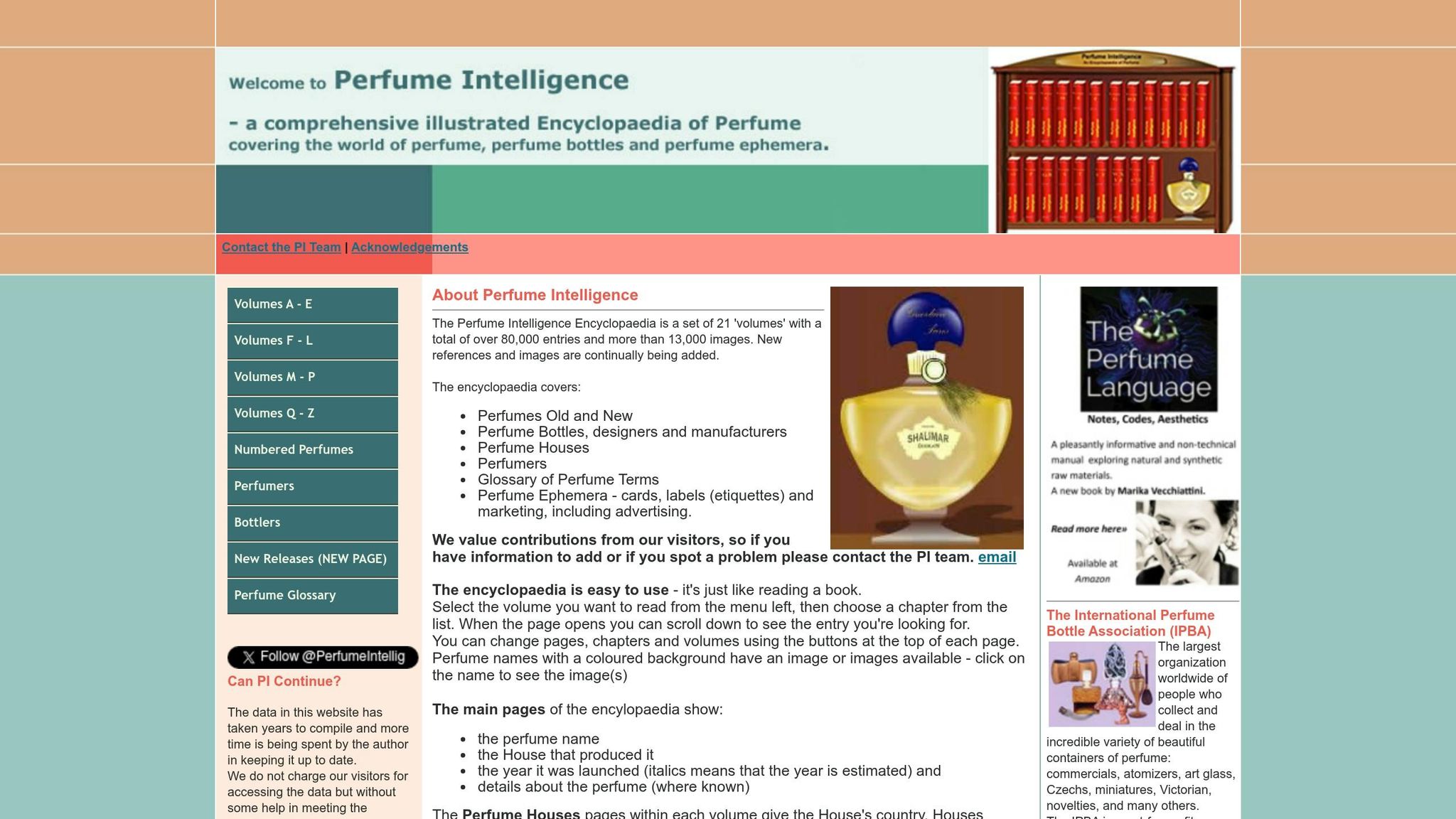
Perfume Intelligence se define como una enciclopedia del perfume dividida en 21 tomos, con más de 80.000 entradas y más de 13.000 imágenes que documentan creaciones históricas y actuales, frascos, casas perfumistas, creadores y material gráfico de época, como etiquetas, cartas y publicidad original.
Amplitud de catálogo
Es aquí donde reside su mayor atractivo. El archivo abarca desde finales del siglo XIX y principios del XX hasta las novedades más recientes. Cada ficha habitual indica el nombre de la fragancia, la casa responsable y el año de aparición; muchas añaden precisiones sobre la concentración o aclaraciones relativas a cambios de denominación de la marca.
Esta profundidad documental es fundamental para dilucidar si se encuentra ante la versión original, una reedición tardía o una creación diferente que simplemente comparte el mismo nombre.
Acuda a este portal cuando precise corroboración visual o histórica, más allá de la mera coincidencia del nombre.
Estado de producción
El distintivo Disc. señala las fragancias que ya no se elaboran, mientras que las fechas de lanzamiento en cursiva indican que el año exacto carece de confirmación definitiva.
Fuentes de verificación
Perfume Intelligence se rige por un estricto criterio editorial y prescinde de modificaciones libres por parte de usuarios. Este filtro le otorga una fiabilidad muy superior a la de los directorios colaborativos convencionales.
Respaldo visual e histórico
Sus entradas ilustradas facilitan enormemente el cotejo de siluetas de frascos, tipografías de etiquetas y acabados de presentación. Con más de 13.000 imágenes catalogadas —entre frascos, tarjetas aromáticas, etiquetas y anuncios de época—, la plataforma resulta imprescindible al datar creaciones antiguas.
Permite además seguir el rastro a la evolución de los nombres registrados, deslindando las denominaciones clásicas de sus versiones comerciales posteriores.
Si la composición sigue planteando interrogantes tras este paso, conviene acudir a los datos de formulación molecular.
7. Bases de datos de materias primas y química del perfume
Una vez analizados el frasco y la caja, queda un último aspecto crucial: ¿tiene sentido la fórmula por sí misma? Cuando el diseño y el nombre concuerdan, los registros de ingredientes ayudan a determinar si la composición resulta química y normativamente verosímil.
Amplitud de catálogo
TGSC recopila moléculas aromáticas junto con sus números CAS y fichas de seguridad. Leffingwell amplía la información hacia las materias primas y añade notas técnicas sobre su comportamiento. Por su parte, Scents & Flavors aporta una vasta bibliografía especializada.
Estas plataformas no sirven para identificar un frasco en un expositor, sino para resolver una duda de fondo: ¿existe realmente este ingrediente y encaja en esta fórmula?
Materias primas en desuso
En el ámbito de las materias primas, un componente descatalogado suele indicar que la sustancia ha sido restringida, sufre reformulaciones o ha quedado excluida bajo los marcos regulatorios actuales. La biblioteca de estándares de la IFRA registra el histórico de enmiendas para materias reguladas, permitiendo conocer con exactitud cuándo varió el uso permitido de un ingrediente. Si un compuesto desaparece de la Lista de Transparencia de la IFRA o su porcentaje se reduce drásticamente, en la práctica queda retirado de la perfumería moderna, por más que aún esté presente en frascos antiguos.
Fuentes de verificación
El gran valor de estos registros reside en los metadatos asociados a cada elemento. Los números CAS y las denominaciones IUPAC vinculan cada molécula con la literatura científica y legal. Las categorías de la IFRA detallan los porcentajes máximos tolerados según el tipo de producto, mientras que propiedades como la solubilidad, la volatilidad o la estabilidad permiten evaluar si la estructura aromática es viable.
El glosario de ingredientes de la IFRA ofrece además descriptores olfativos estandarizados, lo que simplifica verificar si las notas declaradas se corresponden verdaderamente con el perfil aromático de un perfume exclusivo.
Un método infalible consiste en combinar:
- TGSC para el perfil sensorial
- IFRA para la situación regulatoria
- Scents & Flavors para el respaldo bibliográfico
Respaldo visual e histórico
Estas bases de datos explican con claridad por qué las fórmulas antiguas difieren del aroma de las reediciones actuales. El archivo de enmiendas de la IFRA permite comprobar con precisión cuándo y por qué motivo se modificó una composición. Las representaciones gráficas de SCENTREE articulan los ingredientes dentro de familias olfativas como fougère, chipre u oriental, mostrando la arquitectura interna de las grandes creaciones del pasado.
Si busca comprender por qué un perfume anterior a las normativas de la IFRA huele de forma distinta a su versión contemporánea, la respuesta está aquí: en la química y en los cambios normativos que la han moldeado.
Son instrumentos de alta precisión, concebidos para cuando su indagación requiera una verificación analítica de la fórmula.
Ventajas y desventajas
Tras analizar cada plataforma en detalle, el equilibrio resulta evidente: algunas han sido diseñadas para la rapidez, otras para la exhaustividad documental y otras tantas para la certificación rigurosa. El siguiente cuadro sintetiza los puntos fuertes de cada una y sus posibles limitaciones.
| Base de datos | Puntos fuertes | Limitaciones | Perfil idóneo |
|---|---|---|---|
| Fragrances of the World | Identificación ágil de nombres en ediciones históricas, vintage o descatalogadas | Escaso detalle sobre embalajes y variantes de presentación | Investigadores que necesitan un índice preliminar inmediato |
| Fragrantica | Excelente información sobre notas, reseñas y aportaciones de aficionados | Contenido colaborativo; exige contrastar los datos | Coleccionistas que inician una búsqueda |
| Parfumo | Fichas muy estructuradas con filtro de producción; destacada cobertura europea y germana | Pueden faltar creaciones muy raras si nadie las ha registrado previamente | Coleccionistas que comprueban variantes y estados de descatalogación |
| Catálogo de Basenotes | El archivo de sus foros conserva reformulaciones, variantes y diseño de frascos | Las fichas básicas pueden ser escasas; el valor real reside en los debates | Aficionados que documentan cambios históricos a través de testimonios |
| Osmothèque | Archivo patrimonial con más de 800 fórmulas descatalogadas conservadas intactas | Acceso limitado; no es una plataforma abierta de autoconsulta en línea | Identificación histórica y de máximo rigor documental |
| Perfume Intelligence | Supervisión editorial; fichas con material gráfico desde finales del siglo XIX hasta hoy | Exige suscripción para acceder a la totalidad de sus contenidos | Coleccionistas que precisan confirmación visual e histórica fehaciente |
| Bases de datos de materias primas | Verificación química de la fórmula; seguimiento de normativas y enmiendas de la IFRA | Enfoque estrictamente técnico; no apto para identificar frascos a simple vista | Profesionales y especialistas que analizan la composición exacta |
En definitiva, la elección adecuada depende de su objetivo concreto. Si busca una confirmación inmediata, comience por los grandes índices alfabéticos. Si precisa constancia documental de archivo, acuda a repositorios históricos con fórmulas conservadas. Y si desea averiguar qué se ha transformado en el alma del perfume, las fuentes especializadas en composición molecular le darán la clave.
Conclusión
Ningún directorio resuelve por sí solo la búsqueda de un perfume exclusivo. Cada herramienta desempeña una función específica, y sus lagunas son determinantes. Tenerlo en cuenta marca la diferencia cuando se intenta discernir si una creación está descatalogada, ha cambiado de nombre o simplemente se comercializa en mercados muy concretos.
En la práctica, la secuencia idónea es: índice general, consulta a la comunidad, archivo histórico y, por último, fórmula molecular. Comience en Fragrances of the World para localizar el nombre. Prosiga en Fragrantica y Basenotes para conocer las impresiones del coleccionismo especializado. Revise Parfumo para verificar el estado de fabricación. Acuda a Osmothèque si precisa certificar una pieza patrimonial. Consulte Perfume Intelligence para documentar la evolución del frasco y su denominación. Y reserve las bases de ingredientes para cuando cuente ya con una identificación muy sólida.
La certeza absoluta no surge de una única consulta, sino del rigor de contrastar las fuentes oportunas.
Una recomendación esencial para coleccionistas en Europa: verifique siempre los datos en al menos dos plataformas distintas antes de dar por descatalogada una creación.
Preguntas frecuentes
¿Cómo autenticar un perfume exclusivo o descatalogado antes de adquirirlo?
Examine con detalle la procedencia y el método de conservación que emplea el comercio. Los vendedores de prestigio actúan con absoluta transparencia: adquieren sus existencias a través de distribuidores autorizados y preservan las botellas en espacios acondicionados, protegidos de la luz y con temperatura controlada.
Compruebe además que la ficha técnica sea minuciosa e incluya el código de lote (batch code) original para constatar la fecha de fabricación. Desconfíe de anuncios vagos, importes sospechosamente bajos o vendedores que no puedan justificar el origen de la pieza.
¿Cuál es la mejor base de datos para perfumes descatalogados?
En el caso de fragancias vintage o fuera de catálogo, la opción más aconsejable antes de comprar suele ser adquirir una muestra en decant, generalmente de 2 ml o 3 ml.
De este modo podrá valorar en su propia piel la evolución de las notas de salida, su corazón y su fijación sin desembolsar el importe íntegro del frasco por adelantado. Es el método más seguro para evitar una inversión decepcionante y comprobar si esa creación merece ocupar un lugar de honor en su colección.
¿En qué momento conviene recurrir a las bases de datos de materias primas?
Consulte las bases de materias primas o de perfumes cuando desee examinar las notas olfativas al detalle, leer análisis de aficionados expertos o confirmar los componentes de una formulación antes de su adquisición.
Resultan de gran ayuda para dilucidar si una estructura encaja con sus preferencias sensoriales. Si utiliza estas herramientas, la extensión de Chrome Scento le permite visualizar al instante la disponibilidad de muestras y los precios en viales de 2 ml, 5 ml y 8 ml, y un decant en frasco de 30 ml para la mayoría de los perfumes, facilitando la prueba de piezas de autor o muy exclusivas antes de dar el paso de comprar la botella completa.

