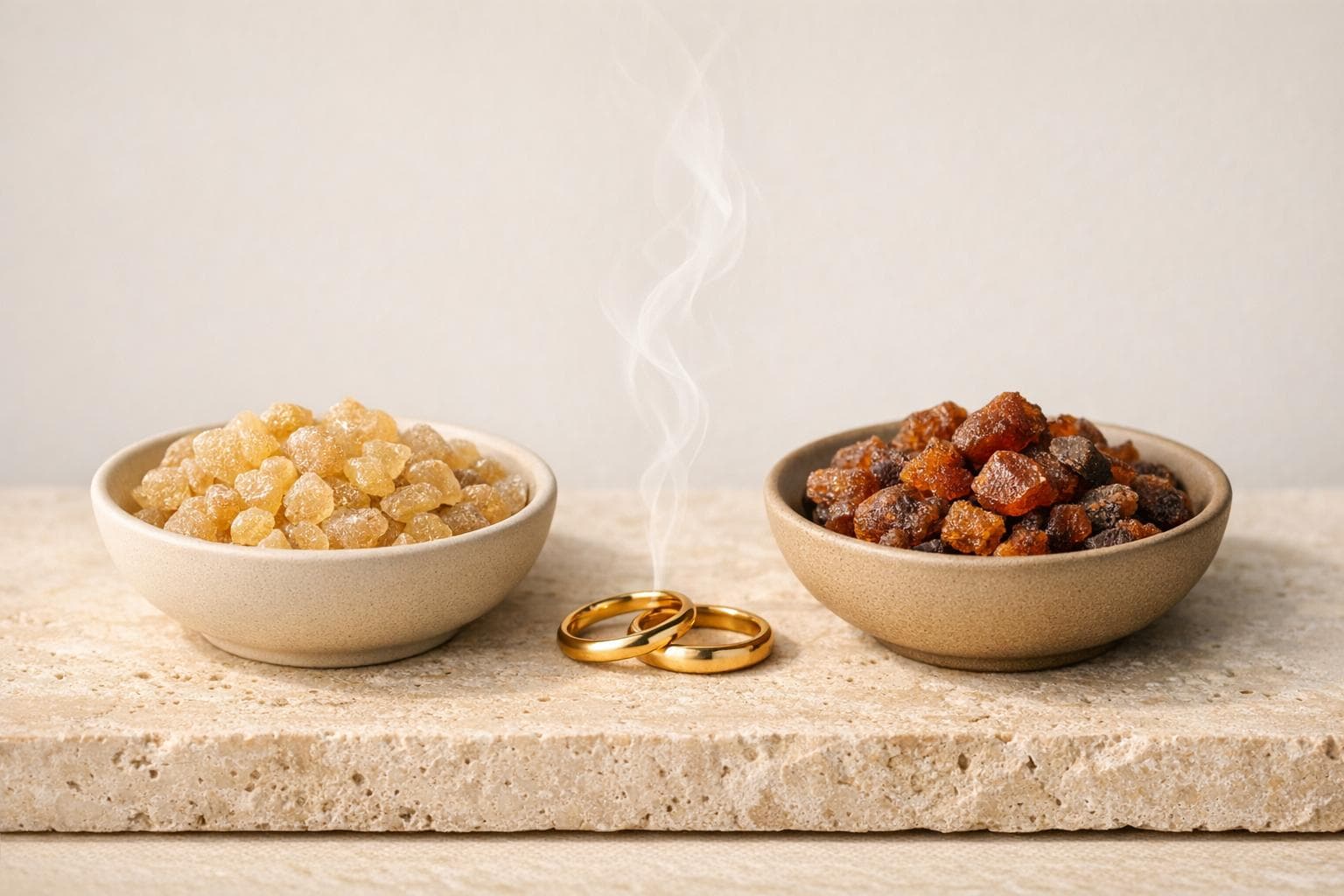
De secole, tămâia și smirna au fost parte integrantă a ceremoniilor de căsătorie, simbolizând unitatea și echilibrul. Aceste rășini, provenite din arborii Boswellia și Commiphora, reprezintă contopirea contrariilor: tămâia întruchipează celestul și masculinul, în timp ce smirna semnifică teluricul și femininul. Împreună, creează o metaforă armonioasă a parteneriatului.
Iată ce trebuie să știți:
- Origini: Recoltate din Peninsula Arabică și Cornul Africii, aceste rășini erau odinioară la fel de prețioase ca aurul.
- Simbolism: Tămâia înalță (chakra coroanei), în timp ce smirna ancorează (chakra rădăcină), reflectând echilibrul în căsătorie.
- Utilizare istorică: De la ritualurile de purificare ale Egiptului antic până la tămâia de nuntă greco-romană, aceste rășini au fost mult timp asociate cu ceremoniile sacre.
- Aplicații moderne: Cuplurile le folosesc în parfumuri, tămâie sau uleiuri pentru a adăuga profunzime nunților lor. Alternative precum difuzoarele sau spray-urile parfumate se potrivesc spațiilor cu restricții privind fumul.
- Sustenabilitate: Aprovizionarea etică este esențială, deoarece speciile de Boswellia sunt amenințate de recoltarea excesivă.
Tămâia și smirna continuă să lege tradițiile străvechi de celebrările moderne, oferind o modalitate plină de sens de a onora sacralitatea căsătoriei.
Originile și simbolismul tămâiei și smirnei în căsătorie
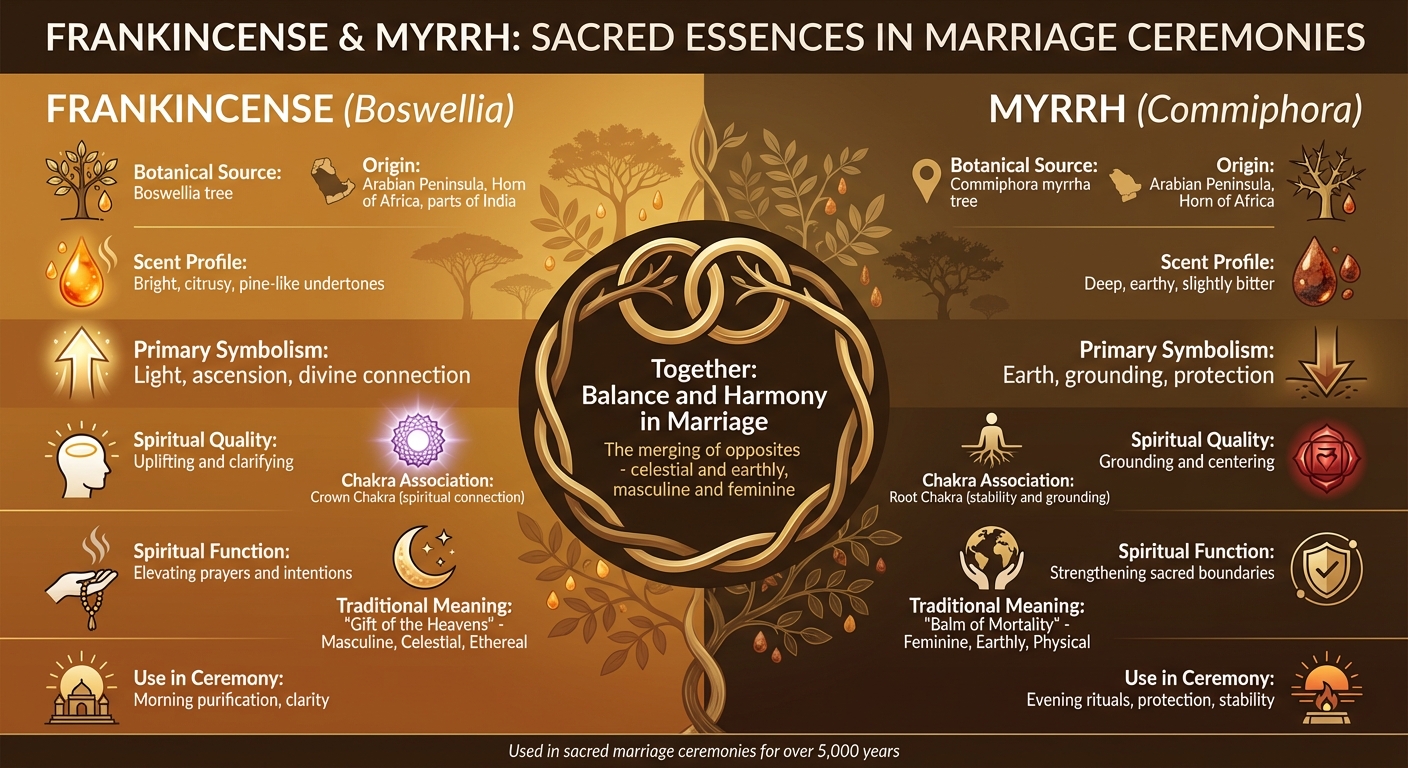
Tămâie vs. smirnă: simbolism și proprietăți în ritualurile de căsătorie
Origini botanice și caracteristici olfactive
Tămâia provine din arborele Boswellia, în timp ce smirna este recoltată din arborele Commiphora myrrha. Ambele specii prosperă în peisajele aride ale Peninsulei Arabice, Cornului Africii și ale unor regiuni din India. Pentru a colecta rășina, recoltatorii incizează cu grijă scoarța, lăsând seva să se scurgă și să se solidifice în picături asemănătoare chihlimbarului. Astăzi, metodele de recoltare sustenabilă câștigă teren, asigurând păstrarea acestor arbori străvechi pentru generațiile viitoare.
Aromele acestor rășini sunt la fel de distincte precum originile lor. Tămâia oferă o mireasmă luminoasă, citrică, cu subtonuri de pin, creând un efect înălțător și limpezitor. Smirna, pe de altă parte, are un parfum profund, pământiu și ușor amărui, care induce ancorare și centrare. Împreună, creează o compoziție olfactivă echilibrată - una care înalță și, totodată, ancorează - făcându-le o alegere firească pentru ceremoniile ce celebrează uniunea. Acest amestec unic de arome a fost de mult timp legat de practicile sacre, consolidându-le statutul de simboluri ale unității.
Funcții sacre și ritualice în istorie
Semnificația spirituală a tămâiei și smirnei este adânc înrădăcinată în tradițiile antice. Aceste rășini au fost esențiale în ritualurile sacre timp de mii de ani. În Egiptul antic, de pildă, tămâia era arsă în timpul riturilor matinale de purificare, în timp ce smirna era folosită în ceremoniile de seară și în practicile de îmbălsămare. Ambele rășini se regăseau și în uleiurile de ungere, marcând momente cruciale ale vieții, precum nașterile, ceremoniile de maturizare și căsătoriile.
În tradiția Ortodoxă Răsăriteană, fenomenul de mirovlitism - în care relicvele emană un lichid asemănător smirnei - simbolizează sfințenia divină. Această asociere a întărit rolul smirnei în ungerea spirituală, în special în timpul ceremoniilor de uniune, unde simboliza protecția și sacralitatea.
Aceste utilizări istorice au pus temelia semnificațiilor simbolice adoptate în ritualurile moderne de căsătorie.
Simbolism în ceremoniile de căsătorie
Izvorând din rădăcinile lor istorice și spirituale, tămâia și smirna poartă o semnificație profundă în nunți. Tămâia este adesea asociată cu sfințenia, claritatea și conexiunea spirituală, în timp ce smirna reprezintă rezistența, protecția și stabilitatea. Împreună, ele întruchipează echilibrul și unitatea aflate în centrul căsătoriei.
Tămâia este legată de chakra coroanei, reprezentând iluminarea și conexiunea divină, în timp ce smirna corespunde chakrei rădăcină, simbolizând stabilitatea și protecția. Această asociere creează o armonie energetică - un element se înalță, celălalt ancorează - oglindind perfect echilibrul căutat într-o uniune maritală.
| Caracteristică | Tămâie (Boswellia) | Smirnă (Commiphora) |
|---|---|---|
| Simbolism principal | Lumină, ascensiune, conexiune divină | Pământ, ancorare, protecție |
| Profil olfactiv | Luminos, citric, cu note de pin | Profund, pământiu, ușor amărui |
| Asociere cu chakra | Chakra coroanei (conexiune spirituală) | Chakra rădăcină (stabilitate și ancorare) |
| Funcție spirituală | Înălțarea rugăciunilor și intențiilor | Întărirea granițelor sacre |
Împreună, tămâia și smirna simbolizează contopirea a două energii distincte într-un întreg armonios - o metaforă durabilă pentru iubire și parteneriat.
Practici nupțiale antice și regionale cu tămâie și smirnă
De-a lungul secolelor, puterea simbolică a tămâiei și smirnei a modelat tradiții de nuntă unice în culturile antice, îmbinând spiritualitatea cu ceremonia.
Tradiții de nuntă în Egiptul antic și Orientul Apropiat
În Egiptul antic, aceste rășini jucau un rol central în ritualurile de căsătorie. Miresele foloseau tămâie pudră în cosmeticele lor, despre care se credea că sporește frumusețea și oferă protecție spirituală. Dincolo de înfrumusețarea personală, rășinile erau folosite pentru a parfuma veșmintele, părul și chiar bărbile mirilor, creând pentru ocazie o atmosferă bogat parfumată și sacră.
Din punct de vedere simbolic, asocierea tămâiei cu smirna avea o semnificație profundă. Tămâia, numită adesea „Darul Cerurilor”, reprezenta masculinul și etericul, în timp ce smirna, cunoscută drept „Balsamul Mortalității”, întruchipa femininul și pământescul.
Tradiții iudaice și greco-romane
În ceremoniile de nuntă ebraice, tămâia simboliza rugăciunile care se înalță către ceruri, reflectând nucleul spiritual al căsătoriei. Era o componentă esențială a tămâiei sacre de templu. Smirna, pe de altă parte, se regăsea în uleiurile de ungere folosite în ritualurile de purificare, pregătind cuplul pentru uniunea lor sacră.
Societățile greco-romane au adoptat rășinile pentru calitățile lor purificatoare. Se credea că arderea tămâiei și a smirnei curăță aerul și alungă influențele negative, făcându-le esențiale atât pentru spațiile publice, cât și pentru cele private în timpul celebrărilor. Aceste practici, adânc înrădăcinate în simbolism și tradiție, s-au răspândit pe scară largă prin comerț, îmbinându-se cu obiceiurile locale pentru a crea o moștenire aromatică împărtășită.
Schimb cultural prin rutele comerciale ale tămâiei
Drumul Tămâii, o rețea antică de rute comerciale care lega Arabia, Africa și Mediterana, a devenit un canal pentru schimbul de bunuri și tradiții deopotrivă. Timp de peste 2.000 de ani, aceste rute au purtat tămâia și smirna peste continente, ridicându-le la statutul aurului. Prezența acestor rășini la o nuntă semnifica bogăție, rang și favoare divină.
„Rutele Tămâiei, învăluite într-un halo de secret și legendă, erau păzite cu gelozie... timp de peste 2.000 de ani, aceste căi au constituit temelia faimei și prosperității Arabiei.” — Habeeb Salloum, autor colaborator
Prin aceste rute comerciale, obiceiurile de nuntă au evoluat pe măsură ce culturile au împrumutat și adaptat practici. Tradiția egipteană de parfumare a veșmintelor s-a îmbinat cu utilizarea greco-romană a tămâiei pentru purificare, dând naștere unor ritualuri hibride. În diverse regiuni, cuplurile au integrat elemente precum ungerea cu uleiuri, arderea rășinilor în timpul jurămintelor și parfumarea spațiilor de nuntă - toate legate de moștenirea atemporală a tămâiei și smirnei.
Utilizări moderne ale tămâiei și smirnei în nunți
Cuplurile de astăzi găsesc moduri creative de a integra farmecul atemporal al tămâiei și smirnei în celebrările lor nupțiale. Fie prin parfumuri personale, elemente ceremoniale sau ca omagiu adus tradițiilor culturale, aceste rășini străvechi adaugă profunzime și semnificație zilei celei mari.
Parfumuri de designer și alegeri olfactive personale
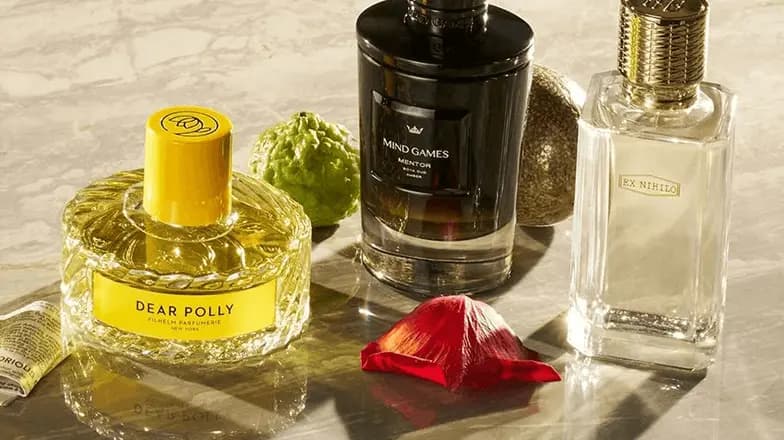
Parfumurile de nișă cu tămâie și smirnă au devenit o alegere populară pentru cuplurile care doresc să se îndepărteze de aromele florale tradiționale. Aceste parfumuri combină notele luminoase și înălțătoare ale tămâiei cu calitățile calde și ancorante ale smirnei, creând un echilibru unic. Parfumierul Yann Vasnier descrie splendid complexitatea tămâiei:
„Tămâia poate elibera o gamă foarte largă de efecte, asemenea unui curcubeu olfactiv… Este cumva profundă și ușoară în același timp.”
Totuși, având în vedere că parfumurile de designer depășesc adesea 300 € per flacon, cuplurile pot ezita să se angajeze fără a testa mai întâi aroma. Scento oferă o soluție practică prin decanturi - mostre mici (0,75 ml, 2 ml și 8 ml) de parfumuri de designer autentice. Acest lucru le permite cuplurilor să exploreze aceste compoziții unice fără cheltuieli excesive, asigurându-se că găsesc parfumul perfect pentru ziua nunții.
Dincolo de parfumurile personale, aceste rășini joacă și un rol în crearea unei atmosfere memorabile și sacre pentru ceremonia în sine.
Utilizări ceremoniale: tămâie, uleiuri și spații parfumate
Tămâia și smirna nu sunt doar pentru parfumarea personală - ele pot transforma și locul nunții într-un spațiu sacru. Arderea tămâiei înainte de sosirea invitaților este o modalitate tradițională de a purifica spațiul și de a stabili un ton senin, spiritual. Cuplurile folosesc adesea aceste arome strategic pe parcursul zilei, cu tămâie dimineața pentru claritate și smirnă în timpul recepției pentru a crea o ambianță calmă și bine ancorată.
Opțiunile pentru integrarea acestor arome includ bețișoare de tămâie de 19 inci (7,95 €), conuri (3,95 €) și uleiuri pure (4,95 €). Pentru spațiile cu restricții privind fumul, alternative precum vasele de infuzare la foc mic (în care tămâia este adăugată în apă cu aromatice precum scorțișoara) sau difuzoarele de uleiuri esențiale oferă o modalitate fără fum de a savura aceste parfumuri. Dacă ardeți rășini, asigurați întotdeauna o ventilație adecvată, folosiți arzătoare rezistente la căldură și nu le lăsați niciodată nesupravegheate.
Respectarea tradițiilor culturale
Pentru mulți, utilizarea tămâiei și smirnei este mai mult decât o simplă alegere senzorială - este o modalitate de a onora tradiții străvechi. În nunțile seculare sau interculturale, aprovizionarea responsabilă cu aceste rășini este esențială, deoarece multe specii de Boswellia sunt amenințate de recoltarea excesivă și pierderea habitatului. Așa cum subliniază NW School of Aromatic Medicine:
„Dacă pretindem că onorăm aceste plante ca fiind sacre, trebuie să le onorăm nu doar în ritualurile noastre, ci și în alegerile noastre de cumpărare.”
Uniunea simbolică a tămâiei și smirnei are, de asemenea, o rezonanță profundă. După cum notează The SmokeWalkers:
„Uniunea dintre tămâie și smirnă este atemporală, reprezentând căutarea eternă a umanității pentru conexiune, echilibru și transcendență.”
Acest simbolism durabil oferă cuplurilor o modalitate plină de sens de a reflecta propria uniune, fie prin omagierea tradițiilor ancestrale, fie prin crearea unora noi, cu caracter personal și unic.
Expertul tău personal în parfumuri te așteaptă
Completează testul nostru rapid de parfumuri și descoperă parfumuri designer și de nișă autentice, alese pe gustul tău – explorează-le ca decanturi și mostre de 2–8ml, ca să le poți încerca pe fiecare înainte de a alege un flacon întreg.
Descoperă-ți parfumulCrearea unui ritual de căsătorie cu tămâie și smirnă
Inspirându-vă din tradițiile antice, puteți crea un ritual modern de nuntă care încorporează esența atemporală a tămâiei și smirnei. Aceste rășini aromatice oferă o modalitate plină de sens de a vă celebra uniunea, fie că onorați obiceiuri ancestrale, fie că creați ceva cu totul propriu. Începeți prin a defini rolul pe care aceste arome îl vor juca în ceremonia voastră și simbolismul pe care îl au pentru voi ca pereche.
Alegerea unui punct simbolic central
Înainte de orice, decideți ce doriți ca aceste rășini să reprezinte în ceremonia voastră. Tămâia este adesea asociată cu purificarea și binecuvântările, ceea ce o face ideală pentru a stabili tonul spațiului. Smirna, pe de altă parte, este legată de ancorare și protecție, oferind un sentiment de stabilitate și conexiune. Împreună, ele pot simboliza dualitatea și echilibrul - masculin și feminin, cer și pământ, divin și uman.
Pentru unii, smirna servește drept modalitate de a-i onora pe cei dragi care nu pot fi prezenți, adăugând ritualului un strat de rememorare. Esențial este să alegeți o temă care rezonează profund cu relația voastră. Odată ce ați stabilit acest punct central, puteți planifica modul în care veți împleti aceste arome în cele mai semnificative momente ale celebrării.
Integrarea parfumului în momentele-cheie
Cele mai puternice ritualuri sunt adesea simple, dar profund personale. O idee este să organizați o ceremonie de creare a unui amestec de tămâie în timpul logodnei sau al cinei de repetiție. Împreună, voi și partenerul vostru puteți combina tămâie, smirnă și alte plante, precum petale de trandafir sau mirodenii, pentru a crea o aromă unică, ce poate fi arsă ulterior în timpul nunții.
În timpul ceremoniei propriu-zise, arderea rășinilor într-un arzător rezistent la căldură permite fumului parfumat să se înalțe, purtând simbolic intențiile voastre către cer. Pentru o experiență senzorială atemporală, luați în considerare asocierea rășinilor cu lumina lumânărilor, inspirându-vă din tradițiile Ortodoxe Răsăritene. O altă opțiune este un ritual de încălzire a verighetelor, în care invitații trec verighetele peste un pat de plante parfumate sau pulverizează ușor pernuța verighetelor cu uleiuri esențiale. Alegeți unul sau două momente care se simt autentice pentru povestea voastră ca pereche.
Considerații practice pentru spațiile moderne
Multe locații moderne impun restricții privind fumul și flăcările deschise, însă puteți integra aceste arome în mod creativ. De exemplu, folosiți un difuzor de uleiuri esențiale sau un spray cu uleiuri diluate de tămâie și smirnă pentru a evoca aceeași ambianță fără a încălca regulile locației .
Pentru o notă mai personală, aplicați un amestec de uleiuri de tămâie și lavandă pe punctele de puls înainte de a păși spre altar. Acest lucru vă poate ajuta să rămâneți calmi și centrați. Unele cupluri difuzează, de asemenea, tămâie în timpul pregătirilor de dimineață pentru a crea o atmosferă senină pentru suita nupțială. După cum spune Ceremony by Design:
„Tămâia... servește drept semnal că vă aflați într-un moment liminal, ceremonial”.
Cu o planificare atentă, puteți folosi aceste arome pentru a crea o atmosferă de neuitat, chiar și în decoruri moderne.
Concluzie
De peste 5.000 de ani, tămâia și smirna au jucat un rol central în marcarea uniunilor, îmbinând obiceiurile străvechi cu practicile moderne. De la ritualurile templelor egiptene până la ceremoniile de nuntă contemporane, aceste rășini au simbolizat sacralitatea căsătoriei. Calitățile lor unice - tămâia care înalță spiritul și smirna care oferă ancorare și protecție - reflectă echilibrul aflat în inima unui parteneriat durabil.
Chiar și astăzi, aceste rășini continuă să lege pământescul de spiritual, ridicând momentele obișnuite la rang de sacru. Fie folosite ca tămâie, difuzate sub formă de uleiuri sau integrate în ritualuri personale, prezența lor amplifică semnificația celor mai importante tranziții ale vieții.
Dacă luați în considerare aceste rășini pentru ceremonia voastră, merită să reflectați asupra originii lor. În contextul amenințărilor la adresa populațiilor de Boswellia papyrifera, pentru care se estimează un declin de 90% în următorii 50 de ani, aprovizionarea etică este esențială. Sprijinirea unor organizații precum Tree Aid asigură faptul că celebrarea voastră respectă atât tradiția, cât și responsabilitatea față de mediu.
Întrebări frecvente
Cum pot folosi tămâia și smirna într-un spațiu de nuntă fără fum?
Pentru a vă bucura de esența spirituală și aromatică a tămâiei și smirnei în spații unde fumul nu este permis, luați în considerare aceste alternative:
- Aplicați uleiuri esențiale pe suprafețe: Câteva picături pe hârtie sau pe alte materiale poroase pot elibera subtil parfumul lor.
- Ungeți lumânări sau obiecte: Înnobilați obiectele ceremoniale sau lumânările acoperindu-le ușor cu uleiuri.
- Folosiți un difuzor: Uleiurile esențiale pot fi dispersate printr-un difuzor, umplând încăperea cu aroma lor bogată, fără fum.
Aceste metode vă permit să le onorați utilizările tradiționale, respectând în același timp regulile spațiilor fără fum.
Care este cea mai sigură modalitate de a arde rășină de tămâie și smirnă în timpul unei ceremonii?
Pentru a arde în siguranță rășina de tămâie și smirnă, începeți prin a folosi un recipient rezistent la căldură, umplut cu nisip sau cenușă, pentru a dispersa căldura și a evita supraîncălzirea. Cu ajutorul unui clește, aprindeți un disc de cărbune până începe să strălucească, apoi așezați-l pe nisip. După ce cărbunele este complet aprins, adăugați deasupra bucăți mici de rășină. Asigurați-vă că recipientul stă pe o suprafață stabilă, rezistentă la căldură, și ardeți întotdeauna rășina într-un spațiu bine ventilat. Dacă preferați o metodă cu mai puțin fum, încercați un arzător electric de tămâie sau un încălzitor pentru rășini ca alternativă la cărbune.
Cum îmi pot da seama dacă tămâia provine din surse etice?
Pentru a vă asigura că tămâia provine dintr-o sursă etică, căutați furnizori care pun accent pe recoltarea sustenabilă și pe certificările de comerț echitabil. Producătorii responsabili se concentrează pe conservarea arborilor Boswellia, folosind tehnici care evită recoltarea excesivă și protejează ecosistemele înconjurătoare. Căutați certificări sau informații clare despre origine ca dovadă a acestor practici. În țări precum Oman și Somalia, mulți producători adoptă metode responsabile față de mediu și programe de comerț echitabil care aduc beneficii atât pământului, cât și comunităților locale.