Parfumul tău dispare prea repede? Iată de ce și cum îl poți face să dureze mai mult:
- Concentrația contează: Un conținut mai ridicat de uleiuri parfumate (precum Parfum) rezistă mai mult decât opțiunile mai lejere (precum Eau de Cologne).
- Tipul de piele: Pielea grasă sau bine hidratată reține parfumul mai bine decât pielea uscată.
- Greșeli de aplicare: Frecarea încheieturilor sau evitarea punctelor de puls poate diminua persistența.
- Probleme de depozitare: Căldura, lumina și umiditatea degradează parfumul în timp.
- Factori de mediu: Vremea caldă și aerul uscat accelerează evaporarea.
Soluții:
- Hidratează pielea înainte de aplicare.
- Aplică pe punctele de puls (gât, încheieturi, interiorul coatelor).
- Păstrează sticlele în locuri răcoroase și întunecate.
- Alege parfumuri cu note de bază puternice, precum ambra sau moscul.
Pentru o modalitate mai inteligentă de a testa persistența, încearcă servicii de abonament pentru parfumuri precum Scento, care oferă flacoane accesibile de 8 ml pentru a testa parfumurile în timp.
Cum să faci orice parfum slab să performeze! | Sfaturi și trucuri pentru Cologne/Parfum 2023
Cum funcționează parfumurile
Te-ai întrebat vreodată de ce aroma ta preferată pare să dispară atât de repede? Totul începe cu înțelegerea a ceea ce se întâmplă atunci când parfumul întâlnește pielea ta. Parfumul este, în esență, un amestec de uleiuri aromatice, alcool și, uneori, un strop de apă. Odată pulverizate, moleculele se evaporă în aer, creând mirosul pe care nasul tău îl percepe.
Acest proces de evaporare este cel care oferă parfumului experiența sa stratificată. Aroma evoluează odată cu trecerea timpului, deoarece parfumurile sunt concepute să se dezvăluie în etape. Ceea ce simți imediat după pulverizare este doar începutul și se transformă pe măsură ce trec orele.
Notele parfumului și durata lor de viață
Parfumurile sunt create în trei straturi - note de vârf, note de mijloc (sau de inimă) și note de bază - fiecare cu propriul ritm de estompare.
- Notele de vârf sunt primele care te întâmpină. Aceste ingrediente mai ușoare și mai volatile - precum citricele (lămâie, bergamotă) sau ierburile proaspete - creează o explozie inițială de luminozitate. Dar nu te atașa prea mult; de obicei se estompează în 15 până la 30 de minute. De exemplu, grepfrutul și bergamota oferă un debut efervescent, dar se evaporă rapid din cauza volatilității ridicate.
- Notele de mijloc preiau scena odată ce notele de vârf se estompează. Acestea includ acorduri florale, condimente și fructe, formând miezul parfumului. Sunt mai stabile și pot persista timp de câteva ore, devenind aromele pe care oamenii le observă atunci când sunt aproape de tine.
- Notele de bază reprezintă fundația parfumului, rămânând prezente cel mai mult timp. Ele includ molecule mai grele, precum lemnul de santal, cedrul, rășinile, vanilia, ambra și moscurile. Aceste note pot dura 6 până la 8 ore - sau chiar mai mult pe haine. Parfumurile moderne includ adesea moscuri albe sintetice (precum galaxolide), care se fixează pe țesături sau păr timp de zile datorită volatilității reduse și greutății moleculare ridicate.
Dacă aroma ta pare să se estompeze rapid, cel mai probabil notele de vârf și de mijloc s-au evaporat. Unele parfumuri sunt intenționat construite cu ingrediente mai lejere, care nu sunt concepute să reziste întreaga zi.
Concentrațiile parfumurilor și persistența
Intensitatea unui parfum depinde de concentrația de uleiuri parfumate, care determină și cât timp rezistă.
| Tip de concentrație | Procent de uleiuri | Persistență tipică | Ideal pentru |
|---|---|---|---|
| Parfum/Extrait | 20–30% | De lungă durată, proiecție subtilă | Purtare întreaga zi, ocazii speciale |
| Eau de Parfum | 15–20% | Proiecție puternică, persistență bună | Purtare zilnică, zile de lucru |
| Eau de Toilette | 5–15% | Lejer, durată mai scurtă | Ieșiri rapide, vreme caldă |
| Eau de Cologne | 2–5% | Foarte lejer, se estompează rapid | Prospețime după duș, sală |
Concentrațiile mai ridicate înseamnă mai multe molecule parfumate, ceea ce se traduce printr-o purtare mai îndelungată. De exemplu, un parfum sau extrait cu 20–30% uleiuri durează cel mai mult, dar are o proiecție mai delicată. Eau de parfum, cu 15–20%, oferă un echilibru între proiecție perceptibilă și durabilitate. Pe de altă parte, un eau de toilette, cu 5–15%, oferă o aromă mai proaspătă și mai lejeră, ideală pentru ieșiri scurte sau vreme caldă.
Pentru purtare pe tot parcursul zilei, mai ales în zilele lungi de lucru, parfumurile sau eau de parfum-urile cu note de bază puternice sunt o alegere solidă. Între timp, formulele mai ușoare, precum eau de toilette, funcționează bine pentru ieșiri scurte sau climate calde, unde o aromă mai grea ar putea părea copleșitoare.
Cum influențează pielea ta persistența parfumului
Chimia pielii tale - nivelul de hidratare, pH-ul și uleiurile naturale - joacă un rol important în durata de viață a unui parfum.
- Pielea uscată tinde să lase parfumul să se evapore mai repede, deoarece îi lipsesc uleiurile necesare pentru a reține aroma. Aplicarea unei loțiuni fără parfum sau a unui ulei de corp pe punctele de puls înainte de pulverizare poate ajuta parfumul să adere mai bine.
- Pielea grasă sau bine hidratată reține parfumul mai mult timp, deoarece sebumul natural leagă moleculele mai eficient. Acest lucru explică de ce același parfum poate dura toată ziua pe o persoană, dar se poate estompa rapid pe alta.
pH-ul pielii și chimia corpului influențează, de asemenea, modul în care miroase un parfum și cât timp rămâne. Variațiile de pH și secrețiile naturale pot modifica subtil aroma, făcând-o să pară mai dulce, mai ascuțită sau chiar mai estompată. Acești factori afectează și viteza cu care parfumul se descompune, motiv pentru care unele persoane se bucură de o persistență mai mare decât altele.
Contează și locul aplicării. Punctele de puls calde - precum gâtul, încheieturile și interiorul coatelor - ajută la activarea și proiectarea parfumului, dar pot accelera și evaporarea. Pulverizarea pe haine poate prelungi viața notelor mai grele, deoarece țesăturile nu au uleiurile sau variabilitatea pH-ului pielii. Ai grijă însă la materialele delicate, pentru a evita petele.
Pentru a înțelege cu adevărat cum funcționează un parfum pentru tine, testează-l pe piele timp de câteva ore. pH-ul tău unic, uleiurile naturale și chiar microbiomul pot modela felul în care o aromă evoluează și cât timp persistă.
Greșeli frecvente care reduc persistența parfumului
Chiar și cele mai rafinate parfumuri își pot pierde rapid farmecul dacă sunt aplicate greșit. Unele obiceiuri pot părea inofensive, dar pot scurta semnificativ durata în care parfumul rămâne pe piele. Să explorăm aceste capcane comune și cum le poți evita.
Metode greșite de aplicare
Una dintre cele mai mari greșeli este frecarea încheieturilor după pulverizarea parfumului. Deși pare instinctiv, acest gest generează frecare și căldură, ceea ce poate descompune delicatele note de vârf. Rezultatul? Un parfum care se estompează mai repede și își pierde complexitatea.
Un alt pas greșit este tehnica „pulverizează și treci prin nor”. Deși poate părea indulgentă, această metodă irosește mult parfum, deoarece aroma se dispersează în aer în loc să se așeze pe piele. Acest lucru nu doar slăbește mirosul, ci îi reduce și durata.
Pulverizarea doar pe haine este o altă eroare frecventă. Deși materialul poate reține o aromă, îi lipsesc căldura și uleiurile naturale ale pielii, esențiale pentru ca parfumul să se dezvolte pe deplin. Pe țesătură, aroma pare adesea estompată și dispare mai repede.
Folosirea unei cantități prea mici de parfum, mai ales în cazul formulelor mai ușoare, precum eau de toilette, poate fi de asemenea o problemă. Invers, aplicarea excesivă poate copleși simțurile și poate duce la „oboseală olfactivă”, făcându-ți dificil să mai percepi parfumul.
Soluția? Pulverizează de la o distanță de 10–15 cm și lasă parfumul să se așeze natural pe piele. Evită să freci sau să atingi zona, pentru a permite parfumului să se desfășoare prin straturile sale esențiale - note de vârf, de mijloc și de bază. Și nu uita să vizezi zonele potrivite pentru efect maxim.
Evitarea punctelor de puls
Aplicarea parfumului pe punctele de puls este esențială pentru a-l face să dureze mai mult. Aceste zone - precum gâtul, încheieturile, interiorul coatelor și zona din spatele urechilor - emană căldură, ajutând la eliberarea treptată a parfumului în timp.
Pentru purtarea de zi cu zi, concentrează-te pe zone accesibile, precum părțile laterale ale gâtului și încheieturile. Două până la trei pulverizări pe aceste zone sunt de obicei suficiente pentru o prezență subtilă, dar perceptibilă. Pentru ocazii de seară sau atunci când îți dorești o proiecție mai puternică, adaugă o pulverizare în spatele urechilor sau pe interiorul coatelor.
Poziționarea corectă este esențială, dar la fel de importantă este și pregătirea pielii înainte.
Nepregătirea pielii
Chiar dacă aplici parfumul corect, pielea uscată îi poate sabota rezistența. Pielea deshidratată nu reține bine parfumul, determinându-l să se evapore rapid. Acest lucru este deosebit de frecvent în medii uscate, fie din cauza umidității scăzute, fie a aerului condiționat sau încălzirii constante.
Remediul? Hidratează pielea înainte de a aplica parfumul. Folosește o loțiune fără parfum pe punctele de puls cu aproximativ 5–10 minute înainte de pulverizare. Hidratarea ajută la fixarea parfumului, permițându-i să reziste mai mult. Evită cremele hidratante puternic parfumate, deoarece pot interfera cu aroma parfumului tău și îi pot modifica profilul dorit.
Factori externi care scurtează viața parfumului
Mediul din jurul tău joacă un rol important în durata de viață a parfumului. Elemente precum vremea, circulația aerului și modul în care îți depozitezi parfumul îi pot influența considerabil performanța, adesea mai mult decât te-ai aștepta.
Vreme și mediu
Temperatura are un impact direct asupra comportamentului unui parfum. Pe vreme caldă, parfumul tinde să se evapore mai repede - oferind inițial o explozie intensă de aromă, doar pentru a se estompa rapid. La polul opus, temperaturile mai scăzute încetinesc evaporarea, permițând parfumului să dureze mai mult, deși poate părea mai delicat și mai puțin evident.
Umiditatea este un alt factor-cheie. Mediile uscate, precum birourile cu aer condiționat, locuințele încălzite iarna sau climatele aride, pot face ca moleculele parfumate să se evapore mai repede. În plus, pielea uscată în aceste condiții tinde să absoarbă parfumul mai rapid, reducându-i și mai mult persistența. În schimb, nivelurile mai ridicate de umiditate pot ajuta parfumul să persiste și chiar îi pot amplifica proiecția. Totuși, atunci când căldura și umiditatea se combină, parfumurile ating adesea un vârf timpuriu și se estompează mai rapid.
Circulația aerului afectează și ea performanța unui parfum. Vânturile puternice de afară sau sistemele de ventilație interioare, precum ventilatoarele sau unitățile HVAC, pot dispersa moleculele parfumate, subțiind siajul. De aceea parfumul tău poate părea că „dispare” în locuri precum birouri, avioane sau săli de sport cu circulație intensă a aerului.
Lumina directă a soarelui adaugă un alt nivel de complexitate. Expunerea la soare ridică temperatura pielii, accelerând evaporarea. Parfumul aplicat pe zone precum gâtul, pieptul sau brațele poate înflori mai intens la soare, dar se va estompa mai repede. În timp, expunerea la UV poate degrada și moleculele parfumate delicate, în special notele citrice și florale, modificând atât caracterul parfumului, cât și puterea sa de persistență.
Obiceiuri nepotrivite de depozitare
Modul în care îți depozitezi parfumul contează la fel de mult ca mediul în care îl porți. Depozitarea incorectă poate compromite calitatea parfumului chiar înainte ca acesta să îți atingă pielea.
Căldura, lumina și fluctuațiile de temperatură sunt dușmanii parfumului. Acestea pot descompune moleculele parfumate, oxida uleiurile și alcoolul și estompa caracterul aromei. Băile, de exemplu, sunt printre cele mai nepotrivite locuri pentru a depozita parfumul. Schimbările constante de temperatură și aburul de la duș pot accelera oxidarea și chiar separa componentele parfumului, slăbindu-i intensitatea și persistența. La fel, pervazurile și zonele expuse la lumina directă a soarelui sunt alegeri nepotrivite.
Păstrarea parfumului în mașină este o altă greșeală frecventă. Căldura extremă din timpul verii sau temperaturile de îngheț din iarnă pot deteriora rapid parfumul. De asemenea, păstrarea sticlelor lângă radiatoare, calorifere sau alte surse de căldură poate degrada aroma.
Pentru depozitare optimă, alege medii răcoroase, întunecate și stabile. Un sertar din dormitor, un raft din dulap sau un corp interior de mobilier ferit de ferestre funcționează foarte bine. Păstrarea parfumurilor în cutiile originale oferă un strat suplimentar de protecție împotriva luminii și fluctuațiilor de temperatură.
Ambalajul joacă și el un rol. Sticlele din sticlă transparentă sunt mai vulnerabile la expunerea la lumină decât cele închise la culoare sau opace. În plus, capacele și mecanismele de pulverizare bine concepute ajută la limitarea contactului cu aerul, reducând evaporarea și păstrând prospețimea parfumului.
Când călătorești, flacoanele spray mai mici și bine protejate sunt ideale pentru a minimiza expunerea la condiții extreme.
Adaptarea la mediul tău
Ajustarea rutinei de parfumare în funcție de împrejurimi poate face o mare diferență. În timpul verilor calde și umede din SUA, aromele mai lejere, precum citricele, acordurile acvatice sau floralele proaspete, funcționează bine atunci când sunt aplicate cu moderație și reîmprospătate pe parcursul zilei. În lunile mai răcoroase de toamnă și iarnă, parfumurile mai bogate, cu note lemnoase, ambrate sau gourmand, tind să performeze mai bine, desfășurându-se lent și durând mai mult.
Adaptarea aplicării la mediu - folosind mai puține pulverizări în spații închise sau puternic ventilate și concentrându-te pe zone precum hainele sau părul în condiții mai uscate - te poate ajuta să găsești echilibrul perfect între proiecție și persistență, indiferent de sezon.
sbb-itb-fb213bc
Cum să faci parfumul să dureze mai mult
Să știi ce scurtează durata de viață a parfumului este primul pas. Următorul? Adoptarea unor obiceiuri care ajută aroma să persiste. De la stratificarea produselor până la ajustarea tehnicii de pulverizare, micile schimbări pot avea un impact remarcabil.
Stratificarea produselor parfumate
Stratificarea este o metodă inteligentă de a face parfumul să reziste mai mult. Folosind produse parfumate complementare, creezi o bază care ajută parfumul să rămână prezent. De exemplu, începe cu un gel de duș care se potrivește parfumului tău sau are o aromă neutră. După duș, cât timp pielea este încă ușor umedă, aplică o loțiune hidratantă sau un ulei. Acest pas este esențial - moleculele parfumate aderă mai bine la pielea hidratată, încetinind evaporarea.
Când stratifici aromele, simplitatea este cel mai elegant aliat. Dacă parfumul tău se îndreaptă spre vanilie caldă sau ambră, o cremă de corp cu note similare va amplifica aroma. Pe de altă parte, loțiunile mai lejere se potrivesc bine cu parfumurile mai proaspete, precum citricele sau aromele acvatice. Această tehnică este deosebit de utilă în climate uscate sau în lunile de iarnă, când încălzirea interioară poate priva pielea de hidratare.
Tehnici mai inteligente de pulverizare
Felul în care și locul în care aplici parfumul pot face toată diferența. Concentrează-te pe punctele de puls - precum încheieturile, gâtul, zona din spatele urechilor, interiorul coatelor și chiar spatele genunchilor. Aceste zone generează căldură, ceea ce ajută la difuzarea treptată a parfumului pe parcursul zilei. Aplică două pulverizări pe aceste puncte și lasă ceața fină să se așeze natural pe piele. Evită să freci încheieturile, deoarece acest lucru poate descompune moleculele parfumate și slăbi aroma.
Pentru un plus de persistență, pulverizează ușor pe haine. Țesăturile naturale, precum bumbacul sau lâna, rețin aromele mai mult decât pielea. Ai grijă însă la materialele delicate precum mătasea - testează mai întâi pe o zonă discretă și pulverizează de la aproximativ 15–20 cm distanță pentru a evita petele. Dacă vrei ca părul să poarte parfumul, pulverizează un nor în aer și treci prin el sau aplică o cantitate mică pe o perie înainte de a o trece prin păr. Evită aplicarea directă pe păr, mai ales dacă este vopsit, deoarece alcoolul din parfumuri poate provoca uscăciune.
Să porți cu tine un spray de voiaj sau un atomizor este o modalitate elegantă de a reîmprospăta parfumul pe parcursul zilei. Pentru retușuri, adaptează-te mediului: o pulverizare rapidă pe punctele de puls funcționează bine la birou, în timp ce evenimentele în aer liber pot cere o ceață fină pe haine sau păr. Pe vreme caldă și umedă, când aromele tind să se evapore mai repede, poți aplica pe puncte de puls suplimentare sau poți folosi o bază hidratantă mai bogată pentru a fixa parfumul.
Alegerea parfumurilor mai persistente
Uneori, problema nu este aplicarea - ci parfumul în sine. Parfumurile cu note de bază puternice, precum lemn, ambră, vanilie, mosc, patchouli și rășini, tind să reziste mai mult deoarece moleculele lor sunt mai grele și se evaporă mai lent. Între timp, aromele mai lejere, cu note citrice, verzi sau acvatice, sunt în mod natural mai efemere.
Așa cum am menționat mai devreme, concentrația parfumului contează. Parfumul oferă cea mai lungă durată de purtare, urmat de eau de parfum, eau de toilette și, în cele din urmă, cologne. Verifică ambalajul pentru a vedea nivelul de concentrație și alege-l pe cel care se potrivește nevoilor tale.
Multe parfumuri moderne, atât de designer, cât și de nișă, folosesc ingrediente sintetice precum note lemnoase, ambrate și moscuri pentru a asigura o persistență mai bună. Dar dacă parfumul tău tot se estompează rapid, chimia pielii tale ar putea fi cauza. Pielea grasă reține mai bine parfumul deoarece uleiurile naturale captează moleculele aromatice, în timp ce pielea uscată le permite să se evapore mai repede. Dacă ai pielea uscată, o cremă hidratantă mai bogată poate ajuta. Pentru pielea mai grasă, mai puține pulverizări pot fi tot ce ai nevoie pentru ca parfumul să dureze întreaga zi.
Descoperirea parfumurilor cu Scento
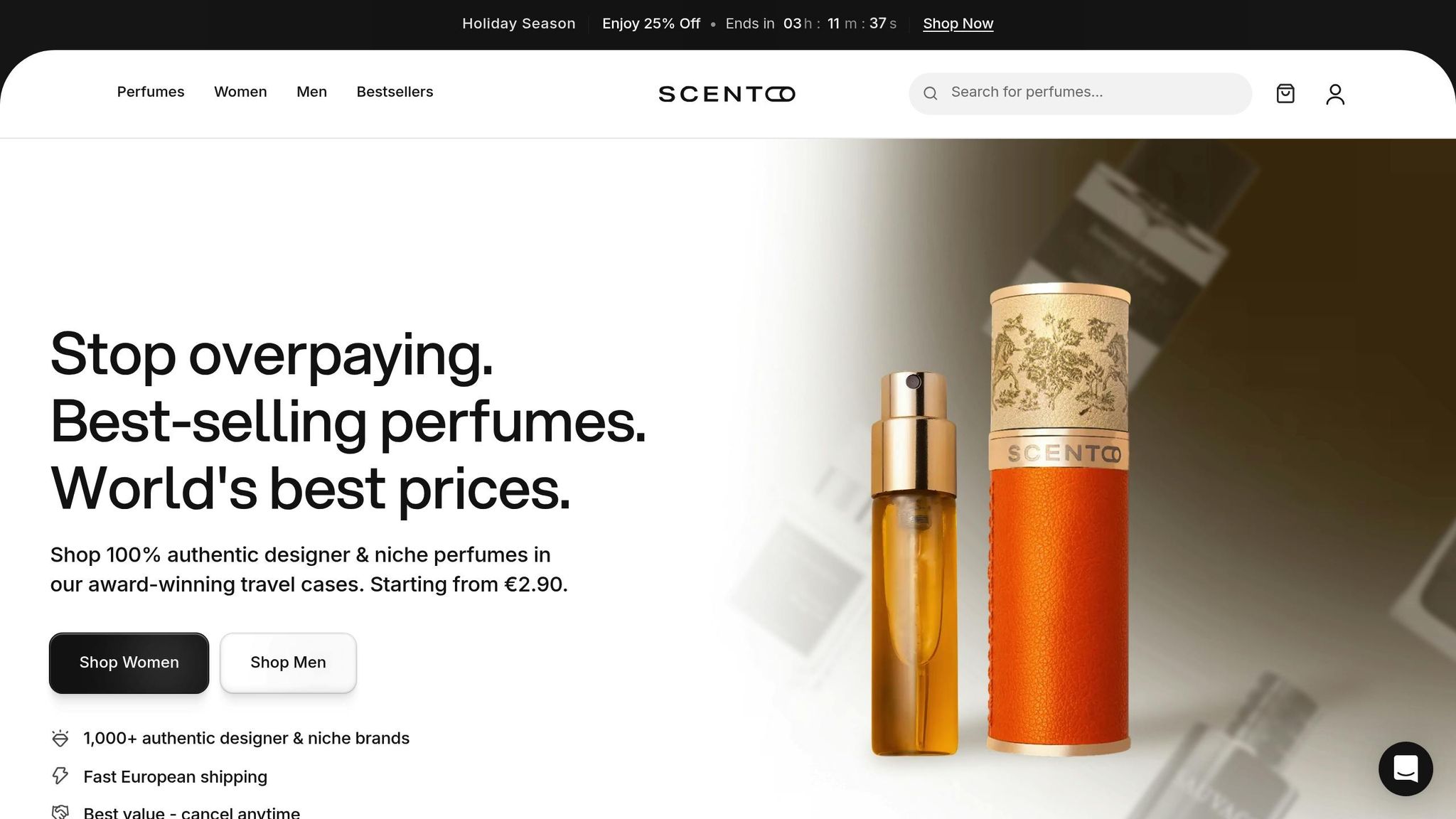
După ce am explorat de ce parfumurile se estompează și cum le putem face să dureze mai mult, să vedem cum redefinește Scento modul în care descoperi aromele. Alegerea unui parfum persistent poate părea un pariu, mai ales când sticlele de designer costă între €100 și €300. O pulverizare rapidă în magazin sau o achiziție pe nevăzute duc adesea la dezamăgire - atunci când aroma fie dispare prea repede, fie nu se potrivește stilului tău de viață. Scento oferă o abordare mai inteligentă, cu risc redus, pentru a găsi parfumuri de lux care ți se potrivesc cu adevărat.
Încearcă înainte să te angajezi
Scento funcționează ca un serviciu de abonament, trimițând flacoane de 8 ml cu parfumuri autentice de designer și de nișă direct la ușa ta. În loc să investești într-o sticlă full-size, primești un flacon cu aproximativ 120 de pulverizări - suficient pentru aproape două luni de utilizare zilnică. Astfel poți experimenta pe deplin felul în care un parfum evoluează pe pielea ta, în diverse contexte și pe parcursul întregii zile.
De ce este important acest lucru? O pulverizare rapidă în magazin dezvăluie doar notele de deschidere, însă personalitatea completă a unui parfum - notele de inimă și de bază - are nevoie de ore pentru a se desfășura. Cu un flacon de 8 ml, poți purta parfumul la serviciu, la cumpărături, la o întâlnire sau chiar în timpul unui antrenament. Astfel ai ocazia să evaluezi cât durează și dacă se armonizează cu chimia pielii tale.
Scento îți oferă acces la peste 900 de parfumuri de la branduri de top precum Dior, Tom Ford și Louis Vuitton. În fiecare lună, poți alege un parfum nou sau poți lăsa Scento să îți recomande unul pe baza preferințelor tale. În timp, vei începe să observi tendințe - poate aromele ambrate și lemnoase rezistă mai mult pe pielea ta sau poate floralele strălucesc în vreme mai răcoroasă. Aceste insight-uri sunt neprețuite atunci când decizi ce sticle full-size merită investiția.
"Obișnuiam să cumpăr sticle întregi și să le regret după o săptămână. Acum pot să ies la întâlnire cu parfumul înainte să mă mărit cu el." — Elena R., clientă verificată
Cu planuri care încep de la doar €14,99 pe lună, livrare gratuită și o garanție de returnare a banilor în 30 de zile, riscul este minim. Dacă un parfum nu ți se potrivește, treci pur și simplu la următorul, fără sentimentul că ai irosit bani.
Dincolo de testarea evoluției unui parfum, Scento îți oferă puterea de a construi o colecție echilibrată, potrivită fiecărui aspect al vieții tale.
Creează-ți garderoba olfactivă
Scento face ușoară crearea unei garderobe de parfumuri versatile, adaptate diferitelor ocazii, sezoane și stări - fără angajamentul financiar al achiziționării mai multor sticle full-size. În loc să te bazezi pe o singură semnătură olfactivă, poți explora o varietate de opțiuni.
De exemplu, poți experimenta cu parfumuri mai lejere și mai proaspete pentru vară și contexte profesionale - note citrice, verzi sau acvatice, care se simt revigorante pe vreme caldă. Pe măsură ce sezoanele se schimbă, poți trece la arome mai bogate și mai calde, precum ambra, vanilia sau notele lemnoase, care performează frumos în aer mai rece și mai uscat. Această rotație sezonieră te ajută să descoperi ce parfumuri prosperă în căldură și care se dezvăluie cel mai bine în frig.
Poți alege, de asemenea, arome pentru ocazii specifice. Poate preferi un parfum subtil, apropiat de piele pentru purtarea zilnică la birou, o opțiune casual și relaxată pentru weekenduri și un parfum îndrăzneț, cu impact pentru serile în oraș sau evenimentele speciale. Testarea câte unui flacon pe rând îți permite să construiești o colecție echilibrată și eficientă ca investiție, fără să îți aglomerezi raftul cu sticle nefolosite.
Abonamentul este și flexibil. Poți sări peste o lună, îți poți pune favoritele în așteptare sau poți anula oricând - fără obligații. Flacoanele compacte sunt perfecte pentru călătorii sau retușuri zilnice, încăpând cu ușurință într-o poșetă sau într-un bagaj de mână.
Recomandările personalizate Scento îți simplifică alegerile, ajutându-te să identifici rapid ceea ce iubești, fără frustrarea cumpărăturilor prin încercare și eroare. Este un mod modern și rafinat de a explora lumea parfumurilor de lux.
Concluzie
Este posibil să faci parfumul să dureze toată ziua cu abordarea potrivită. Deși chimia naturală a pielii joacă un rol important în cât timp persistă o aromă, factori precum greșelile de aplicare, căldura, umiditatea și depozitarea necorespunzătoare îi pot reduce semnificativ rezistența.
Pentru a face parfumul să dureze mai mult, alege formule mai bogate, cu note de bază persistente, precum lemn, mosc și ambră. Obiceiurile simple pot face o diferență majoră: aplică o cremă hidratantă înainte de pulverizare, concentrează-te pe punctele de puls și evită să freci parfumul în piele. Depozitarea corectă este, de asemenea, esențială - păstrează sticlele departe de căldură și lumină pentru a le conserva intensitatea. Ajustează-ți rutina și în funcție de sezon: vara, folosește mai puține pulverizări de parfumuri puternice, iar iarna concentrează-te pe menținerea pielii hidratate.
Înțelegerea structurii parfumurilor te poate ajuta, de asemenea, să faci alegeri mai bune. Notele mai lejere și aerate tind să se estompeze rapid, în timp ce moleculele mai grele rămân ore întregi. Ajustându-ți fin abordarea, te poți bucura de o experiență olfactivă mai inteligentă și mai satisfăcătoare.
Dacă eziti să te angajezi la o sticlă full-size de parfum, Scento oferă o alternativă inteligentă. În loc să cheltuiești $100–$300 pe un parfum care s-ar putea să nu funcționeze pe pielea ta sau în climatul tău, Scento oferă flacoane de 8 ml cu parfumuri autentice de designer. Fiecare flacon conține aproximativ 120 de pulverizări, suficiente pentru două luni de utilizare zilnică. Astfel poți testa cum evoluează un parfum pe pielea ta pe parcursul zilei, în contexte diferite și de-a lungul sezoanelor. Cu o selecție de peste 900 de parfumuri de la branduri precum Dior, Tom Ford și Louis Vuitton, poți găsi cu ușurință aromele care funcționează cu adevărat pentru tine. Planurile încep de la doar $14,99 pe lună, incluzând livrare gratuită și o garanție de returnare a banilor în 30 de zile, ceea ce face din aceasta o modalitate cu risc redus de a explora parfumurile de lux.
Întrebări frecvente
Cum pot alege un parfum care durează mai mult pe pielea mea?
Pentru ca parfumul tău să dureze mai mult, începe prin a opta pentru arome cu concentrații mai ridicate, precum eau de parfum sau parfum. Aceste tipuri conțin un procent mai mare de uleiuri esențiale, ceea ce înseamnă că rămân pe piele mai mult timp. Aromele cu note de bază precum vanilie, mosc, ambră sau lemn sunt, de asemenea, cunoscute pentru durabilitatea lor și pot ajuta parfumul să persiste pe parcursul zilei.
Și tipul tău de piele joacă un rol. Dacă ai pielea uscată, parfumurile se pot estompa mai repede. Pentru a contracara acest lucru, aplică o cremă hidratantă fără parfum înainte de a pulveriza parfumul - aceasta creează o bază hidratată care ajută aroma să adere mai bine. În cele din urmă, testează întotdeauna parfumul pe pielea ta înainte de cumpărare. Astfel te asiguri că îți completează chimia corpului și rezistă așa cum te aștepți în timp.
Cum îmi pot depozita parfumul pentru a-l păstra mai mult timp și cu miros impecabil?
Pentru ca parfumul tău să reziste cât mai mult posibil, păstrează-l într-un loc răcoros și uscat, ferit de lumina directă a soarelui și de schimbările bruște de temperatură. Expunerea la căldură, lumină și umiditate poate modifica structura parfumului, făcându-l să își piardă farmecul mai repede decât ar trebui.
Asigură-te întotdeauna că sticla este bine închisă atunci când nu este folosită. Acest lucru ajută la limitarea expunerii la aer, care poate slăbi treptat aroma. Pentru protecție suplimentară, păstrează parfumul în cutia originală sau într-un sertar, ferit de lumină. Acești pași simpli te pot ajuta să te bucuri de aromele tale preferate mult mai mult timp!
Cum influențează tipul meu de piele durata și mirosul unui parfum?
Tipul tău de piele poate influența considerabil felul în care se comportă un parfum și cât timp persistă pe corp. De exemplu, dacă ai piele grasă, vei observa că aromele tind să dureze mai mult. Acest lucru se întâmplă deoarece uleiurile naturale de pe piele creează o suprafață care ajută parfumul să adere și să se dezvolte în timp. În schimb, pielea uscată poate absorbi parfumul mai rapid, ceea ce face ca aroma să se estompeze mai repede.
Dacă vrei să prelungești durata parfumului tău, un truc simplu este să îți hidratezi pielea înainte de aplicare. Folosirea unei loțiuni fără parfum poate crea o bază hidratată, oferind parfumului ceva de care să se fixeze. Un alt sfat este să aplici parfumul pe punctele de puls, precum încheieturile sau gâtul. Aceste zone generează căldură, ceea ce ajută la amplificarea aromei pe măsură ce ziua înaintează.