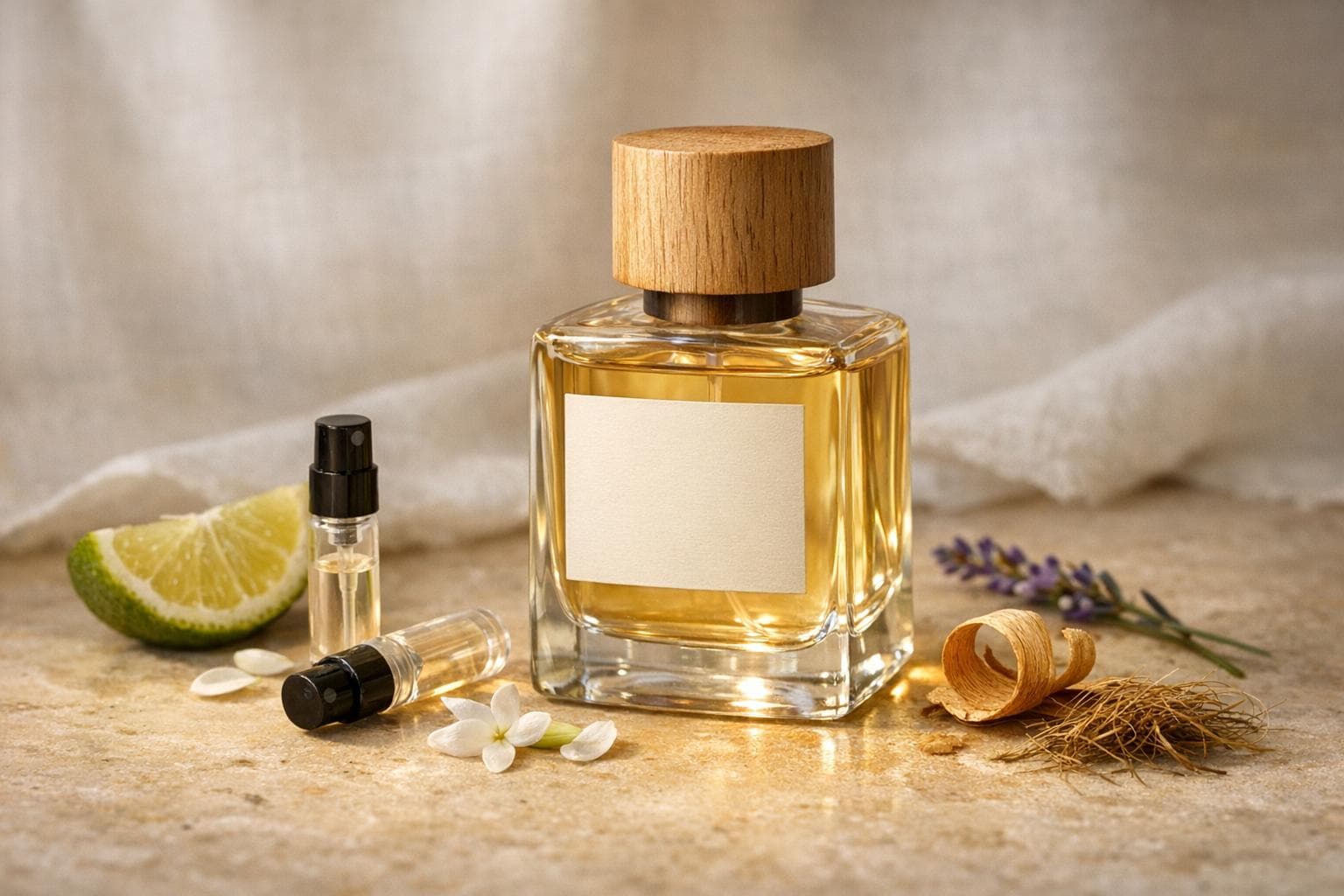
Nezávislé (indie) značky parfémů se těší rostoucí oblibě po celé Evropě, zejména v Německu, neboť představují odpověď na zklamání z mainstreamových vůní. Spotřebitele k těmto menším, samostatně vlastněným značkám přitahuje důraz na individualitu, transparentnost složení a možnost vůně před nákupem flexibilně vyzkoušet. Mezi hlavní důvody tohoto posunu patří:
- Únava z mainstreamových parfémů: Mnohým připadají masově vyráběné vůně příliš zaměnitelné, fádní a předražené.
- Otazníky kolem složení: Nejasné označení ingrediencí u běžných parfémů nechává zákazníky na pochybách, co přesně na svou pokožku nanášejí.
- Možnosti zkoušení: Nezávislé značky nabízejí odstřiky neboli decanty a discovery sety, které zákazníkům umožňují vyzkoušet vůně za dostupnou cenu.
Nezávislé domy vynikají také používáním vysoce kvalitních surovin, důrazem na udržitelnost a vytvářením kompozic inspirovaných osobními příběhy či jedinečnými koncepty. S rostoucím zájmem o genderově neutrální vůně a moderní online způsoby objevování, jako jsou služby s odstřiky, tak indie parfémy zásadně proměňují evropský voňavkářský trh.
Problémy mainstreamových parfémů, které odrazují spotřebitele
Příliš mnoho parfémů, které voní stejně
Vstupte do jakéhokoli obchodního domu a spatříte regály zaplněné parfémy, které jako by splývaly v jeden. Mainstreamové značky se do značné míry spoléhají na fokusní skupiny a masové testování, aby vytvořily kompozice, jež osloví co nejširší publikum. Výsledek? Záplava „sázek na jistotu“ – příjemných, to ano, ale často zcela zapomenutelných. K zajištění konzistence navíc tyto značky využívají stabilní syntetické suroviny, které vedou k lineárnímu vyznění a ponechávají jen minimální prostor pro hloubku či nečekané zvraty. Tato všudypřítomná uniformita zákazníky frustruje, obzvláště když receptury postrádají osobitost a jiskru.
Nedostatečná transparentnost složení
Pohlédněte na seznam ingrediencí většiny běžných parfémů a s největší pravděpodobností uvidíte pouhé jediné slovo: „parfum“. Ačkoli toto označení chrání chráněné receptury, zákazníkům neprozradí zhola nic. Pro ty, kteří se chtějí vyhnout syntetickému pižmu, ftalátům nebo potenciálním alergenům, představuje tento nedostatek jasnosti zásadní překážku. Nezávislé značky naopak volí opačný přístup a nabízejí detailní informace o složkách, od jejich původu až po způsob zpracování, čímž poskytují zákazníkům naprostý přehled o tom, co si pořizují.
Vysoké ceny a zklamání po nákupu
Utratit 150 € za 100ml flakon od Maison Margiela Replica a následně zjistit, že vám vůně nesedí, je trpká zkušenost. V minulosti mnozí zůstávali věrní jedinému charakteristickému parfému, dnešní spotřebitelé – zejména ti mladší – však dávají přednost rozmanitosti. „Šatník vůní“ neboli vlastnictví kolekce parfémů pro různé nálady a příležitosti je stále populárnější. Vysoké cenovky mainstreamových parfémů však činí experimentování riskantním, což mnohé vede k indie značkám nabízejícím flexibilnější a kreativnější možnosti.
„Tyto velké značky tvoří významnou součást našeho podnikání, dříve si však zákazníci našli svou jednu signaturní vůni a u té zůstali. Dnešní mladší zákazníci mnohem více experimentují a jsou ochotni vyzkoušet celou řadu značek.“ – Abigail Jacobs, Senior Vice President of Brand and Integrated Marketing, Sephora
Jak nezávislé značky parfémů naplňují potřeby zákazníků
Vůně vystavěné na příbězích a konceptech
Nezávislí parfuméři často zahajují tvorbu hluboce osobním podnětem – vzpomínkou, konkrétním místem nebo i prchavou emocí. Tento přístup ostře kontrastuje s uniformitou masové produkce. Jak vysvětluje Fragrance Lord:
„Hnací silou nezávislého parfému není marketingové zadání; je to ryzí vize jeho tvůrce.“
Tato tvůrčí svoboda umožňuje indie značkám skládat vůně, které působí osobitě a neotřele. Vezměte si například Imaginary Authors: každá z jejich kreací je inspirována fiktivním literárním dílem, což jí dodává emocionální hloubku, jaké mainstreamové parfémy dosahují jen zřídka.
Kvalitnější ingredience a precizní výroba
Výroba v malých šaržích je poznávacím znamením nezávislých parfémových domů. Tento přístup dovoluje sáhnout po vzácných, vysoce kvalitních surovinách, které velkokapacitní provozy často opomíjejí. Mnoho indie parfémů se rovněž vyznačuje vyšší koncentrací vonných olejů – například Eau de Parfum (15–20 %) nebo Extrait de Parfum (20–40 %) –, což zajišťuje delší výdrž a hloubku na pokožce.
Některé značky navíc posouvají hranice tím, že využívají upcyklované složky nebo ingredience získané fermentací, a vytvářejí tak udržitelnější vonné tóny. Baptiste Bouygues, zakladatel pařížského domu Ormaie, tuto filozofii výstižně vystihuje:
„Na přírodních ingrediencích je něco jedinečného, mají duši. Jejich komplexnost vnáší do parfému neobyčejnou hloubku a poezii.“
Tato oddanost kvalitě a inovacím se nezřídka promítá i do ekologických postupů a transparentního získávání surovin.
Přehlednější značení a ekologičtější postupy
Transparentnost je další oblastí, kde indie značky excelují. Na rozdíl od mnoha mainstreamových parfémů nezávislí výrobci často uvádějí přesné složení i původ jednotlivých složek. Někteří jdou ještě dál a nechávají své udržitelné postupy certifikovat nezávislými autoritami, jako jsou EWG nebo Cradle to Cradle.
Skvělým příkladem je značka Dedcool, která své vůně vyrábí ve vlastní režii a ingredience odebírá z lokálních zdrojů, aby minimalizovala emise a zároveň zajistila čistotu svých receptur. Pro zákazníky, kterým záleží na tom, co na svou pokožku aplikují, je tato míra otevřenosti zásadní změnou k lepšímu.
Zkoušení parfémů prostřednictvím odstřiků
Nezávislé značky řeší i časté váhání kupujících: riziko spojené s pořízením celého flakonu, aniž by člověk věděl, jak se vůně v průběhu dne rozvine. Řešení? Odstřiky (decanty). Tyto malé vialky obsahující jen několik mililitrů parfému umožňují vyzkoušet kompletní vývoj vůně – od jiskřivých vrchních tónů až po doznívající základ – ještě před větší investicí.
Maison Crivelli nabízí kupříkladu discovery set 8 × 1.5 ml za 52 €, což dává zákazníkům možnost prozkoumat cenami ověnčená díla jako Oud Maracujá předtím, než investují do plného flakonu, jehož cena může dosáhnout až 481 €. Podobně platformy jako Scento vycházejí vstříc evropským zákazníkům nabídkou autentických designových a niche vůní v lahvičkách 2 ml, 5 ml a 8 ml a u většiny parfémů i dekantu o objemu 30 ml, díky čemuž je testování před nákupem snazší než kdy dříve.
„Zásadní inovace v podobě discovery setů a vzorkových sad... se ukázala jako účinný nástroj, který řeší hmatová a smyslová omezení při nákupu parfémů online.“ – Debadatta Patel, autor, MarketIntelo
Váš osobní odborník na parfémy už čeká
Vyplňte náš rychlý vonný kvíz a objevte autentické designové a nišové parfémy vybrané podle vašeho vkusu – prozkoumejte je jako 2, 5, 8 a 30 ml dekanty a vzorky, abyste si každý mohli vyzkoušet, než se rozhodnete pro celou lahvičku.
Najděte svou vůniTržní trendy stojící za vzestupem nezávislých parfémů
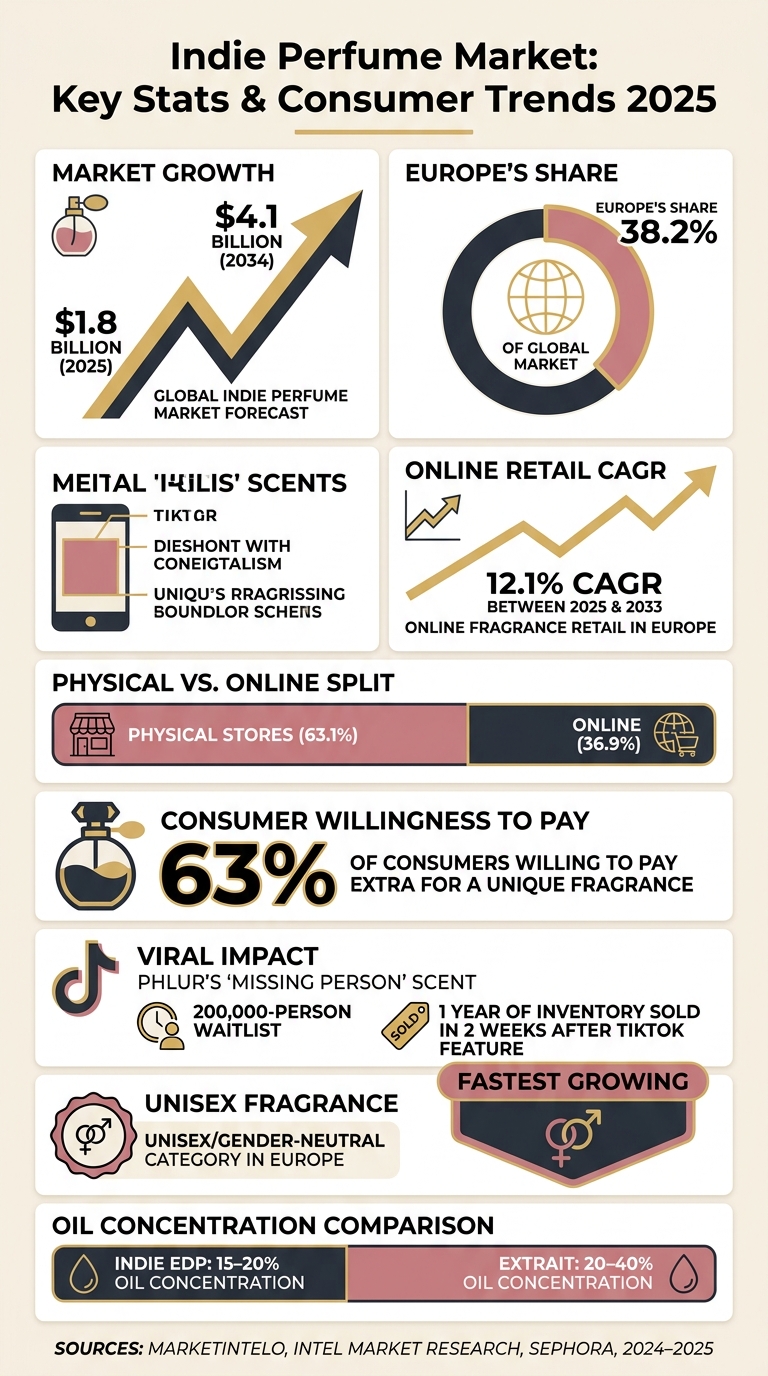
Indie Perfume Market: Key Stats & Consumer Trends 2025
Rostoucí obliba nezávislých značek nespočívá pouze v naplňování spotřebitelských preferencí – vychází také z hlubších posunů na trhu.
Poptávka po čistějších a transparentnějších recepturách
Němečtí a evropští spotřebitelé věnují stále větší pozornost tomu, z čeho jsou produkty vyrobeny. Zákazníci pečlivě zkoumají složení a vyhledávají případná syntetická aditiva či potenciální alergeny. Tento přístup zrcadlí étos hnutí „slow food“, kde hrají prim původ surovin a transparentní výrobní procesy. K tomu přispívají i regulace Evropské unie, jako je iniciativa Horizon 2020, které podporují přírodní zdroje a postupy „clean-label“. Tyto posuny vytvářejí ideální podmínky pro nezávislé značky, jejichž malosériová, dohledatelná produkce přesně odpovídá novým standardům. Na rozdíl od velkých parfémových domů mohou indie značky nabídnout úroveň transparentnosti a udržitelnosti, která u dnešních uvědomělých zákazníků silně rezonuje.
„Evropský trh s luxusními niche parfémy stále více definuje zákazník, který je poučeným znalcem, nikoli pouhým kupujícím; dává přednost původu ingrediencí a umělecké vizi před komerční líbivostí.“ – Intel Market Research
Genderově neutrální vůně a individuální sebevyjádření
Časy striktního dělení vůní podle pohlaví pomalu končí, a to zejména v Evropě. Kategorie unisex parfémů je v současnosti nejrychleji rostoucím segmentem v regionu, přičemž v čele stojí trhy ve Francii, Nizozemsku a Skandinávii.
Tento vývoj pohánějí především mladší zákazníci. Pro generaci Z představuje vůně formu osobního vyjádření, podobně jako móda nebo líčení. Vnímají ji jako prvek, který přizpůsobují momentální náladě či příležitosti, místo aby zůstávali věrní jedinému podpisu. Jak vysvětluje Divya Gugnani, zakladatelka značky 5 Sens:
„Generace Z nenosí každý den tentýž parfém, jak to dělávaly jejich matky či babičky. Mění svou vůni stejně přirozeně jako líčení nebo účes.“
Z tohoto trendu těží i značky jako BYREDO. Díky minimalistickému designu a genderově zcela inkluzivní linii vůní se tato švédská značka stala jedním z lídrů evropského trhu. Právě nezávislé značky, osvobozené od konvencí tradičního genderového marketingu, mají ideální předpoklady tuto změnu nejen přijmout, ale i vést.
Role objevování online a e-commerce
Způsob, jakým zákazníci objevují a nakupují parfémy, prochází díky digitálním platformám zásadní proměnou. Sociální sítě, zejména TikTok, se staly mocným nástrojem, který indie značkám umožňuje oslovit publikum napřímo, bez nutnosti astronomických rozpočtů na reklamu. Zářným příkladem je vůně Missing Person od Phlur, která se stala virálním hitem poté, co ji v roce 2022 zmínila influencerka Mikayla Nogueira. Výsledek? Čekací listina čítající 200 000 zájemců a roční zásoba vyprodaná během pouhých dvou týdnů.
V Evropě online prodej parfémů prudce roste. Ačkoli kamenné prodejny stále představují 63,1 % trhu, očekává se, že online segment poroste mezi lety 2025 a 2033 působivým tempem CAGR 12,1 %. Právě vzorkování formou odstřiků pomáhá překlenout bariéru při objevování vůní po síti. Platformy jako Scento usnadňují objevování tím, že nabízejí originální designové a niche parfémy - lahvičky 2 ml, 5 ml a 8 ml a u většiny parfémů i dekant o objemu 30 ml. Tento přístup předznamenává celkovou proměnu toho, jak si budou evropští spotřebitelé budovat své kolekce vůní v nadcházejících letech.
Závěr: Kam směřuje objevování vůní
Jak nezávislé parfémy řeší nedostatky mainstreamu
Mainstreamové parfémy dlouho těžily z masové přitažlivosti, tento přístup však dnešní zákazníky stále více odcizuje. Spotřebitelé jsou unaveni opakujícími se kompozicemi, nejasným složením a utrácením více než 300 € za lahvičky, které často ani nedotknou. Nezávislé značky tuto mezeru zaplnily tím, že nabídly malosériovou výrobu, transparentní deklaraci ingrediencí a jedinečný autorský pohled za každou vytvořenou kompozicí.
„Kouzlo nezávislých parfémů spočívá v tom, že představují protilék na všudypřítomnou stejnost díky zajímavým kompozicím... víte, že to, co máte na sobě, nenosí každý druhý.“ – Suzanne Scott, Associate Beauty Director, Seen Works
Trh s indie parfémy, u něhož se očekává růst z 1,8 miliardy dolarů v roce 2025 na 4,1 miliardy dolarů do roku 2034, jasně ukazuje zásadní posun v preferencích. Tato změna odráží touhu po větší kontrole a osobitosti při volbě vlastní vůně.
Větší svoboda při objevování nových vůní
Služby nabízející odstřiky způsobily revoluci ve způsobu, jakým lidé poznávají parfémy. Umožňují vyzkoušet luxusní i niche kreace v menších, cenově dostupnějších formátech – jako jsou lahvičky 2 ml, 5 ml a 8 ml a u většiny parfémů i dekant o objemu 30 ml – bez nutnosti zavázat se k plnému flakonu. Scento je prodejce parfémových dekantů a vzorků a každý produkt si můžete koupit jednorázově, bez jakéhokoli předplatného. Scento+ je volitelné členství Scento: měsíční poplatek se vám v plné výši vrací jako kredit do obchodu, který utratíte za jakýkoli parfém, členové mají 10 % slevu, vzorek zdarma ke každé objednávce, parfém zdarma každých šest měsíců a dárek k narozeninám a členství můžete kdykoli pozastavit nebo zrušit. Tento koncept eliminuje finanční riziko nákupů naslepo a usnadňuje sestavení osobního voňavého šatníku. Pozoruhodné je, že 63 % spotřebitelů je ochotno připlatit si za unikátní vůni, avšak pouze za předpokladu, že mají jistotu, že perfektně sedí k jejich stylu. Modely postavené na prioritním objevování tak utvářejí budoucnost parfémového světa.
Budoucnost nezávislého parfumérství
Nové trendy, jako jsou genderově neutrální tóny, funkční vůně navržené k ovlivnění nálady či vrstvení (layering) jako forma sebevyjádření, nově definují vztah lidí k parfémům. Tyto posuny přímo navazují na vypravěčství a transparentnost ingrediencí, které se staly poznávacím znamením nezávislých domů, a posilují jejich vliv. Jak uvádí LC James, tvůrce na TikToku věnující se parfémové kultuře:
„Svět vůní prochází spotřebitelskou redefinicí... proměnou parfému v nástroj osobního vyjádření stejně jako v případě módy, na rozdíl od dřívějšího pojetí, kdy byl vnímán jako něco, co děláte pro druhé.“
Vzhledem k tomu, že Evropa tvoří 38,2 % celosvětového trhu s nezávislými parfémy a poptávka po exkluzivních, hlubších vonných zážitcích neustále stoupá, indie parfémy již nejsou pouhou okrajovou záležitostí. Rychle se stávají novým etalonem toho, jak jsou vůně tvořeny, prezentovány i prožívány.
Často kladené otázky
Jak poznám, že je značka parfému skutečně „indie“?
Nezávislé (indie) parfémové značky se vyznačují tím, že jsou v nezávislém vlastnictví – často za nimi stojí zapálení jednotlivci nebo malé týmy – a vyhýbají se vlivu velkých korporací. Tyto značky kladou důraz na malosériovou výrobu, umělecké vypravěčství a řemeslné zpracování, přičemž upřednostňují kvalitu před masovými trendy. Často sahají po neobvyklých surovinách a čerpají inspiraci z osobních či specifických témat, díky čemuž působí jejich parfémy rukodělným a neopakovatelným dojmem.
Jsou indie parfémy bezpečnější pro citlivou pokožku nebo při alergiích?
Indie parfémy bývají někdy považovány za šetrnější k citlivé pokožce, protože často dávají přednost přírodním ingrediencím a jasnému značení. Mnoho z těchto značek se vyhýbá syntetickým aditivům, která mohou u některých jedinců vyvolávat reakce. Přesto bezpečnost parfému vždy závisí na konkrétním složení, nikoli pouze na nálepce nebo značce. Vždy je rozumné zkontrolovat seznam ingrediencí a provést test snášenlivosti na malém kousku kůže, protože každá pokožka reaguje individuálně. Ačkoli důraz na „čisté“ formulace činí indie parfémy atraktivními pro citlivější osoby, opatrnost je stále na místě.
Jaký je nejlepší způsob, jak otestovat vůni před nákupem celého flakonu?
Nejpraktičtějším způsobem, jak vyzkoušet vůni před investicí do celého flakonu, je pořízení menších odstřiků (decantů) nebo vzorků. Služby jako Scento nabízejí například 8ml decanty, které vám poskytnou dostatek času a prostoru vůni důkladně poznat, aniž byste museli utrácet za velký flakon. Tato metoda je ideální zejména pro objevování niche nebo jedinečných kompozic, protože vám umožní ujistit se, že k vám vybraná vůně dokonale pasuje.

