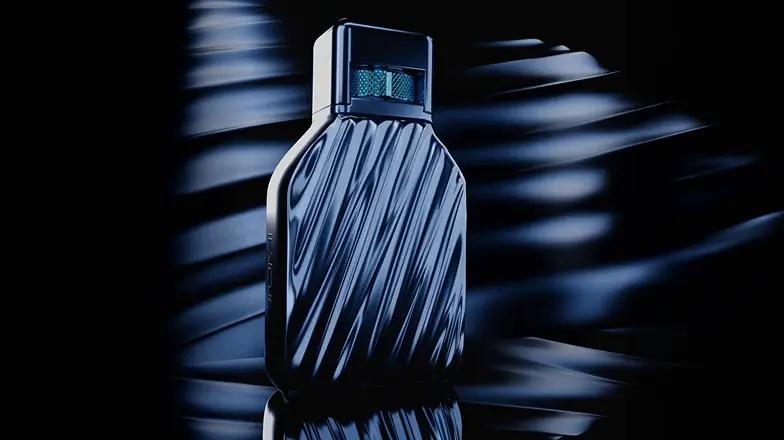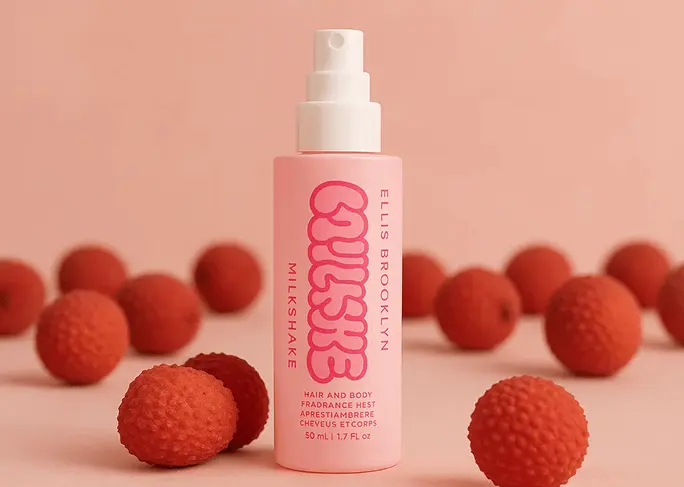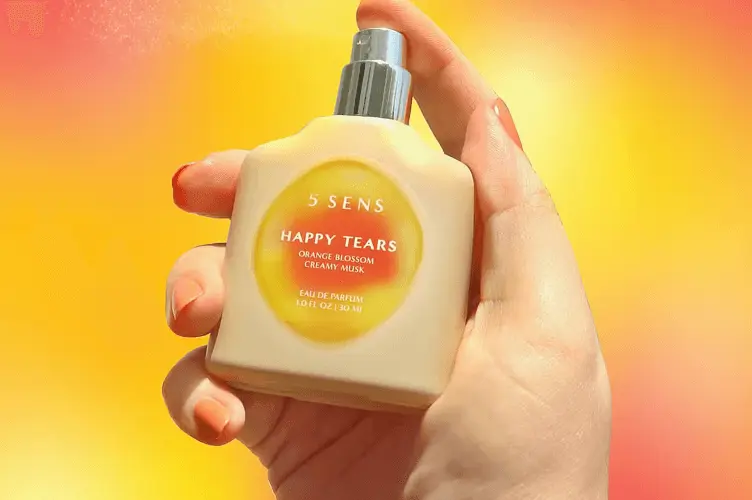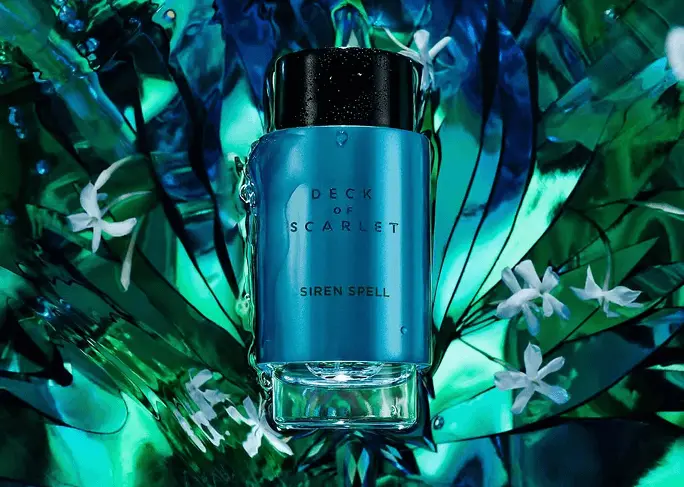
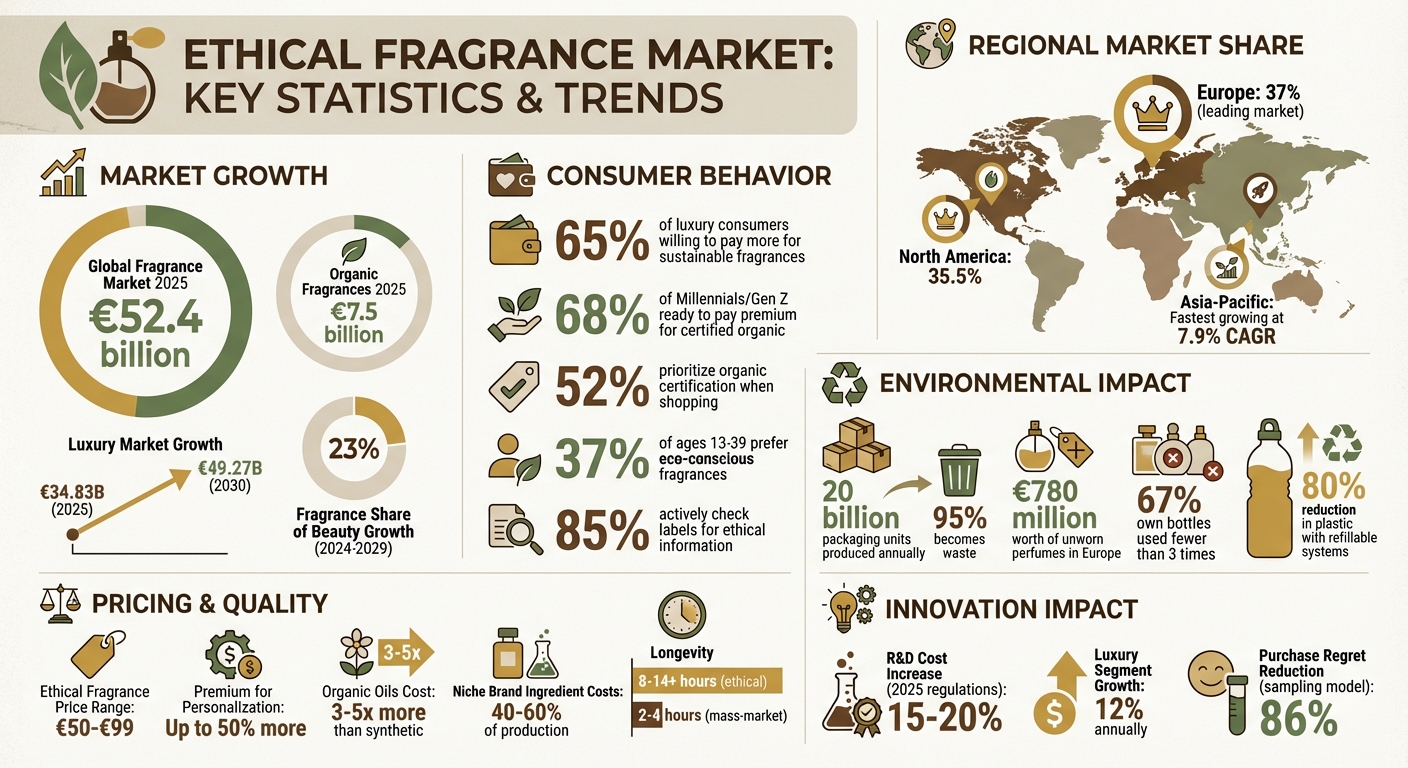
Consumers are reshaping the luxury fragrance industry by prioritizing transparency, sustainability, and ethical practices. By 2025, the global fragrance market is projected to hit €52.4 billion, with organic fragrances valued at €7.5 billion. Younger buyers, especially Gen Z, demand environmentally friendly products, pushing brands to rethink production, sourcing, and packaging.
Key points driving this shift:
- Transparency is Key: Consumers want to know how ingredients are sourced and products are made.
- Environmental Concerns: Over 20 billion packaging units are produced annually, with 95% becoming waste.
- Gen Z Influence: 37% of those aged 13–39 prefer eco-conscious fragrances.
- Ethical Innovations: AI and blockchain are enabling traceable supply chains, while refillable packaging and upcycled materials are reducing waste.
- Premium Pricing: Ethical fragrances cost more due to high-quality ingredients and sustainable practices, with prices often ranging between €50–€99.
Brands that balance emotional allure with ethical responsibility are thriving, proving that consumer values now weigh as heavily as scent preferences.
Ethical Fragrance Market Statistics and Consumer Trends 2025-2030
Don’t Buy Another “Clean” Perfume Until You Watch This
The Rise of Ethical Fragrances in Luxury Markets
The luxury fragrance industry is undergoing a significant transformation, shifting from an aura of mystique to a focus on transparency and accountability. By 2030, the market is expected to grow from €34.83 billion in 2025 to €49.27 billion, driven largely by consumer demand for ethical practices. Around 65% of luxury consumers are now willing to pay more for fragrances that align with sustainable values. This evolution is not just reshaping market dynamics but also compelling brands to overhaul their production strategies.
This shift, however, comes at a cost. For instance, when the European Chemicals Agency (ECHA) restricted two widely used synthetic musks in January 2025, fragrance brands faced a 15-20% increase in R&D expenses as they scrambled to reformulate their products. Yet, the industry is adapting. In June 2023, Kering Beauté acquired Creed, a high-end fragrance house, to solidify its position in the luxury market rooted in heritage and craftsmanship. Similarly, in November 2024, a major beauty retailer invested €150 million in a niche fragrance brand appealing to Gen Z’s preference for artisanal over mass-market scents.
Fragrance is projected to account for 23% of overall beauty industry growth between 2024 and 2029. However, this growth is concentrated among brands that can substantiate their ethical claims. As Ashlee Posner, Founder and CEO of lucént, puts it:
"Fragrance development is shifting from ‘make it smell great and look at ingredients later’ to structure-first formulation engineered to minimize declarable allergens".
What Drives Consumers to Choose Ethical Fragrances
The demand for ethical fragrances is rooted in three key factors: health-conscious formulations, environmental responsibility, and animal welfare. Many consumers are actively avoiding ingredients like phthalates, parabens, and synthetic dyes, opting instead for non-toxic, natural alternatives. Certifications such as Leaping Bunny, which verify cruelty-free and vegan formulations, have become essential. These certifications ensure products exclude animal-derived ingredients like ambergris or civet musk.
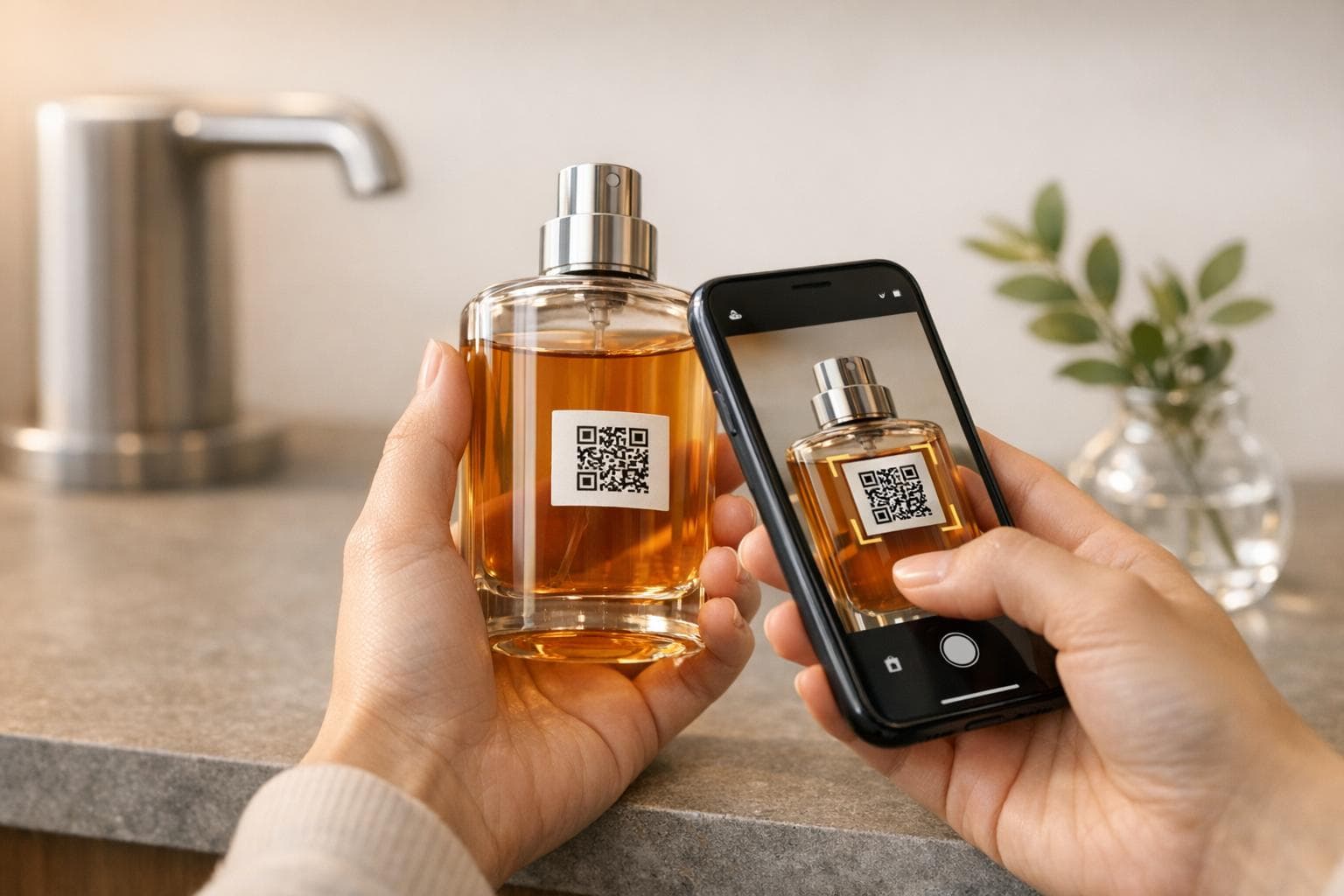
But ethical choices go beyond ingredient lists. Brands are innovating to align with these values. For example, Miller Harris uses upcycled cedarwood - a byproduct of carpentry - in its fragrances “Melody” and “Black Datura” to minimize waste. Bastille Parfums has added QR codes to its packaging, enabling customers to trace ingredient sourcing and production processes. Givaudan has also joined the Sourcing4Good initiative in India to ensure sustainable and ethical sourcing of raw materials.
Ethical niche brands are setting new standards by allocating 40-60% of production costs to high-quality ingredients. These brands prioritize transparency, offering fragrances with impressive longevity of 8-14+ hours, compared to the 2-4 hours typical of mass-market options, and packaging made from 50-70% recycled materials or glass.
Market Data and Growth Forecasts
Consumer-driven changes are reflected in regional growth patterns and innovative market strategies. Europe leads with a 37% market share, supported by stringent ECHA regulations and a strong tradition of craftsmanship. North America follows at 35.5%, benefiting from high per-capita spending and well-established retail networks. Meanwhile, the Asia — Pacific region is the fastest-growing, with a 7.9% compound annual growth rate (CAGR), driven by rising disposable incomes and a growing appetite for luxury in China and India. Regulatory pressures and consumer expectations for transparency are bolstering these regional trends.
The organic fragrance market, valued at €7.5 billion, is seeing the luxury segment grow by 12%. Emerging technologies and innovative business models are playing a pivotal role in this growth. For instance, in April 2023, Netherlands-based EveryHuman launched its "Algorithmic Perfumery" platform. This AI-driven service creates personalized scents based on users’ emotional and psychological inputs, bypassing traditional retail entirely. At the same time, high-end brands like Chanel and Guerlain are introducing refillable packaging options, addressing waste concerns while maintaining their luxury appeal.
The wellness movement is also shaping fragrance development. As Judith Gross, VP of Communication and Branding at IFF, explains:
"Joy is no longer superficial; it is a psychological need, which the IFF Science of Wellness platform can address with scents designed towards specific emotional or cognitive benefits".
This emerging field of "neuroperfumery", which focuses on creating functional fragrances for stress relief or improved concentration, signals the direction the industry is heading.
How Consumer Preferences Shape Ethical Buying Patterns
Who Buys Ethical Fragrances: Demographic Breakdown
The ethical fragrance market appeals to a wide range of consumers, each group bringing its own priorities to the table. Women remain the primary audience, consistently showing a stronger willingness to pay extra for certified organic personal care products. Millennials and Gen Z are leading the charge, with 68% of them ready to pay premium prices for certified organic fragrances. For these younger generations, values like authenticity and ethical transparency are non-negotiable. Industry experts underline that Gen Z, in particular, expects brands to explain the "why" behind their products, viewing ethical practices as standard rather than a bonus.
On the other end of the spectrum, the "Silver Generation" (aged 50–60+) is emerging as a key demographic. This group leans toward classical scents and prioritizes high-quality, safe formulations. While they appreciate purpose-driven messaging, they see it as more of a bonus than a necessity. The numbers back this up: 52% of fragrance consumers now prioritize organic certification when shopping, and by 2026, 65% of luxury buyers will demand transparency in ingredient sourcing. Unisex fragrances, which now make up 42% of the organic perfume market, are growing at a rate of 7.8% annually. Additionally, a rising number of consumers - 33.6%, up from 24.9% in 2023 - are seeking unique fragrance combinations. This highlights a growing demand for products that not only align with ethical standards but also cater to individual tastes and identities.
Personalization in Ethical Fragrance Shopping
As consumer preferences diversify, personalization has become a cornerstone of the ethical fragrance market. Shoppers increasingly view customized scents as the ultimate way to express their individuality while aligning with their values. This trend is especially strong among younger buyers, with 37% of those aged 13–39 preferring environmentally friendly fragrance options.
The willingness to pay extra for personalized ethical fragrances is striking. While consumers are generally open to paying 15%–20% more for ethical scents, personalized options can command premiums of up to 50%. Companies like Scento are capitalizing on this trend by offering curated discovery kits in smaller sizes - 0.75ml, 2ml, and 8ml. This approach allows customers to explore high-quality designer fragrances without committing to expensive full bottles, which often cost $300 or more and may go unused. By combining sustainability with customization, Scento addresses a key consumer pain point and redefines how people discover and curate their fragrance collections.
The pricing of ethical fragrances reflects their premium nature. Organic essential oils, a cornerstone of these products, are 3 to 5 times more expensive than synthetic alternatives, pushing most ethical fragrances into the €50–€99 range. Despite the higher costs, consumers continue to prioritize these options, proving that ethical values now weigh just as heavily as scent preferences in purchasing decisions.
Expertul tău personal în parfumuri te așteaptă
Completează testul nostru rapid de parfumuri și descoperă parfumuri designer și de nișă autentice, alese pe gustul tău – explorează-le ca decanturi și mostre de 2–8ml, ca să le poți încerca pe fiecare înainte de a alege un flacon întreg.
Descoperă-ți parfumulTechnology Enabling Ethical Fragrance Production
Supply Chain Transparency Through Technology
The fragrance industry’s veil of secrecy is lifting, thanks to advancements in technology. Blockchain, for instance, offers a way to create tamper-proof digital records that document every stage of a fragrance’s journey - from sourcing raw materials to final delivery. This decentralized system ensures fair trade practices and ethical standards, providing consumers with verifiable insights into the origins of their favorite scents.
Why is this important? Because trust in product claims is alarmingly low - only 18% of cosmetic product claims are deemed reliable. Considering that a single fragrance can include anywhere from 30 to 100 raw materials, transparency becomes essential. Take vanilla, for example: Madagascar supplies 70–80% of the global market, supporting around 70,000 farmers. Blockchain technology ensures these farmers are fairly compensated and work under ethical conditions.
Artificial intelligence is also playing a key role in driving ethical decisions. Tools like Firmenich’s "EcoCompass" allow perfumers to assess carbon emissions, water usage, and environmental scores for individual ingredients in real time. This helps them compare materials and choose options with lower environmental impacts. Meanwhile, biotechnology is stepping in to offer lab-grown alternatives for rare or endangered ingredients such as vanilla, rose, and sandalwood, preserving biodiversity without compromising the quality of the fragrance.
Digital traceability platforms are another game-changer. Companies like Natura &Co utilize these systems to track bio-based ingredients sourced from Amazonian communities. At the same time, AI-powered toxicology models and 3D reconstructed human skin are replacing animal testing. These platforms not only provide transparency and accountability but also encourage more efficient and sustainable supply chains. They even open the door for eco-friendly packaging solutions, further enhancing the ethical footprint of the fragrance industry.
Eco — Friendly Packaging and Refillable Options
Packaging innovations are transforming how ethical fragrances are delivered to consumers. Refillable bottle systems, for example, have become a popular solution, cutting plastic usage by up to 80%. Luxury brands like Balmain, Louis Vuitton, and Mugler are leading the charge by offering refillable glass bottles, allowing customers to reuse elegant containers indefinitely.
Recycled and recyclable materials are also becoming the standard. Many brands are moving away from thick, non-recyclable glass toward options like 100% recycled plastic (rPET) or recycled glass, which require far less energy to produce. Biodegradable materials, such as mushroom fiber and recycled paper, are replacing traditional packaging boxes. Some companies are even upcycling materials from other industries, transforming orange peels, coffee grounds, and wood chips into unique fragrance components while reducing waste.
To meet the growing demand for transparency, QR codes on packaging now allow consumers to instantly verify the sourcing and production processes of their fragrances. This aligns with the expectations of the 85% of consumers who actively check labels for ethical information. Brands like Scento are incorporating sustainability into their business models by offering smaller fragrance decants in 0.75 ml, 2 ml, and 8 ml sizes. Paired with refillable atomizers, these smaller formats not only reduce material use but also provide a low-waste way to explore a variety of scents.
Eco-friendly packaging is also becoming more accessible financially. Wholesale prices for refillable glass perfume bottles range from €0.14 to €0.90 per unit, making sustainable options a viable choice even for smaller brands. As the global perfume market, valued at €65.1 billion in 2023, continues to grow and is expected to reach €90 billion by 2032, technology-driven sustainability is keeping pace with consumer demand for ethical and environmentally conscious products.
How Ethical Positioning Affects Consumer Loyalty
Ethical Branding as a Market Differentiator
Trust is the cornerstone of ethical branding, but it needs to work alongside a captivating fragrance to truly resonate. In the fragrance industry, especially with Gen Z, authenticity is key. This generation is quick to detect greenwashing and demands more than generic labels like "clean beauty" or "eco-friendly." They expect clear, measurable actions and transparency.
While ethical branding can elevate a brand’s image, it doesn’t replace the need for a great product. Brands that successfully pair standout fragrances with genuine ethical practices not only drive repeat purchases but also inspire long-term loyalty. On the flip side, poorly executed sustainability claims can lead to lasting reputational harm. Real differentiation stems from transparency - showcasing actual supply chain improvements, fair labor practices, and detailed environmental data.
By building trust through these ethical commitments, brands are also exploring innovative purchasing models that make high-quality fragrances more accessible, further strengthening customer connections.
Subscription Models and Ethical Fragrance Discovery
Subscription services are revolutionizing how people discover ethical fragrances by reducing financial risk. Luxury perfumes often come with price tags exceeding $300, which can be daunting without certainty of long-term use. Smaller discovery formats tackle this issue head-on while aligning with mindful consumption.
A growing shift toward "fragrance wardrobing" is also reshaping the market. Instead of sticking to a single signature scent, many consumers now rotate between 10 to 15 fragrances, tailored to different occasions, moods, or seasons. Subscription services like Scento make this approach accessible. Offering 8ml decants - equivalent to about 120 sprays - at prices starting from $14.00 per month, these services allow consumers to experience high-end fragrances without the hefty price tag or waste. This model not only opens doors to luxury scents but also minimizes excess packaging and unused products, aligning perfectly with ethical values.
Conclusion
The luxury fragrance industry is experiencing a profound transformation as ethical practices shift from being optional to becoming essential. Today’s consumers are looking for more than just exquisite scents - they expect brands to uphold high ethical standards alongside quality.
This change is sparking advancements across the industry. In March 2025, Osmo, a fragrance house, introduced "Generation", leveraging AI and machine learning to create three proprietary molecules — Glossine, Fractaline, and Quasarine. These innovations speed up ingredient replacement processes by a factor of 10. At the same time, practices like using biotechnology, incorporating upcycled materials, and offering refillable packaging are no longer just marketing strategies - they’re becoming the norm. Such developments are reshaping how brands meet both environmental responsibilities and consumer expectations.
Traditional business models are also being reimagined. The long-standing practice of blind-buying full-size bottles, often priced at $300 or more, has led to an estimated €780 million (around $850 million) worth of unworn perfumes across Europe. A staggering 67% of fragrance buyers admit to owning at least one bottle they’ve used fewer than three times. Companies like Scento are addressing this issue head-on with an innovative subscription model. By offering 8ml decants - roughly 120 sprays - starting at $14.00 per month, they’ve reduced purchase regret by 86%.
"The €780 million in fragrance waste across Europe isn’t just a consumer problem – it’s an environmental and economic crisis demanding a new approach to perfume discovery."
- Sebastian Dobrincu, CEO and Founder, Scento
The future of luxury fragrance lies in brands that embrace transparency and rethink their entire approach to the consumer experience. From lab-grown molecules to sampling-first business models, the industry is proving that ethical responsibility and commercial success can go hand in hand.
FAQs
How can I tell if a perfume is truly ethical?
To spot an ethical perfume, start by checking for certifications such as Ecocert or COSMOS ORGANIC. These labels indicate that the product adheres to standards for natural and responsibly sourced ingredients. Transparency is another key factor - brands that openly share detailed ingredient lists are more likely to uphold ethical practices. Additionally, many ethical perfumes are cruelty-free, meaning they aren’t tested on animals, and some are also vegan, avoiding any animal-derived components. Look for certifications from organizations like PETA or Leaping Bunny to confirm these claims.
Why do ethical fragrances cost more?
Ethical fragrances come with a higher price tag due to the commitment to using responsibly sourced ingredients, eco-friendly packaging, and adherence to rigorous safety and transparency standards. These efforts elevate production costs but result in products that prioritize sustainability and ethical practices.
What’s the most eco-friendly way to buy fragrance?
The best way to shop for fragrance with the planet in mind is by opting for refillable bottles and packaging made with sustainability in focus. These choices cut down on waste and lessen the strain on resources. Seek out brands that emphasize eco-conscious materials and thoughtful designs to make your fragrance purchase kinder to the environment.