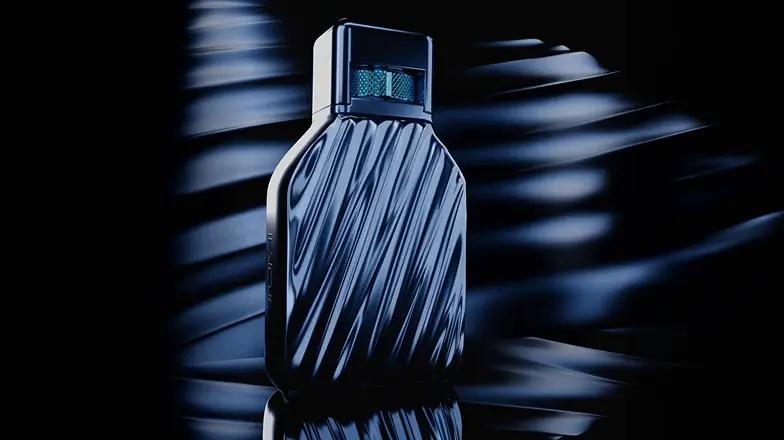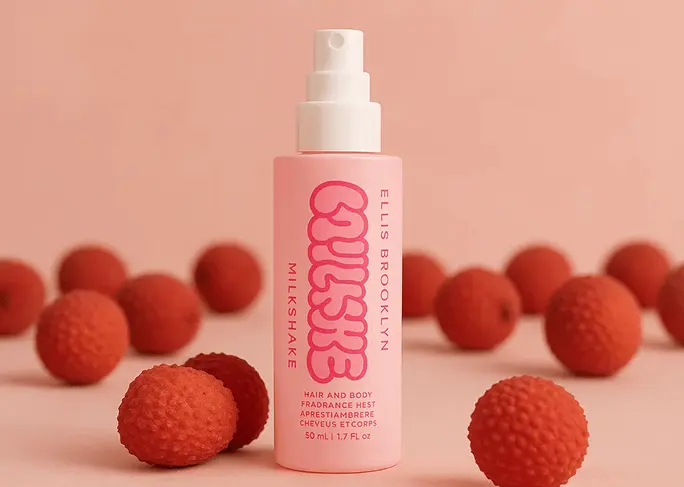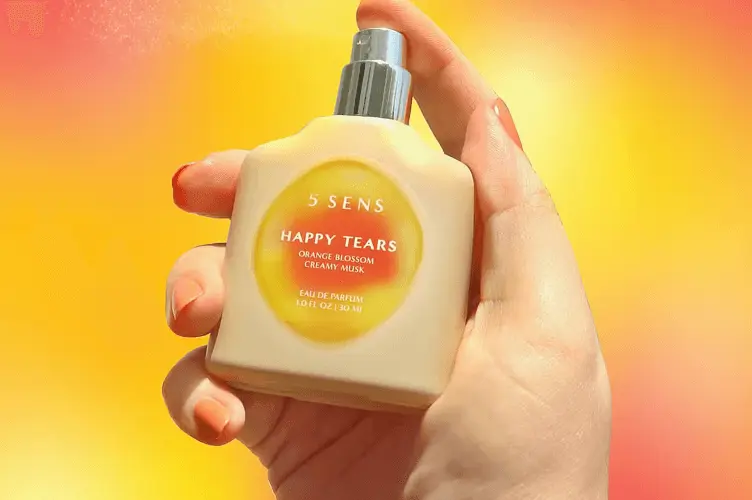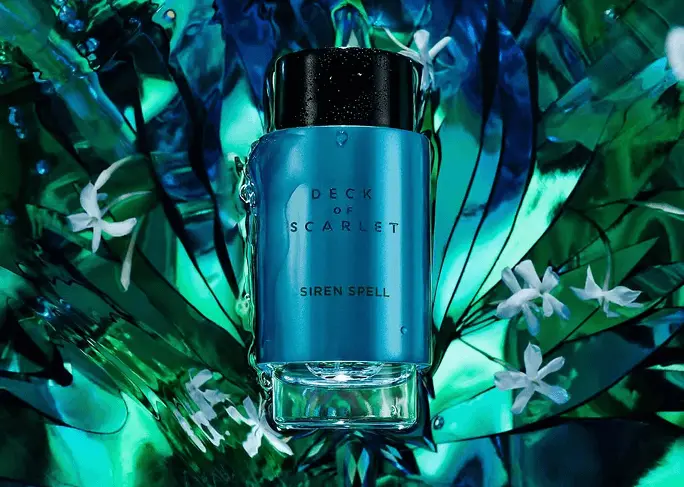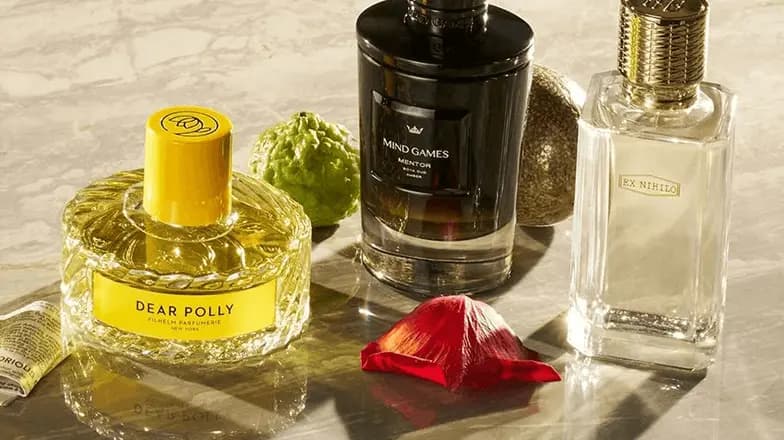
Perfume - a timeless symbol of self-expression, identity, and sophistication. While it’s easy to get lost in the allure of a fragrance bottle on the shelves of a luxury store, the journey of creating that liquid elegance is a mesmerizing blend of nature, art, and science. Behind every spritz lies a meticulously orchestrated process that spans continents and centuries, connecting fields of lavender, roses, and jasmine to the hands of master perfumers. Let’s dive into the fascinating world of perfume-making and uncover the artistry behind this billion-dollar industry.
The Origins of Perfume: From Ancient Rituals to Modern Luxury
Perfume has been part of human culture for thousands of years, with its roots tracing back to ancient Egypt. Initially, it was a sacred luxury, used for religious rituals, embalming pharaohs, and creating a connection with the divine. Over centuries, the craft of perfumery evolved, with the 17th century marking a significant turning point in France. The perfection of distillation techniques transformed France into the epicenter of modern perfumery, a reputation it holds to this day.
Iconic French houses like Chanel, Dior, and Guerlain embody the essence of sophistication, while Italy’s Gucci and Dolce & Gabbana infuse bold creativity into their fragrances. Across all these creations, perfume remains a deeply personal accessory - transforming as it interacts with the wearer’s unique skin chemistry to produce an invisible, intimate signature.
Expertul tău personal în parfumuri te așteaptă
Completează testul nostru rapid de parfumuri și descoperă parfumuri designer și de nișă autentice, alese pe gustul tău – explorează-le ca decanturi și mostre de 2–8ml, ca să le poți încerca pe fiecare înainte de a alege un flacon întreg.
Descoperă-ți parfumulFrom Field to Factory: The Journey of Essential Oils
1. Harvesting Lavender: A Symphony of Precision
Lavender, often considered the backbone of modern perfumery, begins its journey in the purple fields of Provence, France, and Bulgaria. These fields bloom gloriously in summer, with farmers carefully timing the harvest to ensure maximum essential oil content. Delayed harvesting can reduce the quality of the oil, while premature picking results in weaker fragrances.
Thanks to modern machinery, specialized harvesters glide through the fields, cutting and collecting lavender with minimal damage. The freshly harvested lavender is transported to distilleries within 24 hours to preserve its aroma. Through steam distillation, essential oil molecules are extracted, cooled, and separated into "liquid gold" - lavender essential oil. Interestingly, even the leftover water, known as hydrosol, is repurposed for cosmetics and room sprays, ensuring no part of the plant goes to waste.
2. The Elusive Luxury of Roses and Jasmine
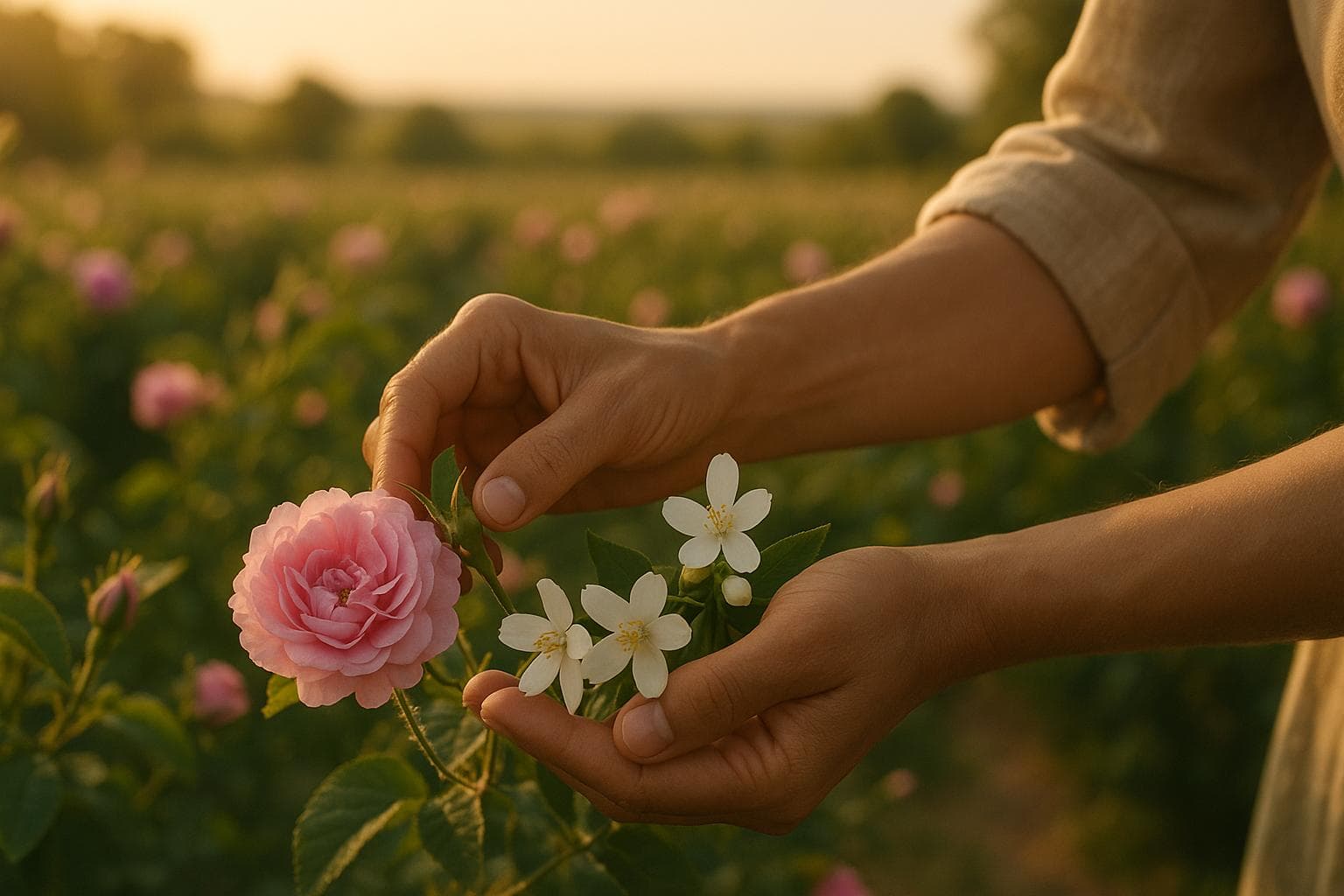
At the higher end of the perfume spectrum lie rose and jasmine oils, celebrated for their rarity and richness. In Bulgaria’s famed Valley of Roses, damask roses are hand-picked at dawn when their essential oil content peaks. Similarly, jasmine flowers, predominantly harvested in India and Egypt, demand night-time picking to capture their sweetest fragrance.
Unlike lavender, these delicate flowers require solvent extraction for their essential oils. This intricate process produces a concentrated, waxy substance known as "concrete", which is later refined into "absolute", the purest form of floral oil. The sheer volume of flowers required is staggering - millions of blossoms for just 1 kilogram of absolute - making these oils some of the most precious ingredients in perfumery.
The Blending Stage: Where Science Meets Art
Once essential oils arrive at the perfume atelier, the true magic begins. This is the domain of the "nez" or "golden noses" - highly trained perfumers capable of identifying and memorizing thousands of scents. These olfactory artists meticulously balance the three-tiered structure of a perfume:
- Top Notes: The fleeting first impression that evaporates quickly (e.g., citrus, herbs).
- Heart Notes: The core essence that defines the fragrance’s personality (e.g., florals, spices).
- Base Notes: The long-lasting foundation that lingers on the skin (e.g., woods, musk).
Achieving perfect harmony among these layers requires years of expertise. A slight imbalance can disrupt the entire composition. To become a master perfumer, one must undergo rigorous training spanning 5 to 10 years at prestigious institutions like ISIPCA in France.
The Final Touch: Aging, Dilution, and Bottling
Before a perfume is market-ready, it undergoes an aging process akin to fine wine. Stored in steel vats for months or even years, the fragrance matures, allowing the scents to meld into a seamless symphony. Once aged, the perfume is diluted with pure alcohol and distilled water to achieve the desired intensity and longevity.
The final steps - bottling, sealing, and packaging - are carried out with meticulous precision. Luxury perfume houses often hand-finish their products, ensuring each bottle is a masterpiece of craftsmanship. From the fields of blossoms to the hands of artisans, every stage is infused with dedication, transforming raw nature into timeless elegance.
Why Perfume Matters: A Personal and Cultural Legacy
The power of perfume goes beyond its luxurious appeal. It serves as an invisible armor, boosting confidence and transforming moods. It also carries cultural significance, acting as a bridge between ancient traditions and modern desires. With the global fragrance industry valued at over $55 billion annually, it’s clear that our love for perfume is as enduring as the scents themselves.
Key Takeaways
- Historical Significance: Perfume has evolved from a sacred ritual in ancient Egypt to a global luxury industry.
- Fieldwork Precision: Lavender, roses, and jasmine play central roles in perfumery, with harvesting methods tailored to preserve their fragrance.
- Complex Extraction: Essential oils are extracted either through steam distillation (lavender) or solvent methods (delicate florals like roses and jasmine).
- Artistry in Blending: The creation of a perfume requires the expertise of master perfumers who balance top, heart, and base notes.
- Aging and Bottling: Aging ensures the fragrance matures to perfection, while precise bottling preserves its quality.
- Cultural Connection: Perfume reflects personal identity and a cultural legacy, making it both a luxury and an art form.
- Environmental Harmony: Sustainable practices, such as repurposing byproducts like hydrosol, highlight the industry’s commitment to minimizing waste.
Perfume is much more than a beautiful fragrance. It’s a story - of flowers, craftsmanship, and the invisible threads that connect us to nature and history. The next time you hold a bottle of luxury perfume, take a moment to appreciate the journey it has traveled. From the sunlit fields of Provence to the skilled hands of a golden nose, every drop tells a tale of artistry and passion.
Source: "How Perfume Is Made – Inside Luxurious Perfume Processing Factory" - Agriculture Insight, YouTube, Sep 15, 2025 - https://www.youtube.com/watch?v=iKctxUJiF08