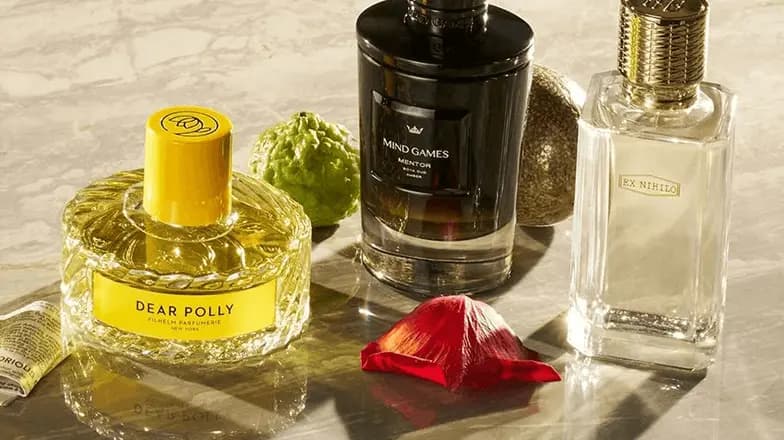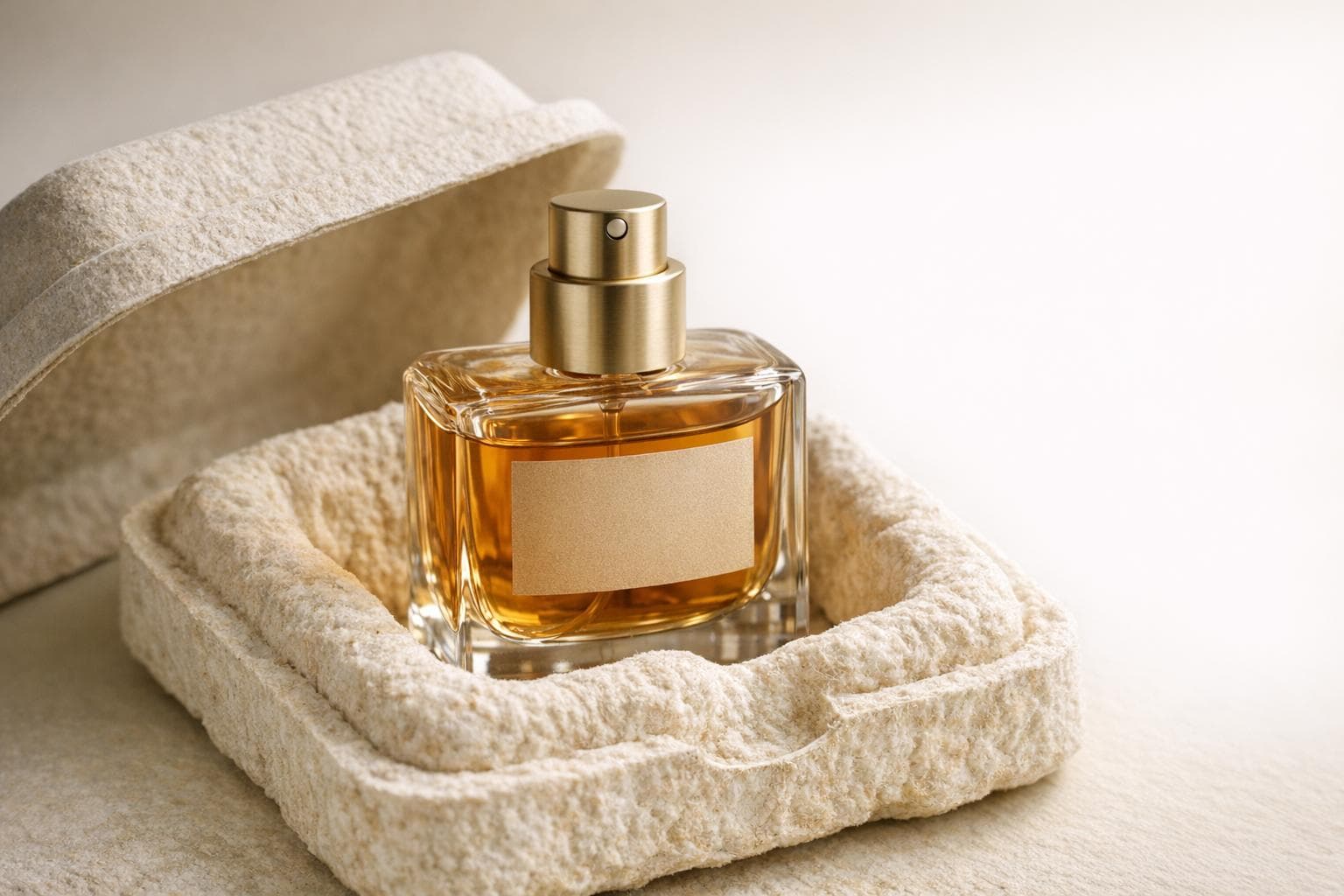
Ambalajele pentru parfumuri se transformă rapid. De ce? Deșeurile reprezintă o problemă uriașă. Milioane de tone de plastic, sticlă și materiale complexe provenite de la brandurile de frumusețe ajung anual în gropile de gunoi și oceane. Și, având în vedere că doar 10% din deșeurile plastice la nivel global sunt reciclate, consumatorii și autoritățile de reglementare cer acțiuni concrete.
Iată ce determină această schimbare:
- 75% dintre Millennials și Gen Z sunt acum preocupați de impactul asupra mediului al unui brand.
- 73% dintre cumpărători sunt dispuși să plătească mai mult pentru produse ecologice.
- Noi reglementări, precum REACH și EPR ale UE, obligă companiile să-și regândească materialele folosite.
Soluția? Ambalaje biodegradabile. Brandurile renunță la materialele risipitoare în favoarea unor opțiuni precum ambalajele pe bază de ciuperci, polimeri de origine vegetală și bioplastice. Aceste materiale se descompun natural, reduc poluarea și păstrează în același timp aspectul luxos. De la capace bio pe bază de plante de la Chanel la cutii cadou din miceliu, schimbarea este deja în curs.
Concluzia: Brandurile de parfum care adoptă aceste schimbări rămân în avangardă și răspund cerințelor noii generații de consumatori eco-conștienți.
Top 5 Idei de Cutii de Parfum Eco — Friendly de Încercat în 2026 #ambalaj #infografic
Materiale Biodegradabile care Transformă Ambalajele de Parfum
Ambalajele de parfum de lux trec printr-o transformare, materialele biodegradabile înlocuind opțiunile tradiționale și risipitoare. Aceste materiale nu doar că sunt în acord cu obiectivele de mediu, ci păstrează și estetica premium pentru care brandurile de lux sunt recunoscute. Mai jos sunt trei materiale biodegradabile remarcabile care modelează viitorul ambalajelor de parfum.
Ambalaje pe Bază de Miceliu
Miceliul, structura rădăcinoasă a ciupercilor, revoluționează ambalajele sustenabile. Se biodegradează complet în 30–45 de zile, oferind o alternativă convingătoare la materialele convenționale. În august 2025, Fundația Sofia Yablonska a colaborat cu S.Lab pentru a introduce ambalaje personalizate pe bază de miceliu pentru parfumurile sale. Impresionant, această opțiune eco-friendly are același cost ca ambalajele tipărite tradiționale de înaltă calitate.
"Materialul este complet unic, interesant, viu și comunică foarte clar ideea noastră de ambalaj ecologic." — Veronika Homeniuk, CEO, Fundația Sofia Yablonska
Textura organică a materialului, cu fibre vizibile, adaugă un element tactil și vizual care evidențiază angajamentul brandului față de sustenabilitate. Spre deosebire de spuma de polistiren, care persistă în gropile de gunoi secole întregi, ambalajul din miceliu poate fi compostat chiar acasă.
Poliester PEF pe Bază Bio
Poliesterul PEF (polietilen furanoat) reprezintă o altă inovație, oferind o alternativă reciclabilă și bio la plasticul pe bază de petrol. Dezvoltat în parteneriat cu Avantium, acest material câștigă teren în industria parfumurilor. PEF oferă claritatea și durabilitatea cerute de brandurile de lux, reducând semnificativ emisiile de carbon.
Cererea pentru produse sustenabile în segmentul parfumurilor crește de 2,7 ori mai rapid decât pentru bunurile convenționale, făcând din poliesterul PEF o opțiune tot mai atractivă pentru brandurile care doresc să fie în avangarda inovației eco.
Polimeri de Origine Vegetală
Polimerii derivați din plante revoluționează ambalajele de parfum, în special pentru componente precum capacele și închiderile sticlelor. Abel Fragrance, de exemplu, folosește "Vivomer" pentru capacele sale – un material bio creat prin fermentație microbiană. Aceste capace sunt complet biodegradabile și pot fi compostate acasă în 20 de săptămâni.
Alte materiale pe bază de plante, precum trestia de zahăr, bambusul și deșeurile agricole, oferă o varietate de finisaje, de la cristalin la texturat. Unele branduri experimentează chiar cu ambalaje florale reciclate, realizate din trandafiri și lavandă nevândute, care se descompun în doar 5-6 luni. În plus, producția anumitor alternative vegetale necesită de 1.000 de ori mai puțină energie decât fabricarea plasticului tradițional. Aceste progrese oferă brandurilor de lux opțiuni sustenabile și vizual atrăgătoare pentru ambalaje.
Cum Adoptă Brandurile de Lux Ambalajele Biodegradabile
Brandurile de lux îmbină practicile eco-conștiente cu designul rafinat, adoptând materiale biodegradabile fără a compromite eleganța sau atractivitatea senzorială a ambalajului. Această schimbare este alimentată în mare parte de interesul tot mai mare al consumatorilor pentru opțiuni prietenoase cu mediul.
Sulapac Capace Bio de la Chanel
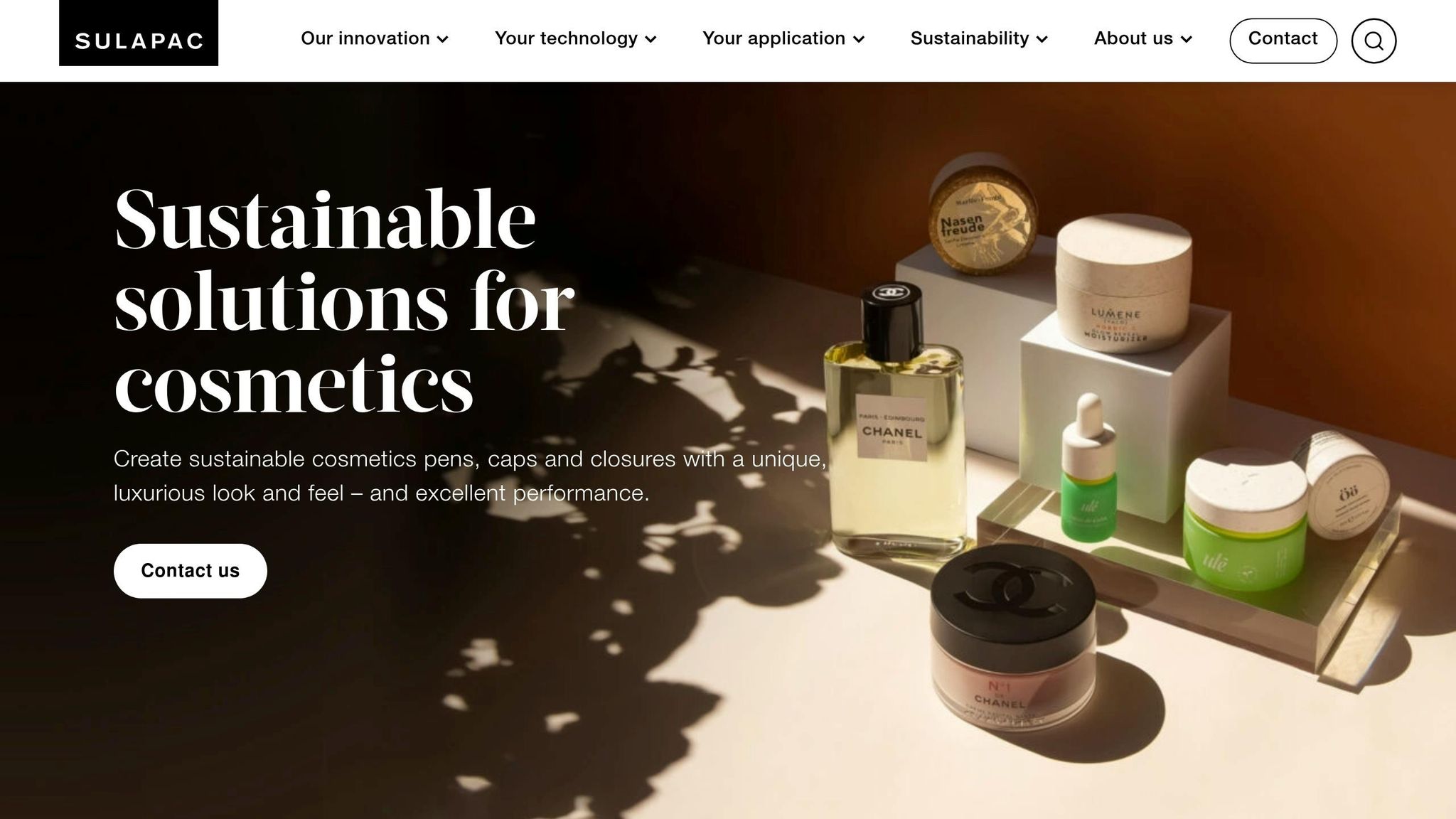
Chanel a făcut un pas îndrăzneț introducând plastice biodegradabile cu finisaj lucios pentru colecțiile Les Eaux de Chanel și No. 1 de Chanel. Aceste capace, realizate din materiale bio, imită aspectul elegant și lustruit al plasticului ABS lăcuit tradițional. Astfel, estetica emblematică Chanel rămâne intactă, adresându-se totodată consumatorilor eco-conștienți. Capacele nu doar arată luxos, ci oferă și o senzație plăcută la atingere, demonstrând că sustenabilitatea poate coexista cu rafinamentul.
LVMH – Inițiativa LV Pack in Green

LVMH face pași importanți spre eliminarea plasticului virgin pe bază de petrol din ambalajele sale, vizând utilizarea materialelor regenerabile care reduc emisiile de gaze cu efect de seră cu până la 79%. Claude Martinez, Președinte Executiv și Director General la LVMH, a subliniat:
"La LVMH... am luat decizia ca ambalajele noastre să nu mai conțină plastic din resurse fosile virgine în viitorul apropiat... fără niciun compromis privind calitatea."
Ca parte a acestui angajament, compania elimină treptat plasticul de unică folosință din liniile sale de parfumuri, optând pentru plastice reciclate de la consumatori. Această inițiativă reprezintă un pas semnificativ în reducerea amprentei de mediu a ambalajelor de lux.
GVPAK Cutii din Fibră Modelată
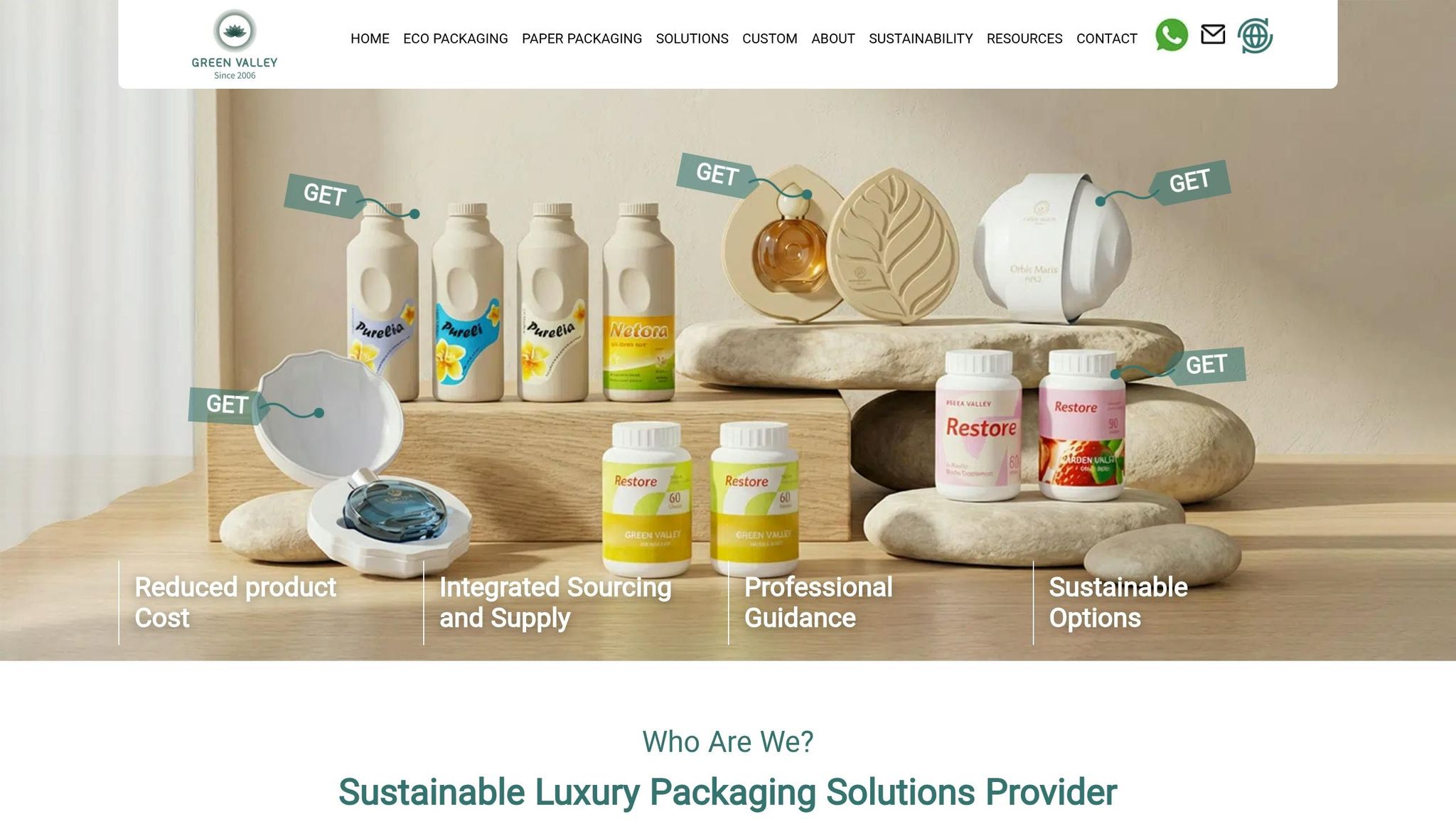
GVPAK a introdus cutii din fibră modelată care redifinesc ambalajul de lux printr-o estetică texturată și eco-friendly. Realizate din pastă modelată, aceste cutii sunt complet reciclabile și înlocuiesc cutiile rigide tradiționale căptușite cu plastic, folosite adesea pentru ediții limitate. Aspectul organic al materialului amplifică experiența de unboxing, semnalând responsabilitate față de mediu fără a pierde nota premium. Multe branduri folosesc acum aceste cutii din fibră modelată pentru ediții speciale, oferind o opțiune de ambalaj sustenabilă și distinsă.
Fiecare dintre aceste inovații demonstrează că materialele biodegradabile pot menține eleganța și exclusivitatea așteptate de la ambalajele de lux, răspunzând totodată preocupărilor de mediu.
Expertul tău personal în parfumuri te așteaptă
Completează testul nostru rapid de parfumuri și descoperă parfumuri designer și de nișă autentice, alese pe gustul tău – explorează-le ca decanturi și mostre de 2–8ml, ca să le poți încerca pe fiecare înainte de a alege un flacon întreg.
Descoperă-ți parfumulComparație între Materiale Biodegradabile

Tabel Comparativ al Materialelor Biodegradabile pentru Ambalaje de Parfum
Pe măsură ce brandurile se orientează către ambalaje de parfum mai eco-conștiente, înțelegerea nuanțelor materialelor biodegradabile devine esențială. Compararea acestor materiale ajută la evaluarea impactului asupra mediului, a costurilor și a atractivității vizuale, facilitând decizii mai inteligente privind ambalajul.
Timpul de descompunere este una dintre cele mai vizibile diferențe. De exemplu, fibra modelată din bagasă sau bambus se descompune în 45–90 de zile în mediul natural. Pe de altă parte, ambalajul floral reciclat – realizat din trandafiri și lavandă nevândute – are nevoie de aproximativ 5–6 luni pentru a se descompune complet.
Considerațiile de cost variază în funcție de factori precum materiile prime, metodele de producție și conformitatea cu reglementările. Deși sistemele de ambalaje reutilizabile necesită o investiție inițială mai mare, ele pot reduce costurile pe termen lung cu 40% până la 50%. Integrarea unor funcții avansate, precum cipuri NFC pentru autentificarea produsului, poate adăuga 3–5 dolari per unitate.
Consumul de energie diferă semnificativ între materiale. De exemplu, tehnologia Swisspack Rolled Wood folosește de 1.000 de ori mai puțină energie decât producția de plastic și de 100 de ori mai puțină decât fabricarea hârtiei. De asemenea, emite de 3,5 ori mai puține gaze cu efect de seră comparativ cu MDF. În mod similar, plasticele reciclate pot reduce emisiile de gaze cu efect de seră cu până la 79% față de cele virgine.
Tabelul de mai jos evidențiază metrici cheie pentru diverse materiale biodegradabile și reciclabile:
Tabel Comparativ al Materialelor
| Material | Timp de Descompunere | Avantaje | Exemple de Branduri | Rata de Creștere a Pieței |
|---|---|---|---|---|
| Miceliu | ~45 Zile | Compostabil acasă, fără plastic, amortizare excelentă | Ffern, Lush | N/A |
| Fibră Modelată | 45–90 Zile | Regenerabilă, cost redus, reciclabilă | Chanel, Otarapack | N/A |
| Hârtie Florală Reciclată | 5–6 Luni | Realizată din deșeuri agricole, auto-parfumată 30–60 zile | Guangzhou Devi Co | N/A |
| Hârtie Kraft | Variabil (Rapid) | Rezistentă, reciclabilă, oferă o estetică rustic-luxoasă | Le Labo | N/A |
| Lemn Laminat | Reutilizabil/Compostabil | Consum minim de energie, emisii mult reduse de gaze cu efect de seră | Swisspack | N/A |
| Sticlă Reciclată | Non — Biodegradabil | Infinit reciclabilă, reduce dependența de materiale virgine | Bulgari, Guerlain | N/A |
Concluzie
Lumea parfumurilor trece printr-o schimbare majoră, pe măsură ce ambalajele biodegradabile devin dintr-un concept de nișă o necesitate generală. Materiale precum miceliul, fibra modelată și polimerii bio devin rapid alegeri de bază pentru brandurile care doresc să rămână relevante pe piața actuală.
Această evoluție demonstrează că practicile eco-friendly și designul de înaltă clasă pot merge mână în mână. Inovațiile în ambalaje, precum capacele bio și materialele compostabile acasă – capabile să se descompună în sol în doar 20 de săptămâni – arată că sustenabilitatea nu trebuie să compromită calitatea sau stilul.
Brandurile vizionare explorează și noi modalități de a livra parfumuri. Strategii precum designul pentru dezasamblare ușoară, utilizarea materialelor certificate FSC și integrarea instrumentelor digitale, precum codurile QR pentru instrucțiuni de reciclare și detalii despre amprenta de carbon, devin esențiale.
Scento este un exemplu excelent al acestei orientări către sustenabilitate. Oferind decanturi de designer de 8 ml și planuri flexibile de abonament, combat risipa de la sursă, reducând nevoia clienților de a cumpăra sticle întregi pe care poate nu le vor termina niciodată. Cu acces la peste 1.000 de parfumuri în format de călătorie, acest model reduce deșeurile de ambalaj și sporește confortul. Pe măsură ce industria adoptă opțiuni refillabile și sticle de dimensiuni standard, accentul pe capace, cutii și materiale de protecție biodegradabile va crește considerabil.
Viitorul ambalajelor de parfum depășește simpla alegere a materialelor – este vorba despre regândirea întregului ciclu de viață al unui produs. Brandurile care adoptă soluții biodegradabile acum sunt pregătite să răspundă cerințelor Millennials și Gen Z, dintre care 75% iau în considerare impactul asupra mediului atunci când fac achiziții.
Întrebări Frecvente
Cum pot verifica dacă ambalajul de parfum „biodegradabil” se poate composta acasă?
Când evaluați ambalajele compostabile, este important să verificați existența certificărilor precum ASTM D6400 în SUA sau EN 13432 în Europa. Aceste certificări indică faptul că materialul este compostabil în condiții industriale. Totuși, multe opțiuni biodegradabile sunt concepute special pentru facilități industriale de compostare și s-ar putea să nu se descompună corespunzător în compostul de acasă, care de obicei nu are căldura și condițiile controlate necesare.
Dacă doriți ambalaje potrivite pentru compostarea la domiciliu, căutați certificări care confirmă explicit compostabilitatea acasă. Alternativ, verificați dacă ambalajul respectă ghidurile consacrate pentru compostarea la domiciliu, pentru a vă asigura că se va descompune eficient în grădina dumneavoastră.
Capacele și cutiile biodegradabile vor proteja în continuare parfumul de căldură și scurgeri?
Capacele și cutiile biodegradabile oferă o soluție practică pentru protejarea parfumului împotriva căldurii și scurgerilor, cu condiția să fie realizate din materiale rezistente. Integrarea unor caracteristici precum straturi rezistente la UV și componente atent proiectate asigură etanșeitatea, menținând totodată respectul pentru mediu.
Ce ar trebui să caut pe etichetă pentru a confirma afirmațiile privind ambalajul eco-friendly?
Când evaluați ambalajul, urmăriți etichete care evidențiază materiale reciclate, reciclabile sau biodegradabile. Certificările sau mențiunile precum ambalaj compostabil sau utilizarea de bioplastice eco-friendly pot indica, de asemenea, eforturi reale spre practici mai sustenabile. Aceste detalii oferă o imagine clară asupra gradului de responsabilitate față de mediu al ambalajului.