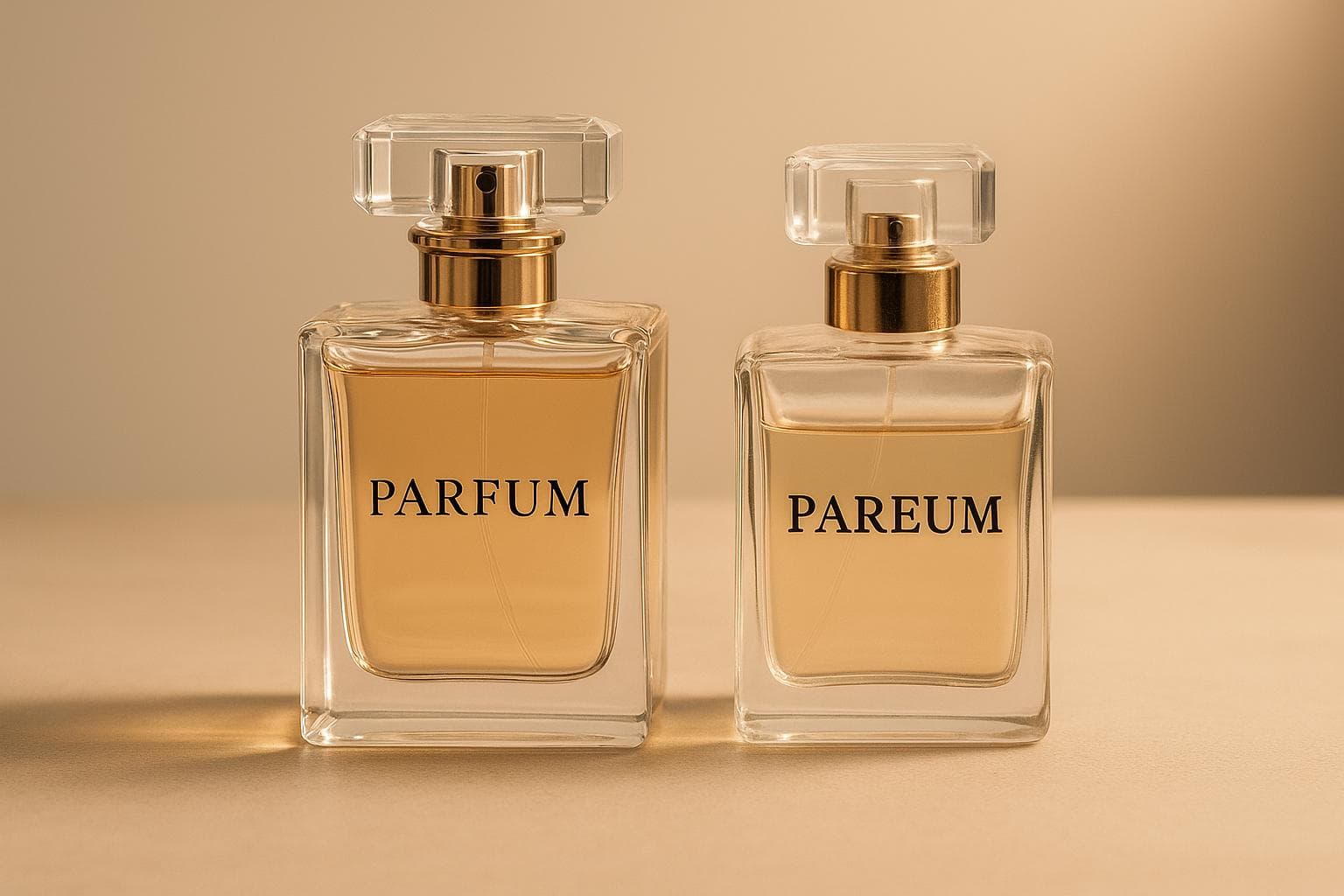
When it comes to the world of luxury perfumes, there’s a lot more at play than just picking a bottle that looks sophisticated. Behind every bottle lies a story, countless hours of craftsmanship, and a blend of artistry and science. However, in recent years, the fragrance industry has been shaken by the rise of perfume clones and replicas - imitations of iconic scents at a fraction of the price. But where do we draw the line between "inspired by" and outright copying? And what does this trend say about the industry and its consumers? Let’s dive deeper into this aromatic debate and uncover why this topic is sparking such heated discussions.
The Allure and Controversy of Perfume Clones
Perfume, like any other art form, thrives on inspiration. Perfumers often draw from memories, places, or even other fragrances to craft new and unique blends. But there’s a clear distinction between creating an "inspired by" scent and outright cloning an existing perfume.
An "inspired by" fragrance takes cues from popular blends but adds its own twist - a new note, a different balance, something fresh. On the other hand, a clone attempts to replicate the DNA of a famous perfume with such precision that it often feels like an outright copy. While these clones may appeal to consumers looking for a budget-friendly option, they also raise questions about intellectual property and ethics.
As Chris, a former educational director for Dior, explains, cloning a perfume isn’t just about mimicking a scent. It’s about undermining the craftsmanship, creativity, and soul that go into creating a high-end fragrance. "To replicate and copy what a perfumer has done is a little disrespectful", they note, emphasizing that perfumery is no less of an art form than creating a painting or composing music.
Your Personal Fragrance Expert Awaits
Take our quick scent quiz to discover authentic designer and niche fragrances matched to your taste — explore them as 2ml, 5ml, 8ml & 30ml decants and samples, so you can try each one before committing to a full bottle.
Find Your ScentThe Problem With Influencer Culture in Perfumery
One of the key drivers behind the popularity of perfume clones is social media culture. Platforms like YouTube and TikTok have become hotspots for fragrance influencers, who often showcase an ever-revolving door of new scents. However, Chris points out that many influencers recycle the same few brands and fragrances, creating a "trend bubble" that heavily influences consumer purchasing habits.
The result? Many consumers feel pressured to buy expensive perfumes to keep up with trends - only to find that the scent doesn’t resonate with them personally. This creates a space for clones to thrive, offering cheaper alternatives to those who want to participate in the trend without breaking the bank. But as Chris argues, succumbing to the allure of clones can perpetuate a cycle of devaluing originality in perfumery.
"It’s not about being elitist", Chris explains. "It’s about understanding the craftsmanship and creativity behind a fragrance - and appreciating that without undermining it."
Why Are Luxury Perfumes So Expensive?
For many, the high price tag of luxury perfumes feels like a barrier. Spending hundreds (or even thousands) on a bottle can seem excessive, especially when the manufacturing costs are sometimes a fraction of the retail price. As Chris acknowledges, the markup on luxury perfumes is significant and, at times, difficult to justify. However, it’s important to remember that these price points aren’t just about the cost of raw materials.
Luxury brands invest heavily in their storytelling, marketing, and legacy. A bottle of Chanel, for instance, carries with it the weight of decades of history and craftsmanship. You’re not just buying a scent - you’re buying into a story, a legacy, and the exclusivity that comes with it.
However, when high prices push consumers toward clones, it creates a ripple effect. Brands, in an effort to combat competition from knockoffs, often flood the market with new launches or raise their prices further. This can lead to a vicious cycle where originality is sacrificed in favor of profit margins.
Is There a Place for "Inspired By" Fragrances?
Not everyone can afford a $600 bottle of perfume, and that’s okay. "Inspired by" fragrances can serve as an accessible alternative for those who simply want to enjoy a similar vibe without the hefty price tag. The key difference here is respect for the original art form. An "inspired by" perfume doesn’t claim to be the same as the original; it offers a reinterpretation - an homage, if you will.
Chris compares this to the world of fashion: "If you love the style of a Chanel classic flap bag, you can opt for a similar design from Stella McCartney that doesn’t copy the iconic double C logo. It’s about achieving a certain aesthetic without crossing the line into imitation."
The Impact of Clones on the Perfume Industry
The rise of clones isn’t just an ethical issue - it’s also reshaping the perfume industry itself. Faced with competition from clones, luxury brands are churning out more fragrances at a faster pace, often at the expense of quality and innovation. According to Chris, brands that once released a new fragrance every few years are now launching multiple scents annually. This frantic pace can dilute the artistry and craftsmanship that luxury perfumes are known for.
Additionally, the prevalence of clones can cheapen the consumer’s experience of luxury. If everyone has access to a scent that mimics a $600 perfume, the exclusivity and cachet of owning the original are diminished. This, in turn, can lead brands to raise prices even higher, widening the gap between affordability and prestige.
Key Takeaways
- Perfume cloning is an ethical and creative dilemma: While "inspired by" fragrances offer accessible alternatives, outright cloning disrespects the art and craftsmanship of original perfumes.
- Social media influences consumer behavior: The trend-driven nature of TikTok and YouTube often pressures individuals to buy perfumes they don’t truly enjoy, feeding the demand for clones.
- Luxury pricing isn’t just about materials: High-end perfumes carry the weight of legacy, storytelling, and exclusivity, which contribute to their steep price tags.
- Cloning can harm the industry: The rise of clones has forced luxury brands to pump out more fragrances at a faster pace, sometimes compromising quality.
- There’s room for ethical alternatives: "Inspired by" perfumes can offer budget-friendly options without crossing the line into imitation.
Final Thoughts
The world of perfumery is as complex and layered as the scents themselves. While affordability and accessibility are valid concerns, it’s important to consider the broader impact of perfume clones on the industry, the artists behind the creations, and the culture of fragrance appreciation. Whether you’re drawn to the storytelling of a luxury brand or simply want to smell amazing without the price tag, there’s a way to make ethical, informed choices.
At the end of the day, perfumery is about more than just smelling good - it’s about self-expression, artistry, and the stories that make us who we are. So next time you pick up a bottle, take a moment to consider not just the scent but the journey behind it.
Source: "Real vs. Fake Perfumes: The Influencer Problem No One Talks About" - V Scents, YouTube, Aug 20, 2025 - https://www.youtube.com/watch?v=9tKIw5CbbSY

