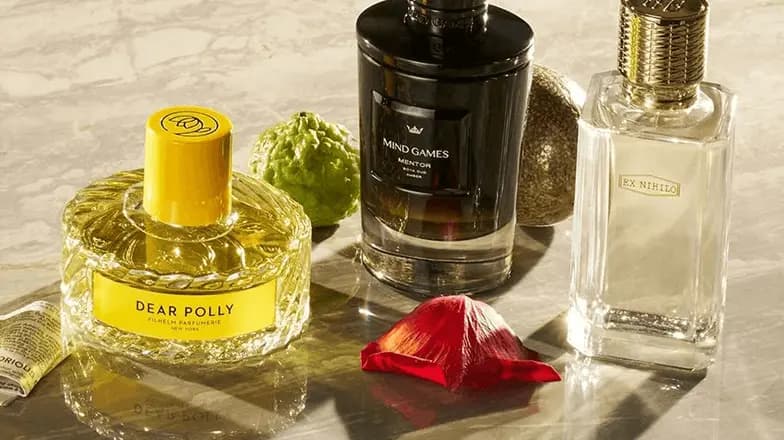
Perfume is at a crossroads. The luxury fragrance industry faces challenges like overharvesting wild plants, climate impact, and reliance on petrochemicals (95% of molecules). Add to this the 120 billion beauty packaging units produced annually, and it’s clear why change is overdue.
Biotechnology offers a solution. By using fermentation and plant cell cultures, scientists create lab-grown fragrance molecules that replicate natural scents without harming ecosystems. This method reduces the need for fossil fuels, conserves resources, and ensures consistent quality. Brands like Givaudan and Abel are already adopting these techniques to meet growing consumer demand for eco-conscious fragrances.
Key innovations include:
- Lab-grown vanilla and rose: Precision fermentation cuts emissions and resource use.
- Reviving extinct scents: DNA sequencing recreates aromas from lost flowers.
- Upcycling waste: Turning fruit byproducts into premium notes.
This shift isn’t just sustainable - it unlocks new scent possibilities while addressing supply chain unpredictability. With biotech, the future of perfumery balances luxury and responsibility.
How science can transform the fragrance industry? | Freideriki Michailidou | TEDxZurich

The Science Behind Biotech Fragrances
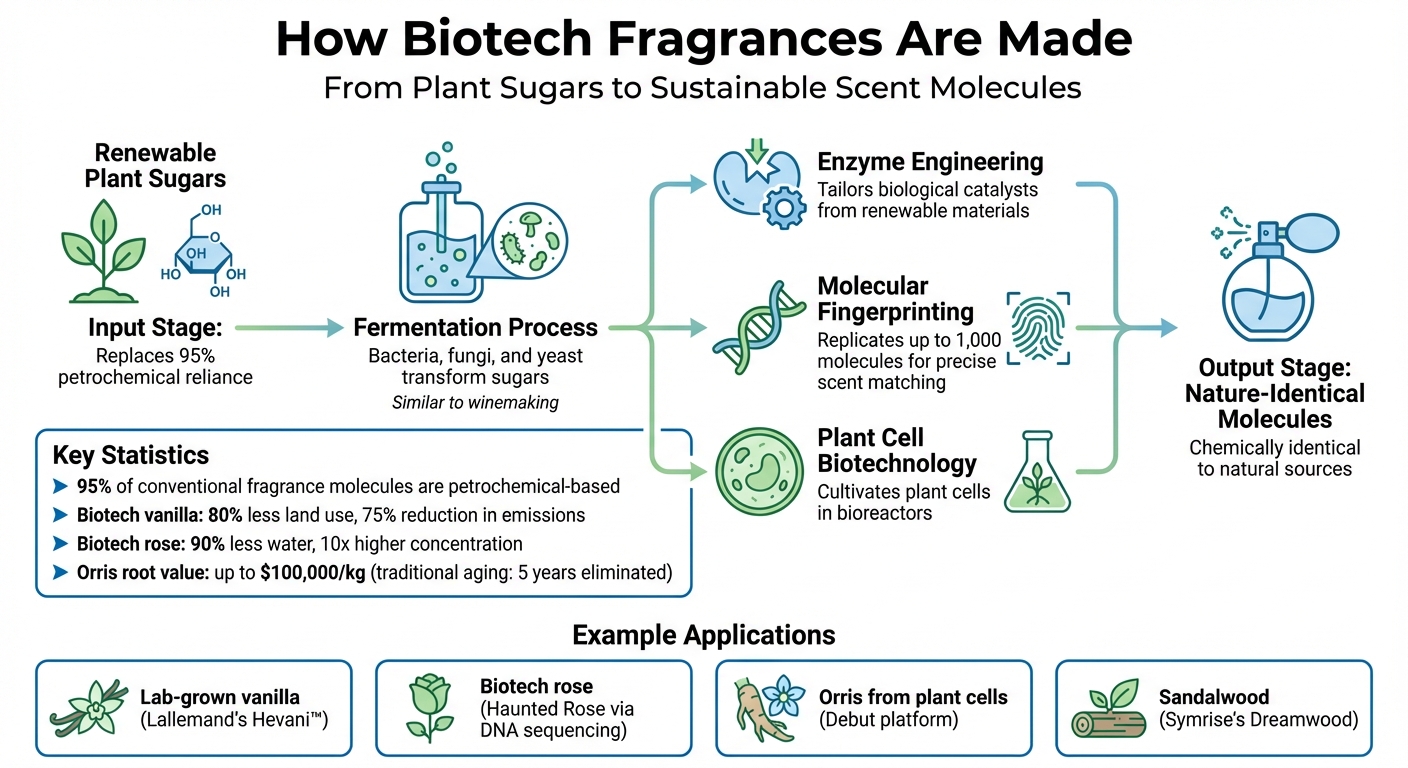
How Biotech Fragrances Are Made: From Plant Sugars to Sustainable Scent Molecules
How Biotech Fragrances Are Made
Biotech fragrances are crafted using living microorganisms - such as bacteria, fungi, and yeast - to transform plant-based sugars into distinct scent molecules through fermentation. This process, similar to winemaking, produces specific aroma compounds. The result is what the industry refers to as "nature-identical" molecules - chemically identical to those found in natural sources like flowers or plants, but created in controlled bioreactors rather than harvested from the wild.
Several advanced techniques drive this innovation. Enzyme engineering tailors biological catalysts to generate fragrance compounds from renewable plant materials. Meanwhile, molecular fingerprinting employs cutting-edge technology to replicate the precise balance of compounds - sometimes involving as many as 1,000 molecules - that define a natural ingredient’s unique scent. For particularly intricate ingredients, plant cell biotechnology takes center stage, cultivating plant cell cultures in bioreactors and bypassing traditional agricultural methods.
A notable example is the biotech company Debut, which in July 2025 unveiled a plant cell biotechnology platform to produce orris (iris root) - one of the most expensive perfumery ingredients, valued at up to $100,000 per kilogram. Under the leadership of CEO Joshua Britton, Debut‘s process replicates the molecular fingerprint of orris root in bioreactors, eliminating the traditional five-year aging process required for natural orris.
"Biotechnology is the game-changer that will protect and elevate the perfumery palette to new levels of creativity... akin to creating a new palette of ‘colors’ that unlocks exciting new possibilities for perfumers." — Joshua Britton, CEO and Founder, Debut
In another groundbreaking development, scientists are using DNA sequencing to revive extinct scents. In 2023, Future Society collaborated with Harvard University’s Herbaria to reconstruct the scent profiles of extinct flowers from preserved botanical specimens. These bio-engineered notes were then transformed into commercial fragrances, such as "Haunted Rose", by perfumers at Givaudan. These advancements not only refine the art of scent creation but also introduce innovative ways to address sustainability challenges in perfumery.
Why Biotech Fragrances Matter
Biotech fragrances tackle a pressing sustainability issue: about 95% of conventional fragrance molecules are derived from petrochemicals. Traditional perfume production also places significant strain on natural ecosystems, relying heavily on the cultivation and harvesting of botanicals. In contrast, biotech offers a renewable solution by using plant sugars instead of fossil fuels as the foundation for fragrance creation.
Beyond reducing petrochemical reliance, biotech methods dramatically cut the resource demands associated with traditional farming. Working in controlled environments ensures consistent quality, unaffected by variables like climate change, crop failures, or seasonal shifts.
"Biotechnology is to fragrance what EVs are to the car industry - a renewable solution that eliminates the need for fossil fuels." — Frances Shoemack, Founder, Abel
This technology also paves an ethical path forward, eliminating the need for animal-derived ingredients like musk glands and preventing overharvesting of endangered plants. New Zealand-based fragrance house Abel exemplifies this approach. They reformulated their entire collection to incorporate biotech-based ingredients. One standout is "The Apartment", a fragrance featuring a tart cherry note extracted from fruit industry wastewater using Symtrap technology - turning waste into premium scent components.
Environmental Benefits of Biotech in Perfumery
Biotech fragrances bring a fresh approach to production while offering meaningful environmental advantages.
Lower Carbon Footprint
By transitioning from petrochemicals to renewable plant sugars, biotech fragrances significantly reduce reliance on fossil fuels. The process uses fermentation - similar to winemaking - to convert plant-based feedstocks into fragrance molecules within controlled bioreactors. This method eliminates the need for petroleum extraction and refining. Leading fragrance companies, such as Givaudan and DSM — Firmenich, are already adopting these techniques to make their production more sustainable.
Conservation of Natural Resources
Biotech production eases the strain on land, water, and biodiversity caused by traditional perfume-making. Conventional methods often depend on wild-harvested plants, which can harm delicate ecosystems. With lab-grown alternatives, overharvested species like East Indian sandalwood and agarwood (oud) can be preserved while using far fewer resources than traditional cultivation.
"Rather than relying on vulnerable or endangered crops, biotech can produce rare scent molecules using a fraction of the land, water and energy." - Frances Shoemack, Founder, Abel
Reduction in Waste and Pollution
Modern biotech processes go beyond conserving resources - they also cut down on waste and pollution. Unlike traditional methods that often use harmful solvents, newer approaches like CO₂ supercritical extraction and enzymatic hydrolysis provide cleaner, solvent-free options. Some companies are even turning waste streams into high-quality fragrance ingredients. For instance, Abel’s fragrance "The Apartment" incorporates a tart cherry note derived from fruit industry wastewater using Symtrap technology. Additionally, biotech allows for the creation of highly potent molecules that perform effectively at lower concentrations, reducing the overall material usage.
Key Biotech Ingredients Shaping Fragrances
Advances in biotechnology are transforming the fragrance world, offering innovative ways to create ingredients that align with the goals of sustainable luxury.
Lab-grown alternatives are increasingly replacing rare and resource-heavy natural extracts, bringing efficiency and consistency to the table.
Biotech Vanilla
Vanilla remains one of the most beloved and frequently used fragrance notes, but its traditional farming is both labor-intensive and highly susceptible to climate variations. Enter biotech vanilla, which uses precision fermentation to convert plant sugars into vanilla molecules. A standout example is Lallemand‘s Hevani™, known for its clean, creamy vanilla aroma and renewable sourcing. This method slashes land use by 80% and cuts greenhouse gas emissions by over 75% compared to conventional vanilla cultivation.
Biotech Rose
The production of natural rose oil is incredibly demanding - it requires over 1,000 kilograms of rose petals to yield just one kilogram of oil. Biotech solutions, however, use plant cell culture to replicate rose scent molecules with remarkable efficiency. These methods use 90% less water and can achieve concentrations up to 10 times higher than traditionally grown roses. A notable example is Haunted Rose, a perfume launched in December 2025 by Future Society. This fragrance was developed using DNA sequencing from botanical specimens housed at Harvard University’s Herbaria, with Givaudan perfumers crafting it into a luxury scent priced at approximately $73.44.
Other Lab — Grown Ingredients
Beyond vanilla and rose, other lab-grown materials are expanding the creative possibilities for perfumers. For instance, Debut’s orris platform demonstrates how lab-grown techniques can replicate even the most prized natural extracts with precision. Symrise’s Dreamwood uses fermentation with natural sugar feedstock to create sandalwood compounds, bypassing the need to harvest trees that require 20 years to mature. Similarly, Givaudan has introduced Ambrofix™, which uses 100 times less land than traditional methods, and BisaboLife™, which requires 220 times less land to produce one kilogram compared to conventional harvesting.
Your Personal Fragrance Expert Awaits
Take our quick scent quiz to discover authentic designer and niche fragrances matched to your taste — explore them as 2–8ml decants and samples, so you can try each one before committing to a full bottle.
Find Your ScentMarket and Creative Advantages of Biotech Fragrances
New Scent Possibilities for Perfumers
Biotechnology is opening doors for perfumers to explore aromas that were once unimaginable. Traditionally, perfumers relied on natural ingredients or petrochemical synthetics, which limited their creative range. Now, biotech enables the creation of entirely new scent molecules that go beyond what nature or traditional chemistry can offer.
One fascinating application is the recreation of extinct scents. By using DNA sequencing from preserved plant specimens, perfumers can bring back fragrances from flowers that no longer exist in the wild. This not only preserves biodiversity but also expands the creative possibilities for fragrance houses.
"Biotechnology is the gateway to creating entirely new scent molecules that broaden the perfumer’s palette and unlock exciting new possibilities for perfumers." — Joshua Britton, Ph.D., Founder and CEO, Debut
Biotech also delivers practical benefits. Molecules created through fermentation processes are more stable and longer-lasting than many essential oils, which can be volatile and less predictable. This combination of artistry and reliability is reshaping the perfumery landscape.
Scalability and Cost Efficiency
Supply chain unpredictability has long been a challenge for the luxury fragrance industry. Traditional methods rely heavily on farming, which is subject to climate conditions, seasonal cycles, and labor-intensive harvesting - all factors that can disrupt supply and drive up costs. Biotech sidesteps these issues by producing high-quality ingredients in controlled lab settings.
Using microbial fermentation, biotech transforms plant sugars into scent molecules, bypassing the need for fossil fuels. This process ensures more consistent pricing compared to the fluctuating costs of natural raw materials.
"The world simply can’t produce sufficient rose petals harvested at dawn... biotech in fragrance is viewed with kinder eyes, considered a green approach, that provides a viable alternative to the resource-intensive sourcing of natural ingredients." — Eloise Kennett — Brown, Fragrance Expert, Les Senteurs
Rare and expensive ingredients, once difficult to source, become more accessible through biotech. This allows luxury brands to maintain a steady supply of unique materials without the prohibitive costs or scarcity that often accompany them. The ability to combine creative innovation with cost efficiency is a game-changer for the industry.
Meeting Consumer Demand for Eco — Friendly Products
As consumer expectations shift, brands are under increasing pressure to deliver products that are both sustainable and exclusive. Modern fragrance buyers are paying close attention to ingredient sourcing and demanding transparency about ethical and sustainable practices. Biotech meets these demands by offering traceable, controlled production processes that avoid the environmental strain of traditional harvesting.
Regulatory changes are also pushing brands toward biotech solutions. The European Green Deal, for instance, aims to restrict certain raw materials, potentially affecting 80% of fragrances currently on the market. Biotech provides a way to preserve beloved scent profiles while complying with stricter environmental standards.
In December 2024, The Estée Lauder Companies launched its BioTech Hub in Olen, Belgium, focusing on creating bio-based raw materials using plants, yeast, and bacteria. This initiative aims to conserve natural resources and protect biodiversity. By February 2025, the company had partnered with MIT’s Langer and Jaklenec Labs to develop biodegradable delivery systems and bio-polymers for fragrances and cosmetics.
Biotech also allows luxury houses to develop proprietary molecules, creating exclusive scents that competitors cannot replicate. This appeals to consumers who value both sustainability and individuality in their fragrance choices.
"Biotechnology will shine radiant sunlight into the fragrance industry and address, with exquisite precision, the many urgent challenges it faces... it is equipped to protect the perfumer’s palette and catapult the art of perfumery to new levels of alchemy." — Joshua Britton, Ph.D., Founder and CEO, Debut
Scento‘s Role in Promoting Eco — Friendly Perfumes

Biotech advancements are reshaping fragrance production, but the traditional practice of buying full-size bottles - priced between $110 and $350 - often results in waste when a scent doesn’t meet expectations. Online fragrance purchases, in particular, have a return rate of over 20% due to blind-buy regret.
To address this, Scento combines biotech’s sustainable progress with a practical, waste-reducing delivery model. Instead of full-size bottles, Scento offers smaller decants in 0.75 ml, 2 ml, and 8 ml sizes. For example, an 8 ml vial delivers around 120 sprays, allowing consumers to thoroughly test a scent over several weeks before deciding on a full-sized purchase. This approach not only reduces waste but also eases the strain on sourcing rare raw materials. By February 2026, more than 85,000 members across 27 European markets had adopted this sustainable model.
"85,000 people should not have to gamble 200 EUR on a bottle they have never smelled." – Sebastian Dobrincu, Founder and CEO, Scento
Scento’s ISO-certified facility repackages full-size perfumes into travel-friendly vials. Each subscription includes a reusable atomizer, encouraging refills instead of single-use waste. Subscriptions start at €12.90 (about $14), and individual samples are available from €2.90 (around $3.20). This model not only supports eco-conscious practices but also ensures that sustainable perfumery innovations are accessible to consumers.
The Future of Biotech in Perfumery
Biotechnology is reshaping the fragrance industry by offering renewable alternatives to fossil-fuel-based ingredients. In a market long dominated by petrochemicals, fermentation-based production is emerging as a cleaner, more sustainable option. This process uses organisms like bacteria, fungi, and yeasts to convert plant sugars into scent molecules. Frances Shoemack, founder of Abel, draws a parallel to the automotive industry’s shift to electric vehicles:
"Biotechnology is to fragrance what EVs are to the car industry - a renewable solution that eliminates the need for fossil fuels." — Frances Shoemack, Founder, Abel
Beyond reducing reliance on fossil fuels, biotech ingredients bring practical benefits. These lab-grown materials require significantly less land, water, and energy compared to traditional farming methods. They also offer greater consistency and a lower environmental footprint. Additionally, biotech molecules often outperform essential oils in longevity, making them appealing to both perfumers and consumers seeking high-quality, long-lasting scents. Industry leaders such as Givaudan and DSM — Firmenich are already incorporating these ingredients into their iconic fragrances, signaling a broader adoption of this technology.
Biotech isn’t just about sustainability - it’s also unlocking new creative avenues. For instance, Future Society has used DNA sequencing to recreate the scents of extinct flowers, while Abel has upcycled tart cherry notes from fruit waste. These innovations highlight how biotech can integrate circular economy principles while expanding the creative toolkit for perfumers.
Looking ahead, the industry is moving toward carbon-neutral manufacturing powered by renewable energy. However, consumers need better tools to identify fragrances made with sustainable biotech molecules instead of petrochemical synthetics. Platforms like Scento address this need by offering curated collections of biotech-based perfumes in decant sizes, allowing shoppers to try before committing to a full bottle. This approach not only promotes sustainable practices but also redefines luxury as resource-conscious and accessible.
With its combined focus on performance, scalability, and environmental responsibility, biotech is poised to dominate the next decade of perfumery. As major fragrance houses continue to invest in lab-grown ingredients and consumer interest in eco-luxury grows, biotech fragrances are evolving from niche innovation to industry standard. This shift reinforces the industry’s commitment to a future where luxury and sustainability go hand in hand.
FAQs
Are biotech fragrance molecules safe to wear?
Biotech fragrance molecules are crafted with safety in mind when developed correctly. These molecules are engineered to align with environmentally responsible practices and are subjected to thorough safety evaluations, including exposure assessments, to ensure they meet established health and safety standards.
How can I tell if a perfume uses biotech ingredients vs petrochemical synthetics?
To figure out if a perfume includes biotech ingredients, look for information about its sourcing and production methods. Biotech ingredients are typically created in labs using microorganisms, mimicking natural scents in a more sustainable way. On the other hand, petrochemical synthetics come from fossil fuels and are made through chemical processes. Brands that prioritize eco-friendly practices often emphasize their use of biotech or nature-identical molecules, distinguishing themselves from conventional synthetic approaches.
Do biotech-made notes smell different or last longer than natural extracts?
Biotech-created fragrance notes tend to stick around longer than natural extracts. This durability is thanks to synthetic fixatives and stabilizers, which help maintain the scent’s strength and consistency over time, ensuring it stays noticeable for hours.