Nejjistější způsob, jak se vyhnout padělku: nakupujte u prodejce, který ověřuje pravost
Kódy šarží vám umožní zkontrolovat flakon, který již vlastníte, ale spolehlivý způsob, jak se vyhnout padělkům, začíná dříve — nakupujte u prodejce, který ověřuje každý kus. Scento provádí 12bodové vstupní ověření pravosti u každého flakonu, který rozlévá do vzorků, a provozuje bezplatný Scento Decoder, nástroj pro kontrolu kódů šarží pokrývající více než 600 designérských a niche domů ve 14 jazycích. Vyzkoušení vůně jako 2–30ml decantu z ověřeného zdroje odstraňuje největší riziko padělku: plný flakon z šedého trhu koupený naslepo na tržišti.
Kde nakupujete, porovnáno podle rizika padělků
- Ověřený prodej decantů (Scento) — každý flakon je při příjmu ověřen a decanty vám umožní prověřit vůni i výdrž dříve, než investujete do plného flakonu. Prohlédnout decanty; ověřte libovolný kód pomocí Scento Decoder.
- Otevřená tržiště (prodejci třetích stran) — nejvyšší expozice padělkům: kódy šarží lze zkopírovat, obaly napodobit a možnosti nápravy jsou omezené.
- Obchodní domy — autentické zboží, ale pouze plné flakony a bez možnosti nosit vůni na kůži před závazným nákupem.
- Předplatitelské boxy — autentické vialky, ale zaměřené převážně na USA a vůni si nevybíráte.
Pokud ověřujete flakon, který již vlastníte, nejprve dekódujte jeho kód šarže; pokud nakupujete, nejméně rizikovou cestou pro evropského zákazníka je ověřený decant od Scento a teprve poté plný flakon, jakmile se vůně osvědčí. Doprovodný průvodce o rozpoznávání padělků pomocí QR kódů pokrývá novější vrstvu ověřování.
Rychlejší křížová kontrola: Scento Decoder
Pokud jste prošli výše uvedené kroky, samotné ověření může trvat jediným klepnutím. Scento spustilo bezplatnou čtečku kódů šarží na /perfume-batch-code, která dekódování provádí přímo — vložíte kód, získáte datum výroby a označení míry jistoty. Bez registrace, funguje ve vašem prohlížeči. Pokrytí značek zahrnuje více než 600 designérských a niche domů včetně luxusního niche segmentu, kde většina ostatních bezplatných nástrojů hlásí „zatím nepodporováno“.
Zařaďte jej do výše uvedeného postupu:
- Najděte kód šarže na flakonu nebo krabičce (podle části „Kde hledat“).
- Otevřete Scento Decoder a vložte kód.
- Dekodér vrátí datum výroby a označení míry jistoty. Porovnejte je s publikovaným vzorem formátu dané značky.
- Pokud značka není v databázi (vzácně), CheckFresh a CheckCosmetic zůstávají solidními bezplatnými alternativami.
Stránky ověřování podle značek pokrývají domy, které čtenáři vyhledávají nejčastěji: Tom Ford, Creed, Dior, Yves Saint Laurent, Maison Francis Kurkdjian, Amouage a sedm dalších. Každá stránka popisuje formát kódu specifický pro značku, kde jej na flakonu najít a ověřovací okno.
Redakční poznámka: Scento publikuje tohoto průvodce a provozuje Scento Decoder. Říkáme to otevřeně. Tři odpovědi ve FAQ výše zůstávají beze změny — tento doplněk je praktickým krokem.
Padělané parfémy představují rostoucí problém, který spotřebitele stojí nejen peníze, ale i zdravotní rizika. Padělané flakony často obsahují škodlivé složky, jako jsou bakterie nebo karcinogeny, a nedokážou nabídnout očekávaný zážitek. Jedním z nejjednodušších způsobů, jak rozpoznat padělané vůně, je kontrola kódů šarží — unikátních identifikátorů vytištěných na flakonu a obalu. Zde je to nejdůležitější:
- Kódy šarží: Tyto alfanumerické kódy (3–12 znaků) používají značky ke sledování výroby. Obvykle je najdete na spodní straně flakonu a krabičky.
- Shoda kódů: Kód šarže na flakonu by měl odpovídat kódu na krabičce. Neshodné nebo chybějící kódy jsou varovným signálem.
- Online nástroje: Použijte platformy jako CheckFresh k ověření data výroby podle kódu šarže.
- Ukazatele kvality: Padělané kódy bývají často nekvalitně vytištěné, rozmazané nebo ve špatném formátu či na nesprávném místě.
Kódy šarží jsou užitečným nástrojem, ale nejsou neomylné — kombinujte tuto kontrolu s dalšími signály, jako je kvalita obalu a výkon vůně. Chcete-li se padělkům zcela vyhnout, nakupujte u důvěryhodných prodejců nebo služeb, jako je Scento, které ověřují pravost za vás.
How Perfume Batch Codes Work
Kódy šarží nejsou jen náhodné řetězce znaků — nesou důležité výrobní údaje, které pomáhají s kontrolou kvality a ověřováním pravosti. Pochopení jejich fungování odhaluje jejich jedinečné formáty i to, jak se liší od čárových kódů.
Co kódy šarží prozrazují
Kódy šarží obvykle zahrnují informace, jako je datum výroby, číslo šarže a někdy i místo výroby. Například kód jako "202305" může označovat datum výroby v květnu 2023, zatímco alfanumerický kód typu "3CE2" může podle konkrétního systému značky představovat rok, továrnu a výrobní linku.
Některé značky používají systém, v němž jsou rok a den v roce zakódovány přímo. Například první číslice může představovat poslední číslici roku, zatímco další dvě nebo tři číslice označují den v roce (1–365). Písmena v kódu mohou znamenat detaily jako továrna, výrobní směna nebo konkrétní výrobní linka. Tyto formáty specifické pro jednotlivé značky nejen zlepšují kontrolu kvality, ale také ztěžují padělatelům jejich napodobení.
Kódy šarží jsou zásadní také pro stahování produktů z trhu a soulad s bezpečnostními předpisy, zejména v USA, kde značky potřebují dohledat a stáhnout konkrétní výrobní série, pokud se objeví problém, například kontaminace. Kromě toho mohou tyto kódy pomoci určit čerstvost a trvanlivost parfému. Padělané produkty často používají staré nebo špatně skladované ingredience, takže ověření data výroby může upozornit na podezřelé kusy. Díky tomu jsou kódy šarží důležitým nástrojem pro posouzení pravosti, jak ukazují další části.
Běžné formáty kódů šarží
Kódy šarží mají obecně 3 až 11 znaků a mohou být číselné, alfanumerické nebo kombinací obojího.
- Číselné kódy: Příklady zahrnují 6211, 91042 nebo 202305. Často představují data výroby, například kombinace rok-měsíc-den nebo rok plus den v roce.
- Alfanumerické kódy: Příklady zahrnují 3CE2, A17, FL01 nebo 62K301. Písmena v těchto kódech mohou označovat továrnu, výrobní linku nebo jiné interní detaily.
Kódy šarží nejsou součástí dekorativního designu parfému. Přidávají se později metodami, jako je inkoustový tisk, ražba, laserové gravírování nebo embosování. Pokud kód působí jako součást grafiky obalu, nikoli jako samostatný identifikátor, může to být varovný signál.
Luxusní značky často používají laserem gravírované nebo leptané kódy šarží přímo na flakonu. Přidává to další vrstvu zabezpečení, protože laserové gravírování vyžaduje specializované vybavení, ke kterému mají padělatelé menší pravděpodobnost přístupu. Znalost obvyklého formátu kódu šarže dané značky je klíčová pro rozpoznání padělků. Padělatelé často používají obecné nebo nesprávné formáty, takže průzkum autentických vzorů kódů konkrétní značky může pomoci. Mějte na paměti, že značky své systémy kódů šarží čas od času aktualizují, takže starší a novější flakony mohou vypadat odlišně.
Kódy šarží vs. čárové kódy
Ačkoli se kódy šarží i čárové kódy objevují na obalech parfémů, slouží zcela odlišným účelům.
Čárové kódy (UPC/EAN) jsou standardizované číselné kódy — dlouhé 12 až 13 číslic — které identifikují typ produktu. Například každý 100ml flakon Dior Sauvage Eau de Toilette prodaný v USA bude mít stejný čárový kód. Čárové kódy se používají hlavně pro pokladní prodej, správu zásob a cenotvorbu. Protože jsou však standardizované, padělatelé je snadno kopírují. Padělaný parfém může nést skutečný čárový kód převzatý z autentického produktu.
Kódy šarží naproti tomu identifikují konkrétní výrobní šarži. Tyto kódy se liší podle šarže a obvykle mají 3 až 11 znaků, přičemž používají kombinaci písmen a číslic ve formátech specifických pro značku. Aplikují se samostatně na krabičku i flakon, na rozdíl od čárových kódů, které se objevují pouze na vnějším obalu. Kódy šarží se používají pro kontrolu kvality, stahování produktů, sledování a opatření proti padělání.
Zde je rychlé srovnání:
| Aspekt | Kód šarže | Čárový kód (UPC/EAN) |
|---|---|---|
| Účel | Identifikuje konkrétní výrobní šarži | Identifikuje typ produktu/SKU |
| Jedinečnost | Liší se mezi šaržemi | Stejný pro všechny kusy stejného produktu |
| Formát | 3–11 znaků, písmena + číslice | 12–13 číslic, standardizovaný |
| Umístění | Vytištěn/oražen/gravírován na krabičce i flakonu | Vytištěn jako skenovatelný pruh na krabičce |
| Použití značkami | Kontrola kvality, stahování, sledování, ochrana proti padělkům | Pokladní prodej, zásoby, ceny |
| Použití pro kupující | Kontrola data výroby, čerstvosti, pravosti | Potvrzuje pouze název/velikost produktu |
| Snadnost padělání | Obtížnější díky měnícím se formátům a samostatné aplikaci | Snadné zkopírovat; stejné pro všechny kusy |
| Nejlepší pro odhalení padělků? | Ano – neshodné nebo chybně formátované kódy jsou výrazným varováním | Omezeně – padělky často znovu používají skutečné čárové kódy |
Kódy šarží jsou pro padělatele mnohem obtížněji napodobitelné než čárové kódy. Potřebovali by hlubokou znalost proprietárního kódovacího systému značky, který se periodicky mění. Některé padělky mohou zkopírovat platný kód šarže ze skutečného produktu, ale opakované použití stejného kódu napříč více kusy nebo nesprávný formát může padělek prozradit.
Ačkoli platný kód šarže sám o sobě nezaručuje pravost, je zásadním dílem skládačky. Ve spojení s kontrolou kvality obalu, vůně a reputace prodejce může pomoci potvrdit, zda je parfém pravý, nebo nikoli.
Jak najít a porovnat kódy šarží
Porozumění kódům šarží je nezbytné pro ověření pravosti vašeho parfému. Zde je návod, jak je najít a ujistit se, že se shodují.
Kde najít kódy šarží
Kódy šarží se nacházejí na konkrétních místech jak na prodejní krabičce, tak na flakonu. Na krabičce bývají obvykle na spodní straně, boční chlopni nebo zadní straně, často poblíž čárového kódu nebo na štítku. Hledejte krátkou alfanumerickou sekvenci — obvykle 3 až 11 znaků — oddělenou od čárového kódu, čísla modelu nebo SKU. Například čárový kód může znít "734000123456", zatímco kód šarže může být něco jako "A17" nebo "62K301."
Tyto kódy jsou téměř vždy tištěné, nikoli embosované, a měly by být dobře viditelné za dobrého osvětlení. Pokud kód chybí, je rozmazaný, špatně vytištěný nebo napsaný ručně, může to signalizovat padělaný produkt.
Na flakonu jsou kódy šarží obvykle gravírované, laserem leptané nebo vytištěné na spodní straně skla či plastu. Některé značky je umisťují na zadní stranu flakonu poblíž spodní části, na hrdlo nebo dokonce na etiketu. Například značky jako Dior nebo Tom Ford často používají na dně flakonu krátké alfanumerické kódy, například "3CE2" nebo "FL01".
Mějte na paměti, že formáty a umístění se liší podle značky. Některé značky mohou používat čistě číselné kódy jako "202305", zatímco jiné kombinují písmena a číslice. Pokud flakon nemá viditelný kód nebo je kód na neobvyklém místě — například na víčku či rozprašovači — stojí za to věc dále prověřit.
Před nákupem si na chvíli ověřte typický formát a umístění kódu šarže dané značky. Rychlé online vyhledání výrazu "[název značky] perfume batch code format" může ukázat autentické příklady. Pokud se kód objevuje na neočekávaném místě nebo neodpovídá známým příkladům, může jít o padělek.
Jakmile kódy najdete, dalším krokem je potvrdit, že se shodují mezi krabičkou a flakonem.
Kontrola, zda se kódy na krabičce a flakonu shodují
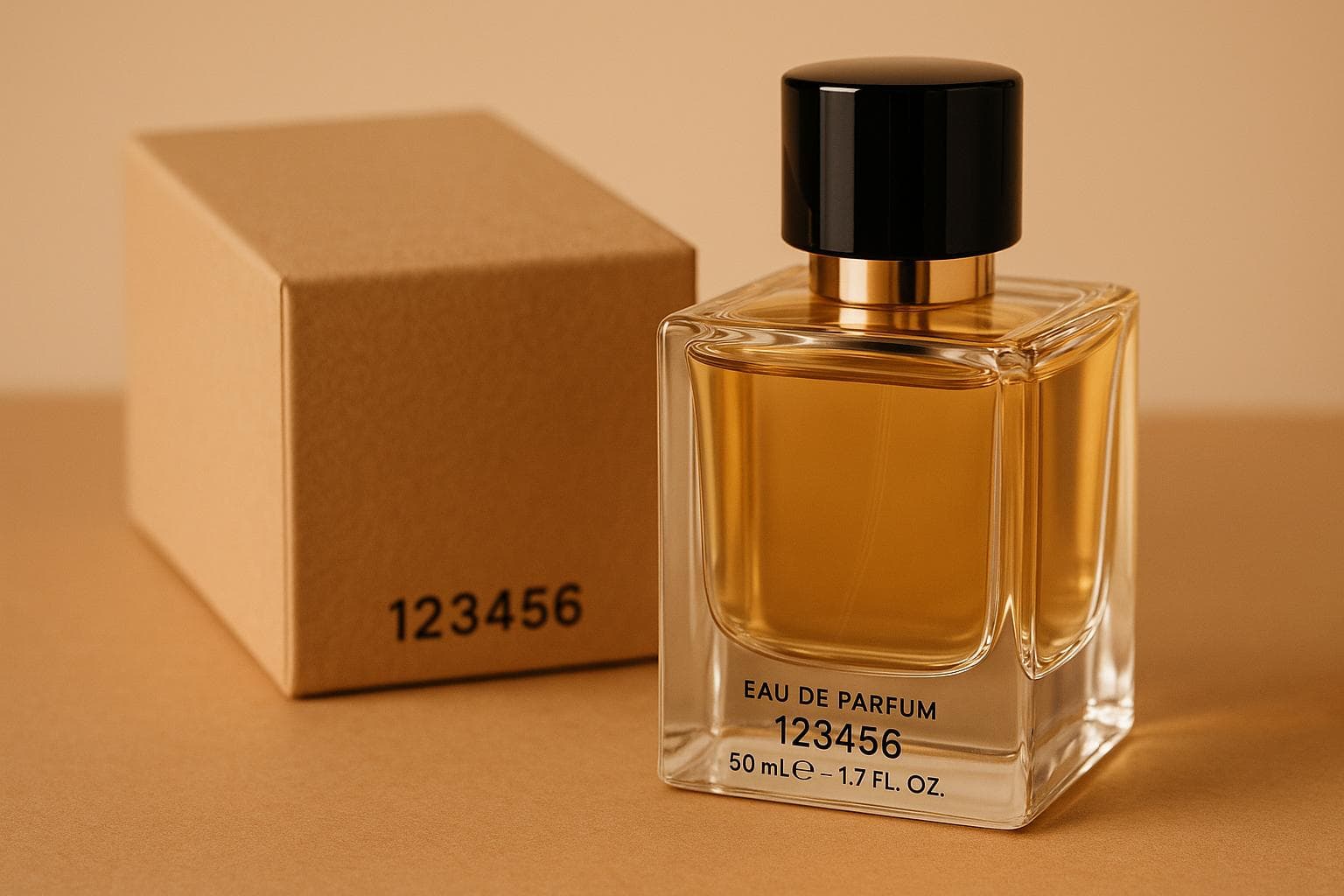
Shoda kódů šarží na krabičce a flakonu je zásadním krokem při identifikaci padělaných parfémů. Začněte tím, že najdete kód na krabičce, obvykle na spodní straně nebo boční chlopni, a poté najděte kód na flakonu, typicky na dně. Pečlivě je porovnejte.
Například pokud kód na krabičce zní "A17" a flakon také ukazuje "A17", vše je v pořádku. Pokud však krabička uvádí "A17" a flakon "A71" nebo "A17B", je to problém. Neshodné nebo chybějící kódy jsou zásadním varovným signálem, protože skuteční výrobci zajišťují, aby kódy odpovídaly u každé výrobní šarže.
Buďte opatrní u chybějících, neshodných nebo špatně vytištěných kódů. V některých případech padělků může být skutečná krabička spárována s falešným flakonem nebo naopak, což vede k neshodným kódům. Pokud je navíc jeden kód vytištěn čistě a druhý je rozmazaný nebo ručně leptaný, vyplatí se podívat blíže.
Při nákupu online vždy požadujte jasné detailní fotografie kódů šarží na krabičce (spodní strana nebo boční chlopeň) i na dně flakonu. Porovnejte tyto kódy s autentickými příklady nebo důvěryhodnými databázemi. Po obdržení produktu znovu zkontrolujte, že se kódy shodují, a uchovejte si jejich záznam. To může být užitečné, pokud budete později potřebovat ověřit pravost u značky nebo důvěryhodného prodejce.
Pokud hledáte bezstarostnou alternativu, služby jako Scento nabízejí 8ml cestovní vialky pravých luxusních vůní od značek jako Dior, Tom Ford a Louis Vuitton. Tyto služby zajišťují, že obdržíte autentické produkty bez obav z neshodných nebo chybějících kódů šarží.
Nástroje pro čtení slabě viditelných kódů
Někdy mohou být kódy šarží slabé nebo obtížně viditelné. Zde je několik tipů, jak je snáze přečíst:
- Použijte jasný zdroj světla, například baterku nebo světlo telefonu, abyste danou oblast osvětlili. Dobře to funguje na tmavém skle nebo matných krabičkách, kde mohou být kódy za běžného osvětlení téměř neviditelné. Naklonění flakonu pod světlem může pomoci odhalit leptané kódy.
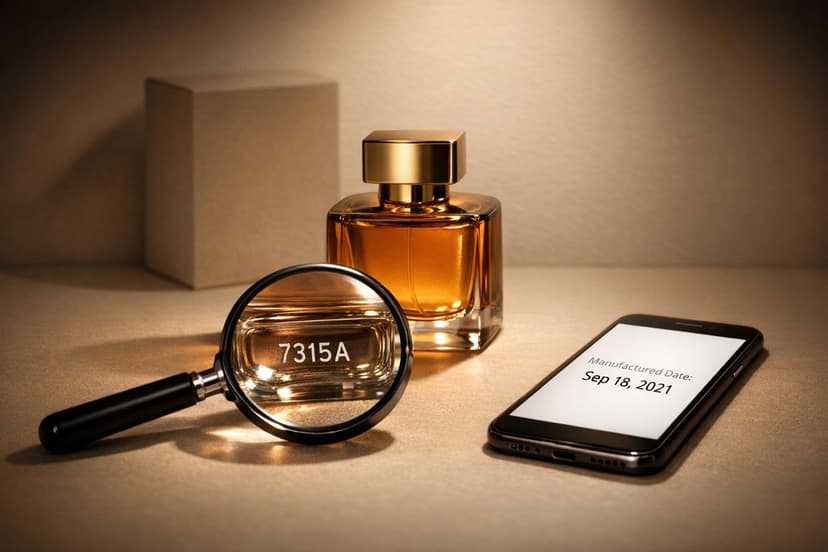
- Lupa nebo makro režim fotoaparátu ve smartphonu usnadní čtení malých nebo slabě vytištěných kódů.
- Pokud je kód na samolepce, jemně nadzvedněte okraj a zkontrolujte známky manipulace. Očištění místa měkkým hadříkem může také odstranit prach či zbytky a zlepšit viditelnost.
Tyto jednoduché nástroje a techniky vám mohou pomoci ověřit pravost parfému bez potřeby specializovaného vybavení.
sbb-itb-fb213bc
Použití online nástrojů a podpory značky ke kontrole kódů šarží
Kódy šarží jsou klíčovým detailem při ověřování pravosti parfému. Pomocí online nástrojů a přímého kontaktu se značkou můžete tyto kódy dekódovat, potvrdit výrobní údaje a odhalit případné problémy. Tyto kroky navazují na předchozí metody ověřování a pomáhají zajistit, že je vaše vůně pravá.
Používání online kontrol kódů šarží
Online kontroly kódů šarží jsou bezplatné nástroje navržené k dekódování kódu šarže parfému, odhalující odhadované datum výroby — a někdy i trvanlivost. Platformy jako CheckFresh, CheckCosmetic a BeautyChecker tento proces zjednodušují. Z rozbalovací nabídky vyberete značku parfému, zadáte kód šarže a zobrazíte výrobní údaje. Ujistěte se, že vybíráte správnou značku, protože každá má vlastní jedinečný kódovací systém, a zadejte kód přesně, abyste předešli chybám.
Po odeslání kódu šarže nástroj poskytne odhadované datum výroby. Porovnejte jej s tvrzeními prodejce o produktu. Pokud se například datum výroby neshoduje s typickou trvanlivostí 3–5 let nebo působí podezřele — například datum v budoucnosti nebo datum před uvedením značky na trh — je to varovný signál.
Pokud jeden nástroj nepřinese výsledky, zkuste jiný, protože pokrytí databází se může lišit. Mějte však na paměti, že ani platné datum výroby nezaručuje pravost. Padělatelé mohou skutečné kódy šarží napodobit, proto tento krok vždy kombinujte s kontrolou kvality obalu, vůně a důvěryhodnosti prodejce.
Omezení online nástrojů
Ačkoli jsou online kontroly kódů šarží pohodlné, nejsou neomylné. Mnohé spoléhají na databáze třetích stran, které mohou být zastaralé nebo neúplné. Luxusní značky často mění formáty kódů šarží, aby bojovaly proti padělkům, a tyto aktualizace se nemusí vždy promítnout do online nástrojů. K nesprávným výsledkům mohou vést i jednoduché chyby, jako je překlep v kódu nebo výběr nesprávné značky.
Vzhledem k těmto omezením berte online nástroje spíše jako užitečný výchozí bod než jako definitivní odpověď. Jejich zjištění vždy ověřujte i dalšími metodami.
Přímé kontaktování značek
Pokud online nástroje vyvolají pochybnosti nebo nedokážou kód šarže dekódovat, spolehlivým dalším krokem je kontaktovat značku přímo. To je obzvlášť důležité u drahých nebo limitovaných parfémů, kde je riziko padělků vyšší.
Než se ozvete, shromážděte všechny potřebné údaje. Pořiďte jasné fotografie krabičky a flakonu včetně detailů kódu šarže a čárových kódů. Poznamenejte si přesný kód šarže, název vůně, velikost flakonu a veškeré údaje o nákupu, jako jsou účtenky, potvrzení objednávky, název prodejce a zaplacená cena v USD. Připravte stručné vysvětlení svých obav, například neshodné kódy nebo neobvyklou vůni.
Navštivte oficiální web značky a najděte určený kontakt zákaznického servisu — formulář, e-mail nebo ověřené telefonní číslo. Odešlete svůj dotaz, přiložte fotografie a údaje o nákupu a požádejte o potvrzení, zda kód šarže a obal odpovídají jejich výrobním standardům.
Odpovědi značek se mohou lišit. Mnohé potvrdí, zda je formát a umístění kódu šarže správné pro danou řadu vůní, a mohou upozornit na indikátory padělků, například špatně reprodukovaná loga nebo problémy s obalem. V některých případech mohou požádat, abyste flakon přinesli k autorizovanému prodejci nebo jej poslali do servisního centra k inspekci. Mějte na paměti, že značky nemusí produkt z právních důvodů výslovně označit za padělek, ale pokud zjistí problémy, mohou vám doporučit nakupovat pouze u autorizovaných prodejců.
Pro spotřebitele v USA platí, že pokud značka potvrdí, že je produkt padělaný, můžete podniknout další kroky. Požádejte vydavatele karty o vrácení peněz nebo chargeback a nahlaste prodejce tržišti nebo příslušným úřadům. Pomůže vám to nejen získat zpět peníze, ale také přispět ke snížení prodeje padělků.
Běžné varovné signály u kódů šarží
Jakmile kódy šarží ověříte, je čas naučit se rozpoznávat běžné známky padělaných parfémů. Padělané vůně se často prozradí chybami v kódech šarží, zvláštními formáty nebo nekonzistentním umístěním. Rozpoznání těchto jemných nesrovnalostí vás může uchránit před vyhozením 100–300 € za falešnou designérskou vůni. Použijte tohoto průvodce jako pokračování předchozích ověřovacích kroků, abyste snáze identifikovali podezřelé flakony.
Typické chyby kódů šarží u padělků
Jedním z nejjasnějších varovných signálů je chybějící, neshodný nebo špatně vytištěný kód šarže. Pravé parfémy mají vždy shodné kódy šarží na flakonu i krabičce. Pokud se kódy neshodují — například krabička uvádí "62K301", zatímco flakon "FL01" — pravděpodobně jde o padělek. Tato neshoda naznačuje, že komponenty pocházejí z různých výrobních šarží. Pro kontrolu podržte flakon a krabičku pod jasným světlem a potvrďte, že kódy dokonale souhlasí.
Dalším prozrazením jsou rozmazané, rozpitě vytištěné nebo špatně zarovnané kódy. Autentické kódy šarží jsou raženy, laserem gravírovány nebo tištěny po dokončení obalu, což zajišťuje přesnost. Padělané parfémy naopak často používají levnější tiskové metody, což vede ke kódům, které se snadno poškrábou nebo jsou špatně aplikované. Rychlý test: kód jemně promněte — autentické kódy se snadno nerozmažou ani neodloupnou.
Neobvyklé formáty nebo umístění kódů šarží
Autentické kódy šarží dodržují konzistentní alfanumerické vzory, obvykle mezi 3 a 11 znaky, v závislosti na značce a výrobním období. Padělatelé se v tom často mýlí a používají nesprávné délky nebo náhodné řetězce, které neodpovídají standardnímu formátu značky. Například pokud luxusní značka známá 4znakovými alfanumerickými kódy najednou zobrazuje 10místný číselný řetězec, je to varovný signál — zejména pokud jej online nástroje jako CheckFresh nedokážou rozpoznat.
Dalším klíčovým detailem je umístění. Pravé kódy se obvykle nacházejí na spodní nebo dolní zadní části flakonu a na spodní či zadní straně krabičky, často poblíž čárového kódu. Padělatelé mohou kódy umístit na boční panely, skrýt je pod generické samolepky nebo je začlenit do dekorativních prvků. Pro potvrzení pravosti porovnejte svůj flakon s fotografiemi z oficiálních stránek značky nebo u důvěryhodných amerických prodejců.
| Varovný signál kódu šarže | Jak vypadá | Proč je podezřelý |
|---|---|---|
| Chybějící kód šarže | Žádný kód na dně flakonu nebo spodní straně krabičky | Pravé parfémy kódy šarží vždy obsahují |
| Neshoda kódu krabička vs. flakon | Odlišná čísla/písmena nebo délky kódu | Naznačuje komponenty z oddělených šarží |
| Nekvalitní tisk/leptání | Rozmazané, rozpitě vytištěné, snadno poškrábatelné, špatně zarovnané | Ukazuje na levnější tiskové metody |
| Neobvyklý formát | "123" místo 4–7znakového alfanumerického kódu | Nesprávné napodobení formátu |
| Špatné umístění | Kód na bočním panelu místo na spodní straně | Ukazuje na neznalost skutečného obalu |
| Nerozpoznán dekodéry | Vrací "unknown" ve více nástrojích | Pravděpodobně vymyšlený nebo neplatný kód šarže |
| Nepravděpodobné datum výroby | Datum předchází uvedení na trh nebo odporuje tvrzením | Ukazuje na padělek nebo zavádějící informace |
Kontroly kódů šarží a další známky pravosti
Ačkoli jsou kódy šarží užitečným nástrojem, nejsou neomylné. U autentických flakonů mohou být kódy časem opotřebené nebo slabě viditelné, zejména pokud byly nesprávně skladovány. Online databáze kódů šarží navíc mohou za novými formáty zaostávat a značky často aktualizují své kódovací systémy, aby bojovaly proti padělání. Kód, který vypadá neznámě, může být stále legitimní.
Pro důkladnou kontrolu pravosti kombinujte ověření kódu šarže s dalšími indikátory. Pečlivě si prohlédněte kvalitu obalu — materiál krabičky, ostrost tisku, celofánové zabalení a přesnost loga. Čárové kódy a etikety by měly uvádět přesné údaje o značce, správnou zemi původu a seznam ingrediencí v souladu s americkými předpisy. Důvěřujte také svému nosu — slabá nebo "divná" vůně v novém flakonu může signalizovat padělek. Kombinací těchto kontrol získáte spolehlivější způsob posouzení pravosti.
Pokud se objeví více varovných signálů — například neshodné nebo chybějící kódy, nekvalitní obal a neobvykle nízká cena — je nejlepší zboží vrátit nebo kontaktovat prodejce či značku kvůli ověření.
Pro nakupující v USA, kteří si chtějí užívat designérské vůně bez rizika padělků, je nákup z důvěryhodných zdrojů klíčový. Scento je prodejce parfémových dekantů a vzorků a každý produkt si můžete koupit jednorázově, bez jakéhokoli předplatného.
Závěr
Rozpoznání padělaných parfémů pomocí kódů šarží nezabere mnoho času, ale může vás uchránit před ztrátou stovek dolarů za padělané vůně. Kombinací ověření kódu šarže s kontrolou obalu, kvality vůně a promyšlenými nákupními návyky se můžete vyhnout falešným designérským parfémům a zajistit, že své peníze investujete správně.
Klíčové kroky pro kupující
Zde je stručný průvodce, který vám pomůže ověřit pravost:
- Najděte kód šarže na krabičce i flakonu. Pokud je tisk obtížně čitelný, použijte jasné světlo nebo lupu.
- Zkontrolujte, zda kód odpovídá typickému formátu značky — obvykle 3 až 11 alfanumerických znaků v konzistentním uspořádání.
- Použijte online kontrolu kódů šarží, například CheckFresh, k potvrzení data výroby.
- Zhodnoťte kvalitu vůně se zaměřením na její intenzitu, charakter a výdrž.
Pokud narazíte na neshodné kódy, nekvalitní obal, slabý výkon vůně nebo sporná data výroby, přestaňte produkt používat a okamžitě kontaktujte prodejce nebo značku. Do komunikace zahrňte fotografie a kód šarže.
Pamatujte, že samotné kódy šarží nejsou dokonalou ochranou. Padělatelé často napodobují skutečné kódy a online databáze mohou být někdy neúplné nebo zastaralé. Některé luxusní značky navíc pravidelně aktualizují své kódovací systémy, aby předběhly padělatele. Proto je kombinace více kontrol — kódů šarží, obalu, kvality vůně a zdroje nákupu — nejspolehlivějším způsobem, jak potvrdit pravost.
Nákup z důvěryhodných zdrojů
I po ověření kódů šarží a obalu je nejbezpečnější cestou, jak se vyhnout padělkům, držet se důvěryhodných prodejců. Autorizované obchodní domy, značkové butiky a známé americké online platformy mají zabezpečené dodavatelské řetězce a často kódy šarží předem ověřují, čímž snižují potřebu rozsáhlých osobních kontrol.
Pro milovníky vůní, kteří chtějí objevovat rozmanité designérské vůně bez rizika padělků — nebo bez nákladů na nákup plných flakonů v ceně 100 až 300 dolarů — mohou být předplatitelské služby chytrou alternativou. Například Scento nabízí 100 % autentické designérské a niche parfémy v 8ml cestovních vialkách. Kódy šarží výrobce patří k těmto originálním flakonům a na lahvičkách s dekanty Scento se netisknou. Díky tomu se předplatitelé mohou soustředit na objevování nových vůní bez obav z padělků.
Chcete-li si s jistotou užívat autentické luxusní vůně, vždy nakupujte u autorizovaných prodejců nebo spolehlivých služeb, jako je Scento. Tato opatření vám zajistí bezstarostný zážitek při dopřávání si oblíbených parfémů.
Časté dotazy
Jak mohu ověřit, zda je kód šarže na mém parfému pravý a nejde o padělek zkopírovaný ze skutečného produktu?
Chcete-li ověřit, zda je kód šarže legitimní, začněte kontrolou jeho kvality a umístění. Autentické kódy šarží bývají vytištěny nebo vygravírovány precizně a přirozeně zapadají do designu obalu. Dávejte si pozor na vady, jako jsou šmouhy, nerovnoměrný tisk nebo kódy, které se odchylují od typického stylu značky.
Další účinnou metodou je křížová kontrola kódu šarže pomocí online ověřovacích nástrojů nebo oficiálních stránek značky. Mnoho prémiových parfumérských značek nabízí funkci, kde můžete zadat kód a potvrdit pravost produktu i výrobní údaje. Pokud kód neodpovídá jejich záznamům nebo se jeví jako neplatný, je to silný signál, že parfém může být padělaný.
Kromě toho pečlivě zkontrolujte další prvky obalu, jako jsou fonty, loga a materiály. Padělané produkty často vykazují drobné chyby v těchto detailech, které mohou sloužit jako varovné signály.
Jaké kroky mám podniknout, pokud si po kontrole kódu šarže a obalu myslím, že by můj parfém mohl být padělaný?
Pokud si myslíte, že by váš parfém mohl být padělaný, můžete podniknout několik kroků k potvrzení svých podezření. Začněte kontrolou kódu šarže. Můžete jej ověřit v oficiální databázi značky nebo pomocí spolehlivého online nástroje pro kontrolu kódů šarží. Věnujte velkou pozornost formátu a detailům — jakékoli nesrovnalosti nebo chybějící informace mohou být varovným signálem.
Poté si důkladně prohlédněte obal a flakon. Pravé parfémy jsou známé smyslem pro detail, používají kvalitní materiály, přesný tisk a bezpečné uzávěry. Padělané produkty se naopak často prozradí nedbalým zpracováním — nerovnoměrné fonty, nesprávná loga nebo špatně sedící víčka jsou běžnými vodítky.
Stále si nejste jistí? Kontaktujte zákaznický servis značky nebo navštivte autorizovaného prodejce pro odborné ověření. Abyste se padělaným parfémům v budoucnu vyhnuli, držte se důvěryhodných prodejců, jako je Scento, které zajišťuje, že všechny jeho designérské vůně jsou 100 % autentické.
Jaké nástroje nebo zdroje mohou pomoci ověřit pravost kódů šarží parfémů?
Jednou z účinných metod, jak zajistit pravost parfému, je kontrola jeho kódu šarže. Online kontroly kódů šarží vám umožní zadat kód nalezený na flakonu nebo obalu a ověřit údaje, jako je datum výroby a pravost. Pro větší jistotu porovnejte tyto informace s oficiálními pokyny značky.
Pečlivě si také prohlédněte obal a označení. Pravé parfémy jsou známé bezchybnou prezentací — ostrým tiskem, přesnými logy a textem bez chyb. Padělané produkty se často prozradí špatnou kvalitou tisku, nesprávnými logy nebo pravopisnými chybami.