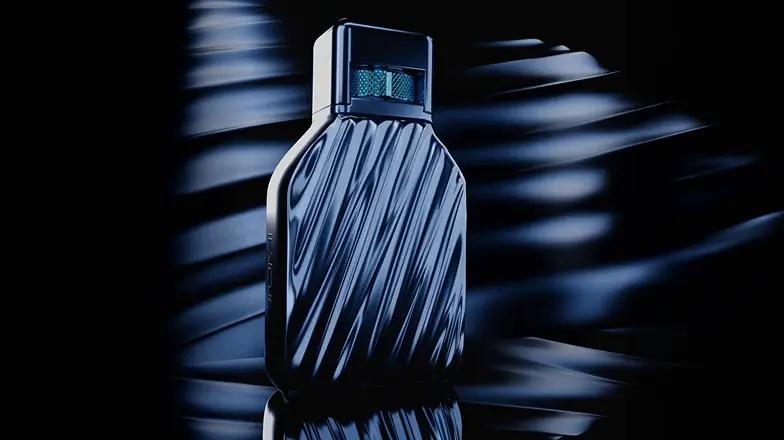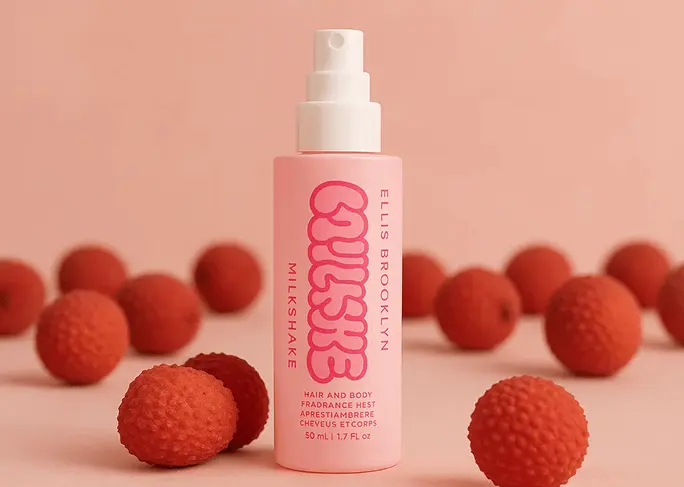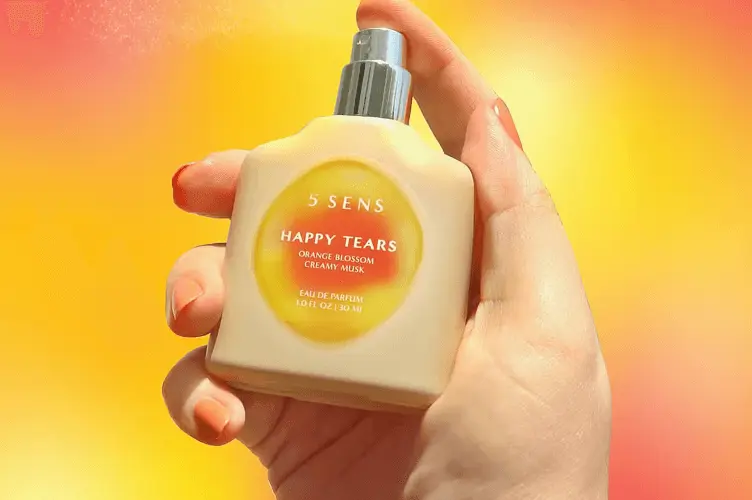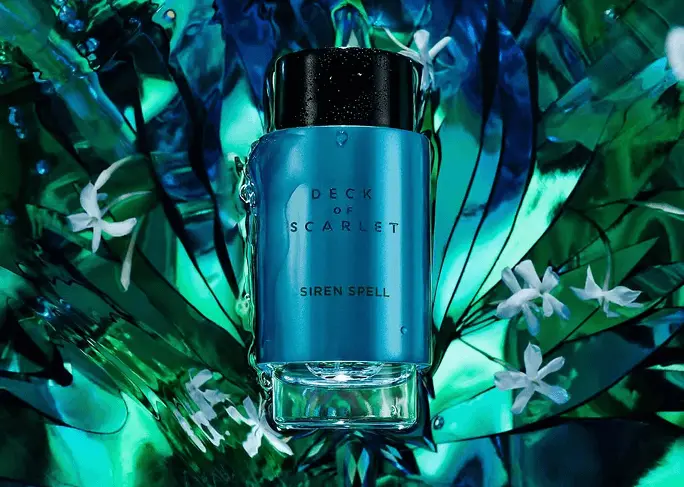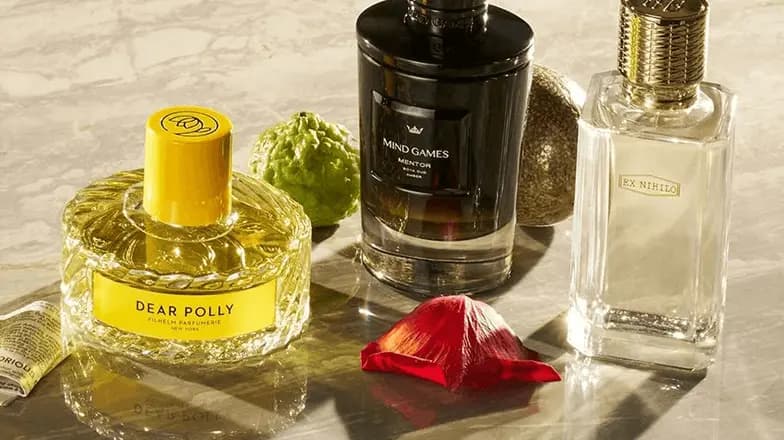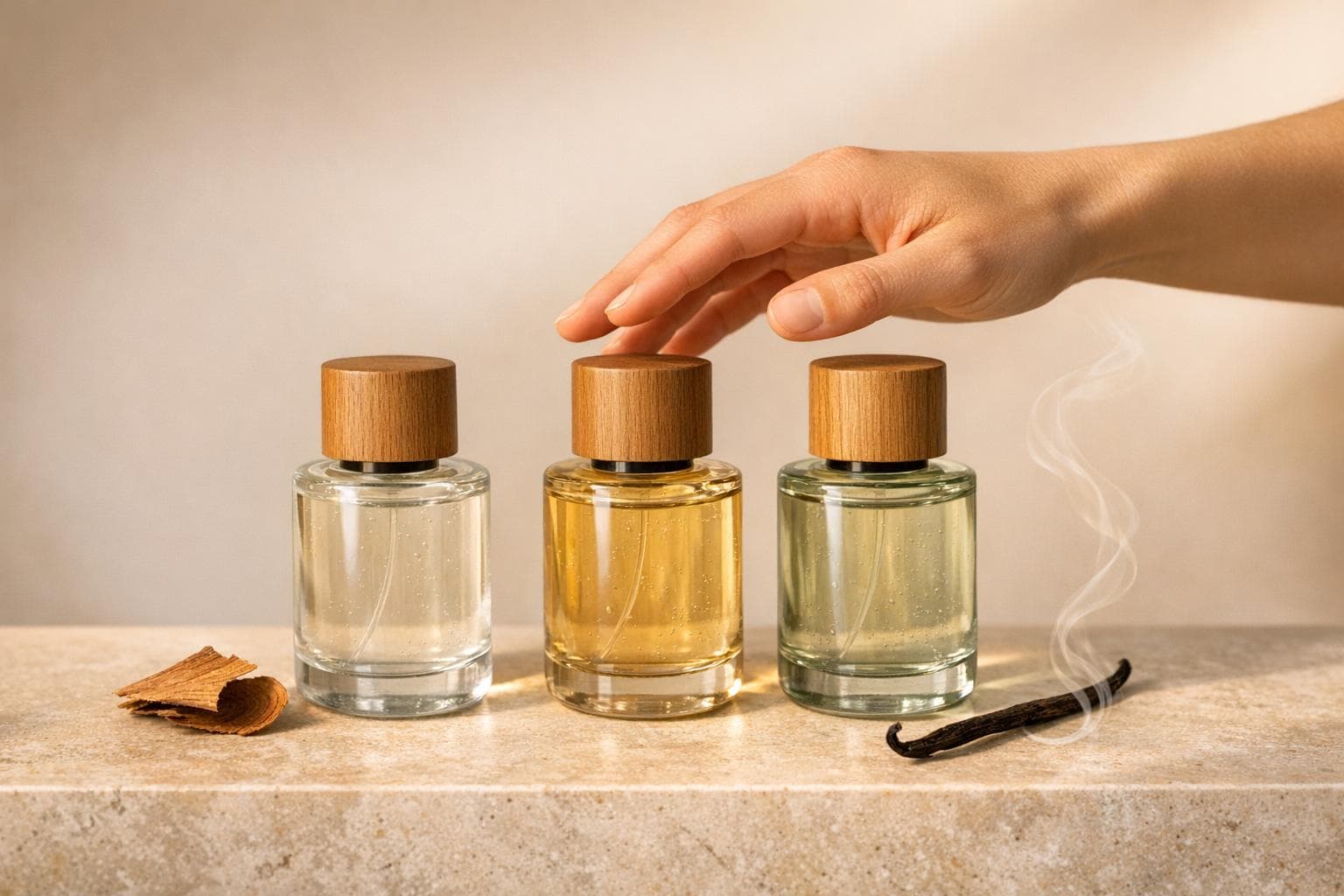
Trendy ve vůních v roce 2025 ukazují výrazné změny v tom, jak si lidé vybírají a používají parfémy. Namísto lpění na sezónních tradicích si dnes spotřebitelé volí vůně podle nálady a osobního vyjádření. Niche parfémy získávají na popularitě díky platformám jako TikTok (#perfumetok s 5,2 mld. zhlédnutí), které vyzdvihují jedinečné a těžko dostupné vůně. Obal hraje obrovskou roli při rozhodování o nákupu, zejména online, kde vizuální stránka a storytelling nahrazují osobní testování.
Mezi hlavní body patří:
- Neo-gourmand vůně: Vůně s tóny jako pistácie, dušená rýže a matcha nahrazují přeslazené profily. Tyto kompozice oslovují mladší publikum a nabízejí emotivní propojení.
- Dřevité vůně: Minimalistické, genderově neutrální směsi se santalovým dřevem, oudem a vetiverem dominují prémiovému trhu a ztělesňují dlouhotrvající, nenápadnou eleganci.
- Evoluce balení: Luxusní značky jako Fendi a Balmain vytvářejí sběratelské designy, které často slouží i jako dekorativní objekty, zatímco udržitelnost (např. znovu plnitelné flakony) se stává standardem.
- Limitované edice: Sezónní balení a exkluzivní uvedení zažívají boom a nabízejí pocit dostupného luxusu kupujícím, kteří vyhledávají prémiový zážitek.
Trh se také přiklání k funkčním vůním, které jsou navrženy tak, aby vyvolávaly konkrétní emoce a přinášely benefity pro pohodu. Jelikož inovace pohání osobní vyjádření a udržitelnost, rok 2026 tyto trendy posune ještě dál.
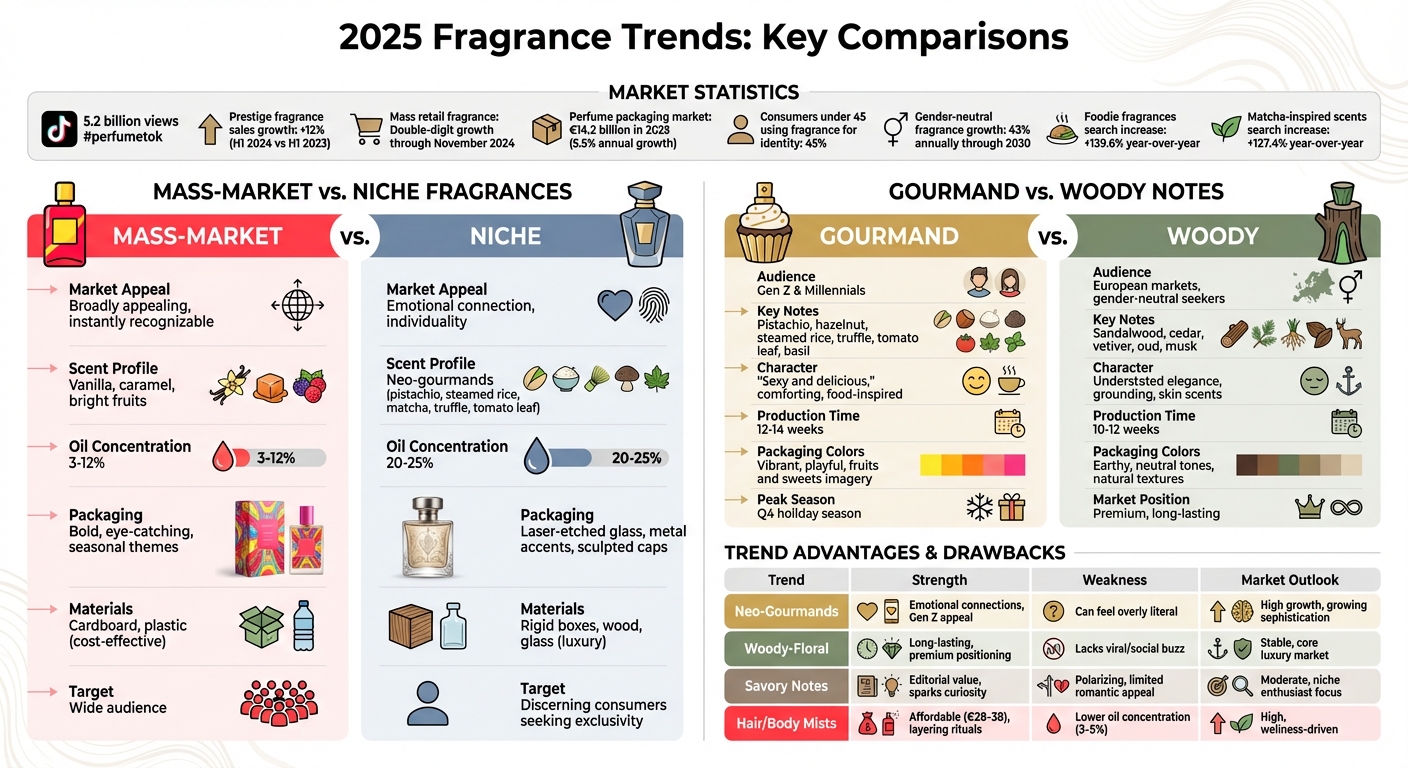
Srovnání trendů vůní 2025: neo-gourmand vs. dřevité vůně a masový trh vs. niche
Podrobný přehled uvedení vůní v roce 2025: 100 nových niche a luxusních designérských novinek
1. Masový trh vs. niche vůně
Rozdíl mezi vůněmi pro masový trh a niche parfémy se v roce 2025 stal ještě výraznějším, přičemž každá kategorie si vymezila vlastní prostor na trhu sezónních limitovaných edic. Tyto rozdíly objasňují, proč některé vůně oslovují široké publikum, zatímco jiné si budují věrné, úzce profilované publikum.
Atraktivita na trhu
Vůně pro masový trh usilují o vytvoření kompozic, které jsou okamžitě rozpoznatelné a široce přitažlivé. Tyto produkty se zaměřují na známé a snadno oblíbené profily, které rezonují s širokým publikem. Prodeje vůní v masovém retailu dokonce do začátku listopadu 2024 zaznamenaly dvouciferný růst, podpořený inovacemi v oblasti tělových sprejů.
Naproti tomu niche vůně cílí na spotřebitele, kteří hledají hlubší emocionální a smyslové propojení. Tyto vůně často zdůrazňují individualitu a umožňují nositelům vyjádřit osobní identitu prostřednictvím jedinečných čichových zážitků. Tento přístup přirozeně omezuje jejich publikum, ale zároveň buduje intenzivní loajalitu. Matthieu Befve, Head of Fine Fragrance North America ve společnosti Givaudan, tento posun vystihuje:
"Spotřebitelé stále více hledají silnější emocionální a fyzické zapojení prostřednictvím produktů, které současně stimulují více smyslů".
Tato odlišnost v cílových skupinách ovlivňuje i způsob, jakým jsou tyto vůně komponovány.
Složení vůní
Vůně pro masový trh často staví na oblíbených sladkých profilech, jako je vanilka, karamel a svěží ovoce. Jejich kompozice jsou navrženy tak, aby nabízely konzistentní, dlouhotrvající vůni, která se od prvního střiku po závěrečné rozvinutí příliš nemění. Tyto vůně jsou výrazné, přímočaré a snadno přístupné, přičemž oblíbené tělové mlhy mívají koncentraci vonných olejů mezi 3–12 %.
Niche vůně naopak posouvají hranice díky invenčním vonným profilům. V roce 2025 se vzdálily od tradičních sladkých tónů a přijímají neo-gourmand směr, který zahrnuje nečekané prvky jako pražené ořechy, javorový sirup, lanýž, rajčatový list a dušenou rýži. Například vůně inspirované matchou zaznamenaly meziroční nárůst zájmu ve vyhledávání o 127,4 %. Na rozdíl od vůní pro masový trh niche kompozice často pracují s komplexními formulacemi a využívají pokročilé molekuly ke zdůraznění různých aspektů jediné noty. Jejich vyšší koncentrace olejů, obvykle mezi 20–25 %, přináší bohatší a vrstevnatější zážitek.
Kromě samotné vůně rozdíly mezi těmito dvěma kategoriemi dále podtrhuje i balení.
Prezentace balení
Vůně pro masový trh spoléhají na odvážný, poutavý design, který upoutá pozornost a podpoří prodej. Sezónní motivy a výrazná vizuální stránka pomáhají těmto produktům vyniknout v regálech, zatímco cenově dostupné materiály, jako karton a plast, pomáhají zachovat příznivou cenu.
Niche značky však povyšují balení na uměleckou formu. Používají luxusní materiály, jako je laserem gravírované sklo, kovové akcenty a tvarovaná víčka, aby vytvořily dojem exkluzivity. Prémiové značky jako Fendi a Bottega Veneta zdůrazňují své postavení prostřednictvím umělecky zpracovaných flakonů. Očekává se, že trh s obaly na parfémy dosáhne v roce 2025 hodnoty 14,2 miliardy eur a poroste tempem 5,5 % ročně. Niche značky také posilují zážitek z rozbalování pomocí multifunkčních obalů z prémiových materiálů, jako jsou pevné krabičky, dřevo a sklo, které mohou sloužit i jako dekorativní prvky do interiéru. Tato pozornost k detailu upevňuje jejich luxusní pozici a oslovuje náročné zákazníky.
2. Gourmand vs. dřevité tóny
Trendy vůní pro rok 2025 se jasně dělí mezi dva odlišné profily: gourmand a dřevité. Tyto kategorie oslovují různé preference a vyvolávají kontrastní smyslové zážitky – gourmand vůně svou „svůdnou a lahodnou“ přitažlivostí, zatímco dřevité vůně vytříbenou a uzemňující sofistikovaností.
Atraktivita na trhu
Gourmand vůně slaví úspěch u mladšího publika, zejména u generace Z a mileniálů, kteří tíhnou ke konejšivým vůním inspirovaným jídlem. Vyhledávání „foodie fragrances“ meziročně vzrostlo o 139,6 % směrem k roku 2024, což podtrhuje jejich rostoucí oblibu.
Dřevité tóny mezitím rezonují s těmi, kdo vyhledávají nenápadnou eleganci a genderově neutrální možnosti. Tyto vůně jsou obzvlášť populární na evropských trzích a mezi zákazníky, kteří oceňují intimitu a pocit síly. Formulace založené na oudu a pižmu prosperují, přičemž kategorie genderově neutrálních vůní má do roku 2030 růst o 43 % ročně. Louise Rigley, Senior Global Brand Manager ve společnosti Designer Parfums, uvádí:
"Pozorujeme nárůst sametových, náladou nabitých tónů, jako jsou tmavé ovoce a kouřová dřeva – ingredience, které evokují intimitu a pocit síly".
Gourmand vůně mají tendenci dominovat během sváteční sezóny ve 4. čtvrtletí, což odpovídá trendům spojeným s obdarováváním. Tato sezónní preference zdůrazňuje rozdílné zájmy publika i načasování pro tyto vonné rodiny.
Složení vůní
Gourmand vůně se vyvinuly za hranice tradičních základů vanilky a karamelu. Nová vlna „neo-gourmand“ přináší nečekané tóny, jako jsou pistácie, lískový ořech, dušená rýže a dokonce i slané prvky, například lanýž, rajčatový list a bazalka. Caroline Sabas, Senior Perfumer ve společnosti Givaudan, vyzdvihuje přitažlivost těchto inovativních akordů:
"Akord dušené rýže je jemný, konejšivý a čistý a mnoha lidem bude důvěrně známý".
Dřevité vůně se naopak soustředí na zemité, uzemňující ingredience, jako je santalové dřevo, cedr, vetiver a oud. Trend „skin scents“ v roce 2025 povýšil minimalistické směsi, které doplňují přirozenou vůni nositele, místo aby ji přehlušily. Mnoho dřevitých vůní dnes zahrnuje upcyklované ingredience a kouřové, pryskyřičné profily, jako jsou oud a ambra. Matthieu Sucheyre — Bouquet, Director of Education ve společnosti Interparfums, tento posun vysvětluje:
"Sladkost už není hlavní hvězdou, ale vedlejší postavou – vyváženou jemnými dřevy, květinami, kořením a pižmy".
Tvorba gourmand vůní často vyžaduje delší výrobní cyklus (12–14 týdnů) než dřevitě-květinové směsi (10–12 týdnů), a to kvůli složitosti získávání ingrediencí pro realistické „jedlé“ akordy.
Prezentace balení
Design balení tyto dvě vonné rodiny dále odlišuje a odráží jejich jedinečné identity.
Gourmand vůně často pracují se sytými barvami a hravými motivy ovoce a sladkostí, navrženými tak, aby upoutaly pozornost a byly snadno sdílené na sociálních sítích. Prvky jako magnetické uzávěry přidávají dotek praktičnosti a atraktivity. V segmentu masového trhu jsou gourmand vůně často nabízeny v barevných, lehkých formátech mlh, které zdůrazňují dostupnost a zároveň zachovávají tematický půvab.
Dřevité vůně naopak přijímají zemité, neutrální tóny a přírodní textury. Kolekce v limitované edici často ukazují luxusní detaily, jako je laserově zdobené sklo, kovové akcenty a dřevěná víčka, čímž signalizují svůj prémiový status. Tyto designy často zároveň fungují jako dekorativní prvky do interiéru a propojují funkčnost s estetickou přitažlivostí. Obě kategorie stále častěji přijímají udržitelné postupy, například biologicky rozložitelné inkousty, recyklované sklo a znovu plnitelné formáty. Tyto promyšlené inovace v balení ladí s širším trendem posouvání smyslových i vizuálních hranic v designu vůní.
Váš osobní odborník na parfémy už čeká
Vyplňte náš rychlý vonný kvíz a objevte autentické designové a nišové parfémy vybrané podle vašeho vkusu – prozkoumejte je jako 2–8ml dekanty a vzorky, abyste si každý mohli vyzkoušet, než se rozhodnete pro celou lahvičku.
Najděte svou vůni3. Design balení v limitovaných edicích
Atraktivita na trhu
V roce 2025 se balení limitovaných edic stalo charakteristickým znakem luxusu a nabízí spotřebitelům způsob, jak si dopřát špičkovou vůni bez závazku větších luxusních nákupů. Tyto precizně navržené flakony poskytují pocit dostupného luxusu a dávají kupujícím příležitost vlastnit kousek designérského umění. Tato strategie zjevně funguje – prodeje prestižních vůní vzrostly v první polovině roku 2024 o 12 % ve srovnání se stejným obdobím roku 2023.
Luxusní módní domy využívají identitu své značky k formování designu obalů. Například v květnu 2024 představilo Fendi řadu sedmi vůní, přičemž parfém „La Baguette“ byl vytvořen speciálně tak, aby ladil s barevnými variantami jeho ikonické kabelky Baguette. Clayton Ilolahia, Evaluations and Communications Manager pro Fragrances of the World, vyzdvihl přitažlivost těchto designů:
"Cítil jsem jednu z nových kolekcí, které budou uvedeny v roce 2025, a viděl jsem i balení, a je zpracované velmi pěkně a promyšleně... Je to také příležitost oslovit segment trhu, který má disponibilní příjem na luxus, ale v minulosti by za vůni neutratil více než 200 dolarů".
Tyto kreativní designy balení nejen přitahují pozornost – zároveň také naznačují vonné profily ukryté uvnitř.
Soulad se složením vůně
Balení často slouží jako vizuální předzvěst vůně uvnitř. Barvy a textury jsou pečlivě voleny tak, aby odrážely charakter parfému – zlatá nebo černá naznačuje sofistikované, hluboké tóny, zatímco růžová nebo světle modrá vyjadřuje lehké, svěží akordy. Například „Worth Avenue“ od Ellis Brooklyn obsahuje sytě modrou tekutinu, která doplňuje jeho klasický kolínský profil a evokuje nostalgii 90. let. Zimní kolekce 2025 tento koncept posouvají ještě dál díky krystalickým a pudrovým designům, které zrcadlí motivy „polárního ponoření“ a přímo navazují na vůně inspirované sněhem a ledem, jako jsou d’Annam Sakura Snow a Flux od Andrey Maack.
Rostoucí popularita formátů inspirovaných skincare také ovlivnila inovace v balení. Značky jako Orebella nyní používají dvoufázové (olejovo-vodní) formule, které jsou viditelné skrze transparentní flakony a podněcují uživatele, aby produkt před použitím protřepali a aktivovali jeho pečující účinky na pleť. Frank Voelkl, Principal Perfumer ve společnosti DSM — Firmenich, vysvětluje:
"Spotřebitelé stále častěji hledají mlhy a další parfemované formáty, které kromě krásné vůně nabízejí i benefity pro pokožku... Tento dvojí účel je obzvlášť populární v kategorii mlh, kde se setkávají wellness a krása".
Toto plynulé propojení vizuálních signálů a vonných příběhů dále umocňují jedinečné prezentační styly limitovaných edic.
Styly prezentace
Designy limitovaných edic v roce 2025 povyšují zážitek z vůně prostřednictvím výrazných a propracovaných prezentačních stylů. Dominuje maximalistický design, který odráží komplexnost vůní, jež ukrývá. Vysokokoncentrované novinky, často označené jako „Intense“, „Elixir“ nebo „Absolue“, se vyznačují působivými geometrickými tvary a výraznými prvky, které signalizují sílu a dlouhou výdrž vůně. Tyto vizuálně působivé designy dokonale odpovídají trendům sociálních sítí, kde jsou odvážná estetika a silný dojem vysoce ceněny.
Ústřední roli hraje také udržitelnost. Anabelle Holschuh ze společnosti Mintel zdůrazňuje tento posun ve spotřebitelských prioritách:
"Luxus v roce 2025 je o podstatě, příběhu a smyslovém zážitku... dnešní spotřebitelé vůní hledají něco intimnějšího: řemeslné zpracování, autenticitu a emocionální propojení".
Tento posun směrem k „slow perfume“ oslavuje řemeslnou tvorbu a storytelling a proměňuje flakony limitovaných edic v památeční předměty, které si uchovávají význam ještě dlouho poté, co je samotná vůně vypotřebována.
Výhody a nevýhody
Jak se debata posouvá směrem k trendům vůní a balení pro rok 2025, je důležité zvážit přínosy i výzvy, které jednotlivé směry přinášejí.
Každý trend má svou vlastní přitažlivost i svá úskalí. Vezměme si například neo-gourmand tóny. Tyto vůně mistrně budují emocionální propojení. Jessica Matlin, Director of Beauty and Home ve společnosti Moda Operandi, to vystihuje stručně: "Lidé chtějí vonět svůdně a lahodně, zejména mladí lidé." Nevýhodou však je, že tyto vůně mohou někdy působit příliš doslovně, což může omezit jejich dosah mimo publikum generace Z. Přesto tato kategorie dozrává díky sofistikovanějším profilům, kde přímočarou vanilku nahrazují nuance jako pražené mandle a med. Tento vývoj naznačuje trvalejší přítomnost na trhu a nabízí širší škálu možností pro různé chutě.
Na druhé straně dřevitě-květinové směsi vynikají elegancí a výdrží, vlastnostmi, které silně rezonují s prémiovými zákazníky, zejména na evropských trzích, kde tyto vůně dominují. Tyto směsi dokonale ladí s trendem „quiet luxury“ a nabízejí prodlouženou výdrž, kterou spotřebitelé stále více požadují. Globální uvedení vůní se slibem dlouhé výdrže totiž mezi lety 2019 a 2023 vzrostlo z 11 % na 35 %. Kompromis? Tyto vůně mohou někdy působit předvídatelně a postrádat onu virální energii, která pohání trendy na sociálních sítích a impulzivní nákupy, zejména mezi mladšími zákazníky.
Pak jsou zde slanější a experimentální tóny, které přinášejí prvek zvědavosti a redakční atraktivity. Matlin vysvětluje: "Slané chutě nejsou zrovna romantické, ale jsou vzrušující, přinášejí novost, podporují redakční storytelling a odrážejí širší trend globalizace vůní." S ingrediencemi jako rýže, sezam a rajčatový list v čele jsou tyto vůně bezesporu fascinující. Jejich polarizující povaha a omezená každodenní nositelnost je však mohou uzavřít do niche trhů a kruhů sběratelů. I když zřejmě neovládnou mainstream, mezi nadšenci si udrží stabilní přitažlivost.
A nakonec vlasové a tělové mlhy, které řeší otázku dostupnosti přívětivější cenou, obvykle v rozmezí 28 až 38 eur. Ve srovnání s koncentrací vonných olejů 20 až 25 % v Eau de Parfum mají tyto mlhy nižší podíl, obvykle 3 až 5 %, a proto vyžadují určitou edukaci spotřebitelů ohledně jejich výdrže. Jejich síla spočívá v roli v layering rituálech a ve wellness zaměření, které podnítilo dvouciferný růst v segmentu masového trhu.
Zde je rychlý přehled toho, jak si tyto trendy stojí:
| Kategorie trendu | Silná stránka | Slabá stránka | Výhled trhu |
|---|---|---|---|
| Neo — Gourmands | Buduje emocionální propojení; přitažlivost pro generaci Z | Může působit příliš doslovně nebo přesládle | Vysoký; rostoucí sofistikovanost |
| Woody — Floral | Dlouhá výdrž; prémiové postavení | Postrádá virální / sociální buzz | Stabilní; jádro luxusního trhu |
| Savory Notes | Redakční hodnota; vzbuzuje zvědavost | Polarizující; omezená romantická přitažlivost | Střední; zaměření na niche nadšence |
| Hair/Body Mists | Dostupné; ideální pro layering rituály | Nižší koncentrace olejů; vnímaná mezera | Vysoký; tažený wellness trendy |
Závěr
Svět vůní v roce 2025 prošel znatelným posunem: spotřebitelé začali upřednostňovat „šatníky vůní“ před věrností jediné „signaturní vůni“. Tento trend odráží rostoucí oblibu používání parfému jako formy osobního vyjádření. Téměř 45 % spotřebitelů mladších 45 let dnes vnímá vůni jako klíčový způsob, jak ukázat svou identitu. Tento posun podpořil popularitu niche značek, které se zaměřují na nekonvenční, příběhově bohaté kreace.
Jedním z nejvýraznějších trendů roku byl vzestup neo-gourmand vůní. Tyto kompozice překročily hranice jednoduché sladkosti a nabídly vytříbenější profily s tóny dušené rýže, matchy, pistácie a dokonce i slanějších akcentů, jako jsou lanýž a bazalka. Současně dřevitě-květinové směsi nadále dominovaly prémiovému trhu a reagovaly na poptávku po déle trvajících vůních. Významnou roli hrálo také balení – značky jako Bottega Veneta a Fendi představily sběratelské designy, které posílily jejich luxusní přitažlivost. Jak výstižně uvedla Sabrya Meflah, President for Fine Fragrance ve společnosti IFF:
"Vůně se staly mocnými nástroji sebevyjádření a emocionálního vyprávění".
Při pohledu do roku 2026 se zdá, že parfémový průmysl čeká ještě větší proměna. Očekává se, že neo-gourmand vůně se budou dále vyvíjet a začnou zahrnovat propracované umami tóny, zatímco trend jemných, pokožce blízkých vůní pravděpodobně nabere na síle. Do popředí se dostanou i technologické inovace, například Haloscent – molekula s postupným uvolňováním, která reaguje na mikrobiom nositele – a změní způsob, jakým vůně interagují s tělem.
Udržitelnost už nebude jen příjemným bonusem, ale standardním očekáváním. Ingredience získané pomocí biotechnologií a znovu plnitelná balení se mají stát normou. Nadále budou získávat oblibu i alternativní formáty, jako jsou vlasové parfémy a tělové mlhy, které nabídnou dostupnější způsoby, jak zažít luxusní vůně, s cenami v rozmezí 28 až 38 dolarů. Personalizované vůně podporující náladu navíc dále prohloubí spojení mezi parfémem, wellness a péčí o sebe. Jak se tyto trendy budou rozvíjet, trh s vůněmi bude pokračovat ve svém vývoji, veden osobním vyjádřením, inovacemi a udržitelností.
Časté dotazy
Čím se neo-gourmand vůně liší od tradičních gourmand parfémů?
Neo-gourmand vůně přinášejí známému konceptu parfémů inspirovaných jedlými tóny svěží nový rozměr. Kombinují gurmánské akcenty s lehčími, osvěžujícími prvky, jako jsou šťavnaté plody, citrusy nebo jemné botanické tóny. Výsledek? Vůně, která působí lehce, vzdušně a je ideální pro každodenní nošení – s dokonale vyváženou sladkostí a jiskrou svěžesti.
Klasické gourmand vůně se naopak opírají především o bohatá, dezertní aromata s tóny jako vanilka, karamel nebo čokoláda. Tyto kompozice jsou o požitku a nabízejí hlubokou, luxusní sladkost. Neo-gourmand vůně si sice zachovávají kulinářské kouzlo, ale místo hutných, cukrových základů volí zářivé, ovocně laděné vrstvy. Díky tomuto modernímu přístupu působí univerzálněji a mimořádně nositelně.
Jak balení ovlivňuje přitažlivost sezónních niche vůní?
Balení hraje v kouzlu sezónních niche vůní klíčovou roli, protože často odráží náladu, téma nebo příběh spojený s danou vůní. Výrazné a osobité designy nejen přitahují pozornost, ale také probouzejí emoce a dodávají další vrstvu exkluzivity, která oslovuje sběratele i milovníky parfémů.
U limitovaných edic se význam balení ještě zvyšuje. Promyšlené detaily – jako jsou propracované vzory nebo sezónní barevné palety – mohou proměnit vůni v žádaný sběratelský objekt. Taková prezentace povyšuje její přitažlivost, takže nejde jen o samotnou vůni – stává se z ní zážitek.
Proč se dřevité vůně stávají oblíbenou volbou pro genderově neutrální parfémy?
Dřevité vůně jsou v genderově neutrálních kategoriích stále populárnější, protože se oceňuje jejich bohatá, zemitá hloubka, která rezonuje s širokým spektrem preferencí. Tyto kompozice vyzařují hřejivost, komplexnost a dotek sofistikovanosti, díky čemuž jsou univerzální a široce přitažlivé.
Tento rostoucí trend odráží odklon od tradičně genderově vymezených parfémů a přijetí unisex profilů, které působí tajemněji a inkluzivněji. Tóny jako santalové dřevo, cedr a vetiver vynikají nadčasovým půvabem a nabízejí rovnováhu mezi jedinečností a univerzální nositelností, která moderní milovníky vůní tolik přitahuje.