Las redes sociales están transformando el modo en que los perfumistas conectan con el público y construyen sus marcas. Plataformas como TikTok, Instagram y YouTube permiten a los creadores emergentes superar las barreras tradicionales del sector y relacionarse directamente con millones de clientes potenciales. El contenido viral, la narrativa personal y las colaboraciones con creadores de contenido han impulsado a firmas de perfumería nicho hacia el éxito generalizado.
Aspectos clave:
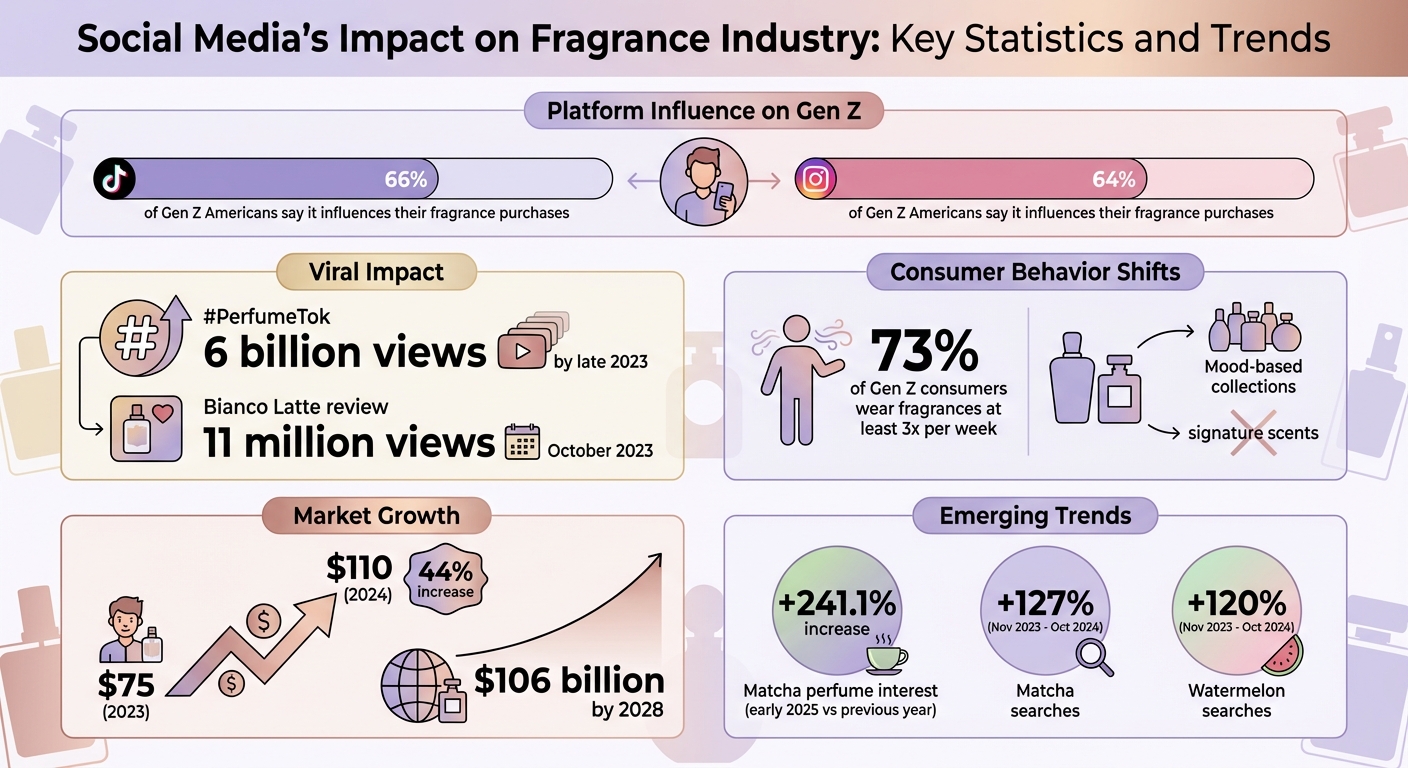
- Impacto viral: hashtags de TikTok como #PerfumeTok acumularon 6 billion views a finales de 2023, impulsando las ventas de marcas como Phlur y D.S. & Durga.
- Nuevas estrategias: Los perfumistas recurren a la narrativa evocadora, a estéticas guiadas por el estado de ánimo y a colaboraciones con creadores de contenido para dar a conocer creaciones que no se pueden oler en línea de forma tangible.
- Tendencias que definen el mercado: Las fragancias de perfil espirituoso y gourmand, así como las fragancias inspiradas en el té, ganan cada vez más protagonismo, mientras la Generación Z se decanta por colecciones olfativas según el estado de ánimo.
- La influencia del consumidor: El 66 % de los compradores de la Generación Z recurre a TikTok en busca de recomendaciones olfativas, lo que fomenta una mayor demanda de transparencia y de cercanía directa.
El auge de las redes sociales ha reducido las barreras de entrada para los nuevos perfumistas al tiempo que redefine los hábitos de consumo, convirtiendo la narrativa y la interacción con la comunidad en herramientas indispensables para el éxito.
Impacto de las redes sociales en la industria de la perfumería: estadísticas y tendencias clave
Cómo los nuevos perfumistas emplean las redes sociales para construir sus marcas
Los perfumistas emergentes están redefiniendo el camino hacia la credibilidad, dejando a un lado los canales de marketing convencionales para adoptar estrategias más íntimas y directas. Al centrarse en la narrativa evocadora, las colaboraciones con creadores de contenido y el dinamismo de los formatos en tendencia, responden al creciente deseo del sector por la transparencia y la autenticidad en la relación con el consumidor.
Crear vínculos a través de vivencias personales
Compartir vivencias íntimas se ha consolidado como un vehículo formidable para que los nuevos perfumistas creen un lazo emocional con su público. Muestra de ello es Chriselle Lim, quien relanzó la firma Phlur en febrero de 2022 con la creación «Missing Person». Lim vinculó la historia del perfume a su propio divorcio, dando forma a una campaña de marketing profundamente personal. Así lo expresó:
«Cada vez veo menos campañas protagonizadas por celebridades o modelos corriendo por el campo... el público desea saber cómo le hará sentir un perfume».
Otra estrategia al alza es la creación de paneles de inspiración digitales. Los perfumistas utilizan Instagram para tejer relatos visuales y transmitir los valores de su marca mucho antes de que las creaciones lleguen a los estantes. Un caso destacado es el de la firma surcoreana Tamburins, que en marzo de 2024 se convirtió en la marca de perfumería más comentada de Instagram. Combinaron imágenes generadas por inteligencia artificial con audaces instalaciones en el mundo real, incluidas calabazas colosales, para presentar su creación «Pumkini».
Alianzas con personalidades influyentes y creadores de contenido
Asociarse con creadores de contenido ha demostrado ser un catalizador transformador para las firmas olfativas emergentes. En junio de 2024, Snif unió fuerzas con la célebre estrella de TikTok Monet McMichael para presentar «Rose Era», a un precio de 65 €. McMichael participó activamente en la formulación de la fragancia, organizando «sesiones olfativas» a lo largo de un año y seleccionando a 30 seguidores de sus comentarios en redes para recibir envíos exclusivos antes del lanzamiento oficial.
Esta perspectiva triunfa porque los creadores de contenido son percibidos como voces de confianza más que como anuncios convencionales. Por ejemplo, una reseña en TikTok de «Bianco Latte» de Giardini di Toscana, compartida por @perfumerism (Emma), se hizo viral al superar los 11 millones de visualizaciones en octubre de 2023. La repercusión transformó esta fragancia nicho italiana en un éxito internacional, dejando a distribuidores como Luckyscent sin existencias de manera continuada hasta bien entrado 2024. Cabe destacar que el 66 % de los consumidores de la Generación Z afirma que TikTok condiciona sus compras de fragancias, seguido de cerca por Instagram con un 64 %.
La libertad creativa concedida a los prescriptores resulta decisiva. Como señala Alex Nisenzon, director ejecutivo de Charm.io:
«El mayor motor de éxito en TikTok reside en la estrategia con los creadores... las marcas tradicionales más consolidadas suelen obtener peores resultados en TikTok debido a su afán por mantener un control absoluto sobre su imagen corporativa».
Aprovechar los hashtags de moda y los formatos virales
Los perfumistas emergentes también aprovechan las dinámicas de cada plataforma para amplificar su alcance. Al integrarse en tendencias virales y emplear hashtags populares, conectan con usuarios que buscan activamente contenido sobre el universo de los aromas. Algunas firmas van un paso más allá generando expectación fuera del entorno virtual. En septiembre de 2024, Glossier presentó sus creaciones «Rêve» y «Doux» enviando cajas cerradas con candado a creadores seleccionados. Estas cajas solo podían abrirse el día del lanzamiento mediante claves exclusivas, lo que desencadenó una oleada de vídeos de desempacado.
Comprender las particularidades de cada entorno digital es fundamental. Instagram se distingue por una estética cuidada y visual que cautiva a los mileniales, mientras que el contenido directo y espontáneo de TikTok resuena con la Generación Z. Asimismo, los perfumistas entablan conversación con comunidades especializadas en espacios como Fragrantica, Basenotes y a través de podcasts como Perfume Room, donde la transparencia en las materias primas y la narrativa artística son sumamente apreciadas por los entendidos.
Casos de estudio: perfumistas que forjaron su marca en las redes sociales
Gustavo Romero: identificar las tendencias gourmand en TikTok
Gustavo Romero supo aprovechar la habilidad única de TikTok para proyectar tendencias incipientes, en particular dentro del universo gourmand. Supo advertir el entusiasmo en torno a perfiles aromáticos de matices «lácteos» y «azucarados» en las reseñas de los creadores, elevando estos favoritos virales a la categoría de piezas codiciadas casi al instante. Su logro no fue fruto del azar: el 66 % de los jóvenes estadounidenses de la Generación Z asegura que TikTok define sus decisiones olfativas por encima de cualquier otro medio. Al seguir de cerca los debates olfativos más comentados, Romero formuló fragancias alineadas al milímetro con los anhelos del público en tiempo real. Del mismo modo, el virtuosismo de Erin Kleinberg en Instagram ilustra otra brillante forma en que las redes sociales pueden ensalzar una propuesta de autor.
Erin Kleinberg: el arte de moldear la identidad sensorial de SIDIA en Instagram
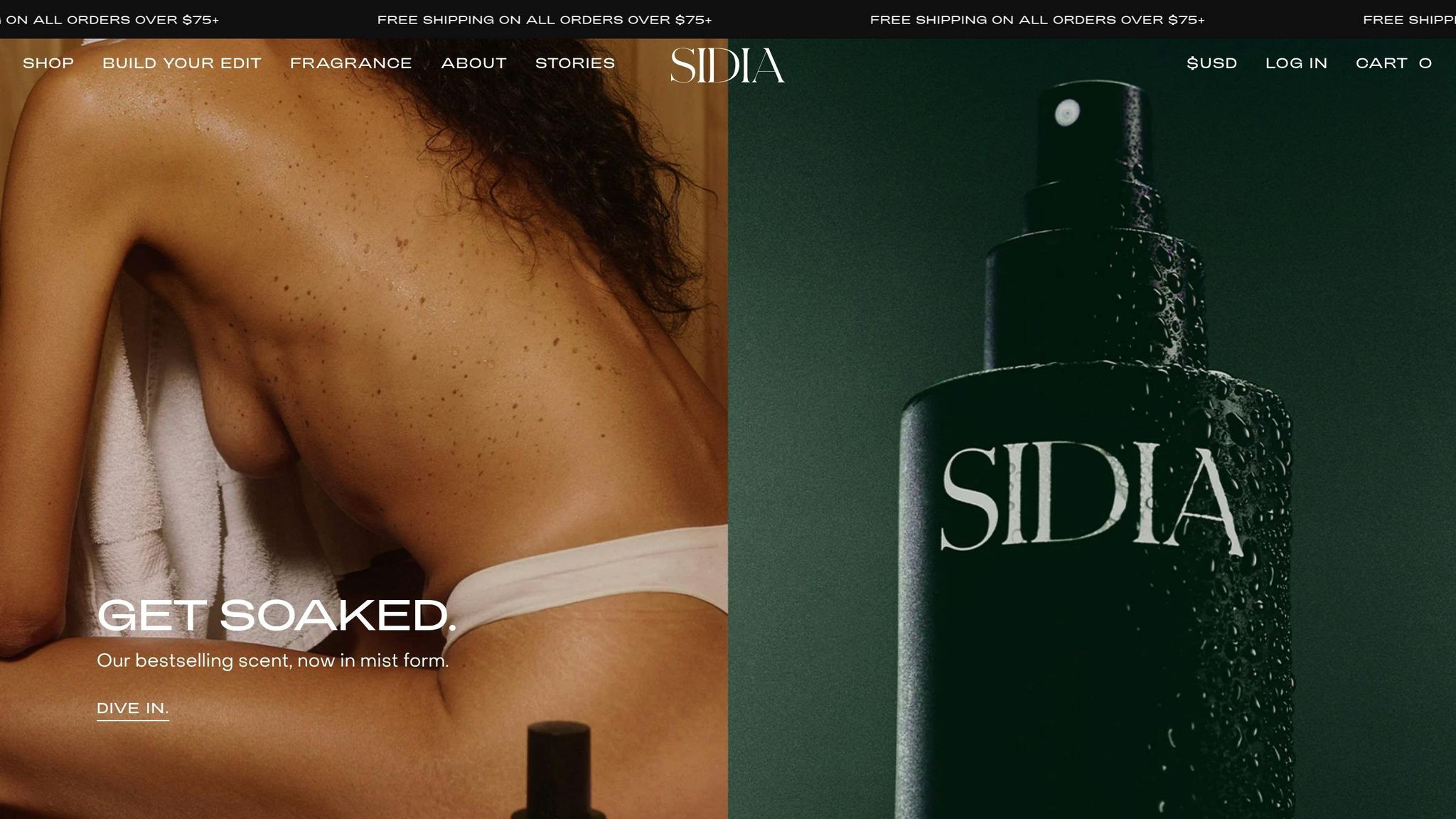
Erin Kleinberg se valió de Instagram para posicionar SIDIA como una firma consagrada al bienestar y al estilo de vida. Mediante una cuidada dirección visual, mostró cómo sus fragancias enriquecen el bienestar emocional y se entrelazan de manera natural con los rituales cotidianos. En lugar de apostar por la publicidad convencional, Kleinberg se decantó por la narrativa, creando publicaciones que transmitían los valores de SIDIA y cómo sus esencias embellecen la vida diaria. Esta perspectiva forjó un sólido vínculo con su comunidad, acreditando que el relato estético puede resultar tan persuasivo como una campaña centrada meramente en el producto. Por su parte, Veronique Spoturno propone una mirada diferente, entrelazando la nostalgia con el diálogo constante con su audiencia.
Veronique Spoturno: la nostalgia como puente hacia el consumidor contemporáneo
Veronique Spoturno trazó un camino singular al rescatar evocaciones del pasado, nutriéndose del poder emocional de la memoria. Hizo suya la «anemoia» —el anhelo nostálgico por un tiempo jamás vivido en persona— para transformarla en la piedra angular de su marca. Lejos de presentarse como una figura inalcanzable, Spoturno entabló una conversación cercana con su público, concibiendo la creación del perfume como una experiencia compartida. Este enfoque, cimentado en la autenticidad y la cercanía, demostró el poder de la memoria viva unida a un diálogo sincero para seducir a los amantes de la alta perfumería actual.
sbb-itb-fb213bc
Cómo influyen las redes sociales en las tendencias olfativas y en las elecciones de compra
Las redes sociales han remodelado por completo la forma de explorar y adquirir perfumes. La noción tradicional de limitarse a una sola fragancia firma va perdiendo fuerza en favor de un armario de fragancias adaptado al estado de ánimo. Hoy en día, el 73 % de los consumidores de la Generación Z utiliza perfume al menos tres veces por semana, eligiendo con frecuencia su aroma en función de cómo se siente en cada momento.
Plataformas como TikTok e Instagram vertebran este cambio. En la Generación Z estadounidense, TikTok influye en el 66 % de las adquisiciones olfativas, mientras que Instagram le sigue muy de cerca con un 64 %. Las valoraciones virales en estas aplicaciones han generado crecimientos exponenciales en ventas e interminables listas de espera para determinadas creaciones. Estos fenómenos no solo disparan la demanda comercial, sino que además consagran nuevas familias olfativas de forma prácticamente inmediata. Los nuevos perfumistas se apoyan en esta agilidad para innovar sin dilación, amoldándose directamente a las impresiones del público. Es una nueva era donde el entorno digital marca la pauta de las tendencias olfativas.
Tendencias en auge: notas espirituosas de gourmand y acordes inspirados en el té
Los perfiles olfativos con carácter propio viven un momento de esplendor gracias a la visibilidad digital. Las notas de fondo licorosas y gourmand —con acordes de whisky, ron, coñac y amaretto— ganan terreno ante la búsqueda de alternativas refinadas a los perfumes excesivamente dulces. Paralelamente, las creaciones inspiradas en el té viven su época dorada. El interés por las fragancias centradas en el té matcha creció un 241,1% a principios de 2025 en comparación con el año anterior. Las búsquedas de perfumes de matcha y de sandía también experimentaron notables incrementos, subiendo un 127 % y un 120 %, respectivamente, entre noviembre de 2023 y octubre de 2024.
La creadora de contenido Emma B de Perfumerism sintetizó con acierto esta evolución:
«Muchos de mis seguidores me han transmitido cierta fatiga del gourmand clásico. Continúa siendo inmensamente popular, pero percibo que el público busca ya el siguiente paso evolutivo en esta categoría».
Esta predilección pone de manifiesto el creciente interés por matices olfativos más sutiles, evolucionando desde acordes densos y azucarados hacia registros limpios, frescos o terrosos.
Las redes también están transformando los hábitos masculinos en el cuidado olfativo. El fenómeno del «smellmaxxing» —en el que adolescentes y jóvenes comparten pautas para elegir esencias frescas o almizcladas— ha impulsado un incremento del 44 % en el gasto anual en perfumería entre los chicos jóvenes. Su inversión media aumentó de $75 en 2023 a $110 en 2024. Este comportamiento forma parte de un panorama más amplio, en el que se prevé que el mercado internacional de las fragancias alcance los $106 mil millones para 2028.
Guiar el desarrollo del producto mediante los datos de interacción
Los perfumistas se valen cada vez más de las métricas de interacción para perfeccionar sus creaciones. Las opiniones en tiempo real les permiten sintonizar con los gustos y tendencias del público. Por ejemplo, cuando la firma Clue Perfumery, con sede en Chicago, lanzó «With the Candlestick» —un aroma inspirado en la cera fundida y la Primera Comunión—, la creación se volvió viral a raíz de un mensaje de la divulgadora olfativa Audrey Robinovitz en 2024. El perfume agotó existencias en la tienda oficial de la marca y en la selecta boutique Luckyscent durante un largo periodo.
Más allá de los fenómenos virales, los creadores prestan minuciosa atención a foros especializados como Fragrantica y Reddit. Estos entornos concentran valoraciones pormenorizadas y evocadoras que brindan revelaciones que los paneles de estudio tradicionales pasarían por alto. Dichos testimonios han revelado un interés creciente por notas insólitas —como el polvo, la cera derretida o los acordes industriales— que rara vez emergen en las investigaciones de mercado al uso.
Los registros de interacción actúan asimismo como un compromiso de transparencia. Los perfumistas leen atentamente los comentarios para despejar dudas sobre el origen y la sostenibilidad de las materias primas, ajustando sus formulaciones en consonancia. Es evidente que las redes sociales no solo marcan tendencias, sino que brindan a los aficionados el poder de modelar el porvenir de la perfumería de un modo impensable hace apenas unos años.
Conclusión
Las redes sociales han revolucionado el modo en que los nuevos perfumistas consolidan sus firmas e interactúan con su público. El sector ha dejado atrás los cánones publicitarios distantes para abrazar la narrativa emocional y la expresión personal sin artificios. Esta transformación ha brindado un escenario a talentos emergentes que en el pasado habrían quedado relegados por la estructura tradicional. El éxito radica hoy en concebir las plataformas como un diálogo bidireccional, donde la sinceridad y la transparencia tejen vínculos mucho más duraderos que los que jamás pudo ofrecer la inalcanzable imagen aspiracional de antaño.
Las experiencias expuestas demuestran el valor de concebir estrategias exclusivas para cada canal. Quienes dominan los vídeos breves en TikTok, diseñan paneles de inspiración cautivadores en Instagram y participan en comunidades apasionadas como Fragrantica lideran el nuevo rumbo del universo olfativo.
Lo que distingue a los creadores más brillantes de la actualidad es su destreza para escuchar y evolucionar con rapidez. Al analizar las interacciones y reaccionar a las corrientes del momento, logran innovar con una agilidad inimaginable para los métodos tradicionales. El consumidor contemporáneo busca versatilidad y franqueza por encima de formalismos, y la perfumería ha transitado de imponer una única «fragancia firma» a responder a las múltiples facetas y estados de ánimo de quienes la eligen.
Para los nuevos perfumistas, el acceso al sector es más accesible que nunca, si bien la exigencia de autenticidad alcanza cotas inéditas. Quienes logren conjugar relatos personales cautivadores, conocimiento de los medios digitales y una relación genuina con su comunidad seguirán trazando el destino de la perfumería de autor. La conclusión es elocuente: autenticidad, dinamismo y maestría narrativa en los entornos digitales son hoy los verdaderos motores de la alta perfumería.
Preguntas frecuentes
¿Cómo utilizan las redes sociales los nuevos perfumistas para construir su audiencia?
Los perfumistas emergentes están encontrando formas innovadoras de conectar con los amantes de las fragancias aprovechando el poder de las redes sociales. Plataformas como TikTok e Instagram se han convertido en escenarios vibrantes donde los creadores comparten vídeos cortos cautivadores, retos inspirados en fragancias y anécdotas personales para dar vida a sus perfumes. Influencers como Funmi Monet y Emelia O’Toole (más conocida como "Professor Perfume") están liderando la iniciativa con contenido atractivo que ayuda al público a adentrarse en el mundo de las fragancias, incluso sin tener la oportunidad de olerlas en persona. La popularidad de hashtags como #PerfumeTok, que ha acumulado más de 1,7 billion views, pone de relieve el creciente impacto de estas comunidades en línea.
Las redes van más allá de exponer piezas terminadas: son una ventana abierta al taller creativo. Los artesanos independientes comparten los entresijos de su oficio, desde precisiones sobre la formulación hasta el análisis de ingredientes puros y fragmentos de su día a día, forjando una relación cómplice con sus seguidores. Otros convierten estos canales en pasarelas directas de venta. De la mano de iniciativas como Scento, los perfumistas ofrecen muestras exclusivas desde 2 ml hasta un decant en frasco de 30 ml, permitiendo a los amantes del perfume catar cada creación antes de adquirir el frasco completo. Esta apuesta por el descubrimiento previo encaja a la perfección con la mentalidad del comprador digital, haciendo que adentrarse en nuevos aromas sea una experiencia cercana y sin riesgos.
¿Cómo contribuyen los creadores de contenido al éxito de las nuevas firmas de perfumes?
Los creadores de contenido actúan como un valioso puente entre las firmas de perfumes emergentes y unos consumidores curiosos, deseosos de descubrir propuestas singulares. Plataformas como TikTok e Instagram brindan a estos prescriptores el espacio perfecto para presentar aperturas de frascos, primeras impresiones y sus selecciones diarias, dando a conocer casas de autor ante amplias audiencias. Este eco se traduce habitualmente en aumentos inmediatos de pedidos y en una rápida consolidación del renombre de la firma.
A través de comunidades fieles, los creadores transmiten credibilidad e invitan a sus seguidores a experimentar con nuevas armonías, frecuentemente mediante muestras. Sus impresiones aportan asimismo un criterio valioso para las firmas independientes, ayudándolas a afinar formulaciones y a orientar con precisión sus estrategias. Gracias a esta conjunción de alcance, cercanía y diálogo fluido, los prescriptores se han convertido en aliados indispensables para el despegue de la perfumería contemporánea.
¿De qué manera moldean las redes sociales las tendencias olfativas y guían las elecciones de compra?
Las redes sociales han transformado radicalmente la forma en que el público descubre y adquiere perfumes. TikTok e Instagram han convertido la prescripción olfativa en una experiencia visual sumamente atractiva. Vídeos de gran difusión y publicaciones sugerentes despiertan un enorme interés tanto por la alta perfumería tradicional como por creaciones de autor. Los divulgadores suelen recurrir a reseñas breves y llenas de sensibilidad que atrapan al espectador y le incitan a explorar nuevos horizontes aromáticos.
Comunidades en entornos como TikTok, Reddit y Discord avivan esta predisposición al alimentar una cultura de curiosidad constante. En ellas se intercambian viales, se desmenuzan pirámides olfativas y se determina colectivamente qué lanzamientos merecen la pena. Esta dinámica ha consagrado la costumbre de adquirir formatos de prueba —como viales de 2 ml, 5 ml y 8 ml, y un decant en frasco de 30 ml para la mayoría de los perfumes— antes de decidirse por el frasco definitivo. Estas presentaciones encajan con elegancia en la experiencia del descubrimiento digital, permitiendo explorar los aromas más comentados con absoluta libertad.

