Parfumurile contrafacute reprezinta un risc costisitor in Germania. Cand multe sticle pline costa intre 80 € si peste 300 €, nu vreau sa ma bazez doar pe o singura fotografie, un singur cod QR sau un singur batch code.
Iata varianta pe scurt: aceste 5 aplicatii ajuta la diferite verificari, dar niciuna nu poate confirma o sticla de una singura. Le-as folosi in aceasta ordine:
- Scanare foto AI pentru detaliile sticlei, cutiei, etichetei si capacului
- Scanare QR sau NFC pentru ambalaje sigilate cu etichete de securitate
- Cautare dupa batch code pentru a verifica daca data este plauzibila
- Inspectie fizica a sticlei, tiparului, pulverizatorului si nivelului de umplere
- Verificarea vanzatorului pentru o adresa din UE, factura si un pret care nu este absurd de mic
Cele 5 instrumente analizate sunt:
- Legit Perfume Check App - evaluarea sticlei pe baza imaginilor
- Authena Fragrances App - scanare etichete QR/NFC
- LotDate Batch Code Checker - cautarea datei de productie
- CheckFresh - verificarea datei dupa batch code
- HiddenTag / AuthNow - scanare foto AI si analiza a etichetelor
Peste 70% dintre confiscarile de parfumuri si produse cosmetice contrafacute sunt legate de canalele de vanzare online, asa ca as trata aplicatiile ca pe o etapa de triere, comparand apoi rezultatul cu sticla fizica si cu detaliile vanzatorului.
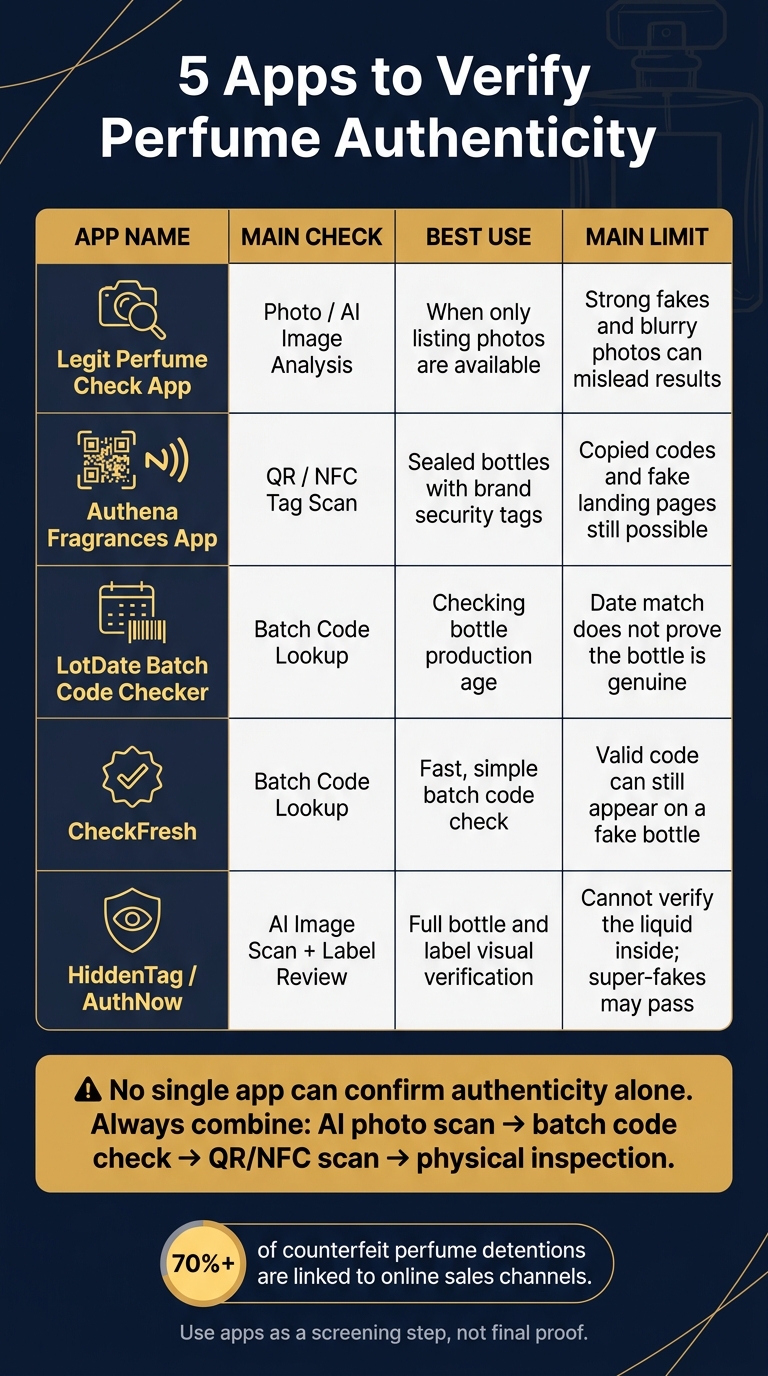
Cele mai bune 5 aplicatii pentru verificarea autenticitatii parfumurilor: Ghid rapid de comparatie
Quick Comparison
| Aplicatie | Verificare principala | Cea mai buna utilizare | Principala limitare |
|---|---|---|---|
| Legit Perfume Check App | Analiza foto | Cand am doar fotografiile din anunt | Falsurile reusite si imaginile slabe pot induce in eroare rezultatele |
| Authena Fragrances App | Scanare QR / NFC | Sticle sigilate cu etichete de la brand | Codurile copiate si paginile false inca exista |
| LotDate Batch Code Checker | Batch code | Verificarea vechimii sticlei | Potrivirea datei nu dovedeste ca sticla este autentica |
| CheckFresh | Batch code | Cautare simpla de cod | Un cod valid poate aparea si pe un fals |
| HiddenTag / AuthNow | Scanare de imagine | Analiza sticlei si a etichetei | Nu poate verifica lichidul din interior |
Daca doresc cea mai sigura cale, as testa mai intai parfumul cu un decant de 2 ml, 5 ml sau 8 ml, verificand apoi sticla intreaga inainte de a cheltui mai mult.
1. Legit Perfume Check App
Legit Perfume Check App (LegitApp) foloseste analiza foto AI combinata cu evaluarea facuta de experti. Acest lucru o face utila atunci cand un vanzator ofera doar fotografii si trebuie sa iei o decizie exclusiv pe baza acelor imagini. Functioneaza cel mai bine atunci cand fotografiile sunt clare, luminoase si bine focalizate.
Aplicatia compara detalii precum:
- forma sticlei
- textul si fontul de pe eticheta
- plasarea logo-ului
Ea verifica aceste elemente in raport cu o baza de date de sticle autentice.
LegitApp functioneaza pe un model freemium. Scanarile de baza sunt gratuite, in timp ce un certificat detaliat de autenticitate sau o evaluare completa din partea expertilor presupune un cost suplimentar. Este o alegere buna pentru cumparatorii de lux de pe piata secondhand si pentru colectionarii care pot incarca fotografii clare ale sticlei.
Exista totusi un aspect important. Falsurile de inalta calitate pot trece neobservate, iar fotografiile neclare sau slab luminate reduc fiabilitatea rezultatului. Asadar, priviti-o ca pe un prim filtru, nu ca pe o dovada definitiva. Urmatoarea aplicatie renunta la analiza imaginilor si se concentreaza pe verificarea dupa batch code.
2. Authena Fragrances App
Daca verificarile foto nu ofera un raspuns clar, verificarea etichetelor este de obicei urmatorul pas rapid. Authena scaneaza etichetele QR sau NFC intacte si confirma daca acestea redirectioneaza catre pagina oficiala de verificare a brandului. Acest lucru este deosebit de util pentru sticlele sigilate achizitionate online.
Daca scanarea deschide un domeniu necunoscut sau o adresa URL cu greseli de scriere, luati acest lucru ca pe un semnal de alarma.
Functioneaza cel mai bine atunci cand ambalajul este intact si nu a fost desfacut anterior.
Acestea fiind spuse, nu va opriti aici. Falsificatorii pot copia coduri QR sau pot crea pagini de destinatie false, asa ca o scanare reusita luata izolat nu dovedeste mare lucru. Un cod QR copiat poate functiona in continuare la scanare, motiv pentru care eticheta trebuie sa corespunda exact paginii reale de verificare. Priviti scanarea ca pe o prima verificare inainte de a trece la sectiunea de inspectie fizica.
3. LotDate Batch Code Checker
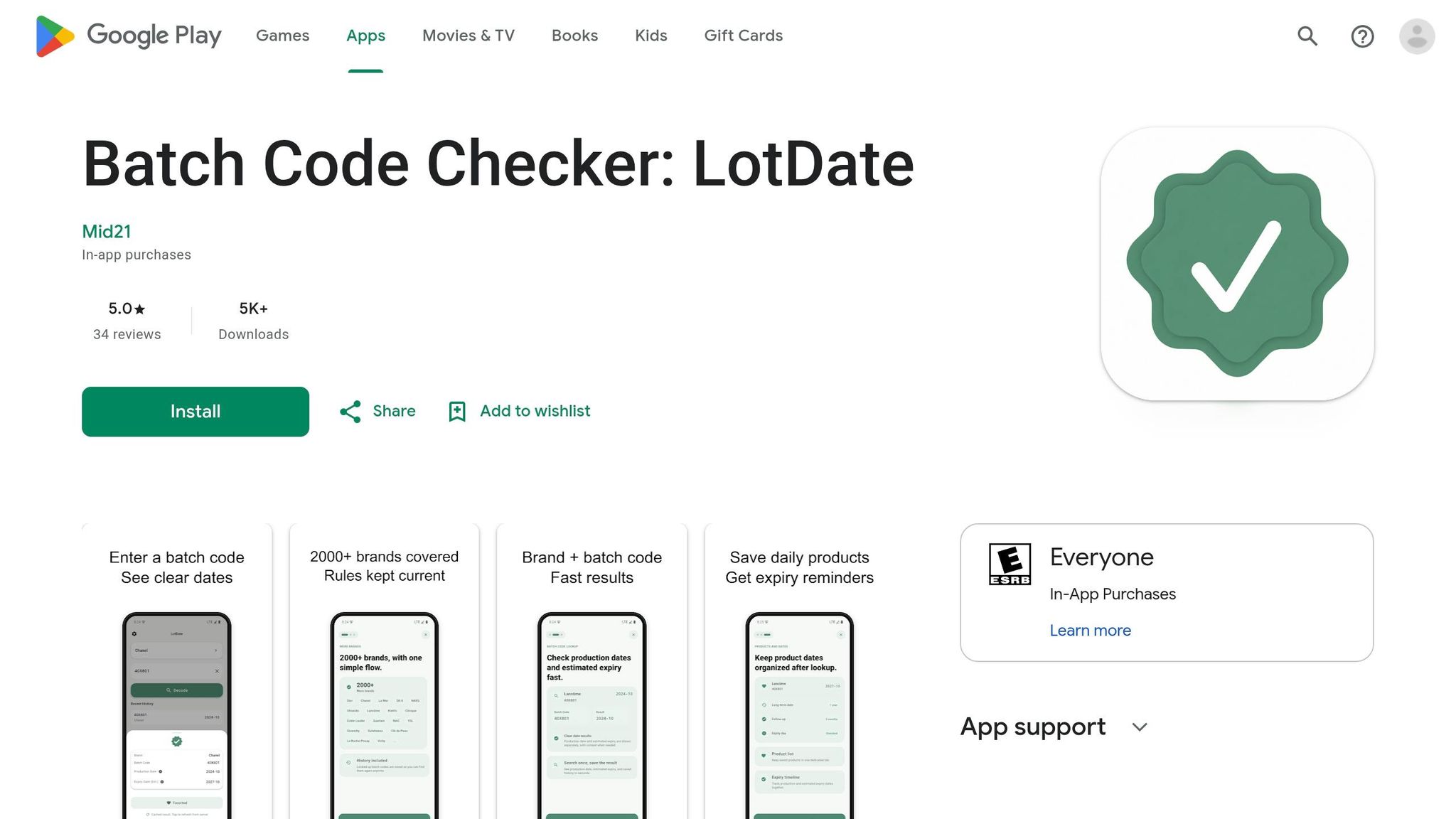
Daca verificarile foto sau cele ale etichetelor va lasa inca nesiguri, cautarea dupa batch code este o modalitate rapida de a afla vechimea sticlei. LotDate va permite sa introduceti codul imprimat sau stantat pe sticla sau cutie, aratand apoi cand a fost produs parfumul si daca este cel mai probabil inca in termen. Instrumentul acopera intre 500 si peste 1.000 de branduri de parfumuri.
Totusi, LotDate verifica vechimea, nu autenticitatea. Un batch code valid va poate spune cand a fost fabricata o sticla, dar nu poate confirma ce se afla in interior. Sticlele contrafacute pot purta adesea coduri foarte convingatoare, asa ca un rezultat plauzibil nu inseamna o garantie absoluta. Ajuta la reducerea riscului, dar nu dovedeste autenticitatea.
LotDate este un instrument gratuit, sustinut prin reclame. Cel mai bun mod de a-l folosi? Tratati-l ca pe o prima etapa de filtrare, apoi comparati sticla, cutia si datele vanzatorului inainte de a cumpara.
Expertul tău personal în parfumuri te așteaptă
Completează testul nostru rapid de parfumuri și descoperă parfumuri designer și de nișă autentice, alese pe gustul tău – explorează-le ca decanturi și mostre de 2, 5, 8 și 30 ml, ca să le poți încerca pe fiecare înainte de a alege un flacon întreg.
Descoperă-ți parfumul4. CheckFresh
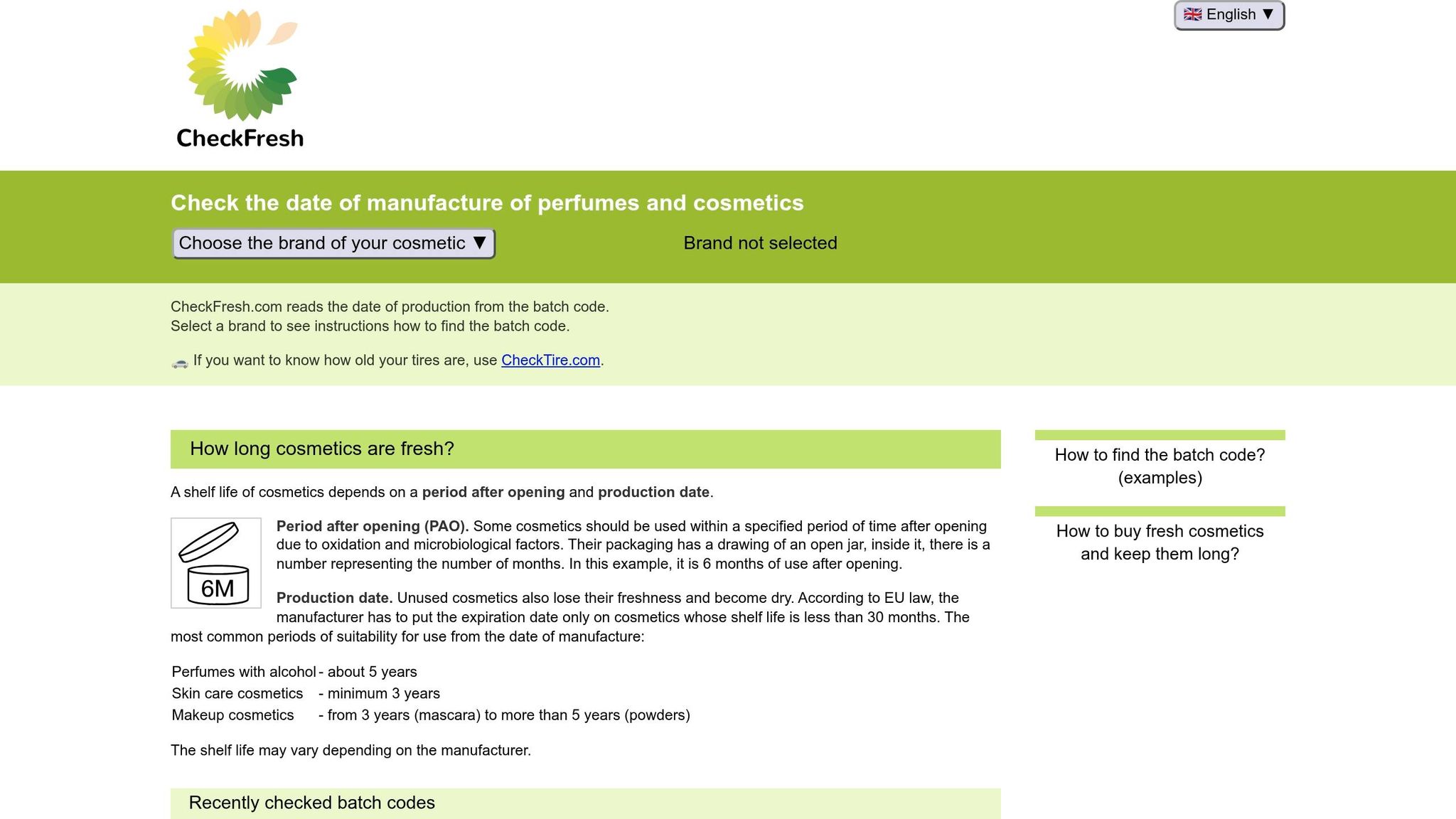
Daca doriti aceeasi metoda pe baza de batch code intr-o interfata mai simpla, CheckFresh este urmatoarea oprire. Aplicatia citeste codul de lot imprimat pe sticla sau cutie - de exemplu, "1L01" - si afiseaza data productiei. Baza sa de date acopera intre 500 si peste 1.000 de marci de parfumuri si cosmetice, fiind excelenta ca pas preliminar pentru multi pasionati de parfumuri.
Iata aspectul esential: aplicatia verifica doar daca acel cod pare plauzibil. Nu va spune daca sticla este autentica.
Acest lucru conteaza deoarece falsificatorii pot copia coduri valide pentru a le aplica pe sticle contrafacute. Chiar daca CheckFresh returneaza un rezultat pozitiv, acesta arata doar ca respectivul cod exista in sistem.
Este ideala pentru cumparatorii care doresc o verificare rapida a codului inainte de a examina sticla mai atent. Totusi, unele case de nisa mici ar putea sa nu apara in baza de date. Iar daca observati un cod aplicat pe un autocolant, un capac prea usor sau instabil, ori o sticla care pare neobisnuit de usoara in mana, acordati prioritate acestor indicii in fata oricarui rezultat pozitiv din aplicatie.
5. HiddenTag / AuthNow
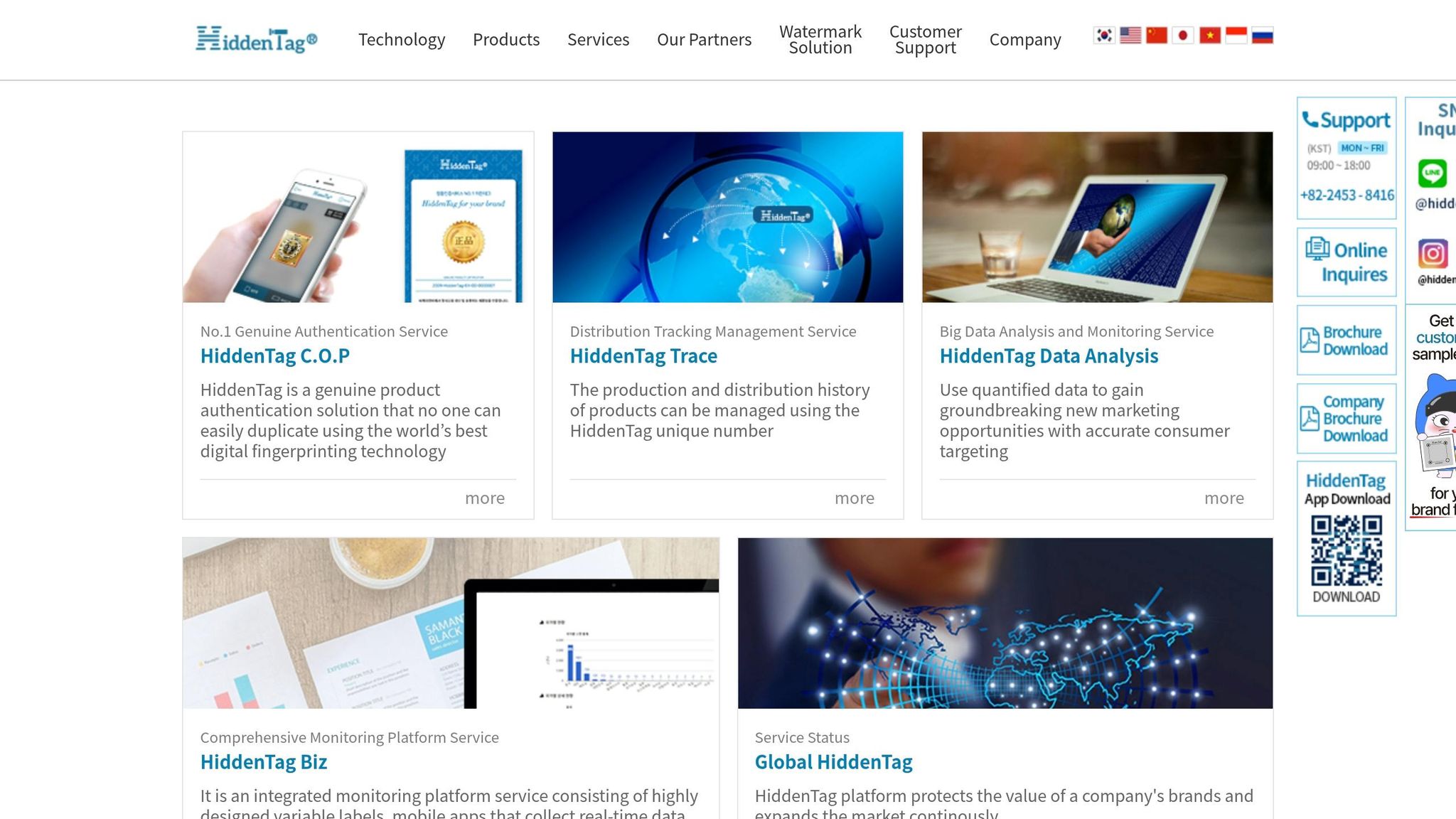
Daca rezultatele oferite de batch code nu sunt suficiente, urmatorul pas este verificarea vizuala. HiddenTag si AuthNow utilizeaza scanari de imagini bazate pe AI pentru a inspecta sticla si eticheta, comparand apoi aceste detalii cu o baza de date ce contine markeri autentici cunoscuti, cum ar fi tipografia specifica si geometria sticlei. Scanarile de baza sunt de obicei gratuite, in timp ce certificatele detaliate de autenticitate presupun un cost suplimentar. Aceste aplicatii sunt ideale pentru cumparatorii care doresc o verificare vizuala completa a sticlei.
Dupa scanare, verificati bara de adrese a browserului. Un rezultat valid ar trebui sa deschida domeniul oficial al brandului. Orice altceva reprezinta un semnal de alarma. Acest lucru face scanarea utila, dar nu decisiva.
Punctul vulnerabil il reprezinta falsurile de inalta clasa. Ambalajele executate impecabil pot trece de scanari, iar aceste aplicatii nu pot verifica parfumul lichid din interior.
Priviti un rezultat pozitiv ca pe un indiciu printre multe altele, nu ca pe o dovada certa. Folositi-l ca pe un filtru preliminar, verificand apoi detaliile fizice ale sticlei.
Cum pot cumparatorii din Germania sa combine verificarile din aplicatii cu inspectia fizica
Nicio aplicatie nu poate dovedi singura ca un parfum este original. Cea mai sigura abordare este utilizarea succesiva a patru verificari: scanare foto, batch code, scanarea etichetelor si inspectia fizica. Priviti aplicatia ca pe un prim filtru, nu ca pe verdictul final. Ceea ce conteaza este daca rezultatul digital se potriveste perfect cu ceea ce puteti vedea si atinge.
Incepeti cu o scanare foto AI. Faceti fotografii clare ale partii din fata si din spate a cutiei, ale sticlei din fata, capacului, zonei atomizorului si bazei. Folositi o lumina indirecta puternica. Nu folositi blitzul si evitati reflexiile. Aplicatia va compara detalii precum tipografia, spatierea, forma sticlei, alinierea etichetei si modul de fixare a capacului cu mostre autentice de referinta. Daca aplicatia semnaleaza ceva suspect, nu va opriti aici. Luati-o ca pe un indemn de a privi mult mai atent.
Urmatorul pas: cititi codul de lot. Codul de pe cutie si cel de pe sticla trebuie sa fie identice. Apoi verificati-l cu un batch code checker. Daca nu exista potrivire, nu apare niciun rezultat sau data pare mult prea veche pentru o lansare recenta, aveti in fata un semnal clar de alarma. Acelasi lucru este valabil daca acelasi cod apare repetat in anunturi diferite. Daca totul pare plauzibil, treceti la scanarea etichetei.
Scanati apoi orice cod QR sau eticheta NFC. O scanare autentica ar trebui sa redirectioneze catre o pagina securizata a brandului sau catre aplicatia oficiala de verificare a acestuia. Fiti atenti la redirectionari suspecte, pagini care nu folosesc HTTPS sau texte de verificare vagi. Daca scanarea este in regula, inspectati apoi ambalajul si etichetele.
In final, inspectati produsul fizic. Cautati volumul indicat atat pe cutie, cat si pe baza sticlei si asigurati-va ca apare identic in ambele locuri. Verificati detaliile etichetei conform normelor UE, numarul de lot si simbolurile de siguranta clare. Sticla trebuie sa fie neteda la atingere. Atomizorul ar trebui sa pulverizeze uniform. Capacul trebuie sa se inchida ferm, fara joc. Daca scrisul pare sters, etichetele sunt strambe sau nivelul lichidului pare prea scazut, renuntati la achizitie.
Analizati apoi vanzatorul si pretul. O lansare recenta de designer la un pret cu 70–80% sub pretul de retail din Germania ar trebui sa va dea de gandit. Verificati sectiunea de Impressum a vanzatorului pentru a confirma existenta unei adrese din Germania sau UE si a codului de TVA. De asemenea, este intotdeauna mai sigur sa cumparati de la vanzatori care expediaza din interiorul Uniunii Europene.
Cum se integreaza autentificarea intr-o rutina cu riscuri minime pentru pasionatii de parfumuri
Autentificarea prin aplicatii raspunde la o singura intrebare: este aceasta sticla autentica? Dar nu raspunde la cealalta intrebare la fel de importanta: este acest parfum potrivit pentru mine? O abordare cu riscuri minime le include pe ambele. De aceea, testarea mirosului este urmatorul pas esential de stapanit.
Parfumurile de designer si de nisa costa adesea intre 80 € si peste 300 €. Odata desigilate, retururile sunt foarte rar acceptate, asa ca o achizitie pe nevazute (blind buy) se poate transforma intr-o pierdere definitiva daca aroma nu va place.
Un decant de 2 ml permite aproximativ 3–5 purtari, unul de 5 ml ofera cam 10–15 purtari, iar o cantitate de 8 ml dureaza de obicei in jur de 3–4 saptamani. Acest lucru va ofera suficient timp pentru a observa evolutia parfumului pe parcursul unei zile intregi, de la notele de varf pana la uscarea completa (drydown), persistenta pe piele si modul in care se integreaza in viata de zi cu zi.
Ordinea pasilor este esentiala. Mai intai, testati parfumul dintr-un decant. Daca trece testul purtarii, verificati sticla mare inainte de a finaliza comanda. Decantul va confirma daca va place aroma. Aplicatia va confirma daca sticla este autentica. Niciuna nu poate inlocui rolul celeilalte.
Concluzie
Luate impreuna, aceste aplicatii ajuta la verificarile principale: ambalaj, date de lot si etichete de securitate. Fiecare indeplineste un rol diferit, fie ca este vorba de analiza vizuala, verificarea etichetelor, cautarea dupa batch code sau autentificarea etichetelor de securitate. Cea mai buna alegere depinde de elementele pe care vi le ofera sticla: fotografii, coduri sau etichete inteligente.
Totusi, nicio aplicatie individuala nu poate elimina toate riscurile. Adaptati instrumentul la caracteristicile de securitate ale sticlei, apoi completati procesul cu o inspectie fizica si o analiza atenta a profilului vanzatorului.
Cea mai sigura rutina foloseste toate cele trei etape: verificarea digitala cu cel putin o aplicatie potrivita elementelor de securitate ale sticlei, inspectarea fizica a produsului (calitatea tiparului, alinierea codului de lot pe cutie si sticla, greutatea sticlei si sertizarea atomizorului) si achizitia de la vanzatori de incredere din UE, care ofera factura si politici clare de retur. Fiti circumspecti fata de preturile situate mult sub nivelul normal de retail din Germania pentru acelasi parfum, cu exceptia cazului in care exista o explicatie clara pentru sursa acestuia.
Verificati mai intai si cumparati abia dupa aceea. Daca doriti sa incercati aroma inainte de a investi intr-o sticla intreaga, incepeti cu o cantitate mica, alegand un decant de 2 ml, 5 ml sau 8 ml.
Intrebari frecvente
Poate o aplicatie sa demonstreze pe deplin ca un parfum este autentic?
Nu. Nicio aplicatie individuala nu poate dovedi cu certitudine absoluta ca un parfum este original.
Instrumentele precum cititoarele de batch code pot fi de ajutor, dar nu sunt infailibile. Falsificatorii pot clona coduri reale, iar bazele de date terte pot fi invechite sau incomplete. Cel mai sigur mod de verificare presupune analizarea mai multor factori impreuna: codurile de lot, calitatea ambalajului, siajul si modul in care parfumul evolueaza in timp, alaturi de reputatia locului de unde a fost achizitionat.
Ce verificare ar trebui sa fac mai intai inainte de a cumpara?
Incepeti prin a verifica formatul obisnuit al codului de lot folosit de brand si locul in care acesta ar trebui sa fie amplasat. Apoi documentati-va despre reputatia si istoricul vanzatorului.
Daca aveti ocazia sa inspectati produsul, sau chiar doar sa analizati fotografii clare ale acestuia, asigurati-va ca batch code-ul de pe sticla este identic cu cel de pe cutie. Codurile lipsa sau cele care nu corespund sunt semne clare ale produselor contrafacute.
In cazul achizitiilor costisitoare, cea mai sigura alegere este testarea prealabila a parfumului cu ajutorul unui decant inainte de a investi suma completa.
Ce semnale de alarma conteaza mai mult decat un rezultat pozitiv in aplicatie?
Un rezultat pozitiv intr-o aplicatie sau la verificarea codului de lot nu garanteaza autenticitatea. Falsificatorii pot copia coduri valide, asa ca aceasta verificare luata singura nu dovedeste mare lucru.
Mult mai importante sunt semnele suspecte legate de produsul in sine. Fiti atenti la un pret neobisnuit de scazut, la un ambalaj de calitate slaba, la defecte pe sticla sau la un capac care nu se fixeaza corect. De asemenea, parfumul in sine poate dezvalui adevarul. Daca are un miros plat, excesiv de chimic sau se evapora complet in 1–2 ore, este un semnal clar de alarma.
De asemenea, este util sa verificati vanzatorul, nu doar parfumul. Un magazin de incredere ar trebui sa aiba intotdeauna:
- politici clare de retur
- informatii profesionale si complete de contact
Daca aceste elemente de baza lipsesc, acesta este adesea un semnal de alarma suficient de puternic.

