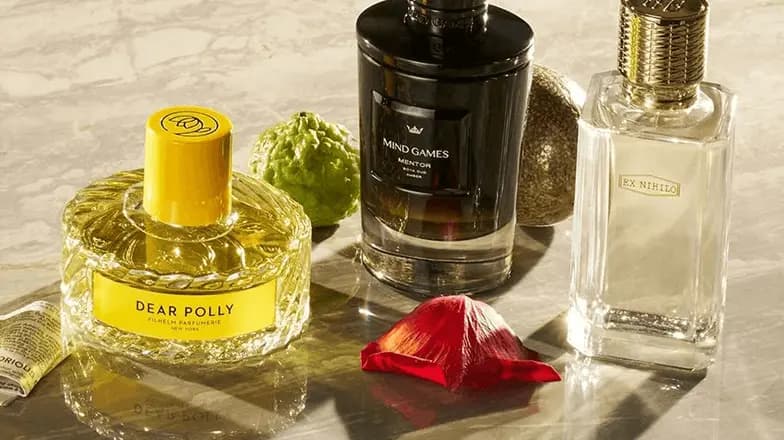
A niche parfümök forradalmasítják a luxusillat-piacot azáltal, hogy az egyediséget, a ritka összetevőket és a kis szériás gyártást helyezik előtérbe a tömegpiaci vonzerővel szemben. Míg a designer parfümök uralják az áruházakat, a niche illatok azoknak szólnak, akik egyedi, magas minőségű és személyes illatélményre vágynak. Íme, mi különbözteti meg őket:
- Prémium összetevők: A niche márkák ritka és exkluzív alapanyagokat, például oudot és íriszt használnak, amelyek túl költségesek lennének nagyüzemi gyártásra. Ezek a parfümök magasabb olajtartalommal (15–30%) készülnek, így 8–24 órás tartósságot kínálnak.
- Személyre szabhatóság: Limitált szériák és egyedi megrendelések teszik a niche illatokat igazán exkluzívvá, egyes személyre szabott alkotások ára akár 21 000 euró is lehet.
- Fenntarthatóság: Számos niche márka alkalmaz környezetbarát megoldásokat, például újratölthető üvegeket és regeneratív gazdálkodást, összhangban a vásárlók növekvő környezettudatosságával.
- Felfedezési lehetőségek: Mintaméretek (0,75 ml-től 8 ml-ig) elérhetővé teszik a niche illatok kipróbálását anélkül, hogy egy teljes üvegbe kellene beruházni, így megoldva a magas belépési költségek problémáját.
A tömegpiaci luxusparfümök ugyan elérhetőbbek és megfizethetőbbek (általában 150 euró alatt), de a széles körű vonzerőre fókuszálnak, szintetikus és természetes összetevők keverékével, rövidebb tartóssággal (4–6 óra). Ezek a márkák erősen támaszkodnak a hírességek támogatására és a széles körű elérhetőségre, ám hiányzik belőlük a niche parfümök exkluzivitása és művésziessége.
A niche parfümök ma már a piac 10–12%-át teszik ki, és évente 13%-os növekedést mutatnak – jóval megelőzve a szélesebb piac 3–5%-os bővülését. Ez a változás a minőség, az egyediség és a fenntarthatóság iránti növekvő igényt tükrözi a luxusillatok világában.
1. Niche illatok
Összetevők minősége
A niche parfümházak sokkal kisebb léptékben működnek, mint a tömegpiaci márkák, ami közvetlenül befolyásolja az általuk választott alapanyagokat. Az, hogy egy adagból csak néhány száz üveget készítenek, lehetővé teszi számukra, hogy olyan ritka és prémium összetevőket szerezzenek be, amelyeket a nagy gyártók egyszerűen nem engedhetnek meg maguknak.
A magas minőségű alapanyagokba való befektetés nem kis teljesítmény. A boutique alkotók gyakran akár 630 dollárt is fizetnek kilogrammonként a ritka természetes összetevőkért, hogy fenntartsák a színvonalat. Ahogy Karine Lebret, a L’Oréal globális illattudományi és parfümtervezési alelnöke fogalmaz:
„Amikor egy vásárló 420 dollárt fizet egy narancsvirágos parfümért, érdekünkben áll a legjobb minőségű narancsvirágot használni, magas koncentrációban.”
Személyre szabhatóság és exkluzivitás
A niche illatok lényege az egyediség – a vágy, hogy kitörjünk a mainstreamből, és valami különlegeset válasszunk. Ez nem csupán egy ügyes marketingfogás. Például 2025 első negyedévében az ománi Amouage parfümház 100 millió dolláros kiskereskedelmi forgalmat jelentett – 48%-os növekedéssel – köszönhetően az „Exceptional Extraits” kollekció és a butikok sikerének.
„A niche parfüm egyedülállóan személyes önkifejezést kínál.” – Svein Haakon Lia, kreatív igazgató, Son Venïn
Az exkluzivitás a niche márkák egyik alappillére, amelyet szelektív forgalmazással érnek el, például luxusszállodákban vagy Párizs „Arany Háromszögében”, nem pedig áruházakban. Sok márka elhagyja a hagyományos, nemekhez kötött marketinget, és inkább az illat karakterére és személyiségére összpontosít. Azok számára, akik a legmagasabb szintű személyre szabást keresik, egyedi szolgáltatások is elérhetők, akár 21 000 dolláros áron egy kétliteres, személyre szabott alkotásért.
A személyre szabott élményeken túl a niche márkák egyre nagyobb hangsúlyt fektetnek az etikus és fenntartható gyakorlatokra is.
Fenntarthatóság
A fenntarthatóság a luxusparfümök világának meghatározó elvévé vált, tükrözve a niche márkák elkötelezettségét az etikus működés iránt. Egyre több fogyasztó veszi figyelembe a fenntarthatóságot vásárlási döntései során – 73% utánanéz a márka környezeti gyakorlatainak, és 58% hajlandó 10–25%-kal többet fizetni a fenntartható termékekért.
Ez az elkötelezettség túlmutat a káros vegyi anyagok elkerülésén. Sok niche márka már regeneratív mezőgazdasági technikákat alkalmaz, amelyek 40–100%-kal növelhetik a beporzók számát, és évente hektáronként 2–5 tonna extra szén-dioxidot kötnek meg. A szuperkritikus CO₂ extrakciós módszerek 30–50%-kal kevesebb energiát igényelnek, mint a hagyományos gőzdesztilláció, és 98%-os hatékonyságot érnek el. Emellett az újratölthető üvegrendszerek – amelyek várhatóan 2026-ra lesznek általánosak – akár 70%-kal csökkenthetik a csomagolási hulladékot, és 82%-kal mérsékelhetik az üveggyártásból származó üvegházhatású gázkibocsátást.
Felfedezési lehetőségek
Bár a niche illatok gyakran prémium árcédulával rendelkeznek, a kíváncsi vásárlók számára léteznek megfizethető módok ezek kipróbálására anélkül, hogy egy teljes üvegbe kellene beruházni. A belépő szintű üvegek magas ára – például a Parfums de Marly 250 dolláros kezdőára – sokak számára akadályt jelentett. Hogyan találhatja meg valaki a tökéletes illatot jelentős kockázat nélkül?
A kisebb kiszerelések praktikus megoldást kínálnak. A 0,75 ml-től 8 ml-ig terjedő mintaméretek lehetővé teszik az illatok kipróbálását anélkül, hogy egy teljes üveg árát kellene kifizetni. Egy 8 ml-es fiola, amely körülbelül 120 fújást tartalmaz, elegendő ahhoz, hogy heteken át tesztelje az illatot, és eldöntse, megfelel-e az egyéni ízlésének. Ezek a kisebb méretek nemcsak elérhetőbbé teszik a niche illatokat, hanem a parfümipar hulladékproblémáira is választ adnak – így a vásárlók átgondolt módon fedezhetik fel a magas minőségű illatokat.
2. Tömegpiaci luxusparfümök
Összetevők minősége
Olyan márkák, mint a Dior, Chanel, YSL és Armani uralják a tömegpiaci luxusillatokat, szintetikus és természetes összetevők keverékével. Ezek az illatok általában 5–15% parfümolajat tartalmaznak, így egyensúlyt teremtenek a teljesítmény és a megfizethetőség között. Ez a koncentráció biztosítja, hogy a legtöbb designer illat 4–6 órán át tart a bőrön, megbízható minőséget kínálva nagy mennyiségben is.
Azonban a kifinomultabb, kézműves alkotások iránti növekvő kereslet miatt sok luxusmárka exkluzív kollekciókat is bevezetett. A Chanel Les Exclusifs és az Armani Privé kollekciói magasabb koncentrációval és ritka természetes összetevőkkel készülnek, ezzel emelve státuszukat – és áraikat is, amelyek gyakran 160 és 300 dollár fölé emelkednek.
Személyre szabhatóság és exkluzivitás
A tömegpiaci illatok célja, hogy a lehető legszélesebb közönséget szólítsák meg. Formuláik ismerős, univerzálisan tetszetős illatprofilokra épülnek, amelyeket agresszív marketingkampányok támogatnak, gyakran hírességek közreműködésével. Ez a megközelítés széles körű ismertséget biztosít, ugyanakkor kevésbé teszi ezeket az illatokat egyedivé. Míg a niche márkák egyedi, személyes történeteket mesélnek el, a tömegpiaci kínálat inkább a széles elérésre és a kereskedelmi sikerre fókuszál az egyediség helyett.
Ez a hozzáférhetőség azonban az exkluzivitás rovására megy. A designer illatok széles körben elérhetők áruházakban és online, így kényelmesek, de nem különösebben ritkák vagy személyesek. Itt a hangsúly a széles körű vonzerőn van, nem pedig a személyre szabott, intim történetmesélésen, amit a niche márkák gyakran kínálnak.
Felfedezési lehetőségek
A tömegpiaci illatok kipróbálása rendkívül egyszerű. Az áruházak és online platformok lehetővé teszik, hogy egy látogatás során több illatot is kipróbáljunk, amit kiterjedt reklámkampányok támogatnak. Ezek a kampányok erősen támaszkodnak a hírességek támogatására, figyelemfelkeltő vizuális elemekre és erős márkaimázsra.
Ezzel szemben a niche márkák organikusabb utat járnak be: hírnevüket szájhagyomány, közösségi aktivitás és lebilincselő történetmesélés révén építik. Míg a mainstream luxusparfümök kényelmet és ismerősséget kínálnak, hiányzik belőlük a személyre szabott tanácsadás és az a magával ragadó élmény, amit a specializált illatbutikok nyújtanak. Ez a különbség világosan megmutatja a hozzáférhetőség és a kurált, személyes utazás közötti szakadékot, amely a niche kínálat sajátja.
Az igazság, amit senki sem mond el! Mi a valódi különbség a designer és a niche parfümök között? 💎🌹
Személyes illatszakértője már várja
Töltse ki rövid illatkvízünket, és fedezzen fel hiteles designer és niche parfümöket, amelyek az ízléséhez illenek – próbálja ki őket 2–8ml-es dekantokban és mintákban, hogy mindegyiket kipróbálhassa, mielőtt teljes flakon mellett dönt.
Találja meg illatátElőnyök és hátrányok
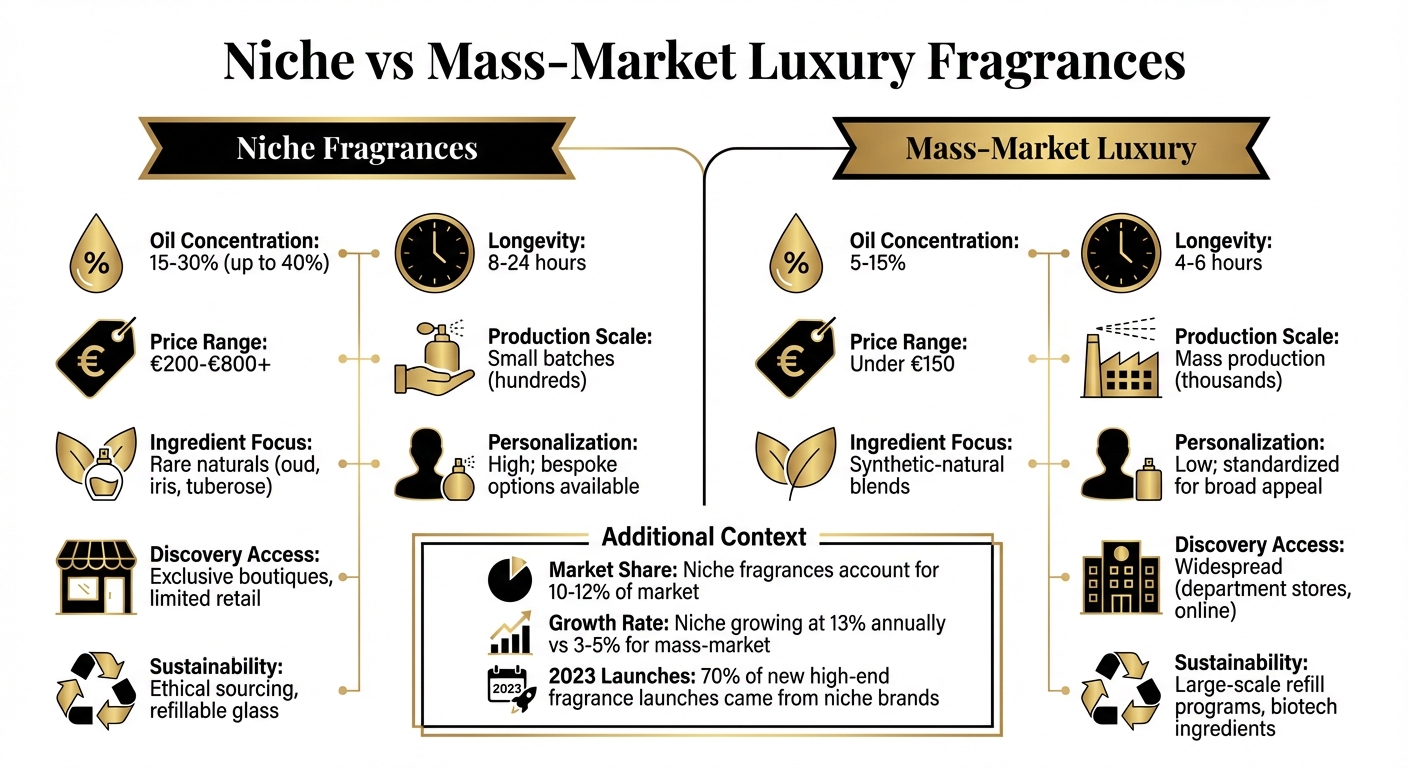
Niche vs tömegpiaci luxusparfümök: főbb különbségek összehasonlítása
A niche és a tömegpiaci luxusparfümök összehasonlításakor a minőség, a személyre szabhatóság és a fenntarthatóság terén mutatkozó eltérések igazán szembetűnőek – mindegyik kategória egyedi előnyöket és kihívásokat kínál.
Az összetevők minősége az egyik legfontosabb különbség. A niche illatok olajkoncentrációja gyakran 15–30% között mozog, néha akár 40%-ot is elér, és olyan ritka összetevőket tartalmaznak, mint az oud vagy az írisz abszolút. Ezzel szemben a tömegpiaci luxusparfümök általában 5–15%-os koncentrációval készülnek, szintetikus és természetes komponensek keverékével, hogy a nagyüzemi gyártás költségeit kordában tartsák. Ez közvetlenül befolyásolja a tartósságot: a niche illatok 8–24 órán át érezhetők a bőrön, míg a designer opciók általában 4–6 óra után elhalványulnak.
A személyre szabhatóság egy másik terület, ahol a niche illatok igazán ragyognak. A kisebb, kézműves házak gyakran limitált szériákat készítenek, sőt, egyedi igényekre szabott parfümöket is kínálnak. Ezzel szemben a tömegpiaci márkák a széles körű vonzerőt helyezik előtérbe, nagy mennyiségben gyártva illataikat.
A fenntarthatósági gyakorlatok mindkét kategóriában fejlődnek, de eltérő megközelítéssel. A niche márkák az etikus beszerzésre és a kis szériás gyártásra helyezik a hangsúlyt a hulladék csökkentése érdekében. Eközben a nagyobb szereplők, mint a Louis Vuitton, skálázható újratöltő programokat vezettek be a környezeti aggályok kezelésére. A tisztább formulák felé mutató globális trend is egyértelmű, hiszen a bio parfümpiac várhatóan 2025-re eléri a 7,5 milliárd dollárt.
Íme egy tömör összefoglaló ezekről a különbségekről:
| Aspektus | Niche illatok | Tömegpiaci luxus |
|---|---|---|
| Olajkoncentráció | 15–30% (akár 40%) | 5–15% |
| Tartósság | 8–24 óra | 4–6 óra |
| Árkategória | 200–800+ € | 150 € alatt |
| Gyártási volumen | Kis szériák (százak) | Tömegtermelés (ezrek) |
| Összetevői fókusz | Ritka természetesek (oud, írisz, tubarózsa) | Szintetikus-természetes keverékek |
| Személyre szabhatóság | Magas; egyedi opciók elérhetők | Alacsony; széles körű vonzerőre szabva |
| Felfedezési lehetőség | Exkluzív butikok, limitált kiskereskedelem | Széles körű (áruházak, online) |
| Fenntarthatóság | Etikus beszerzés, újratölthető üveg | Nagyüzemi újratöltő programok, biotechnológiai összetevők |
Ez az összehasonlítás kiemeli, milyen eltérő élményeket kínál mindkét kategória, segítve a parfümrajongókat abban, hogy preferenciáik és prioritásaik alapján tudatosan válasszanak.
Konklúzió
A niche illatok újradefiniálták a luxus fogalmát a parfümiparban. Ritka összetevőkre, művészi kreativitásra és limitált gyártásra fókuszálva ezek a parfümök olyan minőséget és egyediséget kínálnak, amely rezonál a mai fogyasztókkal. A tömegpiaci opciókkal szemben, amelyek az univerzális vonzerőre törekednek, a niche illatok az egyediséget ünneplik, lehetőséget adva viselőjüknek, hogy kitűnjenek, ne csak beolvadjanak.
Az adatok is ezt támasztják alá. A niche illatok éves szinten 13%-kal növekednek, messze meghaladva a designer parfümök 3–5%-os bővülését. Csak 2023-ban az új, felsőkategóriás illatindítások 70%-a niche márkáktól származott. Ez a változás az egyediség és önkifejezés iránti növekvő igényt tükrözi, összhangban a modern értékekkel.
Ez a kézműves színvonal azonban árral jár. A niche parfümök gyakran 200–800 euróba vagy még többe kerülnek, így a „vakon” vásárlás kockázatos lehet. Ebben segítenek a felfedező platformok, mint a Scento, amelyek mintalehetőségeket kínálnak, elérhetőbbé téve a niche illatok világát. A 0,75 ml-es minták és a 8 ml-es fiolák – amelyek kb. 120 fújást biztosítanak – lehetővé teszik, hogy végigkövesse egy illat teljes evolúcióját, a nyitánytól a leszáradásig, 8–24 órás viselési idő alatt, miközben megtapasztalja, hogyan reagál a bőrével.
Ezeknek a magas koncentrációjú parfümöknek a kipróbálása lehetőséget ad arra, hogy elmélyüljön összetettségükben anélkül, hogy egy teljes üveg árát kellene kockáztatnia. Egy olyan piacon, ahol a minőség és az önkifejezés kulcsfontosságú, a mintavétel az okos út egy olyan illatgárda kialakításához, amely valóban tükrözi, ki is Ön. Ez a folyamat a tökéletes illat keresését személyes, élvezetes utazássá változtatja.
GYIK
Honnan tudhatom, hogy egy niche illat megéri-e az árát?
A niche illatok gyakran magasabb árcédulával érkeznek, de ennek megvan az oka. Prémium összetevőkből készülnek, amelyeket gondosan válogatnak, és művészi szakértelmet tükröznek. Emellett limitált szériákban készülnek, így teljesen eltérnek a tömeggyártott alternatíváktól. Ezek az illatok személyesek, exkluzivitást és merész kreativitást kínálnak. Amikor eldönti, hogy megéri-e a befektetést, gondolja végig, hogy az illat rezonál-e az Ön ízlésével, mesél-e egy izgalmas történetet, és olyan élményt nyújt-e, amely valóban egyedi az Ön számára.
Miért illatozik ugyanaz a parfüm másként különböző embereken?
A parfüm mindenkinél egyedien működik egyéni bőrkémiája miatt. Az olyan tényezők, mint a pH-érték, bőrtípus, hidratáltság, testhőmérséklet, étrend és hormonok mind befolyásolják, hogyan bontakozik ki az illat a bőrön. Ezek az összetevők együtt egy teljesen személyes illatélményt teremtenek.
Mekkora mintát érdemes vásárolni egy illat megfelelő teszteléséhez?
Egy 2 ml-es minta tökéletes egy illat kipróbálásához. Elegendő ahhoz, hogy többször is tesztelje, megismerje a mélységét, és lássa, hogyan változik a nap folyamán.