EditorialGucci and the Rise of Carbon-Neutral Scents
A luxury perfume made from 100% alcohol recycled from industrial CO2, cutting land and water use while preserving high-end scent quality.
Scento Journal is the editorial publication of Scento, an independent decant atelier covering niche perfumery, luxury fragrance houses, and the chemistry of scent. The archive holds 118 long-form essays across 6 editorial sections, published in 9 European markets. Written by Scento's editorial team and contributing perfumery analysts, every report cites its methodology and links to first-party data on raw materials, decant economics, and consumer behaviour. New essays publish weekly. The brief stays consistent: clear arguments, original reporting, no affiliate filler.
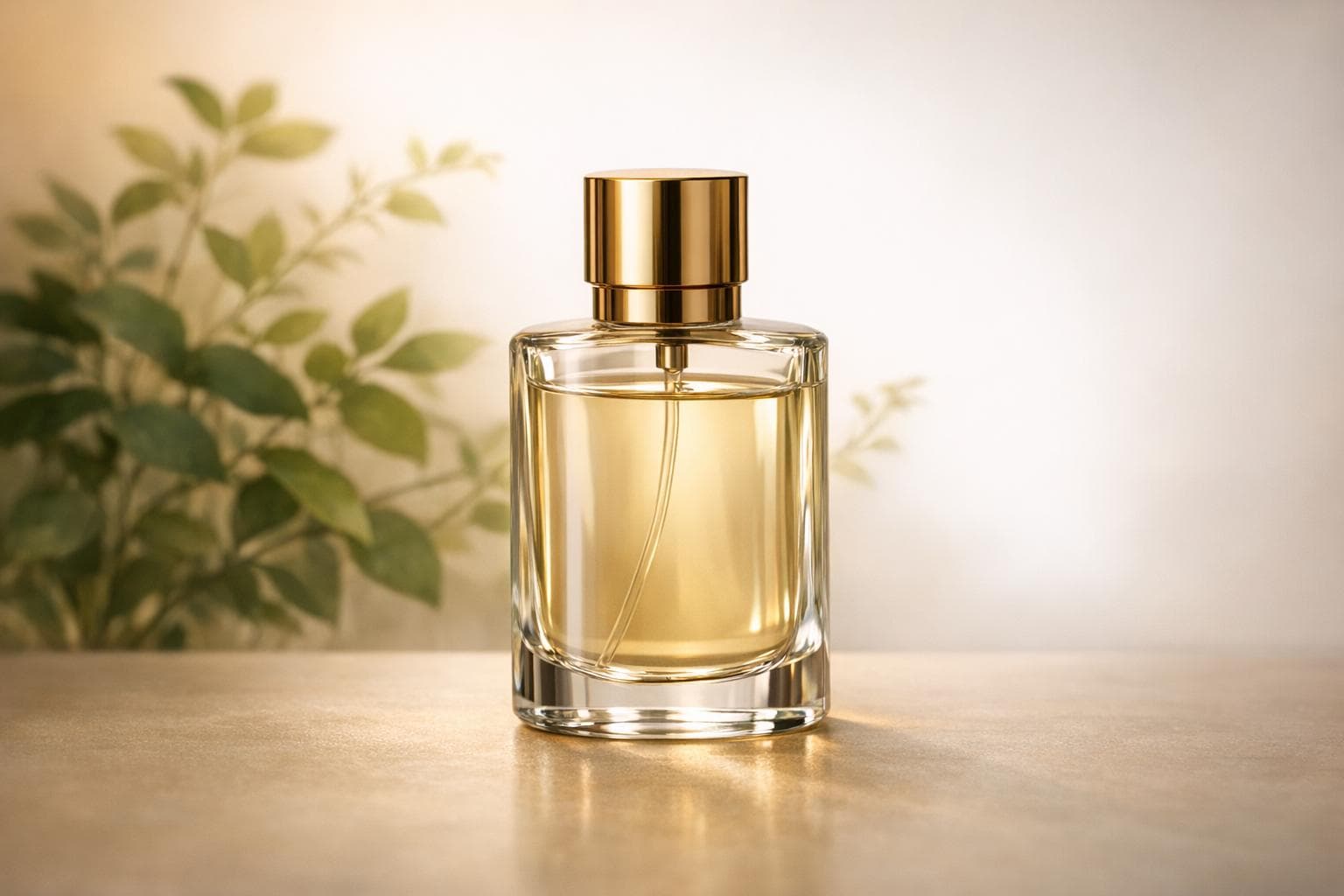
EditorialA luxury perfume made from 100% alcohol recycled from industrial CO2, cutting land and water use while preserving high-end scent quality.
EditorialHistory and modern role of Grasse, from scented leather to UNESCO-recognized perfume hub, famed for jasmine and May rose.
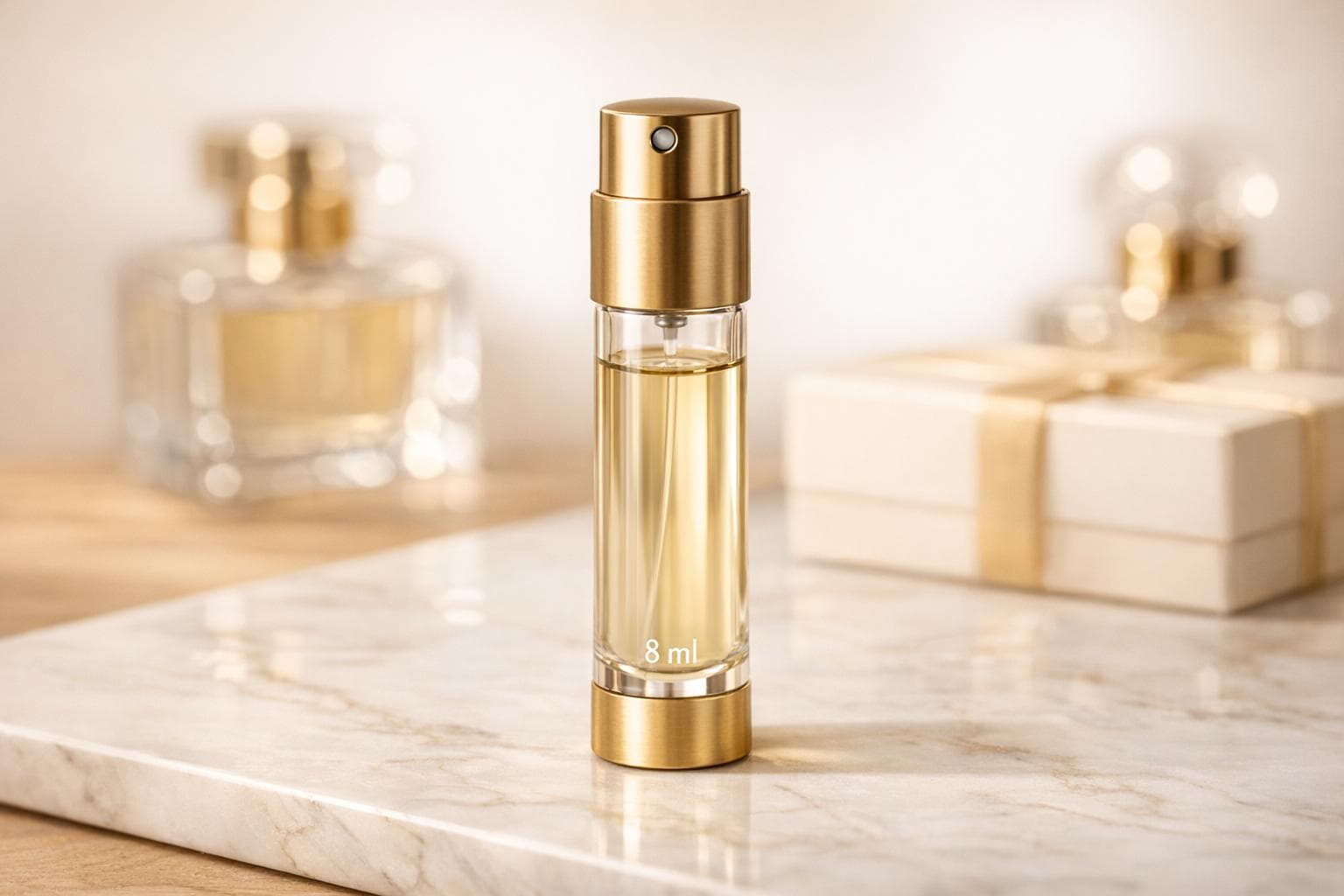
EditorialFragrance subscriptions deliver 8 ml designer vials (~125 sprays) for about €16/month, letting you sample, swap, skip, and upgrade to full bottles.
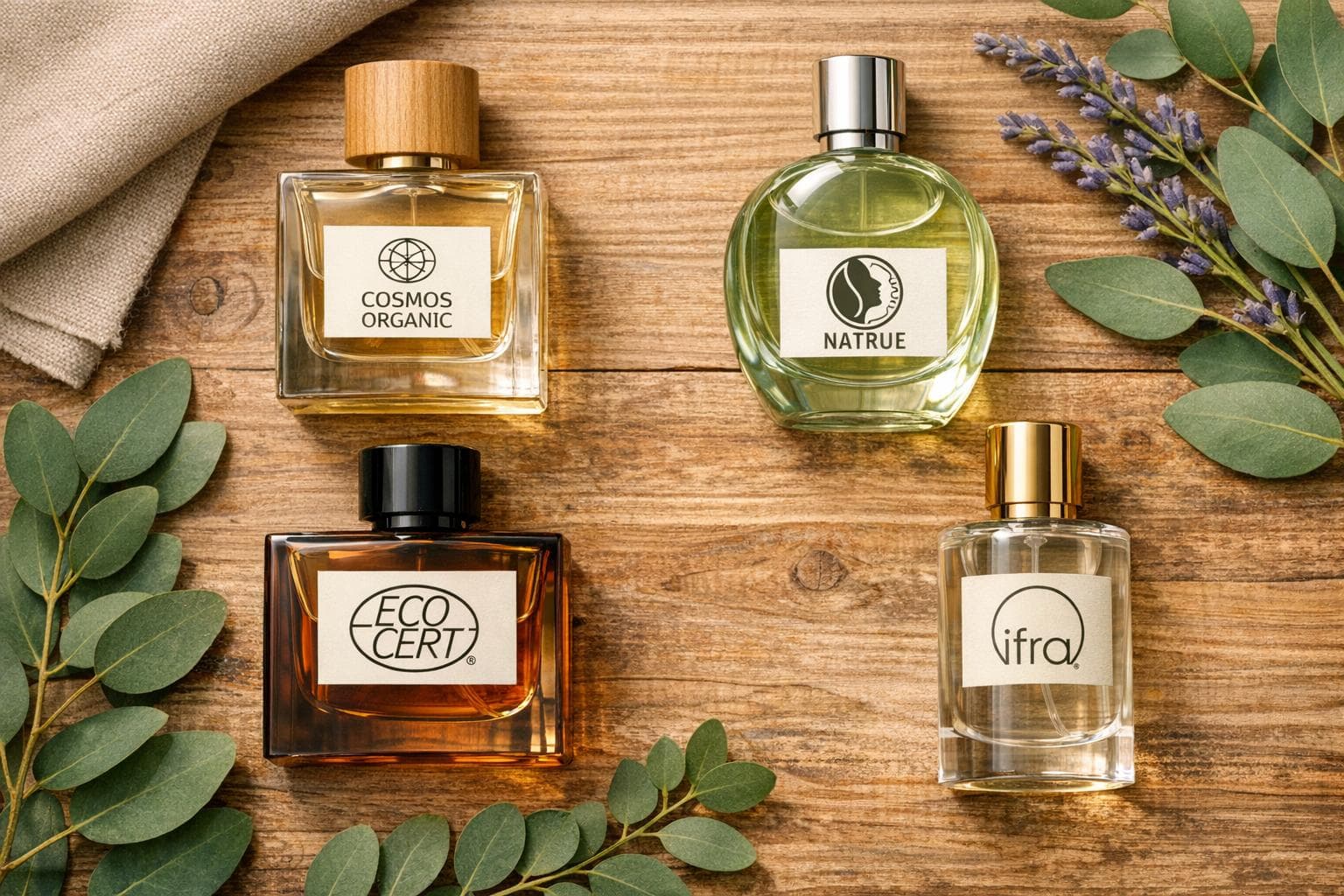
EditorialLearn which certifications (COSMOS, Ecocert, IFRA, NATRUE) prove a fragrance is sustainable, where to find logos, and how to verify them.
EditorialFashion houses use capsule collections, archival revivals and gender‑neutral scents to build emotional, collectible fragrance wardrobes that extend brand identity.
EditorialWhy consumers choose clean fragrances: safer ingredients, full transparency, sustainable sourcing, and refillable small formats.
EditorialHow copal, sage, palo santo and other sacred scents purify spaces, guide spirits, and connect communities in Indigenous death and memorial rites.
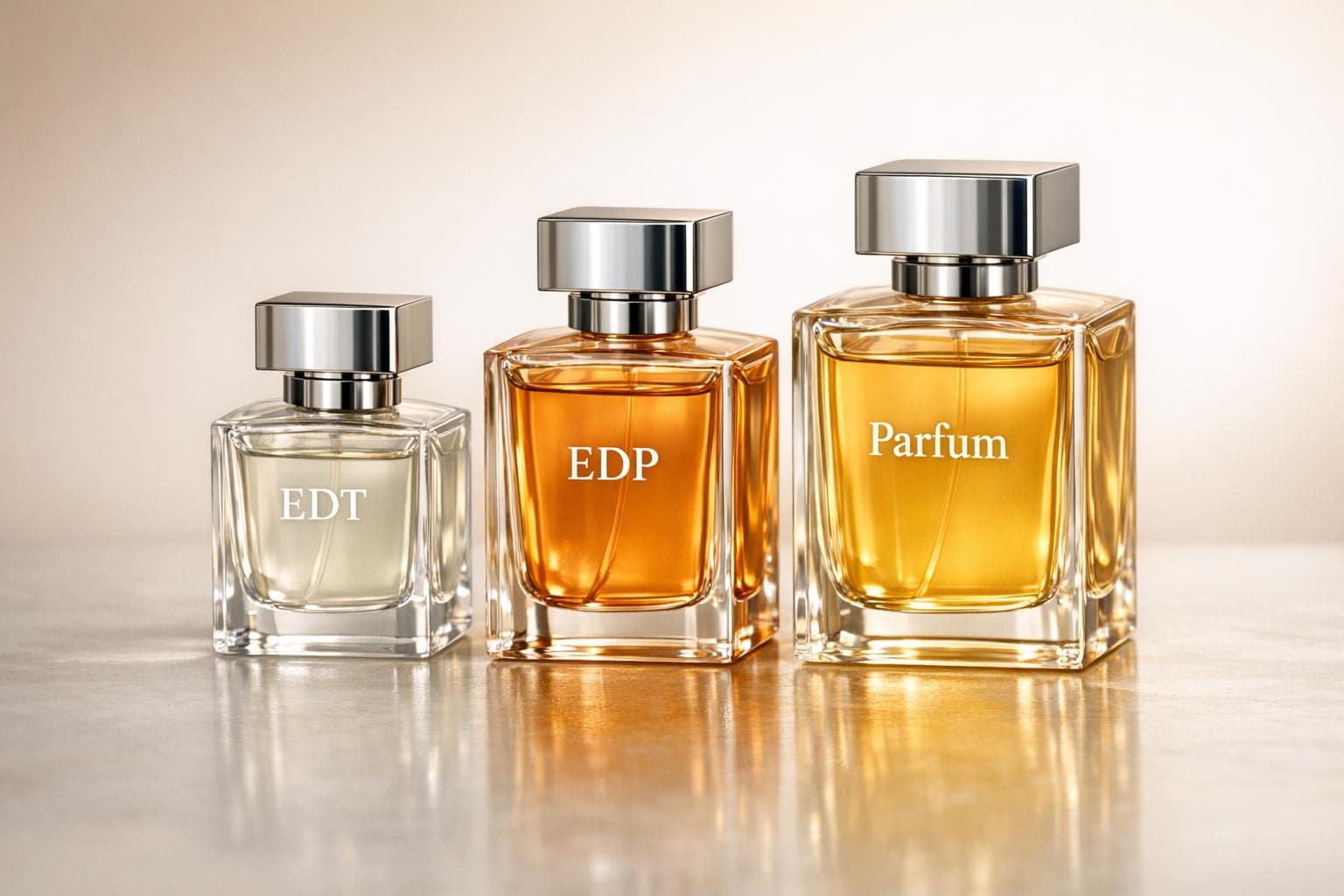
EditorialCompare EDT, EDP, and Parfum by oil concentration, longevity, projection, and best uses—day vs night, seasonal picks, and tips to make scents last.
EditorialLearn how AI fragrance apps build scent profiles from your lifestyle, preferences, and feedback to recommend perfumes and guide testing with decants.
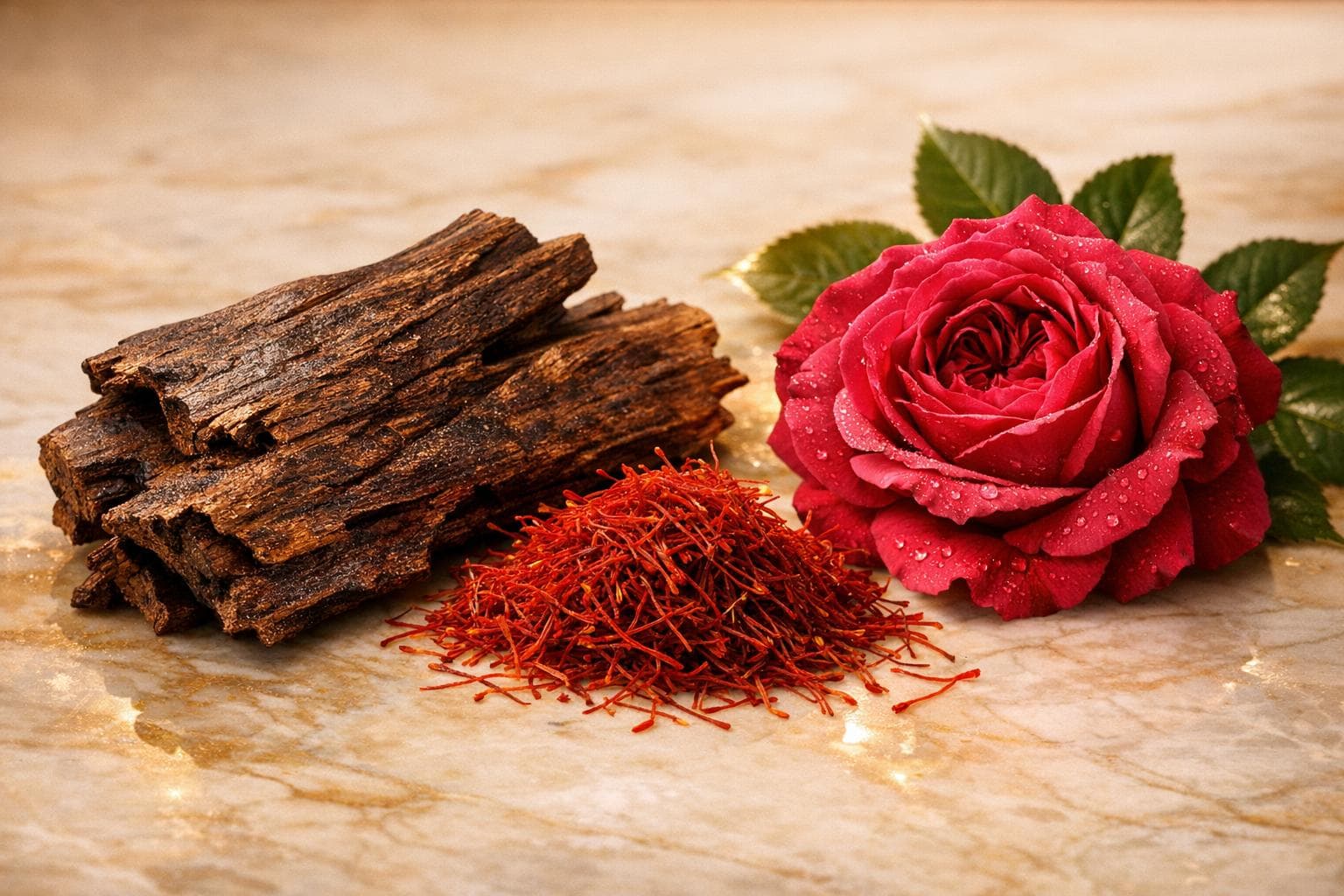
EditorialHow Middle Eastern ingredients and traditions — oud, Damask rose, saffron, and layering — influence modern perfumery from affordable to luxury.
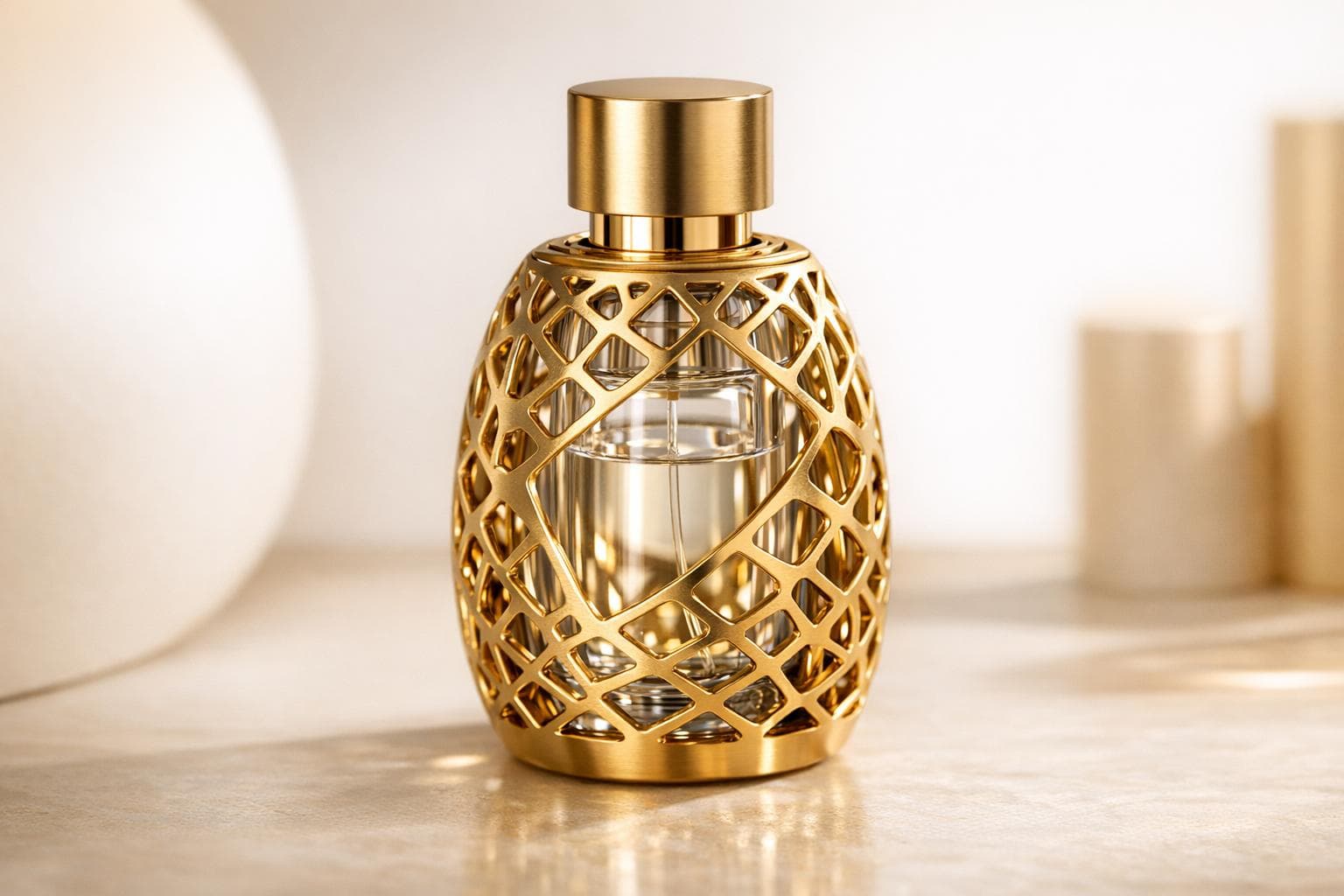
EditorialHow 3D printing speeds prototyping, cuts costs and waste, and enables complex, refillable, personalized perfume packaging.
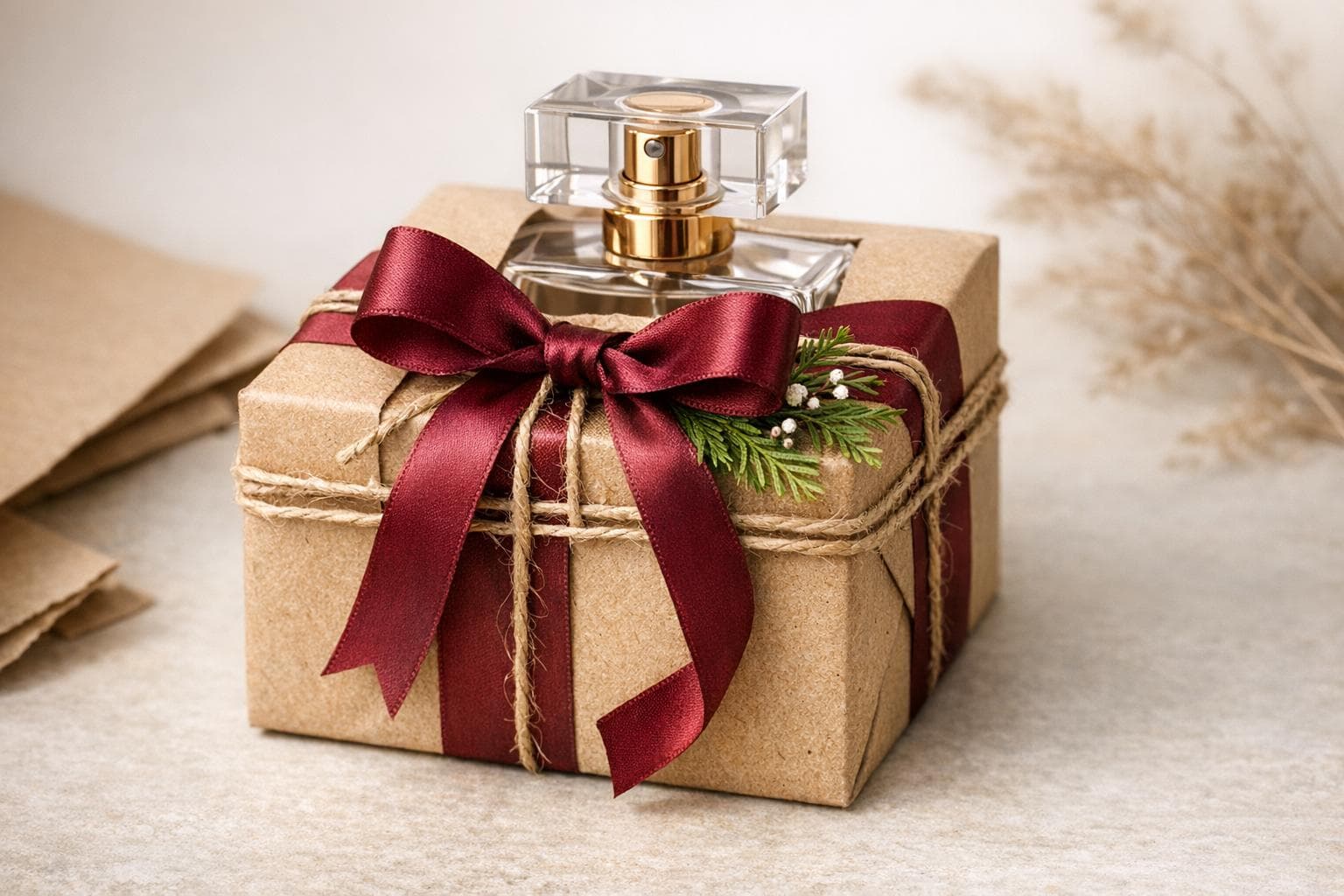
EditorialExplore 2025 perfume gift wrapping trends: sustainable materials, reusable designs, minimalist and textured styles, bold patterns, and interactive unboxing.