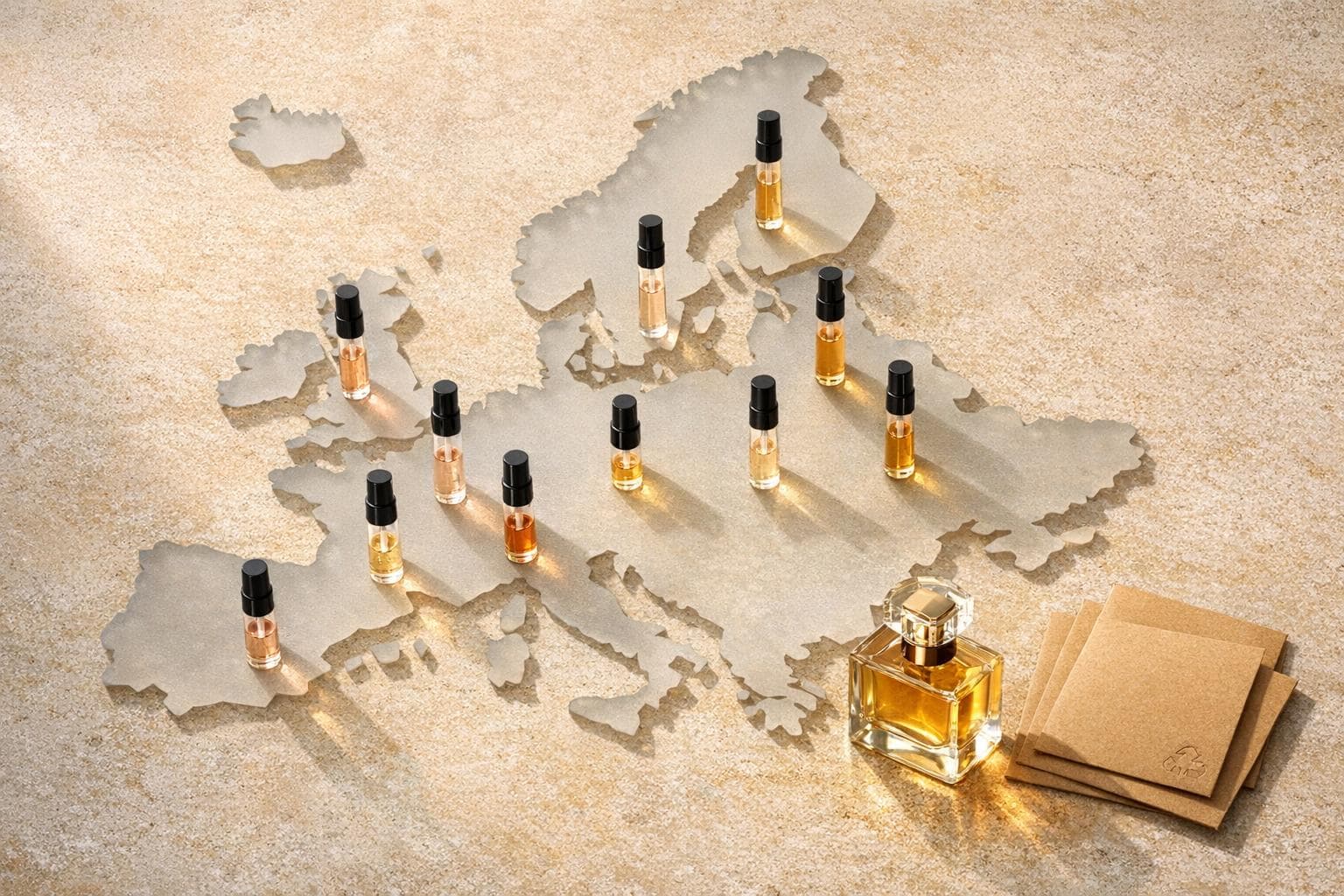
Autor: Sebastian Dobrincu, zakladatel a oborový analytik společnosti Scento
U tisíců evropských zákazníků a objednávek napříč 19 trhy se způsob, jakým Evropa objevuje niche parfémy, zásadně proměnil. Závazek v podobě pořízení celého flakonu sice nezmizel, již však nepředstavuje vstupní bod. Tímto vstupním bodem se stal decant — ručně plněný odstřik o objemu 0.75ml, 2ml, 5ml nebo 8ml, navržený pro vyzkoušení nebo pro postupné budování vonného šatníku. Scento European Decant Index 2026 představuje první systematické a rozsáhlé zmapování tohoto prodejního kanálu: kdo nakupuje, v jakém formátu, v jaké relativní cenové hladině, na kterých trzích a jak spolehlivě se počáteční vyzkoušení proměňuje v dlouhodobější věrnost. Zjištění jsou natolik konkrétní, že na nich lze stavět, a zároveň natolik překvapivá, že si zaslouží plnou pozornost.
Metodika a rozsah
Tato zpráva je analýzou dat evropského parfémového průmyslu zpracovanou společností Scento za období od října 2025 do dubna 2026. Zahrnuje směrodatné signály na úrovni objednávek z obchodní platformy Scento napříč 19 evropskými trhy, zasazené do kontextu předních výzkumů evropského trhu s parfémy, které syntetizujeme, avšak v textu přímo nevyčíslujeme. Pět zemí překračuje stanovenou hranici pro podrobnou analýzu na úrovni zákazníků — Německo, Itálie, Rumunsko, Řecko a Francie —, přičemž další tři trhy dosahují prahové hodnoty pro srovnávací přehled (Rakousko, Česká republika, Maďarsko). Španělsko překračuje prahovou hodnotu pro hlavní ukazatele, nikoli však pro detailní členění podle velikostí. Všechny ostatní evropské země v souboru dat jsou zahrnuty pod označení „Ostatní Evropa“, dokud základna objednávek nedosáhne dostatečného objemu pro publikaci v požadovaném rozlišení.
Za decant je v této zprávě považován porcovaný odstřik — obvykle o objemu 0.75ml, 2ml, 5ml nebo 8ml — prodávaný pro vyzkoušení nebo pro rozšíření vonné sbírky, na rozdíl od trhu s celými flakony o objemu 30ml, 50ml nebo 100ml. Údaje záměrně vylučují bezplatné vzorky z kamenných prodejen, neautorizované rozlévané parfémy a velkoobjemové vzorky určené výhradně pro obchodní partnery. Každá z těchto kategorií by při sloučení s placeným prodejem zkreslila ukazatele ekonomiky vzorků a žádná z nich nenese signál o ceně za mililitr nebo o velikosti nákupního košíku, pro jejichž měření byl tento index vytvořen. Formát 0.75ml — nejmenší publikovaná jednotka — představuje objevovací minivzorek sloužící k posouzení vůně během několika málo nošení před přechodem na 2ml decant; formát 8ml je určen pro vonný šatník a nabízí dostatečný objem pro zařazení po bok ostatních flakonů v pravidelné rotaci; předplatné pak představuje opakovaný závazek stojící nad oběma těmito formáty.
Scento prezentuje tyto vzorce jako vlastní analytickou syntézu. Vlastní ekonomické ukazatele platformy — počty objednávek a zákazníků, tržby, průměrná hodnota objednávky, míra konverze a velikost košíků — jsou zde popsány výhradně jako směrodatné trendy, nikoli jako konkrétní čísla. Externí tržní data slouží k triangulaci, v textu však nejsou přímo vyčíslována. Průřezy jednotlivých zemí, které nedosahují hranice pro samostatné zveřejnění, jsou seskupeny pod „Ostatní Evropa“. Komentáře na úrovni značek jsou vedeny v celoevropském souhrnu; detailní křížové analýzy značek podle zemí nejsou uváděny, neboť nedosahují rozlišení, které by tento soubor dat mohl zodpovědně publikovat. Závěry z časových řad jsou formulovány jako pozorování trajektorie v rámci sedmiměsíčního okna, nikoli jako tvrzení o sezónnosti; sedm měsíců dat postačuje k určení směru vývoje, nikoli však k vyhlášení sezónního trendu.
Důvod významu tohoto indexu je prostý: pořízení celého flakonu průměrné niche novinky v roce 2026 stojí v maloobchodě mezi 150 € a 400 €. Prodejní kanál decantů a vzorků představuje způsob, jakým celá generace evropských zákazníků řeší finanční náročnost zkoušení nových vůní. Z dat vyplývá, že toto řešení již není okrajovou záležitostí. V roce 2026 tvoří základní zkušební vrstvu evropského maloobchodu s parfémy a zbytek této zprávy nabízí detailní pohled na to, co tato vrstva vypovídá.
Míra adopce decantů podle trhů
Rozložení objednávek podle zemí tvoří páteř této zprávy. V objemu prodeje vede Německo, následované Itálií, Rumunskem, Řeckem a Francií, přičemž zbytek Evropy — Rakousko, Česká republika, Maďarsko, Španělsko, Slovensko a pestrá řada menších trhů — představuje významný zbývající podíl. Samotné pořadí však vypovídá méně než vnitřní struktura trhu. Pět hlavních trhů reprezentuje pět odlišných přístupů k adopci decantů a zbývající země naznačují směr, kterým se tento kanál bude dále ubírat. Obraz neodpovídá jedinému typickému „evropskému zákazníkovi decantů“ — ukazuje pět odlišných nákupních vzorců sdílejících jeden prodejní kanál, přičemž šestý model se rodí na trzích, které jsou zatím příliš malé pro samostatné publikování v plném rozlišení.
Německo představuje vyspělý trh s decanty. Němečtí zákazníci vykazují klasický přístup zaměřený na šíři spíše než na hloubku: menší vícedílné košíky s převahou formátu 2ml pro první seznámení, kde podíl niche vůní v počtu kusů mírně převyšuje designérské kompozice. Německo je v roce 2026 nejbližší obdobou „mediánového“ evropského zákazníka decantů a díky své velikosti nastavuje laťku, vůči níž se vymezují ostatní trhy. Německý model spočívá v trpělivém testování — zákazník zakoupí tři nebo čtyři 2ml decanty, nosí je během dvou týdnů a poté se vrací na začátek nákupního procesu pro další výběr. Podíl předplatného je poměrně nízký, což naznačuje, že němečtí zákazníci dávají přednost vědomému sestavování každého košíku před přenesením výběru na pravidelný plán.
Itálie je strukturálně velmi podobná Německu z hlediska objemu, výrazněji se však přiklání k niche segmentu. Skladba italského košíku téměř přesně kopíruje ten německý — podíl niche vůní je však vyšší. Vliv domácího trhu italských niche domů (Xerjoff v prestižní kategorii, Tiziana Terenzi v jádru nabídky, Acqua di Parma jako tradiční pilíř, Profumum Roma na nejvyšší úrovni) se pojí s hluboce zakořeněnou parfumérskou tradicí. Italští zákazníci investují svůj rozpočet na decanty do kompozic z vlastního kulturního okruhu s větší pravděpodobností než zákazníci v Německu. Podíl velikosti 5ml je v Itálii nejvyšší z pěti analyzovaných zemí, což značí, že italští zákazníci snadněji posouvají vůni z fáze zkoušení do formátu pro dlouhodobější nošení, aniž by museli kupovat celý flakon.
Rumunsko představuje nejvýraznější kohortu celé zprávy. Základna rumunských zákazníků je v absolutním počtu menší než v Německu či Itálii — vykazuje však nejhlubší konverzi v Evropě. Výrazně nižší podíl rumunských objednávek tvoří velikost 2ml, zatímco neúměrně vysoký podíl připadá na jednorázové 8ml decanty a 8ml předplatné, přičemž obojí vysoce převyšuje evropský průměr. Rumunští zákazníci často přeskakují úvodní testovací fázi s 2ml vzorky a volí rovnou formát 8ml. Podíl niche vůní je zde nejvyšší z celé zprávy. Ve svém souhrnu tyto signály vykreslují trh zaměřený na budování vonného šatníku: rumunští zákazníci využívají decanty méně k objevování novinek a více k vytváření stálé rotace vůní, které již dobře znají. Jde o menší zákaznickou základnu, avšak se strukturálně odlišným a podstatně oddanějším nákupním chováním.
Řecko se profiluje jako trh širokého objevování. Řečtí zákazníci vykazují nejvyšší podíl velikosti 0.75ml ze všech publikovaných trhů — znatelně větší část prodaných kusů tvoří právě objevovací minivzorky. Tento vzorec naznačuje vstup založený na čistém zkoušení: řecký zákazník začíná s nejmenším možným objemem, testuje širokou škálu a poté selektivně přechází k větším formátům. Formát 2ml zůstává těžištěm košíku, zatímco zastoupení předplatného je poměrně skromné. Příklon k niche vůním se pohybuje v pásmu typickém pro Itálii a Francii, nedosahuje však rumunských maxim. Závěr je zřejmý: adopce decantů v Řecku staví na objevování, kdy zákazník používá formát 0.75ml podobně jako testovací papírek v parfumerii — avšak ve velkém měřítku, v placené formě a s doručením domů.
Francie představuje trh poučených znalců. Z pěti publikovaných trhů je sice nejmenší, generuje však nejvyšší koncentraci velikosti 2ml v Evropě. Francouzští zákazníci setrvávají u zkušebního formátu déle než kdekoli jinde, podíl niche vůní se drží na stejné úrovni jako v Itálii a Řecku a míra předplatného je nejnižší z celé pětice. Tato kombinace ukazuje na rozvážné, vytrvalé testování — francouzští zákazníci nespěchají, postupují metodicky a u velikosti 2ml zůstávají i v době, kdy by se zákazník na jiném trhu již rozhodl pro větší objem. Tento přístup odpovídá kolébce evropského parfumérství: zákaznická základna již vlastní plné flakony klasických referenčních děl a decanty využívá k objevování niche novinek, nikoli k prvnímu kontaktu s vonnými kategoriemi.
Zbývající skupina „Ostatní Evropa“ — Rakousko, Česká republika, Maďarsko, Španělsko a navazující menší trhy — slouží jako předstihový ukazatel. Tyto trhy jednotlivě nedosahují hranice pro samostatné publikování, struktura jejich objednávek se však konzistentně shoduje s pěticí hlavních zemí. To naznačuje, že poptávka po decantech se řídí podobnou ekonomickou logikou bez ohledu na velikost trhu. Pětice kotevních trhů nepředstavuje budoucnost tohoto kanálu, nýbrž jeho současnost. Skupina Ostatní Evropa je prostorem pro růst v nadcházejícím roce a stávající data potvrzují, že nákupní chování zde škáluje v téměř identických křivkách jako v Německu a Itálii před dvěma lety. Pro značky vytvářející evropskou strategii pro decanty v roce 2026 z toho plyne jasné doporučení: vzorce adopce jsou obecně platné — to, co funguje v Německu, funguje se srovnatelným směřováním všude jinde, pouze s drobnými úpravami podle skladby katalogu a cenových hladin.
Prodej decantů tvoří součást širšího evropského trhu s parfémy, který se jako celek nachází ve fázi nízkého jednociferného růstu (CAGR). Samotný prodejní kanál decantů však roste podstatně rychleji — stačí navštívit kteroukoli ze stránek vzorků Scento a hloubka katalogu tento příběh potvrdí ještě dříve než samotná data. Zda se zákazníci k decantům dostávají přes výběr dámských, pánských nebo unisexových kompozic, je samostatná otázka, které se tato zpráva podrobně věnuje dále. V tuto chvíli zůstává hlavním strukturálním zjištěním skutečnost, že adopce je plošná, nákupní chování se liší trh od trhu a tento segment se již neomezuje na jediný národní trh ani vyhraněnou skupinu zákazníků.
Ekonomika nákupních košíků se vzorky
Distribuce velikosti košíků představuje jedno z nejjasnějších behaviorálních zjištění této zprávy. Vykazuje bimodální charakter: velkou část objednávek tvoří cílené nákupy jednoho či dvou kusů na vyzkoušení, značný podíl představují košíky o čtyřech a více kusech pro budování šatníku, zatímco střední pásmo tří až čtyř kusů je zastoupeno poměrně málo. Tato bimodální křivka je nepřehlédnutelná. Vidíme strmou koncentraci u malých košíků a dlouhý chvost objevitelů. Zákazník, který odešle jeden košík za čtvrtletí, a zákazník, který objednává každý týden, vycházejí ze dvou zcela odlišných vzorců chování.
Průměrná hodnota objednávky (AOV) se napříč pěti hlavními trhy pohybuje ve velmi úzkém rozmezí, a to navzdory velmi odlišnému složení košíků. Mírně vyšší AOV v Itálii je dána většími košíky a vyšším podílem formátu 5ml; nižší AOV v Rumunsku je vyvážena hlubší konverzí do formátu 8ml, kterou samotná hodnota objednávky neodhalí. Zásadním zjištěním je právě těsné rozpětí AOV mezi jednotlivými zeměmi. Evropští zákazníci bez ohledu na zemi pracují s podobným rozpočtem na jeden nákup a přizpůsobují mu volbu velikostí i značek. Rozpočet zůstává konstantou; proměnnou je složení košíku.
Pozorování vývoje v rámci sedmiměsíčního období ukazuje, že průměrná hodnota objednávky od začátku do konce sledovaného rámce znatelně vzrostla — na úrovni jednotlivých nákupů jde o významný posun. (Úvodní týdny nedosahovaly stanoveného minimálního objemu objednávek a byly z výpočtu trajektorie vyřazeny.) Nejde o projev sezónnosti; sedm měsíců nestačí k jejímu spolehlivému doložení. Trajektorie dokládá, že s tím, jak si zákazníci budují vztah k platformě, roste i propracovanost jejich nákupů. Noví zákazníci začínají jedním kusem — jde o klasický model první zkoušky s jediným 2ml decantem vůně, o níž slyšeli. Vracející se zákazníci již skládají celé kolekce — tři, čtyři, šest 2ml decantů doplněných jedním či dvěma 8ml odstřiky vůní, které se rozhodli zařadit do stálé rotace. Tento růst odráží křivku vyzrávání zákaznické základny, nikoli vliv kalendáře, a naznačuje, že výnos na zákazníka se stárnutím kohorty strukturálně stoupá.
Rozložení velikosti košíků mění pro celý průmysl ekonomiku objevování vůní na úrovni jednotlivých jednotek. Tradiční maloobchod spoléhá na bezplatné vzorky v prodejnách spojené s náročným rozhodováním o nákupu celého flakonu. Decanty obě tyto roviny proměňují: vyzkoušení je placené (přináší přiměřené tržby oproti nulovému příjmu z bezplatných vzorků) a konverze může probíhat postupně namísto volby „všechno, nebo nic“ (zákazník může přejít z 2ml na 5ml, následně na 8ml a k předplatnému ještě předtím, než se rozhodne pro celý flakon — pokud k tomu vůbec dospěje). Každý krok na tomto žebříčku je zde měřen. Výsledkem je model, který generuje stabilní příjmy v každé fázi nákupní cesty a dokáže obsloužit zákazníka v jakémkoli rozsahu košíku — od cíleného nákupu jediného decantu až po rozsáhlé objevování — aniž by opustil danou platformu.
Struktura košíku zároveň potvrzuje přínos investic do nástrojů pro doporučování vůní. Zákazník sestavující menší nákup z katalogu čítajícího tisíce parfémů čelí složitému výběru, který pouhé procházení podle jednotlivých složek nedokáže efektivně vyřešit. Doporučovací průvodce Scento na tuto potřebu přímo reaguje — propojuje preference zákazníka s nabídkou katalogu a nabízí tři až čtyři nejvhodnější vůně, což přesně odpovídá nejúspěšnějšímu nákupnímu formátu podle dat. Nejprodávanější stálice a pouzdra na atomizéry naopak vycházejí vstříc druhé části bimodálního spektra: zákazník, který již má svou vonnou rotaci vytvořenou, potřebuje možnosti pro její doplňování, nikoli začínat od nuly. Zjištění ohledně tvaru košíků se tak stává hlavním argumentem pro to, proč prodej decantů vyžaduje obě tyto cesty — doporučování i rozšiřování sbírky — fungující současně.
Konverzní trychtýř
Základní empirickou otázkou ekonomiky decantů zůstává, zda zkoušení vzorků skutečně vede k hlubšímu nákupnímu závazku a s jakou spolehlivostí. Údaje z objednávek Scento poskytují jasnou kvalitativní odpověď. Drtivá většina zákazníků ve sledovaném období zakoupila alespoň jeden 2ml decant, který představuje klasický formát pro první vyzkoušení; menší skupina zvolila alespoň jeden jednorázový 8ml decant reprezentující zařazení do šatníku; a další část přešla k 8ml předplatnému jako formě pravidelného odběru. Cestu od prvního vzorku k hlubší věrnosti lze v datech přímo sledovat: významný podíl zákazníků, kteří začínali s 2ml vzorky, se během sledovaného období posunul k jednorázovému 8ml odstřiku nebo k 8ml předplatnému.
Tento závěr vyžaduje pečlivé zasazení do kontextu. Pozorovaná konverze představuje spodní hranici, nikoli strop. Jmenovatel zahrnuje i zákazníky, kteří na platformu vstoupili teprve několik týdnů před uzavřením sledovaného období a neměli dostatek času k dokončení konverzního cyklu. Míry přepočtené na déle působící kohorty vykazují výrazně vyšší hodnoty; čím více se vymezení kohorty blíží plnému konverznímu oknu, tím vyšší je výsledná míra. Celkový pohled sice podhodnocuje dlouhodobé chování zákazníků, kteří u nákupu decantů zůstávají, přesně však zachycuje průřezový stav ve vymezeném rámci této zprávy. Odpovídá tomu, co by značka či oborový analytik zaznamenali přímo na trhu se započtením všech nově příchozích zákazníků. S vyzráváním zákaznické báze tato realizovaná míra dále roste.
Dopad tohoto konverzního chování na odvětví je významnější než jakékoli přesné číslo. Segment decantů vytváří profil akvizice zákazníků, který se zásadně liší od nákupů naslepo v běžném maloobchodě. Cenově dostupný zkušební decant, z něhož zdravý podíl zákazníků přechází k navazující hodnotnější objednávce — a v určitém procentu případů až k celému flakonu —, vykazuje návratnost, jaké tradiční maloobchod bez zkreslení bezplatnými vzorky nemůže dosáhnout. Zkoušení decantů je placenou službou. Tržby z placených vzorků částečně pokrývají náklady na získání zákazníka a míra konverze ke druhé objednávce určuje zbývající ekonomiku jednotky. Právě tato konverze zajišťuje životaschopnost celého modelu. Vysvětluje také, proč tento segment roste podstatně rychleji než širší evropský e-commerce trh s parfémy, který sám dosahuje vysokého jednociferného růstu (CAGR). Prodej decantů v jeho rámci roste ještě dynamičtěji a důvod leží právě v tomto nákupním trychtýři.
Cesta k 8ml předplatnému si zaslouží samostatnou pozornost. Část zákazníků testujících 2ml vzorky přechází k předplatnému a v rámci celé zákaznické základny má v daném období aktivní odběr nezanedbatelný podíl nakupujících. Předplatitelé dosahují nejvyšší realizované hodnoty AOV ze všech skupin, nejvíce prozkoumávají katalog (během trvání předplatného obměňují v průměru jeden decant měsíčně) a přinášejí nejvyšší celoživotní hodnotu na úrovni kohorty. Zůstávají také nejvěrnější objevování na základě doporučení, protože měsíční cyklus vyžaduje pravidelnou volbu — což znamená, že předplatitelé interagují s katalogem s frekvencí, jaké jednorázoví kupující nedosahují. Přechod od 2ml vzorku k 8ml předplatnému představuje přesně tu křivku, kterou tento prodejní kanál generuje nejlépe: zákazník začne u parfému, který si chtěl vyzkoušet, v témže košíku objeví dvě či tři další kompozice a během čtyř až šesti cyklů přechází na pravidelný plán přinášející nové vůně každý měsíc. Právě tato trajektorie je skutečnou podstatou přechodu od zkoušení k trvalému zájmu.
Vazba na širší segment předplatného — podrobně rozpracovaná v naší analýze parfémového předplatného pro rok 2026 — je zcela přímá. Předplatné v rámci decantů využívá stejný mechanismus, který posunul celosvětové předplatné vůní z okrajového formátu do stomiliardového segmentu rostoucího vysokým dvouciferným tempem (CAGR). Evropská kohorta předplatitelů decantů představuje jeden z projevů tohoto růstu a její jednotková ekonomika tvoří základní pilíř celého modelu. Ve spojení s ekonomikou nákupních košíků z předchozí části tato data uzavírají kruh vysvětlující dlouhodobou udržitelnost: tržby z placeného zkoušení na vstupu, opakované nákupy napříč životním cyklem zákazníka a pravidelné příjmy z předplatného — tři příjmové vrstvy navázané na téhož zákazníka a obsluhované z téhož katalogu.
Fungování ekonomiky decantů se opírá ještě o jeden zásadní prvek: pouzdro na atomizér, které proměňuje 2ml nebo 8ml decant z pouhé lahvičky v zásuvce v praktický doplněk pro každodenní nošení. Velká část předplatitelů má v košíku právě toto pouzdro, díky němuž může formát 8ml sloužit k celodennímu používání namísto toho, aby zůstal pouhou skleněnou kuriozitou. Vrstva doplňků představuje z hlediska tržeb menší podíl, pro konverzi je však klíčová. Bez možnosti pohodlného přenášení ztrácí 8ml formát na přitažlivosti; s pouzdrem se stává plnohodnotným malým flakonem a budování vonného šatníku popsané v datech o košících se mění v reálné nákupní chování, nikoli jen ve hromadění vzorků.
Trendy na úrovni značek
Pohled na jednotlivé značky nabízí ještě ostřejší kontury než geografické srovnání a začíná jedním zásadním poměrem. V rámci evropského trhu s decanty v roce 2026 připadá z každých deseti prodaných kusů drtivá většina na niche vůně a zbytek na designérské parfémy. Z hlediska hrubého objemu zboží (GMV) je převaha niche kompozic ještě výraznější než u počtu kusů a niche segment si připisuje dominantní podíl na celkovém obratu kanálu. Tento příklon k niche vůním je stabilní napříč všemi trhy. Nejde o výkyv jedné země ani specifické skupiny zákazníků. Je to základní charakteristika tohoto prodejního kanálu — když evropští zákazníci investují do vzorků, volí převážně niche produkci.
Přední niche domy podle rychlosti rotace vzorků v objednávkách Scento, seřazené sestupně podle počtu prodaných kusů: Amouage, Parfums de Marly, Creed, Xerjoff, Maison Francis Kurkdjian, By Kilian, Initio Parfums Privés, Montale, Byredo a Nishane. Těchto deset domů generuje v roce 2026 převážnou část evropských prodejů niche decantů. Společně tvoří většinu toho, co data zaznamenávají pod označením „niche“.
Koncentrace je zde značná. První tři značky — Amouage, Parfums de Marly, Creed — drží dohromady velký podíl z celkového objemu niche jednotek. Důvody jsou zřejmé již z katalogu. Moderní vlajkové lodě Amouage (Guidance, Imagination, Interlude) nesou punc prestiže, díky němuž je Amouage první volbou evropských zákazníků hledajících zkušenost se skutečným vrcholem niche tvorby; v důsledku toho se Amouage objevuje ve více objednávkách než jakýkoli jiný niche dům v souboru dat. Pozice Parfums de Marly — moderní klasika dovedená do podoby, kdy se jednotlivé klíčové vůně stávají měřítkem kvality (Layton, Delina, Pegasus, Herod) — zajišťuje stabilní a široký zájem o vzorky téměř na každém trhu. Creed těží ze své historické tradice: Aventus, Silver Mountain Water a starší vlajkové lodi přitahují zájem díky známosti jména, která dávno předcházela vzniku trhu s decanty, a archiv značky Creed si udržuje prodejnost vzorků, jaké novější domy dosahují jen stěží.
Za první trojicí se obraz rozpadá podle nákupních zvyklostí. Xerjoff vykazuje nejsilnější pozici v Itálii a středomořských zemích — což je dáno domácím trhem a oblibou kompozic jako Naxos, Erba Pura či Alexandria II. Odbyt značky Maison Francis Kurkdjian stojí na úzké skupině ikonických děl (Baccarat Rouge 540 a řada Aqua); tyto vůně samy o sobě nesou většinu prodejů vzorků této značky. Síla By Kilian tkví ve vyváženosti celé kolekce — odbyt není tažen jediným hitem, nýbrž rozprostřen napříč portfoliem, což vyhovuje zákazníkům budujícím pestřejší vonný šatník. Initio Parfums Privés představuje nejvýraznějšího skokana své kategorie: kompozice Side Effect, Rehab a Oud for Greatness generují v rámci čistého niche prodeje takový zájem o vzorky, jakého starší parfumérské domy ve své první dekádě obvykle nedosahují. Odbyt značky Montale stojí především na řadě Aoud; Byredo a Nishane jsou značky s kompaktnějším portfoliem, kde několik klíčových titulů kotví prodej vzorků u specifických skupin zákazníků. Napříč první desítkou je pozoruhodné, jak málo kompozic jednotlivým domům stačí k dosažení vysokého obratu — tržby z prodeje vzorků se soustředí do dvou až tří stěžejních vůní každé značky, zatímco zbytek katalogu slouží jako hloubka pro stálé zákazníky, nikoli jako první nástroj akvizice.
Segment designérských vůní je podstatně koncentrovanější než niche. Samotná značka Louis Vuitton představuje největšího designérského hráče v tomto prodejním kanálu — s výrazným náskokem před dalším v pořadí, značkou Tom Ford. Vlajkové kompozice Louis Vuitton — Imagination, Ombre Nomade, Pacific Chill, Afternoon Swim — se pravidelně řadí mezi nejprodávanější položky na celé platformě. Strukturální anomálií je, že cena za mililitr u Louis Vuitton se pohybuje spíše v niche relacích než v běžném designérském standardu. Tím se značka v rámci trhu s decanty posouvá do pozice luxusního designéra s parametry niche — kategorie, kterou tradiční rozdělení plně nezachycuje. Prodejní kanál vnímá Louis Vuitton způsobem, který je bližší domům Maison Francis Kurkdjian nebo Creed než běžným masovým designérským značkám. Cenová hladina i chování zákazníků plně odpovídají standardům niche trhu.
Za Louis Vuitton následují mezi designéry značky: Tom Ford, poté Dior, Yves Saint Laurent, Guerlain, Giorgio Armani, Prada, Valentino, Jo Malone London a Jean Paul Gaultier. První desítce designérů v prodeji decantů dominují prestižní domy s cenou za mililitr blízkou niche kategorii. Masové designérské značky — které tvoří většinu maloobchodního prodeje celých flakonů v obchodních domech — na tomto seznamu téměř chybí. Tato absence je strukturální, nikoli náhodná. Ekonomika decantů při cenách běžných designérských vůní jednoduše nefunguje: při ceně zhruba 0.60 € až 2 € za ml představuje 2ml vzorek zanedbatelný příjem vůči fixním nákladům na lahvičku, atomizér a ruční práci, přičemž zákazník tutéž vůni snadno najde v plné velikosti v kterékoli parfumerii. Masový designérský segment patří do tradičního maloobchodu. Prestižní designérské značky nacházejí své místo jak v maloobchodě, tak v decantech. Niche kategorie naopak čím dál častěji začíná právě u decantů.
Dopad na odvětví je zcela jednoznačný. Pokud evropští zákazníci platí za vzorky, volí v drtivé většině niche parfémy. Pokud investují do designérských vzorků, soustředí se téměř výhradně na několik vysoce prestižních domů — Louis Vuitton, Tom Ford, Dior, Yves Saint Laurent, Guerlain —, jejichž cena za mililitr sama o sobě spadá do niche standardu. Běžné masové značky v nabídce vzorků takřka nefigurují. Značky, jejichž strategie stojí na širokém zastoupení v obchodních domech, nemohou očekávat, že prodej decantů jejich pozici automaticky posílí; domy stavící na výjimečných kompozicích a vnímané exkluzivitě by měly vnímat decanty jako klíčový prostor pro získávání zákazníků v roce 2026 i v dalších letech. Data na úrovni značek jsou stabilní napříč trhy i v průběhu celého sedmiměsíčního sledovaného období. Představují strukturální realitu tohoto kanálu, nikoli přechodný výkyv. Pro širší pohled na globální trh nabízí naše analýza statistik niche parfémů zasazení evropského prodeje decantů do celosvětového kontextu — globální podíl niche trhu versus rychlost rotace evropských decantů představují dvě různá měření téhož segmentu z odlišných úhlů pohledu. Značky Le Labo a Diptyque se v rychlosti prodeje vzorků nacházejí těsně za první evropskou desítkou, v globálním tržním podílu se však stabilně řadí k absolutní špičce niche domů — což připomíná, že odbyt v jednom kanálu a celkový tržní podíl se nemusí vždy přímo krýt. Kompletní katalog Scento ukazuje pestrost značek, která stojí za těmito výsledky.
Cenová křivka decantů
Odstupňování ceny za mililitr, vypočtené přímo z jednotlivých položek objednávek Scento, představuje po rozdělení podle genderu jedno z nejvýraznějších ekonomických zjištění této zprávy. Křivka klesá s rostoucím objemem: niche parfémy vykazují nejvyšší cenu za mililitr u nejmenšího 0.75ml objevovacího minivzorku a postupně zlevňují přes jednorázové formáty 2ml, 5ml a 8ml až k nejvýhodnější sazbě u 8ml předplatného — přičemž designérské vůně se na každé úrovni drží mírně pod úrovní niche. Každý stupeň tohoto žebříčku vychází z reálných položek objednávek v souboru dat; každá skupina překračuje hranici pro publikování a každá cena představuje skutečně zaplacený průměr, nikoli ceníkovou částku.
Z dat vyplývají tři strukturální závěry. Prvním je skutečnost, že křivka ceny za mililitr je strmě degresivní — zákazníci platí za mililitr podstatně více ve zkušební fázi než při nákupu formátů pro stálý šatník. Nejde o umělé navyšování cen. Odráží to výrobní náklady decantů: lahvičku, atomizér, etiketu, ruční plnění, kontrolu, balení, dopravu a provoz platformy. Všechny tyto náklady jsou na jednotku převážně fixní. U menšího objemu se promítají do vyšší ceny za mililitr, u většího objemu se lépe rozloží. Ekonomické sdělení obsažené v tomto žebříčku je jednoznačné — decanty jsou naceněny pro vyzkoušení; předplatné je navrženo pro trvalý vztah. Žebříček motivuje zákazníky k posunu výše; dlouhodobé náklady na udržování vůně v rotaci formou předplatného jsou výrazně pod úrovní zkušebních vzorků.
Druhým závěrem je, že niche kompozice si udržují mírný cenový náskok v přepočtu na mililitr oproti designérským vůním ve všech velikostech, přičemž tento rozdíl se s rostoucím objemem stírá. U 8ml předplatného cenový rozdíl prakticky mizí: ceny za mililitr u niche a designérských vůní se stávají statisticky nerozeznatelnými. Prodej decantů tak stírá propast mezi niche a designérskými cenami, která existuje u celých flakonů, kde niche běžně vyžaduje 50% až 200% příplatek za mililitr oproti ceníkovým cenám designérů. Důvodem je, že u decantu se cena samotné vonné kompozice rozpočítává do mnohem menšího objemu než u celého flakonu, zatímco fixní náklady na plnění, adjustaci a dopravu tvoří větší část jednotkové ceny. Vonná kompozice má u malých objemů proporcionálně menší váhu než u velkých flakonů. Tato ekonomická nivelace představuje přirozenou vlastnost tohoto kanálu, nikoli chybu — a je jedním z důvodů, proč niche domy zaznamenávají v decantech vysoké prodeje i při cenách, které by v tradičním maloobchodě odradily od nákupu naslepo.
Třetím zjištěním je, že u 8ml předplatného leží minimální cena za mililitr výrazně pod hranicí 5 € až 20 € za ml, kterou v maloobchodě vyžadují luxusní flakony, avšak bezpečně nad úrovní přibližně 0.60 € až 2 € za ml běžných masových vůní. Prodej decantů tak obsazuje prostor, který masový i prestižní maloobchod nechávají volný. Masový maloobchod nedokáže v kategorii decantů ziskově fungovat, protože jeho objemový model závisí na plnění 50ml a 100ml flakonů s nízkými náklady na mililitr; prestižní maloobchod do něj nevstoupí, neboť samotný formát by pro něj znamenal rozmělnění luxusní image. Tento střed zůstává v tradiční distribuci prázdný a decanty jej přirozeně zaplňují. Celé flakony luxusních parfémů se v roce 2026 pohybují v rozmezí 5 € až 20 € za ml; masový trh zabírá pásmo 0.60 € až 2 € za ml; decanty stojí přesně mezi nimi, což vysvětluje, proč jejich obliba tak rychle roste. Naše širší analýza cenové dynamiky parfémů pro rok 2026 zasazuje toto zjištění do celkového kontextu — decanty nepředstavují slevovou kategorii, nýbrž chybějící článek trhu.
Pohled z hlediska zákazníka tuto část uzavírá. Při objemu 8ml — což při běžném použití odpovídá zhruba 120 stříknutím — stojí 8ml decant v rámci předplatného u parfému s cenovkou 300 € za celý flakon jen zlomek této pořizovací částky. Evropský zákazník si tak vůni reálně otestuje za nepatrnou část ceny celého flakonu, a to při nákladech na jedno stříknutí, které odpovídají nákupu plného balení. To je hlavní důvod existence tohoto prodejního kanálu: odstraňuje finanční riziko spojené s nákupem celého flakonu, aniž by zvyšoval cenu samotného použití vůně. Princip placeného vzorku odlišuje moderní decanty od dřívějších bezplatných vzorků — zákazník platí přiměřenou cenu za vyzkoušení, která přesně odpovídá hodnotě vůně při každé aplikaci, bez penalizace za menší objem. Po doplnění o přenosné pouzdro na atomizér slouží 8ml formát jako praktický malý flakon do sbírky. Cenová křivka umožňuje každodenní nošení špičkových vůní za férovou cenu, díky čemuž dosahují nejprodávanější decanty v evropském prostoru tak vysoké obliby. Doporučovací průvodce uzavírá celý cyklus tím, že nabízí vůně přesně odpovídající vkusu zákazníka namísto náhodného výběru — správný decant za odpovídající cenu ve správné fázi nákupního rozhodování. Značky, které se v tomto žebříčku posouvají nejrychleji, spojují vonné složky vysoce ceněné zákazníky: vanilka a tonka fazole v hřejivě ambrové kategorii vykazují nejvýraznější pokles ceny za mililitr při přechodu z 2ml vzorků k předplatnému, neboť právě kolem těchto tónů zákazníci nejčastěji budují svůj stálý šatník.
Genderové rozdělení
Napříč tisíci evropskými zákazníky zahrnutými do analýzy Scento mezi říjnem 2025 a dubnem 2026 tvořily unisexové parfémy největší podíl objednávek, následované pánskými a dámskými kompozicemi. Tato převaha unisexu je strukturální, nikoli náhodná — odráží nastupující evropskou preferenci vůní vybíraných podle nálady a příležitosti namísto genderového marketingu. V evropském prodeji decantů v roce 2026 unisex s jasným náskokem překonává jak dámské, tak pánské vůně. Unisex již není pouhou podkategorií. Je kategorií největší.
Jedná se o nejvíce překvapivé zjištění celé zprávy ve srovnání se zvyklostmi na trhu. Běžné dělení v odvětví, vycházející z maloobchodních dat za uplynulé desetiletí, tradičně upřednostňovalo genderově vyhraněné vůně, přičemž dámský prestižní segment představoval hlavní pilíř celého trhu. Data Scento z prodeje decantů tento pohled měřitelným způsobem obracejí. Tento posun není drobnou odchylkou na okraji zájmu; představuje výraznou změnu oproti konvenčnímu maloobchodnímu rozdělení. Zákazník za zákazníkem, košík za košíkem vykazuje evropský prodej decantů jasný příklon k unisexovým kompozicím na úkor tradičně rozdělených kategorií.
K tomuto výsledku vedou tři hlavní faktory. Prvním je výběrový efekt samotného kanálu decantů. Zákazníci decantů tíhnou k niche produkci a niche značky se z podstaty orientují na unisexovou tvorbu. Amouage, Parfums de Marly, Creed, Xerjoff, MFK, By Kilian, Initio — přední niche domy podle prodejů Scento — své klíčové vůně v drtivé většině uvádějí jako unisexové nebo přirozeně bezpohlavní. Aventus, Layton, Baccarat Rouge 540, Imagination, Side Effect, Oud for Greatness, Naxos, Angels' Share — jedna vlajková loď za druhou spadá do unisexového spektra typem zařazení, samotnou kompozicí nebo obojím. Genderové rozdělení částečně zrcadlí tuto skladbu katalogu a nabídka katalogu sama o sobě ukazuje, kam se niche tvorba za poslední desetiletí posunula. Značky, které v roce 2010 stavěly nabídku na genderovém marketingu, v roce 2025 sázejí na unisexové kompozice.
Druhým faktorem je generační proměna zákazníků. Zákaznická základna Scento zahrnuje především generace mileniálů a Gen Z; v širších evropských spotřebitelských průzkumech zhruba třetina až 40 % příslušníků těchto skupin uvádí preferenci pro genderově neutrální parfémy. Podíl nových vůní uváděných na trh jako genderově neutrální v posledních letech citelně vzrostl — podle některých měření nesla téměř polovina významných novinek v kategorii jemných vůní v roce 2025 označení unisex. Data Scento potvrzují, že se tento generační trend projevuje nejdříve tam, kde zákazníci vybírají nejsvobodněji podle vonných složek namísto genderových nálepek. Zákazník hledající pižmo, bergamot nebo santalové dřevo se rozhoduje na základě složení, nikoli genderu; prodejní kanál tento způsob nákupu podporuje nabídkou vůní odpovídajících zvoleným složkám bez ohledu na označení. Naše analýza toho, jak generace Z proměňuje svět vůní, mapuje tuto širší generační proměnu; decanty slouží jako první ukazatel tohoto posunu.
Třetím faktorem je přímý pohled na skladbu košíků. Při pohledu na objednávky obsahující alespoň jeden kus z každé genderové kategorie — což je volnější ukazatel než podíl kusů — obsahovala jasná většina objednávek alespoň jednu unisexovou položku, zatímco menší podíly zahrnovaly alespoň jednu pánskou nebo dámskou vůni. Kombinovaný nákup představuje dominantní evropský model prodeje decantů. Zákazníci nenakupují v oddělených pánských či dámských sekcích jako v běžných obchodech; vybírají napříč kategoriemi podle složek a často sestavují košíky obsahující unisexový základ, genderově vyhraněný doplněk a jednu či dvě kompozice zvolené čistě podle vonného profilu. Převaha smíšených košíků vysvětluje, jak zákaznická základna dospívá k celkové převaze unisexu — genderové označení vnímá pouze jako jednu z mnoha informací, nikoli jako určující navigační pravidlo.
Pro značky z toho plyne, že data z prodeje decantů představují předstihový ukazatel, nikoli izolovaný jev. Posun v tvorbě novinek, který začal před třemi až pěti lety, se nyní promítá do reálných tržeb od evropských zákazníků. Značky, které vůně nadále vymezují primárně genderovými nálepkami, navrhují produkty pro maloobchodní svět, který mají zákazníci decantů již za sebou. Značky sázející na unisexové kompozice, vyjádření nálady nebo marketing založený na vonných tónech oslovují přesně ten prodejní prostor, který v roce 2026 přitahuje nejaktivnější evropské zákazníky. Tradiční maloobchod bude tento signál následovat se zpožděním — kamenné obchodní domy s celými flakony zaznamenají stejný posun s odstupem dvou až tří let, jak odpovídá historickému šíření niche trendů. Na špici evropských preferencí však genderové rozdělení již není pouhou hypotézou. Je doloženým faktem.
Drobná poznámka ke kontextu: data Scento zachycují evropský trh s decanty. Prodej celých flakonů v obchodních domech a tradičních parfumeriích bude tento trend následovat se zpožděním, a to kvůli setrvačnosti katalogů i zavedenému genderovému marketingu (uspořádání regálů, testování na prodejně, doporučení personálu). Mezi nejnáročnějšími evropskými zákazníky, kteří vybírají vůně podle složek, platí za vzorky, cíleně budují svůj šatník a využívají doporučovací algoritmy, je však převaha unisexu realitou, která dále posiluje. Dámské a pánské kategorie nadále vyhovují těm, kdo preferují genderově vymezené vůně, netvoří však již těžiště trhu. Nejprodávanější decanty v nabídce spadají převážně do unisexové kategorie a doporučovací průvodce nabízí výsledky bez předem nastaveného genderového filtru, pokud si jej zákazník sám nevyžádá.
Výhled pro rok 2027
Závěr zprávy patří třem prognózám. První se týká objemu prodeje. Evropský trh s parfémy jako celek se nachází ve fázi nízkého jednociferného růstu (CAGR), přičemž jeho celková hodnota se podle předních metodik pohybuje ve vyšších jednotkách až nižších desítkách miliard eur podle vymezení jednotlivých segmentů. Segment decantů v rámci tohoto trhu směřuje k podstatně rychlejšímu růstu, taženému třemi strukturálními vlivy. Prvním je trvalá finanční bariéra při nákupu celých flakonů — 150 € až 400 € za průměrnou niche novinku v roce 2026 představuje reálnou a rostoucí překážku v kontextu klesajících reálných příjmů napříč evropskými trhy. Druhým vlivem je generační odklon od genderového marketingu k objevování na základě složek, popsaný v části této zprávy věnované genderovému rozdělení a potvrzený širšími průzkumy. Třetím je vyspělost e-commerce infrastruktury pro decanty: ověřování pravosti, ruční plnění ve velkém měřítku, logistika atomizérů, doporučovací systémy a správa předplatného — tedy prvky, které před pěti lety chyběly nebo byly v zárodku a dnes fungují na plně profesionální úrovni. Měsíční trajektorie objednávek Scento během sledovaného sedmiměsíčního období strmě stoupala od začátku do konce, což slouží jako jasný doklad tohoto vývoje. Kanál roste rychleji než trh jako celek, zákaznická základna vyzrává, výnos na zákazníka stoupá a konverzní trychtýř od vzorku k hlubšímu zájmu vykazuje ekonomiku schopnou dlouhodobě udržet tento růst.
Druhá prognóza se týká genderového složení. Převaha unisexu zaznamenaná v roce 2026 představuje předstihový ukazatel — data Scento patří k prvním, kde se tento posun promítá do reálných tržeb namísto pouhých deklarovaných preferencí či složení novinek. Tento trend zrychluje v uvádění nových produktů (podíl novinek koncipovaných jako unisex trvale roste) i v postojích generace Z (zhruba třetina až 40 % respondentů Gen Z preferuje genderově neutrální vůně, přičemž u nejaktivnějších zákazníků je tento podíl ještě vyšší). Vývoj naznačuje, že unisex své vedení v průběhu roku 2027 ještě posílí, zatímco pánské i dámské vůně budou zaznamenávat mírný pokles. Výsledky pro rok 2027 v této oblasti budou nejdůležitějším ukazatelem příštího vydání tohoto indexu, neboť přímo předznamenají, jak budou značky koncipovat své novinky pro rok 2028.
Třetí prognóza se zaměřuje na poměr niche a designérských vůní. Převaha niche segmentu naměřená v roce 2026 odráží podstatu tohoto kanálu: zákazníci decantů primárně vyhledávají niche vůně, přičemž nákupy designérských parfémů se omezují téměř výhradně na hrstku vysoce prestižních značek (Louis Vuitton, Tom Ford, Dior, Yves Saint Laurent, Guerlain), jejichž cena za mililitr dosahuje niche standardů. Zastoupení masových designérů v nabídce vzorků je strukturálně omezeno cenou za mililitr a na tomto stavu se v příštích dvanácti měsících sotva co změní. Lze očekávat, že převaha niche segmentu zůstane i v roce 2027 stabilní. Vnitřní složení se může mírně posunout — specifická pozice značky Louis Vuitton jako designéra s niche cenami může buď dále posílit (pokud ji budou následovat další prestižní domy), nebo oslabit (pokud LV výrazně změní svou cenovou politiku), celková rovnováha mezi niche a designérskými vůněmi však zůstane zachována.
Strategický závěr pro celé odvětví je jasný: evropský trh s decanty již není experimentem. V roce 2026 tvoří základní zkušební rovinu maloobchodu s vůněmi a výsledky roku 2027 ukáží hloubku této proměny. Značky, které do konce roku 2026 nevytvoří strategii pro prodej decantů, budou nuceny bojovat o zákazníka až ve fázi nákupu celého flakonu — tedy o dva až tři kroky hlouběji v nákupním trychtýři a s podstatně vyššími akvizičními náklady. Značky, které s tímto prodejním kanálem již pracují, získají zákaznickou základnu prověřenou placeným zkoušením, upevněnou budováním šatníku a stabilizovanou předplatným — tedy zákazníka na zcela jiné úrovni loajality. Decanty nepředstavují slevový kanál. Představují zkušební prostor a tento zkušební prostor je novou vstupní branou evropského maloobchodu s parfémy. Příští zpráva společnosti Scento — European Fragrance Wardrobe Report 2026 — se zaměří na to, co následuje po vyzkoušení decantu: jak nová generace zákazníků sestavuje, obměňuje a spravuje svůj víceflakonový vonný šatník. Nejnovější přírůstky v katalogu budou prvním místem, kde se tyto trendy v nadcházejícím roce projeví.
Tato analýza vychází z hodnocení dat evropského parfémového průmyslu zpracovaného společností Scento za období říjen 2025 – duben 2026. Podrobná metodika je pro zástupce médií k dispozici na vyžádání na adrese [email protected].
Často kladené otázky
Jaký podíl evropských zákazníků kupuje v roce 2026 decanty namísto celých flakonů?
V datech z evropských objednávek platformy Scento za období od října 2025 do dubna 2026 tvoří decanty naprostou většinu prodaných kusů — drtivá většina jednotek prodaných napříč 19 trhy spadá do formátů 0.75ml, 2ml, 5ml nebo 8ml, nikoli do kategorie celých flakonů o objemu 30ml a více. Nejde o přímou náhradu: zákazníci toužící po celém flakonu vždy využívali tradiční maloobchod. Decanty slouží evropským zákazníkům k rozhodnutí, jaký celý flakon si pořídit, a čím dál častěji k budování rozmanitého vonného šatníku, aniž by museli investovat do velkých balení. Tento segment představuje zkušební vrstvu maloobchodu s vůněmi a tato vrstva generuje většinu prodaných jednotek.
Která velikost decantů dominuje evropským nákupům vzorků?
V roce 2026 dominuje v Evropě formát 2ml, který si připisuje jednoznačnou většinu prodaných kusů napříč celým trhem. Tento formát funguje nejlépe, protože představuje nejmenší objem poskytující dostatečný počet aplikací — obvykle 25 až 30 stříknutí —, což zákazníkovi umožňuje posoudit výdrž, projekci i chování vůně na pokožce v průběhu několika dnů. Nejmenší velikost 0.75ml slouží jako objevovací minivzorek pro dvě až tři vyzkoušení před případnou volbou 2ml decantu. Větší formáty — 5ml a 8ml, ať už jednorázově či v předplatném — čím dál více oslovují zákazníky ve fázi budování stálého šatníku spíše než při prvotním objevování. Celková skladba velikostí přesně mapuje cestu zákazníka od zkoušení přes doplňování sbírky až po trvalou věrnost.
Jsou v evropském prodeji decantů oblíbenější niche, nebo designérské parfémy?
Niche parfémy v evropském prodeji decantů jednoznačně vedou: většina obratu (GMV) i prodaných kusů v datech Scento směřuje k niche domům. Mezi nejžádanější značky podle zájmu o vzorky patří Amouage, Parfums de Marly, Creed, Xerjoff a Maison Francis Kurkdjian, přičemž tato pětice tvoří dominantní podíl na objemu vyzkoušených niche vůní. Přítomnost designérů se soustředí téměř výhradně na několik vysoce prestižních jmen — Louis Vuitton, Tom Ford, Dior, Yves Saint Laurent, Guerlain. Běžné masové značky jsou v tomto kanálu zastoupeny minimálně, protože maloobchodní ceny jejich flakonů se špatně převádějí do ekonomiky placených vzorků: náklady na výrobu decantu v přepočtu na mililitr při nízkých cenách běžných flakonů zkrátka nevycházejí.
Jaká je průměrná velikost nákupního košíku se vzorky v Evropě v roce 2026?
Typický evropský nákupní košík s decanty obsahuje několik málo položek. Distribuce má bimodální charakter: velkou část objednávek tvoří cílené zkušební nákupy jednoho či dvou kusů, zatímco významný podíl představují nákupy čtyř a více vůní pro rozšíření sbírky. Průměrná hodnota objednávky se na největších evropských trzích pohybuje ve velmi těsném rozmezí, a to i přes velmi rozdílné složení košíků. Tato stálost naznačuje, že evropští zákazníci počítají s podobným rozpočtem na nákup a tomuto rámci přizpůsobují volbu velikostí a značek. Rozpočet zůstává konstantní; mění se složení košíku.
Kolik evropských zákazníků přechází od vzorku k hlubšímu nákupnímu závazku?
V sedmiměsíčním sledovaném období Scento přešel významný podíl zákazníků, kteří začínali s 2ml vzorkem, během téhož rámce k jednorázovému 8ml decantu nebo k 8ml předplatnému. Jde o údaj představující spodní hranici — jmenovatel zahrnuje i nakupující, kteří na platformu přišli teprve před několika týdny, což k dokončení konverze nestačí. U déle registrovaných zákazníků jsou tyto hodnoty podstatně vyšší. I při tomto základním měření se vzorky proměňují v hlubší věrnost ve zdravé míře a celý prodejní model dosahuje návratnosti akvizice, která se zásadně liší od zkoušení celých flakonů v běžném maloobchodě. Příjmy z placených vzorků částečně hradí získání zákazníka, míra konverze zajišťuje zbytek a výsledná jednotková ekonomika udržuje stabilní růst celé platformy.
Proč tvoří unisex největší kategorii v evropské ekonomice decantů?
V objednávkách Scento za rok 2026 představuje unisex největší kategorii — většina prodaných kusů spadá do kategorie unisex, čímž překonává pánské i dámské vůně. K této převaze vedou tři hlavní okolnosti. Zaprvé, niche domy (které tvoří většinu prodejů decantů) své vlajkové lodě v drtivé většině koncipují jako unisexové či přirozeně bezpohlavní — Amouage, Parfums de Marly, Maison Francis Kurkdjian, By Kilian i Initio stavějí nabídku kolem unisexových kompozic. Zadruhé, zákazníci decantů v Evropě patří k mladším ročníkům, přičemž generace mileniálů a Gen Z vykazují nejsilnější deklarovanou preferenci pro genderově neutrální parfémy. Zatřetí, samotný nákup decantů vybízí ke kombinování košíků podle vonných tónů spíše než podle oddělení v prodejně — zákazník hledající pižmo, bergamot nebo santalové dřevo volí podle složení, nikoli podle genderu. Vedení unisexu v tomto prodejním kanálu slouží jako předstihový ukazatel pro širší maloobchodní nabídku s odstupem dvou až tří let.
Kolik stojí evropský decant v přepočtu na mililitr ve srovnání s celým flakonem?
Podle dat objednávek Scento za rok 2026 je cenová křivka v přepočtu na mililitr strmě degresivní: nejvyšší částku za mililitr platí zákazníci u nejmenšího 0.75ml zkušebního formátu a cena postupně klesá přes jednorázové objemy 2ml, 5ml a 8ml až k nejvýhodnější sazbě u 8ml předplatného. Pro srovnání: celé flakony luxusních parfémů se v maloobchodě pohybují v rozmezí 5 € až 20 € za ml, zatímco masová produkce zabírá pásmo zhruba 0.60 € až 2 € za ml. Formát decantů se nachází přesně uprostřed mezi masovým a luxusním segmentem. Tento střed zůstává v tradičním maloobchodě nevyužitý — masový prodej zde nedokáže ziskově fungovat a luxusní značky do něj nevstupují z obavy o oslabení své exkluzivity. Decanty toto prázdné místo přirozeně zaplňují a odstupňování ceny za mililitr tvoří základní logiku jejich fungování.
Která evropská země vykazuje v roce 2026 nejhlubší adopci decantů?
Nejvyšší míru věrnosti decantům vykazuje v datech Scento za rok 2026 Rumunsko. Ačkoli je rumunská zákaznická základna v absolutních číslech menší než v Německu či Itálii, tamní zákazníci často přeskakují úvodní testování s 2ml formátem a volí přímo 8ml decanty, přičemž míra jednorázových nákupů i předplatného pro formát 8ml výrazně převyšuje evropský průměr. Podíl niche vůní je zde rovněž nejvyšší v Evropě. Naproti tomu Německo a Itálie vedou v absolutním objemu, vykazují však tradičnější nákupní chování zaměřené na 2ml vzorky. Francie zaznamenává nejvyšší koncentraci velikosti 2ml ze všech trhů, což svědčí o rozvážném a metodickém testování ze strany poučených zákazníků. Řecko naopak vede v podílu velikosti 0.75ml, což ukazuje na široké objevování od nejmenších vzorků. Každý trh tak v rámci jednoho prodejního kanálu naplňuje odlišnou nákupní strategii.
Frequently asked questions
- What share of European fragrance buyers buy decants instead of full bottles in 2026?
- Across Scento's European order data covering October 2025 through April 2026, decants account for the overwhelming majority of unit volume — the vast majority of units sold across 19 markets fall into the 0.75ml, 2ml, 5ml or 8ml decant range, rather than 30ml or larger full bottles. This is not a substitution effect: buyers who want a full bottle have always had retail. The decant economy is what European buyers use to decide which full bottle to buy, and increasingly to build a multi-fragrance wardrobe without ever committing to full-bottle ownership. The channel is the trial layer of fragrance retail, and the trial layer captures most of the units sold inside it.
- Which decant size dominates European sample purchases?
- The 2ml decant is the dominant format in Europe in 2026, capturing the clear majority of unit volume across the channel. The format works because it is the smallest size that yields enough wears — typically 25 to 30 sprays — for a buyer to evaluate longevity, projection, and skin chemistry over multiple days. The smallest 0.75ml size serves as a discovery sub-sample, used to evaluate a fragrance for two or three wears before committing to the 2ml decant. Larger sizes — 5ml and 8ml, one-time and on subscription — increasingly serve buyers in the wardrobe-build phase rather than the discovery phase. The full size mix maps the buyer's progression from trial through wardrobe to commitment.
- Are niche or designer fragrances more popular in the European decant channel?
- Niche dominates the European decant channel by a clear margin: the majority of both GMV and unit volume across Scento's order data flows to niche houses. The top houses by sample velocity are Amouage, Parfums de Marly, Creed, Xerjoff, and Maison Francis Kurkdjian, with these five accounting for the dominant share of niche decant trial volume. Designer presence concentrates almost entirely in a handful of high-prestige names — Louis Vuitton, Tom Ford, Dior, Yves Saint Laurent, Guerlain. Mass-designer brands are structurally underrepresented in the channel because their full-bottle retail price points do not translate well to the decant trial economy: the per-millilitre arithmetic of decant production simply does not work at mass-designer per-bottle prices.
- What is the average sample cart size in Europe in 2026?
- The typical European decant cart contains a small handful of items. The distribution is bimodal: a large share of orders are single-target trial purchases of one or two items, while a substantial share are wardrobe-build carts of four or more. Average order value clusters tightly across the largest European markets despite very different cart compositions. The narrowness of that band suggests European buyers calibrate to a similar discretionary-spend budget per cart and adjust which sizes and which brands they buy to fit it. Budget is the constant; cart composition is the variable.
- How many European decant buyers convert from sample trial to a deeper commitment?
- In Scento's seven-month data window, a meaningful share of buyers who started with a 2ml trial progressed to either an 8ml one-time decant or an 8ml subscription within the same window. This is a floor reading — the denominator includes buyers who entered the platform with only a few weeks of tenure, insufficient for the conversion arc to complete, and cohort-adjusted rates for longer-tenured buyers trend materially higher. Even at the floor, samples convert to deeper commitment at a healthy rate, and the channel produces a customer-acquisition payback profile fundamentally different from full-bottle retail's trial economics. Paid trial revenue partially funds acquisition, the conversion rate determines the rest, and the result is unit economics that sustain the channel's compounding growth.
- Why is unisex the largest gender segment in the European decant economy?
- Across Scento's 2026 order data, unisex is the largest gender segment — a clear plurality of units sold are classified as unisex, ahead of men's and women's. Three forces converge to produce the unisex majority. First, niche houses (which dominate decant volume) overwhelmingly position their hero releases as unisex or genderless-by-default — Amouage, Parfums de Marly, Maison Francis Kurkdjian, By Kilian, Initio all build their flagship offers around unisex composition. Second, the European decant buyer base skews younger, with Millennial and Gen Z cohorts that show the strongest stated preference for gender-neutral fragrance. Third, the decant channel itself encourages mixed-cart shopping by note rather than by gender section — a buyer browsing musk, bergamot, or sandalwood is making a composition decision, not a gender decision. Unisex's leadership in this channel is a leading indicator for the broader fragrance retail mix two to three years out.
- How much does a European decant cost per millilitre versus a full bottle?
- In Scento's 2026 order data, the price-per-ml ladder is steeply regressive: buyers pay the most per ml at the smallest 0.75ml trial size, stepping down through 2ml, 5ml, and 8ml one-time to the lowest per-ml rate at 8ml subscription. For external reference, full-bottle luxury fragrance at retail trades in the €5 to €20 per ml range, while mass-market fragrance occupies roughly €0.60 to €2 per ml. The decant tier sits in the structural midpoint between mass and prestige. That midpoint is empty in the traditional channel structure — mass retail can't profitably operate there, and prestige retail won't operate there because the format would dilute the prestige offer. The decant economy is what fills the midpoint, and the price-per-ml ladder is its structural argument.
- Which European country has the deepest decant adoption in 2026?
- Romania exhibits the deepest decant-buyer commitment in Scento's 2026 data. Although Romania's absolute buyer base is smaller than Germany's or Italy's, Romanian buyers skip the entry-level 2ml trial step disproportionately and commit directly to 8ml format, with both the one-time and subscription 8ml rates well above the European average. Niche share is also the highest in Europe. By contrast, Germany and Italy lead in absolute volume but show more conventional 2ml-dominated trial patterns. France shows the highest 2ml concentration of any market, suggesting a connoisseur-light pattern of careful, sustained sampling. Greece shows the highest 0.75ml share, indicating broad discovery-led entry. Each market expresses a different decant-adoption thesis inside the same channel.

